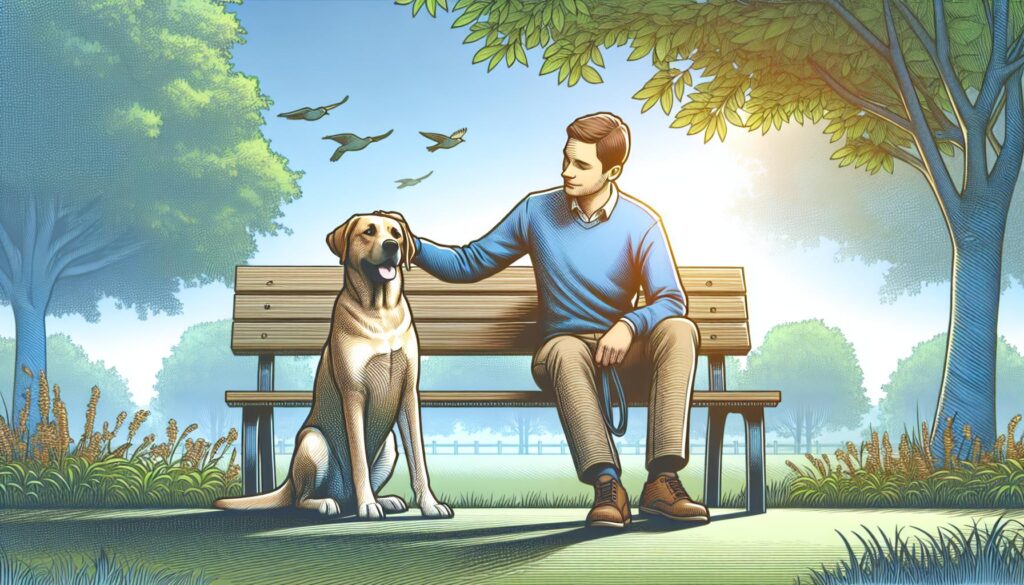
In the world of canine companionship, emotional intelligence plays a pivotal role in fostering a deep, understanding bond between dogs and their owners. It’s not just about teaching dogs to sit or stay; it’s about nurturing their ability to sense and respond to human emotions, enhancing their social skills, and improving their overall well-being. This article delves into innovative training approaches that go beyond basic obedience to cultivate emotional intelligence in dogs.
As dog owners increasingly recognize the importance of emotional intelligence, they seek methods that not only train but also emotionally enrich their furry friends. From positive reinforcement techniques to empathy-building exercises, these training approaches unlock a new dimension in dog training. They not only make dogs better companions but also happier and more emotionally resilient animals. Join us as we explore how these methods are revolutionizing the way we connect with our canine companions.
Understanding Emotional Intelligence in Dogs
Emotional intelligence in dogs defines their ability to perceive, recognize, and understand not only their emotions but also those of humans and other animals with whom they interact. This capacity enables dogs to respond appropriately to various social cues and emotional states. Key components of emotional intelligence in dogs include empathy, self-regulation, motivation, patience, and the ability to read and respond to the body language and tone of voice of their humans.
Empathy: The Foundation of Connection
Empathy, at its core, involves the ability of dogs to sense the emotions of others and react in a supportive manner. Dogs with high empathy levels may try to comfort their owners when they are sad or distressed, showing behaviors like cuddling, licking, or staying close to their human. Training that focuses on strengthening this empathetic connection encourages dogs to attune more closely to human emotions, enhancing their ability to provide support.
Self-Regulation: Managing Emotions
Self-regulation refers to a dog’s capability to manage its impulses, emotions, and reactions in various situations. This skill is critical for preventing overreactivity to stimuli such as loud noises, other animals, or unfamiliar people. Training approaches that promote calmness and focus, such as impulse control exercises and desensitization techniques, are instrumental in developing this aspect of emotional intelligence.
Motivation: Encouraging Positive Behavior
Motivation in dogs is not solely about food or toy rewards; it’s also about fostering a desire to engage and cooperate with their owners or trainers. Positive reinforcement methods, which reward desired behaviors with praise, treats, or play, boost dogs’ willingness to participate in training and everyday activities. This approach not only strengthens the dog-owner bond but also builds the dog’s eagerness to learn and interact positively with the world.
Patience: Building Tolerance
Patience allows dogs to tolerate delays, setbacks, or frustrations without becoming distressed or aggressive. Training that requires dogs to wait for rewards, such as the “stay” command or delayed gratification exercises, enhances their patience. Reward-based training reinforces calm behavior and teaches dogs that patience often leads to positive outcomes.
Core Training Approaches
Following the emphasis on the importance of emotional intelligence in dogs, training methods that foster these capabilities are crucial. Here’s a breakdown of the core training approaches that can be instrumental in developing a dog’s emotional intelligence.
Empathy-Building Exercises
Empathy-building exercises focus on creating a strong empathetic connection between dogs and their owners. One effective method involves mirroring emotions. If an owner shows happiness or sadness, they can encourage their dog to respond in a similar emotional manner. For instance, rewarding a dog with treats or praise when it reacts appropriately to the owner’s emotional cues reinforces empathetic behavior. Another technique involves role reversal, where owners mimic their dog’s body language or sounds to enhance understanding and connection.
Impulse Control Techniques
Impulse control is about helping dogs learn to manage their immediate reactions to situations. Training exercises, such as “stay,” “wait,” or “leave it,” teach dogs to pause and control their impulses before acting. These techniques require consistency and patience, as they are gradually introduced and rewarded. Starting with short periods of control and slowly increasing the duration as the dog becomes more adept at self-regulation is key to success.
Positive Reinforcement for Motivation
Positive reinforcement is central to motivating dogs and boosting their emotional intelligence. This approach entails rewarding desired behaviors immediately after they occur to encourage repetition. Rewards can be in the form of treats, praise, or playtime. Positive reinforcement not only motivates dogs but also builds a positive association with learning and obedience, making training a joyful process for them.
Patience-Building Exercises
Enhancing a dog’s tolerance and patience involves exercises that gradually introduce delays in gratification. A simple patience-building exercise starts with making a dog sit and wait for a short period before receiving a treat. Gradually increasing the waiting period before the reward trains the dog to remain calm and patient. Such exercises are crucial for dogs to develop the ability to cope with delayed gratification and control frustration.
Incorporating these training approaches fosters emotional intelligence in dogs by focusing on empathy, self-regulation, motivation, and patience. As dogs become more attuned to their owners’ emotions and learn to regulate their own impulses, the bond between them strengthens. This leads to a more harmonious relationship and a happy, well-adjusted canine companion.
Innovative Training Techniques
Building on the foundation of empathy, self-regulation, motivation, and patience, innovative training techniques take a step further, incorporating activities that not only foster emotional intelligence in dogs but also ensure training sessions are engaging and effective. These methods go beyond traditional obedience training to include a variety of dynamic exercises aimed at enhancing a dog’s ability to understand and respond to human emotions more acutely.
Interactive Play Sessions
Interactive play sessions serve as a primary approach to developing a dog’s emotional intelligence. By engaging in games that require dogs to read human cues and respond appropriately, they learn empathy and patience. For example, activities like hide and seek encourage dogs to use their sense of empathy to find their owners, honing their ability to read human emotions and body language.
Socialization Exercises
Socialization exercises are critical for emotional development in dogs, providing them opportunities to interact with a diverse range of humans and other dogs. These encounters enhance a dog’s empathy and self-regulation, as they must navigate different social cues and behaviors. Organized playdates or visits to dog parks where they can meet new friends under controlled conditions are practical ways to implement this technique.
Cognitive Games
Cognitive games focus on stimulating a dog’s mind, teaching them to solve problems and regulate their emotions when faced with challenges. Games involving puzzles or toys that dispense treats when solved are excellent for building patience and motivation. Dogs learn to associate patience and problem-solving with positive outcomes, reinforcing their emotional intelligence skills.
Reward-Based Training
Reward-based training emphasizes positive reinforcement over punishment, crucial for developing motivation and self-regulation. By rewarding desired behaviors with treats, praise, or play, dogs learn to associate good behavior with positive emotions. This approach avoids negative reinforcement methods that can inhibit a dog’s emotional growth, ensuring they remain motivated and responsive.
Emotional Mimicking Exercises
Emotional mimicking exercises encourage dogs to mirror their handler’s emotional state, which builds empathy and understanding. Handlers display certain emotions, such as happiness or sadness, through vocal tones and body language, and reward the dog for responding in a way that mirrors or acknowledges these emotions. This technique strengthens the emotional bond between dogs and their owners, making it easier for dogs to read and react to their owner’s feelings.
Addressing Common Challenges
In the journey to enhance a dog’s emotional intelligence, trainers and owners may encounter several challenges that could hinder progress. Recognizing and addressing these challenges is a key step to ensure successful training outcomes.
Identifying Individual Needs
Dogs, like humans, have unique personalities and temperaments, making their training needs highly individual. Observing a dog’s reactions in different situations helps identify specific areas of emotional intelligence that need improvement. For example, a dog that shows anxiety around strangers may benefit from focused socialization exercises, whereas one that becomes overly excited might require more work on self-regulation and patience.
Overcoming Fear and Anxiety
Fear and anxiety in dogs can significantly impede their ability to learn and display emotional intelligence. Creating a safe and comfortable training environment encourages them to open up and participate actively. Techniques such as gradual exposure to fear-inducing stimuli and positive reinforcement can effectively reduce anxiety levels, making it easier for dogs to engage in training that enhances their emotional understanding.
Building Trust and Security
Trust between a dog and its owner forms the foundation of effective emotional intelligence training. Developing a strong bond where the dog feels secure and understood encourages them to respond positively to training. Continuous positive reinforcement, patience, and consistent behavior from the owner help in building this trust. Ensuring the training sessions are enjoyable and free of punishment allows the dog to associate learning with positive experiences.
Encouraging Socialization
Proper socialization exposes dogs to a variety of situations, animals, and people, which is crucial for developing empathy and understanding of social cues. However, introducing socialization too quickly or in a stressful manner can have adverse effects. Tailoring socialization efforts to match the dog’s comfort level, gradually increasing the complexity and variety of interactions, ensures they learn effectively without feeling overwhelmed.
Patience with Progress
Boosting a dog’s emotional intelligence doesn’t happen overnight. Recognizing and celebrating small victories keeps the training process positive and rewarding for both the dog and the trainer. Setting realistic goals and understanding that setbacks may occur helps maintain motivation and commitment to the training objectives.
Utilizing Consistent Communication
Consistent and clear communication aids in eliminating confusion, making it easier for dogs to understand and meet expectations. Using the same commands, cues, and rewards system throughout the training ensures dogs can quickly grasp what is being taught. This consistency reduces frustration and aids in quicker learning and adaptation.
Evaluating Progress and Adjustments
Evaluating progress in training that fosters emotional intelligence in dogs involves consistent observations and adjustments to ensure that the methods are effectively enhancing the bond between dogs and their owners. Successfully navigating this phase hinges on recognizing signs of emotional growth in dogs, understanding the need for tweaking training strategies, and incorporating new activities based on the dog’s individual responses.
Recognizing Signs of Emotional Growth
Identifying signs of emotional growth in dogs provides valuable feedback on the effectiveness of the training approaches. Key indicators include:
- Improved empathy: This manifests as a dog’s increased sensitivity to their owner’s emotions, showing comfort or concern during emotional distress.
- Enhanced self-regulation: A dog that is better at managing impulses, such as waiting patiently for food or commands, showcases growth in this area.
- Increased motivation: Signs that a dog is eager to participate in training sessions without the constant need for rewards indicate a rise in intrinsic motivation.
- Greater patience: Demonstrated when a dog calmly endures situations that previously caused restlessness or anxiety.
Adjusting Training Strategies
Adaptability in training approaches is crucial when fostering emotional intelligence in dogs. If a dog shows signs of stress or disinterest, it might be necessary to:
- Alter the training environment to make it more comfortable and less distracting.
- Introduce new games or activities that align more closely with the dog’s interests and natural abilities.
- Decrease or increase the complexity of tasks to match the dog’s learning curve more effectively.
- Vary the rewards to maintain or reignite the dog’s interest in participating in training activities.
Incorporating New Activities Based on Responses
The dog’s response to current training strategies guides the introduction of new activities aimed at further enhancing emotional intelligence, such as:
- Group play sessions that encourage social empathy by interacting with other dogs in controlled environments.
- Sensory games designed to refine the dog’s ability to read and respond to subtle cues.
- Trust-building exercises that strengthen the dog-owner bond, such as mutual gazing or synchronized walking.
Adapting training methods based on a dog’s progress and incorporating new, suitable activities are essential steps towards nurturing a dog’s emotional intelligence. Continuously observing the dog’s behavior, being open to making necessary adjustments, and introducing diverse training exercises tailored to the dog’s evolving needs will significantly contribute to achieving a deeper, more empathetic relationship between dogs and their owners.
Conclusion
Training a dog to develop emotional intelligence is a journey that goes beyond simple commands. It’s about fostering a deep, empathetic connection between you and your furry friend. By integrating interactive play, cognitive games, and adapting training methods to suit your dog’s unique personality, you’re setting the stage for a more responsive and emotionally aware companion. Remember, patience and consistency are key. As you and your dog grow together, the bond you share will become stronger, enriched by mutual understanding and respect. So embrace the process, enjoy the journey, and watch as your dog’s emotional intelligence blossoms.

Elizabeth Redd has been in Washington, D. C. since 1970. Welcome to "Pooch Wellness Path," your trusted guide to enhancing the well-being of your cherished furry friends. At the heart of our community lies a commitment to holistic wellness, combining comprehensive care with unconditional love.
We're here to offer you the latest nutrition, fitness, mental health, and preventive measures, lighting the way to peak health for your pet. Dive into our thriving network of dog lovers, where the happiness of our companions takes center stage.
We're all about sharing groundbreaking wellness tips and nurturing an environment where every dog thrives. Step into Pooch Wellness Path, where each joyful bark and wag is a testament to thriving health.