Unlock the Power of Adoption: Heartwarming Dog Rescue Stories You Can’t-Miss
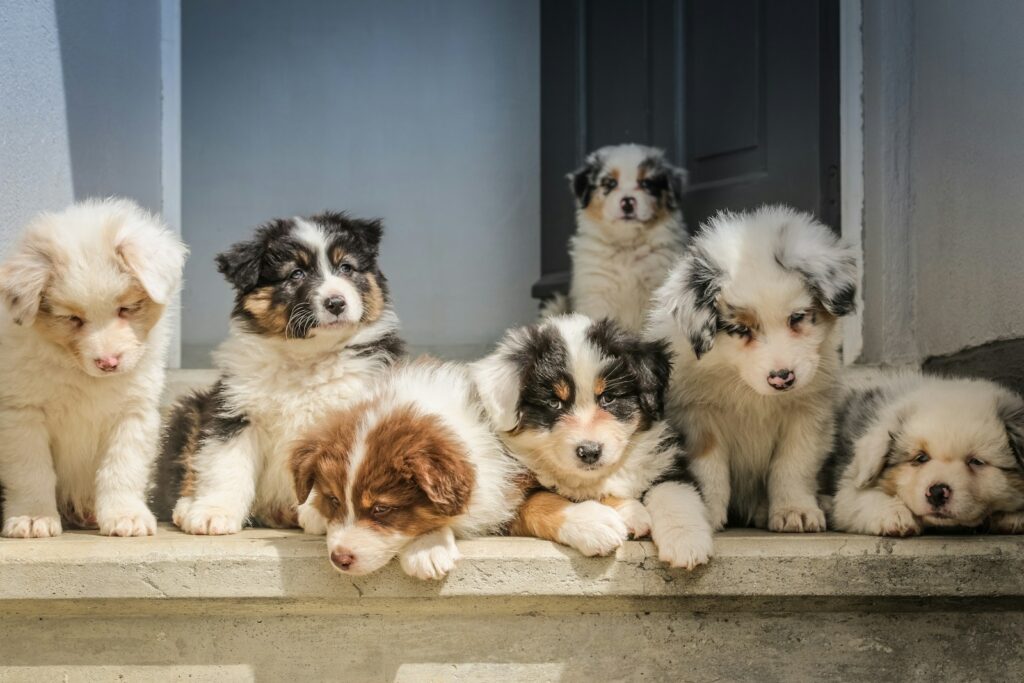
Picture a world where every wagging tail and joyful bark belongs to a dog that found a second chance and a loving home. This isn’t just a dream. It’s the mission behind “Adopt, Don’t Shop.” Each time you choose to adopt from a shelter, you contribute to ending pet overpopulation and discourage unethical breeding practices. Choosing adoption offers a deserving animal a chance at happiness while also bringing unconditional love and companionship into your life.
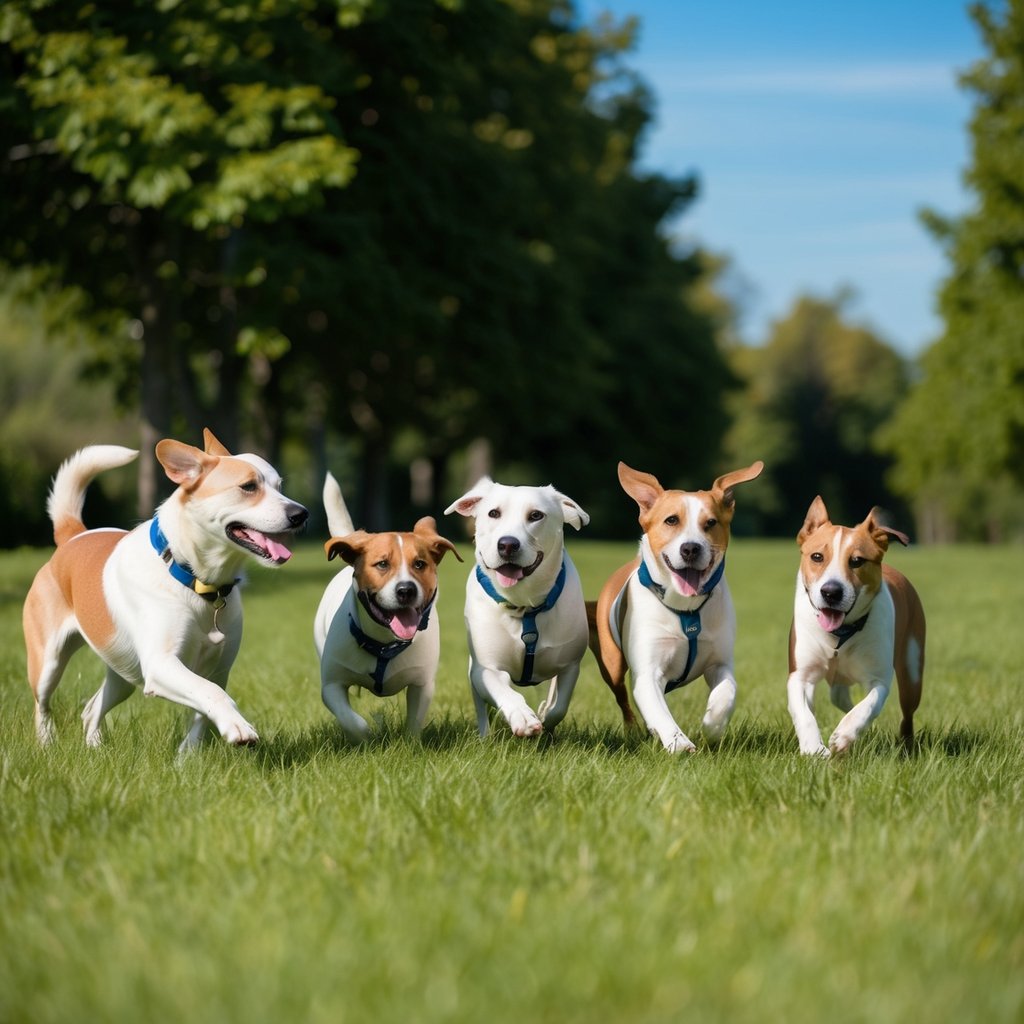
The heartwarming stories of rescue dogs underscore the profound impact of adoption. Imagine the journey of a puppy, once abandoned, now thriving in a happy, safe family environment. These dogs often bring as much joy into their owners’ lives as they receive. Whether it’s the story of a pup saved from an uncertain fate or a dog finding its place in a loving household, the narratives are countless and inspiring.
When you adopt, you don’t just bring a pet into your home; you become part of a larger community devoted to compassion and kindness. Every rescue dog’s journey from shelters to families is a testament to the power of love and second chances. Explore these touching stories, and consider how you can participate in this meaningful movement.
The Heart of the Matter: Why Choose Adoption
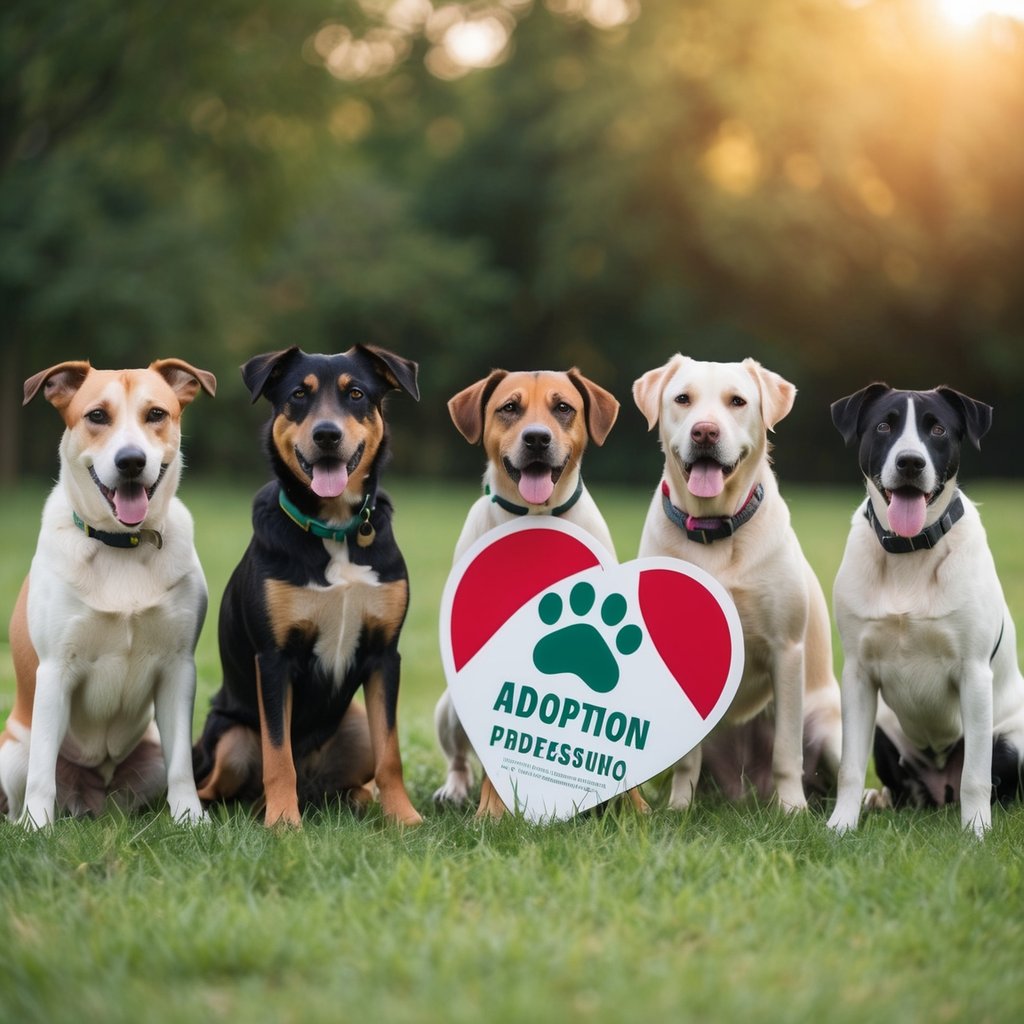
Choosing to adopt a pet brings numerous benefits to both the animal and you. Adoption helps reduce the demand for puppy mills, supports shelter dogs’ welfare, and highlights rescue organizations’ essential work.
Combatting Puppy Mills
By adopting a pet, you play a critical role in reducing the demand for animals bred in puppy mills. Puppy mills prioritize profit over the health and well-being of animals, often keeping them in inhumane conditions. Dogs from these facilities may suffer from health issues due to neglectful breeding practices.
Supporting adoption helps break this cycle, reducing the demand for such operations. Opting for adoption ensures a healthier pet and sends a message against unethical breeding.
The Plight of Shelter Dogs
Shelter dogs often come from difficult circumstances and may have been abandoned or surrendered for various reasons. These animals live in temporary shelter environments, patiently waiting for loving families.
By adopting, you give these deserving dogs a second chance at life. This transforms their world and enriches yours with unconditional love and companionship. Adoption helps alleviate overcrowding in shelters, making room for more needy animals.
The Role of Rescue Organizations
Rescue organizations are key players in the adoption process, tirelessly working to rehabilitate and rehome animals. They often provide essential medical care, rehabilitation, and foster homes for animals before they are ready for adoption.
Supporting these organizations by adopting pets from them helps sustain their efforts, enabling them to save even more animals. Researching local rescues can help you find the perfect pet for your family and lifestyle.
Pre-adoption Considerations
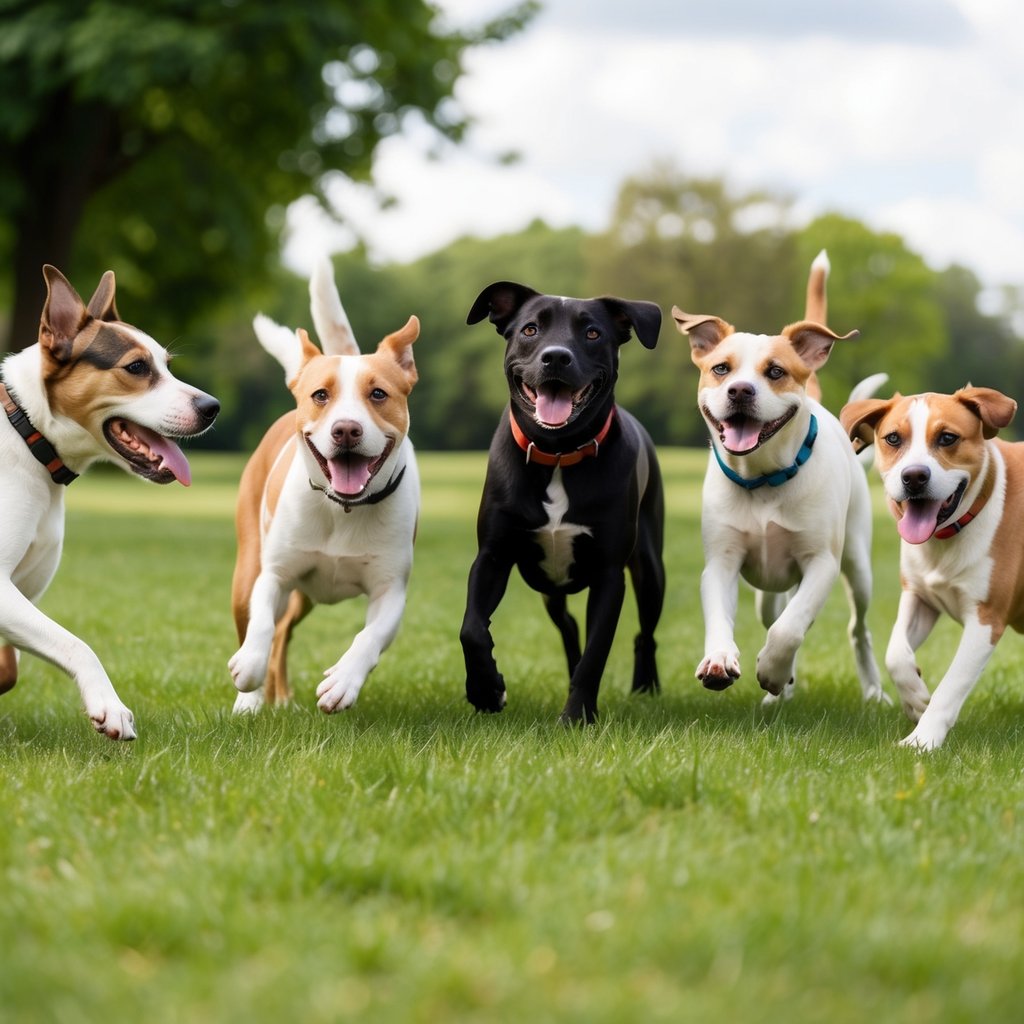
Before bringing a rescue dog home, it’s essential to consider how a dog will fit into your lifestyle, understand their needs and behaviors, and select the right companion. Thinking through these elements ensures a smoother transition for you and your new furry friend.
Assessing Lifestyle and Compatibility
Consider your daily routines and how a dog can fit into them. Evaluate your available space and whether it’s suitable for a dog. A smaller or less active breed might be better if you have a small apartment. Activity levels are also crucial; if you like hiking or jogging, seek a dog with similar energy levels.
Next, think about your time commitment. Dogs require attention, training, and playtime. Assess if your schedule allows for this. Life changes, like a new job or moving, might impact your decision. Matching a dog’s character with your lifestyle ensures a happier coexistence.
Understanding Dog Needs and Behaviors
Every dog has specific needs and behaviors that you’ll need to accommodate. Dogs require regular exercise, proper nutrition, and veterinary care. Understand basic behaviors like barking, chewing, and digging. Research the common traits of breeds or mixes you are interested in, as this can help manage expectations.
Some dogs, especially rescues, might have past trauma or anxiety. Patience and consistent training can help. Enrolling in a training class or consulting a behaviorist can make a difference. Being prepared for the commitment of caring for a dog’s needs ensures a healthier and happier pet.
Choosing the Right Companion
Selecting the right dog means considering your preferences and constraints. Look into adopting from reputable shelters or rescue organizations. Many offer profiles or advice on finding a compatible pet. Spend time observing and interacting with dogs you’re interested in adopting.
Consider any medical or age-related needs of the dog. Puppies can be energetic and require training, while older dogs might need medical care. Don’t hesitate to ask the shelter staff for guidance on each dog’s personality and history. Making an informed choice increases the chances of finding a lifelong friend.
Heartwarming Rescue Dog Tales
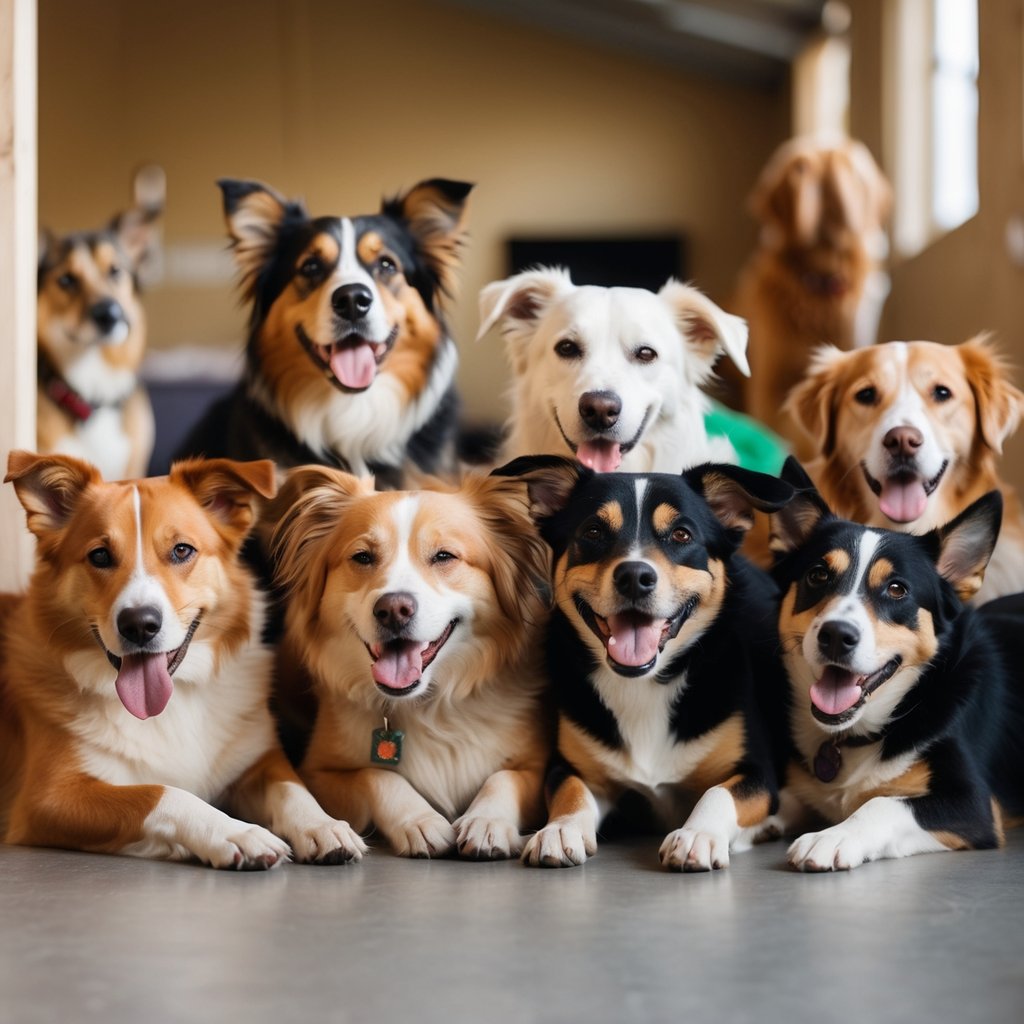
Rescue dog stories often highlight the incredible transformations and triumphs that come with a second chance. These inspiring tales cover everything from life-changing adoptions of neglected dogs to the joyful lives of senior and special needs dogs who found love and care.
From Rags to Riches Stories
You’ll find countless stories of dogs who went from heartbreaking beginnings to lives full of love. Many dogs arrive at shelters in poor condition, often dealing with neglect or abuse. For example, some pups may have only known life on the streets or in challenging situations, but with the proper care, they flourish.
Open your heart to these remarkable transformations. Consider the tales of dogs who initially struggled with trust, yet with the dedication of new families; they became affectionate companions. Rehabilitation often involves patience, love, and sometimes medical treatment.
Seeing a once-sad dog running in open fields or cuddling with a family member can be incredibly rewarding. Organizations like the Animal Humane Society share stories about miraculous changes.
Senior Dog Successes
There’s something uniquely special about adopting a senior dog. Despite their age, many senior rescues still have plenty of love to give. These dogs, often overlooked, make some of the most loving pets once given the chance.
When you adopt a senior, you offer a comfortable place for them to spend their golden years. They tend to be more laid-back and often come with perks like being house-trained. Stories shared on Reader’s Digest illustrate how these older pups bring happiness and wisdom to families.
Opening your home to a senior dog means committing to shorter yet significant moments. Every wag of their tail and every grateful glance tell a story of past hardship turned into heartwarming joy.
Special Needs Dogs Triumphs
Special needs dogs often face additional obstacles, yet their success stories are perhaps the most heartening. Adopting these pets requires extra care, but the bonds formed are extraordinary.
These dogs may have conditions that need consistent care and adaptation. The companionship of a special needs rescue can deeply enrich your life. For instance, consider those who have overcome injuries or disabilities and are now thriving in supportive homes shared through Pet Care Paws.
Providing a loving home for a special needs dog involves meeting their unique requirements, such as therapy, medication, or special accessibility. However, the loyalty and love you receive in return are often unmatched.
The Adoption Process
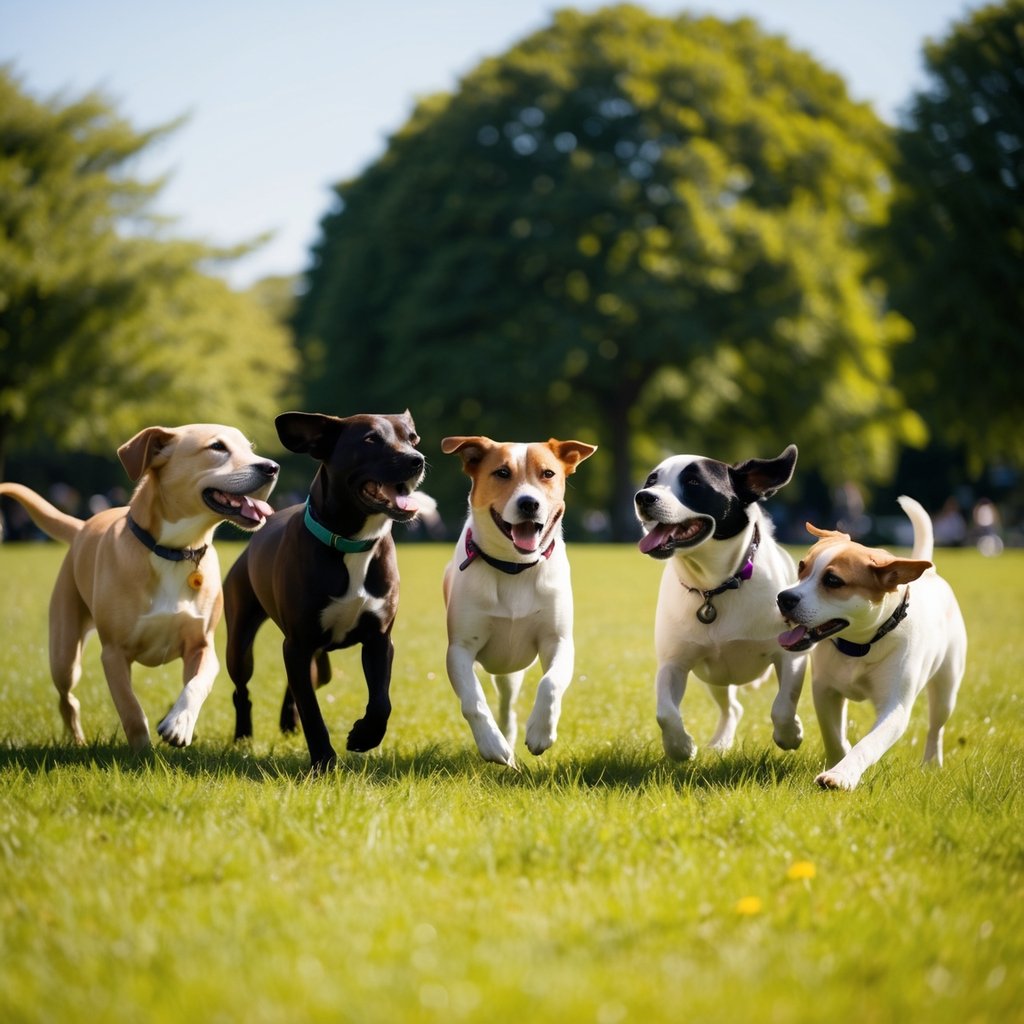
Embarking on adopting a dog involves understanding various steps that ensure the best match for you and the animal. You’ll learn about the shelter procedures, the opportunity to foster, and the specific steps tied to adopting through rescue groups.
Navigating Shelter Procedures
You must familiarize yourself with their specific process when adopting from a shelter. Begin by visiting or browsing their website to view available dogs. Shelters often require you to fill out an application, providing details about your living situation and preferences.
After submission, they might ask for references or a home visit to ensure a suitable environment. This stage ensures that each dog is placed in a loving, responsible home. Once approved, you’ll finalize the adoption with a fee and complete the paperwork before bringing your new friend home.
Fostering Before Adopting
Many shelters and rescue organizations offer the chance to foster a dog before committing to adoption. This allows you to spend time with the dog in your home environment, getting to know their personality and needs.
Fostering can help you and the dog adjust, making the transition smoother if you adopt. It’s an opportunity to assess compatibility and make a more informed decision. Participating in fostering showcases commitment, often leading to a shorter adoption process should you officially bring the dog into your family.
Rescue Group Adoption Steps
Adopting through a rescue group may differ from a shelter, focusing on breed-specific or special needs dogs. Begin by contacting the group to express your interest in adoption. They will guide you through their process, including an application, interview, and potential home visit.
Rescue groups emphasize finding the right match, considering factors like home environment and family dynamics. Patience is key as these groups often have fewer animals, but this detailed process helps ensure a lasting bond. Once approved, you’ll follow similar steps to adopt, including paying a fee and signing an adoption contract. Be prepared to maintain contact with the group for any post-adoption support.
Setting Up for Success
Welcoming a rescue dog into your home is a beautiful step that requires thoughtful preparation and attention. Ensuring a smooth transition involves setting up your home, carefully introducing your pet to family members, and organizing initial vet visits to monitor health.
Preparing Your Home
Start by dog-proofing your space. Remove or secure items that could pose a risk, like electrical cords or small objects. Consider setting up a designated area with a cozy bed, food and water bowls, and some toys.
Ensure you have essential supplies such as a leash, collar with ID tags, and appropriate grooming tools. If possible, set up a fenced area outside for exercise. These structures help your rescue dog feel safe and welcome.
Introducing Your New Pet to the Family
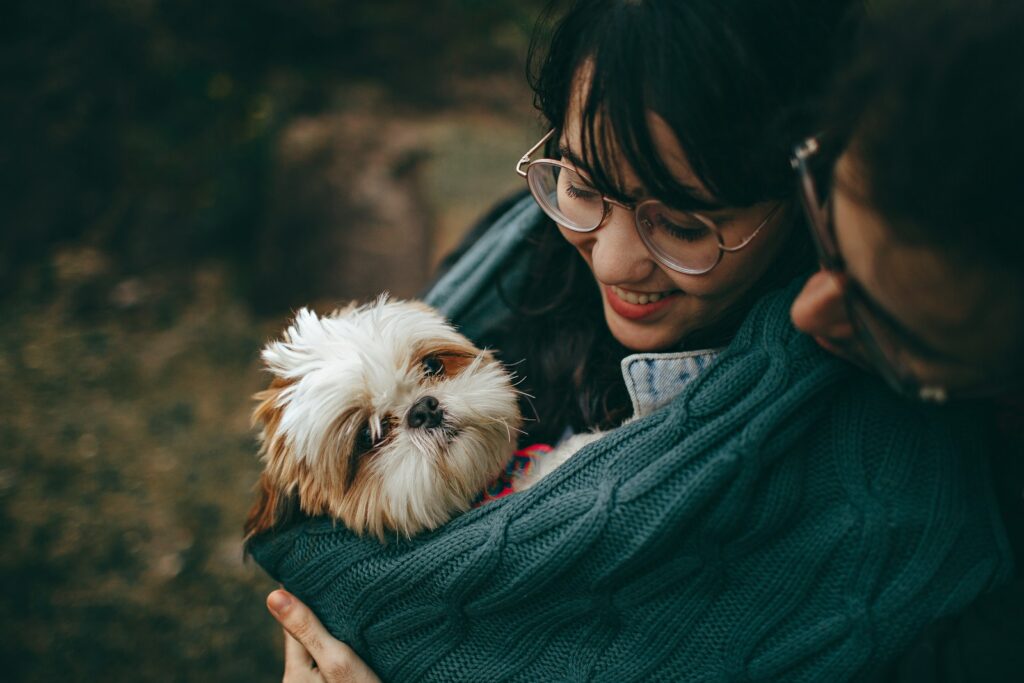
Take time to introduce your dog to each family member. Allow them to gently approach the dog at its pace, using treats to build a positive association. This encourages a bond and reduces anxiety.
Educate your family about the dog’s body language and signs of stress so everyone knows how to create a harmonious environment. Establish a routine for walks, feeding, and playtime to give your dog a sense of stability.
Initial Vet Visits
Scheduling an initial check-up with the vet is crucial. This helps you understand any specific health needs or vaccinations required. Bring along any available medical history for reference.
Discuss diet, exercise needs, and preventive care with your vet. Veterinary advice ensures your rescue dog stays healthy and adjusts well to its new environment. Regular check-ups will help monitor their progress and catch any potential issues early.
Training and Socialization
Rescue dogs often have unique backgrounds and personalities. Practical training and proper socialization are vital in helping them adjust to and thrive in their new homes.
Basic Obedience Training
Training begins with establishing basic commands like sit, stay, and come. These commands lay the foundation for a well-behaved pet and help build trust between you and your dog.
Regular practice sessions, using positive reinforcement with treats and praise, can make learning more enjoyable for your furry friend. Keep sessions short and focused, around 10 to 15 minutes, to maintain your dog’s interest.
Consistency is crucial. Applying the same commands and gestures ensures clear communication. Patience is equally important, as it takes time for rescue dogs to adapt and learn new behaviors.
Socializing Rescue Dogs
Socialization helps your rescue dog become comfortable in various environments and with different people and animals. Start by gradually introducing your dog to new experiences to avoid overwhelming it.
Take your pup to places like parks, pet-friendly stores, and trails. Expose them to diverse sounds, sights, and smells. Encourage positive interactions with other dogs and people to build confidence.
Organized playdates or socialization classes can provide structured environments for your dog to interact safely. Remember to be supportive and control the environment during socialization to build a positive experience for your dog.
Dealing With Behavioral Challenges
Rescue dogs may have behavioral challenges like anxiety, aggression, or fearfulness. Addressing these issues requires patience and understanding. Observing your dog’s behavior closely can help identify triggers and lead to practical solutions.
Consider engaging a professional dog trainer or behaviorist to create a tailored plan. They can offer specialized training techniques to address specific issues. Consistent routines and providing a safe space for your dog can alleviate stress and promote security.
Avoid punishment-based training, as it may reinforce fear or anxiety. Instead, opt for gentle correction methods that foster trust and a positive bond between you and your rescue dog.
Becoming an Advocate
Taking steps to become an advocate for rescue dogs can make a meaningful impact. You can contribute significantly to animal welfare efforts by raising awareness and providing practical support.
Spreading Awareness
One of the first steps in advocating for rescue dogs is spreading awareness about the importance of adoption. Share stories and statistics through social media platforms to reach a wider audience. Featuring inspiring adoption stories, like those from Adopt, Learn, Love, can highlight the transformative power of giving a dog a second chance.
Consider organizing events or informational sessions in your community to discuss the benefits of adoption over purchasing pets. Creating eye-catching informational materials or collaborating with local shelters can amplify your message.
Volunteering and Support
Volunteering at a local animal shelter can provide direct support while giving you firsthand animal care experience. This involvement allows you to build connections with other advocates and understand more about shelters’ challenges. Joining forces with established campaigns, like Adopt, Don’t Shop, can help drive change on a larger scale.
Financial support is also crucial for rescue operations. Consider organizing donation drives, organizing fundraising events, or pledging ongoing support. Your dedication can improve shelter conditions and increase adoption success.
Conclusion
Adopting a rescue dog can genuinely change your life and theirs. These dogs often come with basic training, and many are vaccinated, spayed, or neutered, which reduces initial costs and saves you time.
Every dog is unique, with its own set of challenges and joys. You’ll get to know their quirks and find a rhythm with patience and love.
Adopting gives a deserving dog a second chance and a loving home. This act of kindness can bring out your best and inspire others to consider adoption.
The journey may include ups and downs, but the bond you’ll develop is worth every moment. Your new furry friend will likely become a cherished part of your family.
If you’re considering adopting, remember the words: Adopt, Don’t Shop. Embrace the incredible experience, create lasting memories, and enjoy the companionship of your rescue dog.
A Call to Action
Adopting a pet is more than bringing home a furry friend; it’s about giving an animal a new lease on life. Every adoption is a stand against unethical breeding practices and puppy mills. By adopting, you play a direct role in reducing pet overpopulation.
Consider adopting from shelters that tirelessly care for these animals. Organizations like A Chance to Bloom help integrate rescue dogs into loving homes.
Why It Matters
- Save Lives: Each adoption frees up shelter space, allowing them to save more animals.
- Support Ethical Practices: Shelters should be preferred over breeders to discourage the mass production of pets, as highlighted by Rescue Dogs 101.
- Experience Unconditional Love: Adopted animals often form deep bonds with their family, knowing they have a haven.
How You Can Help
- Adopt: Bring a rescued animal into your home.
- Spread Awareness: Share the message behind adopting, but don’t shop. The National Humane Society encourages choosing compassion over convenience.
- Volunteer or Donate: Support your local shelters with time or resources.
By taking these steps, you can make a tangible difference in the lives of countless animals waiting for someone like you.

Elizabeth Redd has been in Washington, D. C. since 1970. Welcome to "Pooch Wellness Path," your trusted guide to enhancing the well-being of your cherished furry friends. At the heart of our community lies a commitment to holistic wellness, combining comprehensive care with unconditional love.
We're here to offer you the latest nutrition, fitness, mental health, and preventive measures, lighting the way to peak health for your pet. Dive into our thriving network of dog lovers, where the happiness of our companions takes center stage.
We're all about sharing groundbreaking wellness tips and nurturing an environment where every dog thrives. Step into Pooch Wellness Path, where each joyful bark and wag is a testament to thriving health.