Unseen Summer Hazards – How Hot Pavement Affects Your Dog’s Paws
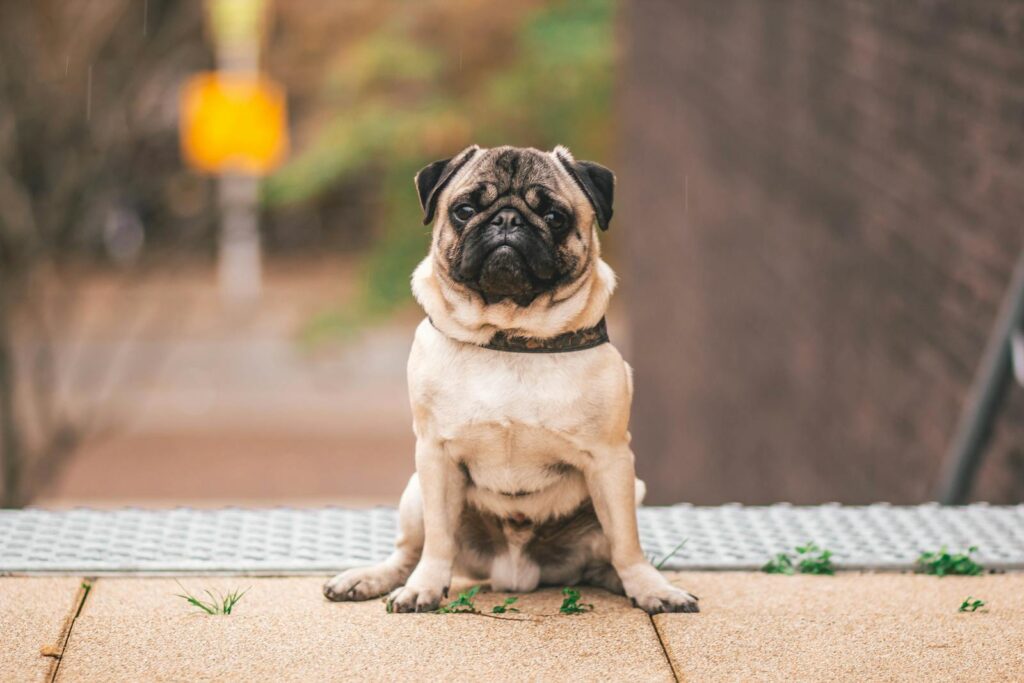
When the summer heat arrives, you might ask yourself if your dog’s paws can handle those scorching sidewalks. The hot pavement can seriously harm your dog’s paws, leading to painful burns and discomfort. Just like your feet would get hurt walking barefoot on hot asphalt, your dog’s paws are at risk, too.
You’ll need some essential tips to protect your furry friend’s paws. Whether using special paw wax, walking during more excellent parts of the day, or even getting some protective booties, there are several ways to ensure your dog stays comfortable. These tips can make a big difference, especially during the hottest months.
Your dog trusts you to keep it safe and happy, so ensure those summer walks are pleasant experiences. You can enjoy the sunny weather together by following simple steps without worrying about paw injuries.
Understanding Your Dog’s Heat Tolerance
Dogs’ ability to handle heat varies depending on their breed, and several specific signs can help you spot when they are overheating. Knowing your dog’s heat tolerance limits is essential to keeping your pet safe.
Breed-Specific Vulnerabilities
Some breeds are more susceptible to heat due to their physical characteristics. Brachycephalic breeds like Bulldogs and Pugs have shorter snouts, making it harder for them to cool down through panting. Additionally, dogs with thick fur, such as Huskies and Malamutes, retain more heat than those with shorter coats.
Older dogs and puppies also struggle more in the heat. Be extra cautious as they have less ability to regulate their body temperature. Always provide ample shade and fresh water to help them stay calm.
Size matters, too. Larger breeds like Great Danes may overheat faster than smaller dogs due to their larger body mass. Monitor these vulnerable breeds and proactively protect them when temperatures rise.
Signs of Overheating in Dogs
Recognizing the signs of overheating can prevent serious health issues. Watch for excessive panting, indicating your dog is struggling to cool down. Lethargy and weakness are also red flags. Your dog may lie down more often and be less willing to move.
Check for drooling and increased heart rate. If your dog’s gums appear bright red, purple, or pale, it shows heat stress. Vomiting and diarrhea are severe symptoms that require immediate action.
Always stay alert for these signs during hot weather. By acting quickly, you can ensure your dog stays safe and healthy in the heat.
The Science of Paws and Heat
Understanding your dog’s paws and how they deal with heat is essential to keeping your furry friend safe during hot weather. Dogs rely on their paw pads and sweating mechanisms to stay calm, but these methods have limitations.
Paw Pad Anatomy
A dog’s paw pads contain tough skin and fatty tissue, providing cushioning and protection. The pads help absorb shock and assist in walking across various surfaces. However, extreme temperatures can damage these pads.
Paw pads have a high concentration of sweat glands, which help cool the dog down. Yet, these pads can quickly burn when in contact with hot surfaces like pavement or sand.
Blisters, redness, and peeling are common signs of burnt paw pads. It’s crucial to care for these pads since they are vital for your dog’s mobility and comfort. Always check your dog’s paws for signs of damage after walks in hot weather.
How Dogs Sweat and Cool Down
Dogs have a limited ability to sweat. They do not sweat through their skin like humans. Instead, they sweat through their paw pads and nose. This is less effective in hot weather, making dogs more prone to overheating.
Panting is the primary way dogs cool down. When they pant, moisture evaporates from their tongues, nasal passages, and lungs, helping to reduce their body temperature. However, this method is limited, especially in extreme heat or high humidity.
Hydration is crucial. Make sure your dog always has access to fresh water. Also, avoid walking during peak heat hours to prevent your dog from overheating. Keeping your dog cool helps prevent heat-related illnesses and protects those precious paw pads.
Safe Summer Activities
Keeping your dog cool and safe during summer involves choosing activities that prevent overheating and protect their paws. Two great options are water games and indoor exercises.
Water Games
Water games are fantastic for keeping your dog cool in the summer. Activities like swimming can be both fun and safe. You can take your dog to a dog-friendly beach or lake where they can splash and swim. This helps them stay calm and gives their paws a break from hot surfaces.
Another option is setting up a splash pool in your backyard. This lets your dog cool off and play without being in the sun too long. You can also use sprinklers for extra fun.
Supervise your dog during these activities to ensure they stay safe and hydrated. Always provide plenty of fresh water for drinking.
Indoor Exercises
When it’s too hot outside, indoor exercises can help keep your dog active and entertained. Simple activities like fetch in a long hallway or using puzzle toys to stimulate their mind are great options.
Consider creating an indoor obstacle course using household items. You can use chairs, blankets, and other safe objects for your dog to navigate. This not only provides physical exercise but also engages their brain.
Another idea is indoor training sessions. Teach new tricks or practice obedience training in a more relaxed environment. This helps maintain their training and keeps them busy.
Ensuring a relaxed, comfortable place inside for your dog to rest is crucial during hot days. Constantly monitor your dog and provide plenty of water during indoor exercises.
First Aid for Heat-Related Issues
Knowing how to handle heat-related problems in your dog can save their life. Quick responses to heat stroke and paw pad injuries are crucial during hot weather.
Heat Stroke Intervention
Heat stroke is a severe condition that requires immediate action. You must act fast if your dog shows signs like heavy panting, rapid breathing, and bright red gums. Move your dog to a more relaxed area instantly, like a shaded spot or indoors with air conditioning.
Offer your dog cool (not cold) water. Let them drink small amounts at a time. Avoid giving iced water, as it can cause shock. Wetting your dog with cool water can help, but do not use ice-cold water, as it may cause blood vessels to constrict. Focus on the head, neck, and chest areas first.
Contact a vet as soon as possible. Even if your dog seems better, heat stroke can cause internal damage that needs medical attention. Keep monitoring their condition while on the way to the vet. Using a thermometer to track their temperature can help; aim to reduce it to about 103°F.
Paw Pad Injury Treatments
Hot pavement can burn your dog’s paw pads, leading to pain and injury. Check for blisters or redness if your dog limps or licks its paws frequently after a walk. Move the dog to a cool area immediately and scrutinize the pads.
Rinse the paws with cool, clean water to remove debris. Applying an antiseptic wash can help prevent infection if the burns are mild. Avoid using harsh chemicals and stick to pet-safe products. Afterward, gently pat the area dry with a soft cloth.
Cover the paws with a clean, non-stick bandage for more severe burns to protect the injured skin and reduce the risk of infection. Keep your dog from licking the wounds, and consult your vet for further treatment. Regularly check and replace the bandages to keep the injury clean and promote healing.
Taking these steps quickly can make a big difference in your dog’s recovery and comfort during hot weather.
Protective Gear and Products
Keeping your dog’s paws safe during hot weather involves using the right gear and products. Learn about dog booties, socks, and paw balms that protect against burning and discomfort on hot surfaces.
Dog Booties and Socks
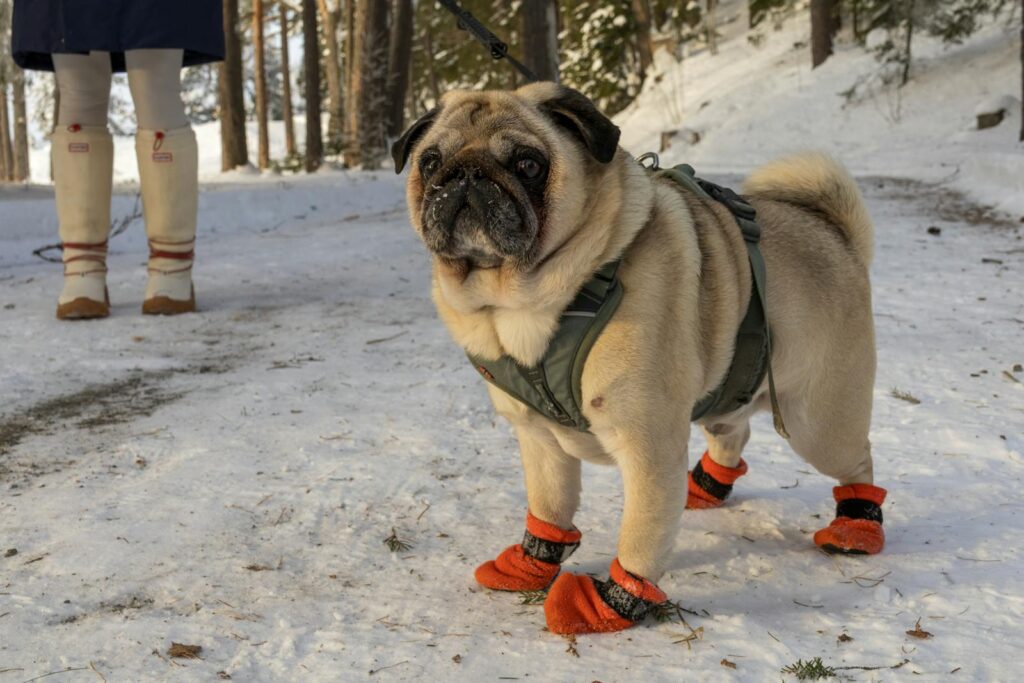
Dog booties and socks provide a protective layer between your dog’s paws and the ground. These items are handy for walks on hot pavement. Look for booties with durable, heat-resistant soles to prevent burns.
- Types: Booties come in various styles, including slip-on and Velcro-strap designs.
- Material: Opt for breathable materials to keep the paws cool without causing excessive sweating.
- Fit: Ensure a snug fit to keep booties from slipping off, but they shouldn’t be too tight. Proper fit prevents irritation and ensures better protection.
Some popular dog booties are made with reflective materials to increase visibility during evening walks. They often have anti-slip soles to provide better grip on smooth surfaces.
Paw Balms and Waxes
Paw balms and waxes are another effective option to shield your dog’s paws from the heat. These products create a barrier that protects against hot surfaces while moisturizing the paw pads.
- Application: Apply a thin layer of balm or wax to your dog’s paws before heading outside. Most products are safe to use daily.
- Benefits: These balms provide heat protection, heal and soothe cracked or dry paw pads, and protect against rough terrain and outdoor elements.
- Products: Consider brands like Musher’s Secret, which offer natural waxes that absorb quickly and don’t leave a mess.
Paw balms or waxes can keep your dog’s paws healthy and comfortable during hot weather. However, when trying a new product, check for any allergic reactions.
Preparation and Prevention
Proper preparation and preventive measures can help protect your dog during hot weather. Crucial steps include ensuring adequate hydration, providing shade, and conditioning your dog’s paws.
Hydration and Shade
Keeping your dog hydrated is essential. Always carry a water bottle for your dog when stepping out. Provide water breaks every 15-20 minutes during walks. This prevents overheating and ensures that your dog remains cool.
In addition to hydration, shade is essential. When out, look for areas with trees or covered spaces. This helps keep your dog’s body temperature down. Ensure an excellent, shaded spot where your dog can relax at home.
Avoid walking your dog between 10 AM and 4 PM during peak sun hours. The pavement can be scalding and harmful, even causing burns.
Acclimation Tips
Your dog’s paws need time to get used to different surfaces. Gradually introduce walks on concrete or pavement in the early morning or late evening when it’s cooler. This helps toughen their paws and build resistance.
While acclimating, check your dog’s paws regularly. Look for signs of redness, blisters, or cuts. If you notice any issues, it’s best to give their paws a break and consult a vet.
You can also use paw protection wax, which creates a barrier against hot surfaces. Apply the wax 2-3 times a week for the best results. Wearing booties during walks can also provide an extra layer of protection.
Daily Paw Care Routine
Taking care of your dog’s paws daily helps prevent injuries and keeps them healthy. Regular inspections, proper cleaning, and moisturizing are essential steps.
Regular Inspections
Examine your dog’s paws every day. Look for cuts, redness, or swelling, which might indicate injuries or infections. Pay attention to the spaces between the toes. Dirt, small stones, or even ticks can get trapped there.
Press gently on the pads to see if your dog reacts with discomfort. This can help you spot tender areas that need extra care. It might be time to visit the vet if you notice any abnormalities.
Make these inspections a routine, perhaps after walks or playtime. Your dog will get used to the process, making it easier for both of you.
Cleaning and Moisturizing
Clean your dog’s paws after walks, especially if you’ve been on rough or dirty terrain. Use a soft cloth with warm water to wipe away dirt and debris. For convenience, you can also use pet-safe wipes.
Moisturizing is crucial, especially during dry weather. Use a dog-specific paw balm or wax to keep the pads supple and prevent cracking. Apply a thin layer and let it absorb.
Remember to avoid human lotions, as they can be harmful to dogs. Make cleaning and moisturizing a daily habit to keep your dog’s paws in shape.
Monitoring Weather and Surfaces
Keeping your dog’s paws safe involves being mindful of the pavement and outdoor temperatures, especially during the hot summer. Learning about the heat levels of different surfaces and choosing suitable walking routes can make a big difference.
Understanding Asphalt Temperatures
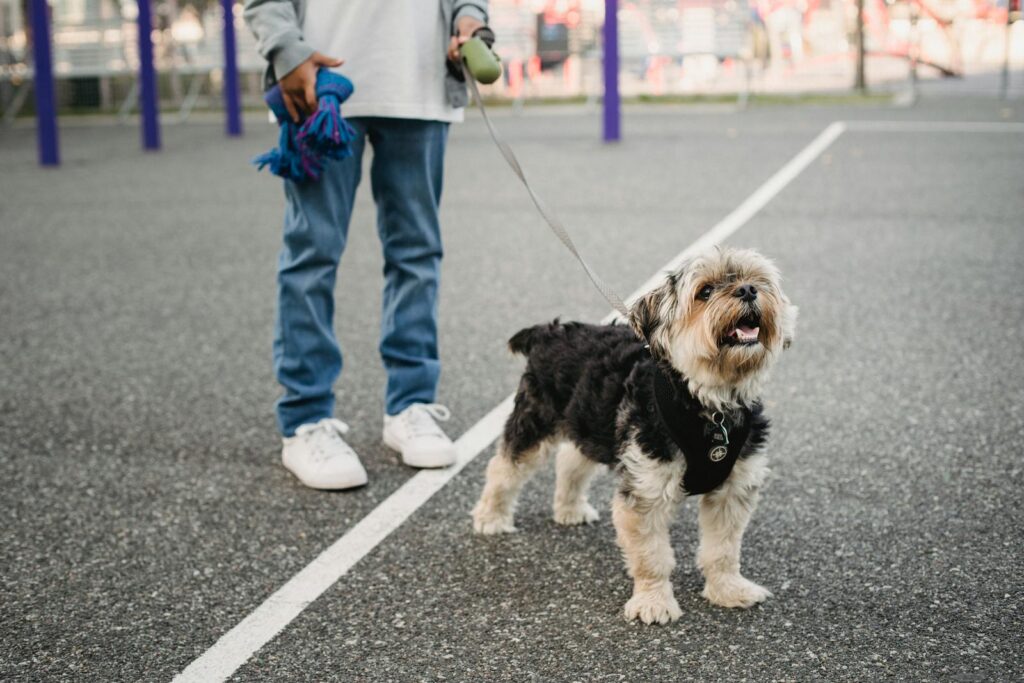
Asphalt gets extremely hot under the sun, much hotter than the air temperature. On an 85°F day, asphalt can reach up to 135°F. This can cause severe burns to your dog’s paws. Test the surface by placing your hand on the pavement for seven seconds. If it’s too hot for you, it’s too hot for your dog’s paws.
Mornings and evenings are the best time for walks because the pavement is usually more relaxed. If you must walk during peak heat times, stay in shaded areas. Consider using paw protection wax to provide an extra layer of protection.
Alternative Walking Routes and Surfaces
Choosing the right path is crucial when it’s hot outside. Grass, dirt trails, and areas with plenty of shade are much safer for your dog’s paws than hot pavement. Parks and wooded areas are excellent options as they offer natural, cooler surfaces.
Create a mental map of safe walking routes. You can also invest in protective gear like peel-and-stick paw pads, which protect against hot surfaces. Always carry water with you to keep your dog hydrated and to cool down its paws if necessary.
Staying mindful of where and when you walk your dog will help keep their paws burn-free and healthy.
Conclusion
Taking steps to protect your dog’s paws from hot pavement is crucial.
Choose early morning or late evening for walks to avoid the hottest parts of the day. This keeps your dog safe and comfortable.
Consider using paw protection wax. It creates a barrier between your dog’s paws and the hot ground, reducing the risk of burns.
Try dog boots or shoes. These can provide extra protection and prevent direct contact with hot surfaces.
Check the pavement’s temperature. Place the back of your hand on the surface for 7 seconds. If it’s too hot for your hand, it’s too hot for your dog’s paws.
Incorporate grass or shaded routes in your walks. Grass is more relaxed and more gentle on your dog’s feet.
Keep your dog’s paws moisturized. Dry paws are more susceptible to burns, so use pet-safe moisturizers regularly.
Train your dog to walk on cool surfaces. This will make their paws more rigid and more resistant to heat.
Always check your dog’s paws after walks. Look for signs of burns, cuts, or blisters.
Contact your veterinarian if you notice any injuries. They can provide the best care and advice for treatment.
By following these simple tips, you can ensure that your dog’s paws stay safe and sound. Stay mindful of the heat, and enjoy your summer walks together!
A Call to Action
Walking your dog on hot pavements can lead to painful burns and injuries. It’s essential to take action to protect your furry friend.
Try these tips:
- Test the pavement temperature: Place your hand on the pavement. If it’s too hot for you, it’s too hot for your dog.
- Walk during more excellent times: Early morning or late evening are best.
- Use paw wax: Paw wax, like those recommended by many experts, can create a protective barrier.
Protective Gear
Consider getting protective gear for your dog:
- Booties: Dog booties can protect paws from hot surfaces.
- Paw pads: Non-slip paw pads are another great option.
Keep Paw Pads Healthy
- Check regularly: Inspect your dog’s paws for cuts or blisters.
- Moisturize: Use a paw balm to keep pads hydrated and prevent cracking.
Remember to keep your dog’s safety in mind during the hot summer months! You can find more tips and detailed information on protecting dog paws from hot pavement and other protective measures. Your dog will thank you for it!
“This website participates in the Amazon Services LLC Associates Program, an affiliate advertising program designed to provide a
means for sites to earn advertising fees by advertising and linking to Amazon.com and affiliated sites. As an Amazon Associate, I earn from qualifying purchases.”

Elizabeth Redd has been in Washington, D. C. since 1970. Welcome to "Pooch Wellness Path," your trusted guide to enhancing the well-being of your cherished furry friends. At the heart of our community lies a commitment to holistic wellness, combining comprehensive care with unconditional love.
We're here to offer you the latest nutrition, fitness, mental health, and preventive measures, lighting the way to peak health for your pet. Dive into our thriving network of dog lovers, where the happiness of our companions takes center stage.
We're all about sharing groundbreaking wellness tips and nurturing an environment where every dog thrives. Step into Pooch Wellness Path, where each joyful bark and wag is a testament to thriving health.