
Looking for the Perfect Balance of Nutrition and Taste? These Dog Recipes Have It!

Healthy Treats Your Pup Will Love
Your dog deserves tasty meals that are also good for their health. Making homemade dog food can be fun to ensure your furry friend gets the nutrients they need. Nutritious and delicious recipes can help keep your dog healthy and happy while satisfying their taste buds.
This post will find various easy-to-follow recipes using safe and beneficial dog ingredients. From hearty meals to special treats, these recipes are designed to promote your pet’s well-being. Cooking for your dog can be a rewarding experience that strengthens your bond with them.
Whether you want to whip up a quick dinner or bake some healthy snacks, you will discover options that fit your needs. Your dog will love the flavors, and you’ll feel great knowing you are providing them with wholesome food.
Understanding Your Dog’s Nutritional Needs
Knowing what nutrients your furry friend needs is essential to keep your furry friend healthy. A balanced diet includes proteins, carbohydrates, fats, vitamins, minerals, and water. Each component plays a vital role in your dog’s overall health.
Proteins and Amino Acids
Proteins are essential for your dog’s growth and development. They support muscle health and help repair tissue. Proteins are made up of amino acids, some of which are essential. This means your dog cannot produce them independently and requires them from food.
Good sources of protein for dogs include:
- Lean meats (chicken, beef, turkey)
- Fish (salmon, sardines)
- Eggs
- Dairy products (in moderation)
Your dog’s specific protein needs depend on age, size, and activity level. Puppies and active dogs often require more protein for energy and growth.
Carbohydrates and Fiber
Carbohydrates provide energy for your dog’s daily activities. They help maintain a healthy weight and digestive system. Including fiber in their diet aids digestion and keeps their bowel movements regular.
Healthy carbohydrate sources include:
- Brown rice
- Oats
- Sweet potatoes
- Fruits and vegetables (like peas and carrots)
Be mindful of the amount of carbohydrates you provide. Too many can lead to weight gain, while insufficient can make your dog sluggish.
Fats and Essential Fatty Acids
Fats are crucial for energy and support your dog’s skin and coat health. They also help absorb fat-soluble vitamins. Essential fatty acids, such as omega-3 and omega-6, reduce inflammation and promote heart health.
Healthy fat sources include:
- Fish oil
- Flaxseed oil
- Chicken fat
- Sunflower oil
When adding fats to your dog’s diet, balance them with other nutrients to avoid excess calories.
Vitamins and Minerals
Vitamins and minerals are critical in your dog’s metabolism and overall health. They support functions like immune response, bone health, and energy production. These nutrients are found in fruits, vegetables, and high-quality dog foods.
Essential vitamins and minerals include:
- Vitamin A (for vision and immune function)
- B vitamins (for energy and metabolism)
- Calcium (for strong bones)
- Zinc (for a healthy coat)
Consult a vet to determine if your dog may need specific supplements based on their diet and health status.
Hydration and Water Intake
Water is often overlooked but is the most essential nutrient for your dog. It aids in digestion, regulates body temperature, and helps transport nutrients. Make sure your dog has access to fresh water at all times.
Your dog’s water needs can vary:
- Active dogs may need more water.
- Dry or hot weather can increase their hydration needs.
To encourage water intake, you can offer wet dog food or even ice cubes as a treat.
Choosing Quality Ingredients
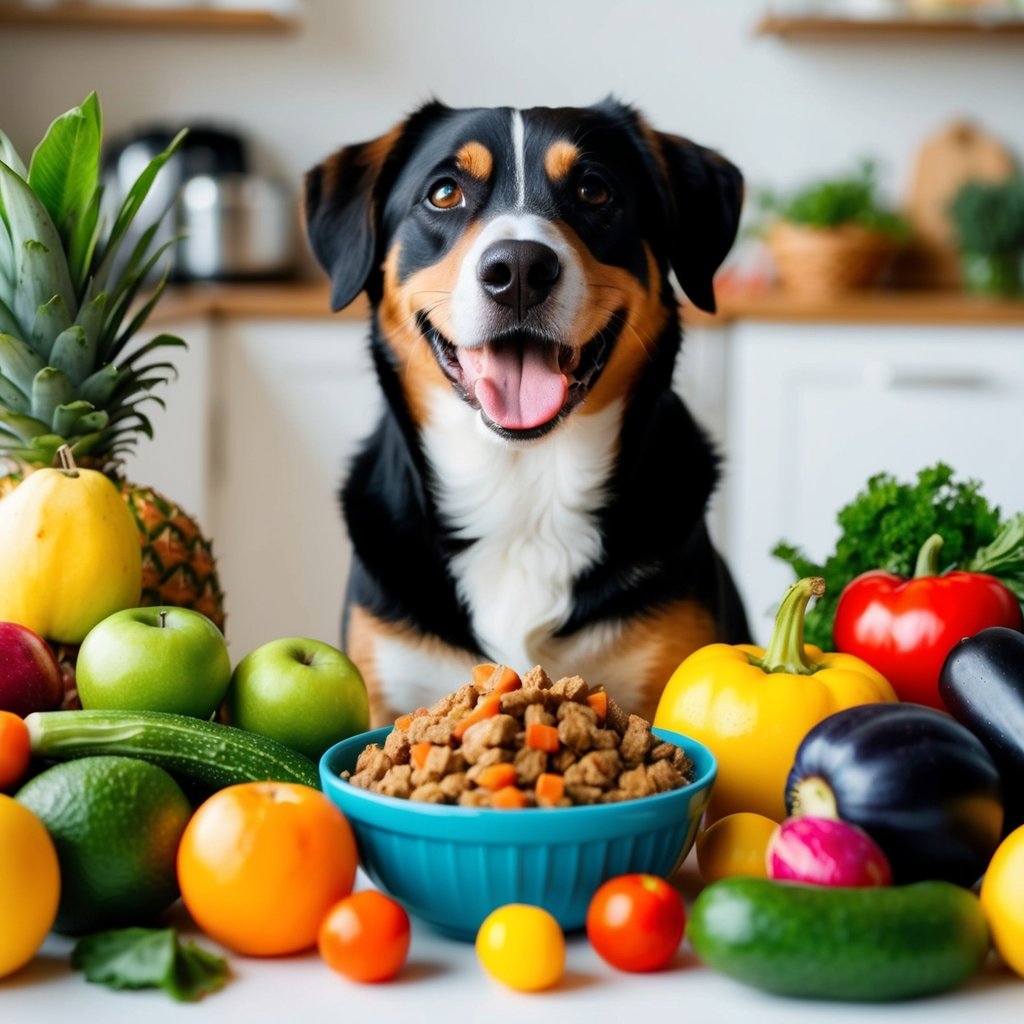
When making homemade dog food, selecting quality ingredients is essential for your dog’s health and happiness. Focusing on fresh meats, nutritious vegetables, and wholesome grains will ensure your pup gets the best nutrition.
Meat and Meat Alternatives
Meat is an integral part of your dog’s diet. It provides essential protein, which supports muscle health and energy. Standard options include chicken, beef, and turkey. These lean meats are high in nutrients and easy for dogs to digest.
If you prefer alternatives, consider options like fish or eggs. Fish is an excellent source of omega-3 fatty acids, which promote a healthy coat and skin. Eggs are also rich in protein and vitamins. Always ensure that any meat you use is fresh and free from additives.
Vegetables and Fruits
Adding vegetables and fruits to your dog’s meals can enhance its diet. Options like carrots, green beans, and peas are excellent choices. They provide fiber, vitamins, and minerals, which can help with digestion and overall health.
Fruits like blueberries and apples (without the seeds) can be delightful treats. They are also rich in antioxidants and vitamins. Remember to chop these into small, dog-friendly pieces to ensure they’re easy to eat and digest.
Healthy Grains and Legumes
Grains and legumes are valuable sources of carbohydrates. Brown rice, quinoa, and oats are nutritious grains that can provide energy. They are often accessible for dogs to digest and help maintain a healthy weight.
Legumes like lentils and chickpeas are also great options. They are rich in protein and fiber, which can help keep your dog full and satisfied while adding essential nutrients to its diet.
Avoiding Harmful Foods
While many foods are safe for dogs, some can be harmful. Avoid ingredients like chocolate, grapes, and onions. These foods can be toxic and lead to serious health issues.
Always check labels on packaged foods for hidden ingredients. Items containing artificial colors, preservatives, or fillers can be harmful. Sticking to whole, natural ingredients will keep your meals safe and healthy for your furry friend.
Creating Balanced Meals
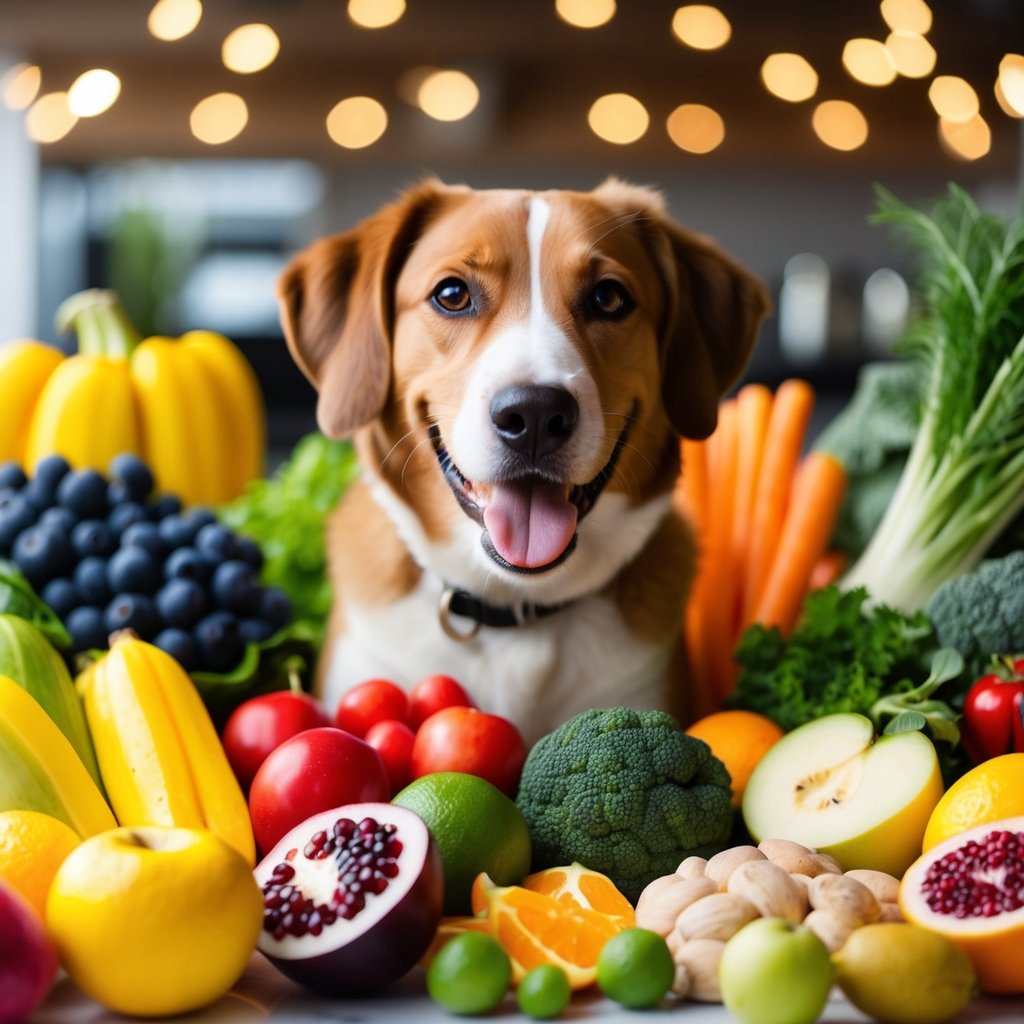
Feeding your dog requires careful planning to ensure its meals are nutritious and satisfying. Focusing on balanced ingredients can promote your dog’s overall health and well-being.
Meal Planning Strategies
Start by choosing high-quality ingredients. Incorporate protein sources like chicken, beef, or fish. Add vegetables such as carrots, peas, or spinach for essential vitamins.
When making meals, include a mix of carbohydrates, proteins, and fats. Brown rice or quinoa are excellent choices for carbohydrates. Consider rotating proteins and veggies to keep things interesting for your dog.
Use recipes recommended by veterinarians to ensure nutritional balance. For ideas, reference websites like The Spruce Pets. Remember your dog’s dietary restrictions and consult your vet for personalized advice.
Portion Control and Feeding Frequency
Portion control is key to maintaining a healthy weight in dogs. Follow guidelines based on your dog’s size, age, and level of physical activity. Generally, smaller breeds need less food than larger breeds.
Divide daily food intake into two or three meals. This method prevents overeating and aids digestion. To ensure accuracy, weigh the food, so consider using a kitchen scale.
You can also monitor your dog’s weight regularly. Adjust portions if your dog is gaining or losing too much weight. Monitor their energy levels and activity to determine if any changes are needed.
Supplements and Add-ins
Sometimes, homemade meals lack certain nutrients. Supplements can help bridge the gap. Consult your vet on what might be necessary for your dog.
Joint supplements include omega fatty acids for a shiny coat and probiotics for digestive health. You can also explore add-ins like plain pumpkin or sweet potatoes for fiber.
When incorporating supplements, start with small amounts and watch for any reactions. You want to ensure these additions enhance your dog’s diet, not complicate it.
Tasty Recipe Ideas
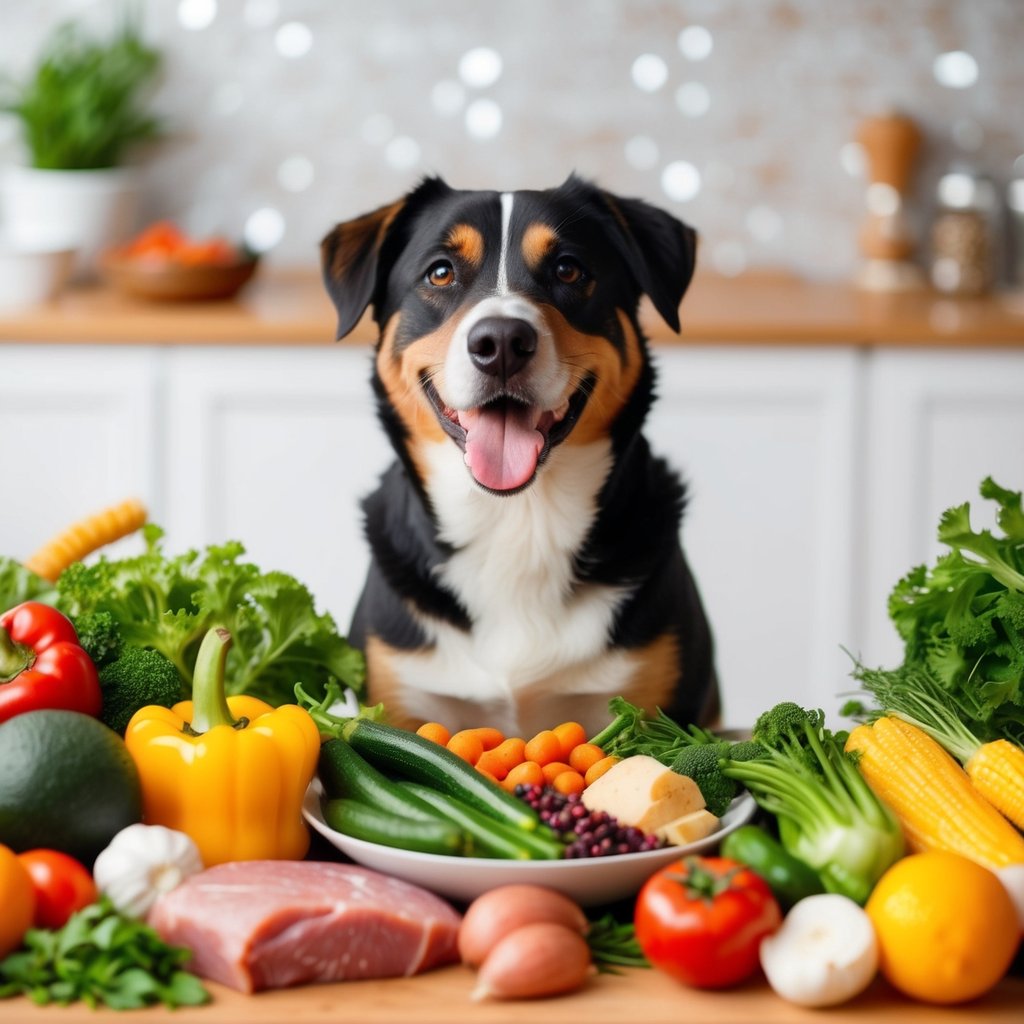
Making delicious meals and snacks for your dog can be fun and rewarding. Here are some ideas that cater to various needs and preferences.
Homemade Meals and Treats
Prepare tasty meals that are both nutritious and easy to make. For a hearty option, try a simple beef dinner. Combine 5 pounds of lean ground beef, 2.5 cups of brown rice, and 3 cups of mixed vegetables.
You can also create a savory chicken dish by mixing chopped chicken, sweet potatoes, and carrots. Cook these ingredients until everything is tender, then serve your dog a warm bowl of goodness.
Don’t forget about treats! You can make dog biscuits by mixing oats, peanut butter, and whole wheat flour. Shape the mixture into small cookies and bake until golden.
Special Diet Recipes
You can still whip up some delightful recipes if your dog has specific dietary needs. For a low-fat meal, make a turkey and vegetable stew. Use 3 pounds of ground turkey, carrots, green beans, and brown rice.
Another great recipe is a pumpkin and quinoa dish. Combine cooked quinoa, mashed pumpkin, and spinach for a dish rich in vitamins and fiber.
Check with your vet to see if these recipes fit your dog’s special diet. You can customize these meals to fit their nutritional requirements.
Quick and Easy Snacks
When you’re short on time, there are simple snacks your dog will love. One quick option is frozen yogurt drops. Mix plain yogurt with peanut butter and spoon small amounts onto a baking sheet. Freeze until solid for a refreshing treat.
Another easy snack is carrot sticks. These are crunchy, fun to chew, and packed with vitamins. You can stuff them with a little bit of peanut butter for an extra treat.
Lastly, consider blending bananas with oats and baking them into chewy bites. These snacks are quick to prepare and will surely delight your furry friend!
Feeding for Life Stages
Your dog’s nutritional needs change as it grows. Providing the proper diet at each stage of life is essential. Let’s explore how to feed your puppy, adult dog, and senior dog to keep them healthy and happy.
Puppy Nutrition
Puppies need special attention to their diet. They overgrow and require more calories, protein, and fat than adult dogs.
Key Nutrients:
- Protein: Supports growth and muscle development. Look for meals with high-quality meat sources like chicken or beef.
- Fat: Provides energy and helps with brain development. A good fat source is fish oil.
- Vitamins and Minerals: These are essential for bone health. Ensure their food includes calcium, phosphorus, and vitamins A and D.
Feeding puppies requires several small meals throughout the day. Aim for four to six meals until they’re six months old; then, you can reduce it to two or three meals daily.
Adult Dog Maintenance
Once dogs reach adulthood, their energy and nutritional needs stabilize. Adult dog food should contain balanced nutrients to maintain their health.
Important Components:
- Protein is still essential, but the amount may be lower than in puppy food. Look for a food with at least 18% protein.
- Fats: Keep healthy fats in their diet; around 8-15% is adequate.
- Fiber: Supports digestion; includes food with whole grains and vegetables.
Most adult dogs do well with two meals a day. Monitor their weight and adjust portions based on their activity level. Regular exercise and a balanced diet are vital for maintaining their health.
Senior Dog Care
As dogs age, their metabolism slows down. Senior dogs often require fewer calories, but keeping their meals nutrient-rich is essential.
Focus Areas:
- Lower Calories: To prevent weight gain, choose senior-specific food that is lower in fat.
- Joint Support: Ingredients like glucosamine and chondroitin can promote joint health in older dogs.
- Easily Digested Ingredients: Choose gentle formulas for their stomachs, such as those with fewer fillers and more natural ingredients.
Feeding senior dogs usually means two meals a day. Please pay attention to their dental health, as chewing can become difficult. Soft food might be a good option if you notice any issues.
Conclusion
Creating nutritious and delicious meals for your dog can be fun and rewarding. Mix various ingredients to ensure your furry friend gets a balanced diet.
Consider using proteins like chicken and fish and vegetables like carrots and peas. You can also add healthy grains like rice or oats.
A simple recipe might include:
- Protein: Chicken or fish
- Veggies: Carrots, green beans, or sweet potatoes
- Grains: Brown rice or quinoa
Remember to keep portions suitable for your dog’s size and energy level.
Always check with your vet before significantly changing your dog’s diet. They can help you tailor recipes to fit your dog’s specific needs.
Enjoy the time spent cooking for your pup. Watching them enjoy the tasty meals you prepare will brighten your day!
A Call to Action
Are you ready to treat your dog to nutritious meals? Making homemade dog food is a great way to ensure your furry friend gets all the necessary vitamins and minerals.
Start by choosing a few simple recipes. You can find easy-to-follow plans that your dog will love. Consider these options:
- Beef and Rice Dinner: A healthy mix of lean beef and brown rice.
- Chicken and Veggies: Use cooked chicken with green beans and carrots.
- Fish Feast: Try recipes featuring cod for a nutritious protein source.
Gather the ingredients and prep ahead of time. You can make and freeze larger batches, so you always have meals ready for your pup.
Remember to include your veterinarian in the process. They can guide you on proper nutrition and ensure your dog stays healthy.
Share your creations with other dog owners. Let them know how much your dog enjoys the homemade meals! It’s a fun way to connect and swap recipes.
Why not start today? Look up a few recipes and get cooking. Your dog will be excited about mealtime, knowing you made it special for them.
Discover the secret to a happier, healthier pet!
Are you curious to know more? Click here to unveil the ultimate pet care essential:
Don’t miss out—your pet will love you for it!
Here are five physical products related to *Nutritious and Delicious Recipes for Dogs* that you may be interested in:
The Healthy Dog Cookbook: 50 Nutritious & Delicious Recipes
A fantastic cookbook offering 50 recipes designed to keep your dog healthy with wholesome ingredients.
Check The Price on Amazon
Homemade Healthy Dog Food Cookbook: 2-in-1 Guide -Healthy-Dog-Food-Cookbook
This book combines nutrition tips with 160 easy recipes to promote balanced dog meals. Check The Price on Amazon
Slow Cooker Dog Food Cookbook: Vet-Approved Meals Slow-Cooker-Dog-Food-Cookbook/
Create delicious meals effortlessly using a slow cooker with recipes crafted by vets. Check The Price on Amazon
The Dog-Gone Good Cookbook: 100 Easy Recipes for Dogs
This fun, healthy cookbook features meals dogs, and their owners can enjoy together. Check The Price on Amazon
Instant Pot Dog Food Cookbook: 30-Day Meal Plan An Instant Pot guide packed with over 60 recipes and a month-long meal plan to nourish your pup. Check The Price on Amazon
This website participates in the Amazon Services LLC Associates Program, an affiliate advertising program designed to provide a means for sites to earn advertising fees by advertising and linking to Amazon.com and affiliated sites. As an Amazon Associate, I earn from qualifying purchases.

Elizabeth Redd has been in Washington, D. C. since 1970. Welcome to "Pooch Wellness Path," your trusted guide to enhancing the well-being of your cherished furry friends. At the heart of our community lies a commitment to holistic wellness, combining comprehensive care with unconditional love.
We're here to offer you the latest nutrition, fitness, mental health, and preventive measures, lighting the way to peak health for your pet. Dive into our thriving network of dog lovers, where the happiness of our companions takes center stage.
We're all about sharing groundbreaking wellness tips and nurturing an environment where every dog thrives. Step into Pooch Wellness Path, where each joyful bark and wag is a testament to thriving health.

