
Is Salt Slowly Affecting Your Dog’s Health? Find Out Now!

Regarding your furry friend’s diet, you might wonder about the impact of salty foods. You already know moderation is vital, but how significant is salt for dogs? Feeding dogs salty foods in excess can lead to health problems like dehydration, kidney damage, and even salt toxicity. Understanding this can help you manage your dog’s sodium intake.
Imagine you’re preparing a meal, and your pup looks up at you with those adorable eyes, hoping for a taste. While it’s tempting to share, it’s essential to be cautious about foods high in salt.
Salt is necessary in small amounts to help regulate body fluids and support organ function, similar to how it works in humans. Most commercial dog foods are formulated to provide just the right amount of sodium, keeping your dog healthy without worrying.
While sharing a tiny piece of your salty snack might not cause immediate harm, consistent exposure to high salt levels can seriously affect your dog’s health.
Alternatives like low-sodium treats or hydrating options like low-sodium bone broth can benefit your pet. By making informed choices, you ensure your dog stays happy and healthy. Check out more on low-sodium options at Volhard Dog Nutrition.
Understanding Dogs’ Nutritional Needs
Dogs require a consistent balance of essential nutrients to maintain optimal health. The importance of a balanced diet, variations in nutritional needs among different breeds, and the risks of failing to meet these needs are vital areas to consider.
Importance of Balanced Diet
A well-balanced diet is vital for your dog’s health. Like humans, dogs need the right proportions of protein, fats, carbohydrates, vitamins, and minerals. Protein is crucial for muscle development and repair, while fats provide energy and aid in absorbing vitamins.
Carbohydrates supply energy, while nutrients like vitamins and minerals support immune function and bone health. Ensuring each meal is balanced helps strengthen your dog’s immune system and promote overall vitality. Providing variety can prevent deficiencies and cater to your dog’s specific requirements.
Specific Needs of Different Dog Breeds
Different breeds have varying nutritional needs. Smaller breeds often require higher calorie intake relative to their size, while larger breeds may need diets focused on joint health. For example, a breed like the Dachshund is prone to obesity, so a diet lower in calories might be beneficial.
In contrast, working breeds such as Border Collies might need higher-energy foods to sustain active lifestyles. Recognizing these distinctions ensures your dog receives the appropriate nutrients tailored to its breed-specific needs. Consult your vet to make necessary adjustments to suit your dog’s breed and activity level.
Risks of Imbalanced Nutrition
An imbalanced diet can lead to several health issues in dogs. Excessive salt can result in salt toxicity, leading to dehydration and even kidney damage. Overfeeding can cause obesity while underfeeding can result in malnutrition and weakened immunity.
Diets deficient in vital nutrients may cause developmental issues, particularly in puppies. Moreover, continual feeding of an improper diet could lead to chronic problems, such as heart disease or diabetes. Regularly assessing your dog’s health and consulting with a vet for dietary advice helps you navigate and prevent these potential risks.
Sodium in Dog Foods
Sodium is crucial to your dog’s diet, offering benefits like maintaining cellular functions. However, monitoring sodium levels in commercial dog foods is essential, as some may exceed recommended limits. Learn how to read dog food labels to make informed choices.
Role of Sodium in Canine Diets
Sodium helps maintain fluid balance, supports nerve signal transmission, and ensures muscle contractions. It also aids in nutrient absorption and helps regulate blood pressure.
Your dog needs sodium, but managing the amount they consume is essential. Providing the right balance contributes to overall health, whereas excessive intake can lead to health issues. Monitoring sodium intake is crucial, especially for smaller dogs or those with existing health problems.
Sodium Content in Commercial Dog Foods
Commercial dog foods often vary significantly in their sodium content. While the AAFCO recommends a minimum of 0.06% sodium in dry food for adult dogs, many brands exceed this guideline. Some dog foods may contain much higher levels, potentially leading to health concerns. Choosing products with controlled sodium levels can help support your dog’s health, preventing dehydration or hypertension.
Reading Dog Food Labels for Sodium Information
When checking dog food labels, looking for sodium content per serving is essential. Labels typically list sodium as a percentage or in milligrams.
Look for foods with controlled sodium levels, ideally within recommended guidelines. Pay attention to ingredients like “sodium chloride” and scan for other salts or additives. Making informed choices based on label information can significantly impact your dog’s well-being.
Potential Health Effects of High Salt Intake

High salt intake in dogs can lead to several health complications, including dehydration, salt toxicity, and chronic conditions. Understanding these effects is crucial to ensuring your furry friend remains healthy and happy by managing their salt intake appropriately.
Dehydration and Excessive Thirst
When your dog consumes too much salt, it may become extremely thirsty. This thirst is due to the body needing more water to balance the salts present. Dehydration is a risk if your dog doesn’t drink enough water afterward.
You might notice increased urination as the body tries to expel the excess salt. Keep an eye on your dog’s water bowl, ensuring it’s always filled to help counteract potential dehydration.
Salt Toxicity in Dogs
Salt toxicity is a severe condition that can occur if a dog ingests excessive amounts of salt. Symptoms might include vomiting, diarrhea, tremors, seizures, or even coma.
It’s essential to act quickly if you suspect salt toxicity. Contact your vet immediately if you observe these symptoms, as salt poisoning can be life-threatening. Always store salty foods and products out of reach from curious paws to prevent accidental ingestion.
Chronic Health Conditions Associated with High Salt Intake
Over time, a diet high in salt can contribute to chronic health issues. High blood pressure is one such condition that may develop, which could negatively impact the heart and kidneys.
A consistently high-sodium diet can also strain these organs, leading to potential long-term damage. Monitoring your dog’s salt intake helps mitigate these risks, keeping your pet healthy. For peace of mind, consider discussing your dog’s diet with a veterinarian to tailor it to their needs.
Recognizing Symptoms of Salt Overconsumption
Feeding your dog foods high in salt can lead to immediate and long-term health issues. Spotting the signs early can help prevent serious health complications.
Immediate Signs of Salt Poisoning
If your dog consumes too much salt, you might observe symptoms reasonably quickly. Vomiting and diarrhea are common reactions as the body attempts to expel the excess salt. Your dog might also experience excessive thirst and urination, as salt draws fluid from the cells, prompting dehydration.
Other signs include lethargy and a lack of appetite. If salt levels in the body become dangerously high, more severe symptoms like muscle tremors, seizures, or confusion can occur. In such cases, immediate veterinary attention is crucial to ensure your dog’s well-being.
Long-Term Health Indicators to Monitor
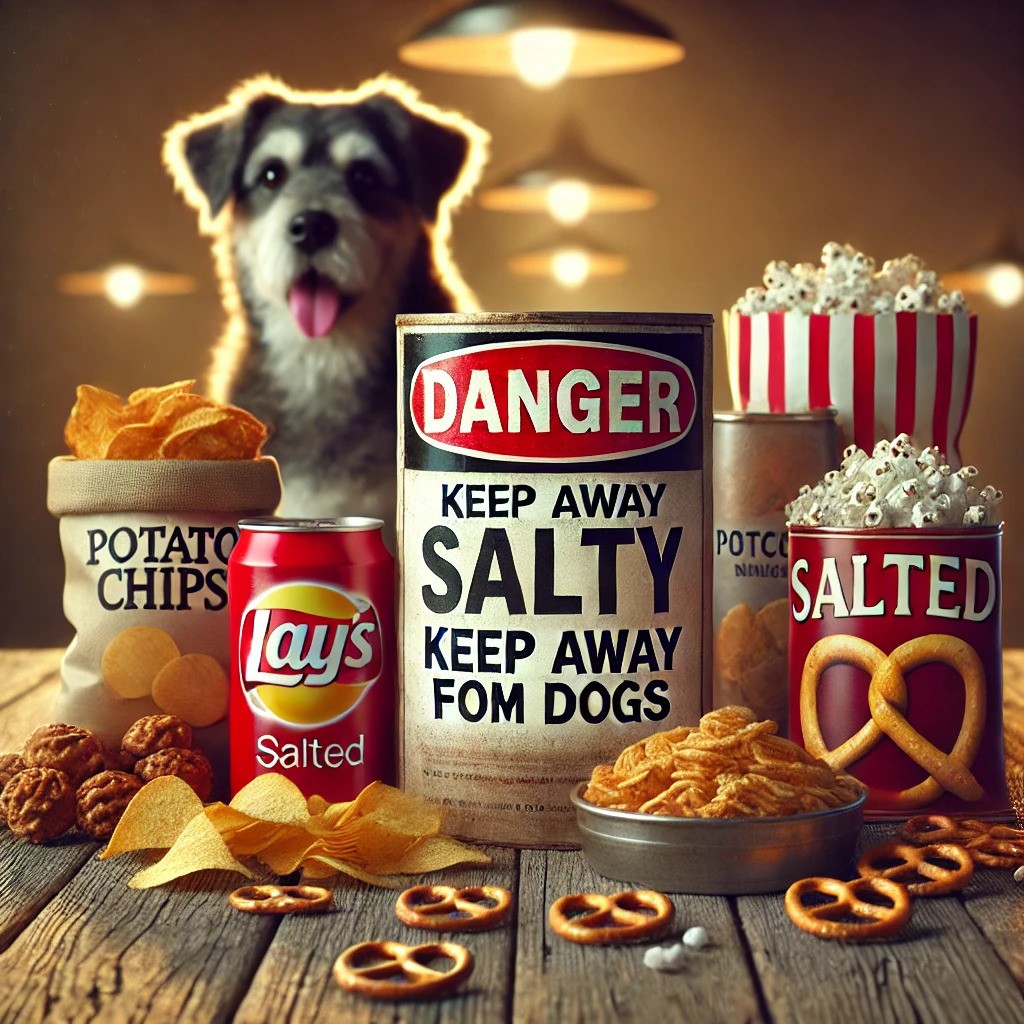
Overconsumption of salt can also lead to long-term health problems for your furry friend. Long-term exposure can contribute to high blood pressure and may worsen preexisting heart conditions, making your dog more susceptible to future heart problems. Monitoring for persistent symptoms of fatigue or lethargy can also be important in spotting chronic issues.
You may also notice changes in your dog’s behavior or overall condition over time. Observing persistent symptoms like restlessness or weakness and unexpected weight loss can assist in identifying chronic salt-related issues. If any chronic symptoms are observed, it’s advisable to consult with your veterinarian for a comprehensive check-up.
Preventive Measures and Proper Feeding
Feeding your dog the correct diet is essential to its health, especially considering its sodium content. It’s crucial to select low-sodium dog foods, know which human foods are safe, and create a balanced diet plan to prevent health issues related to high salt intake.
Choosing Low-Sodium Dog Foods
Look for dog foods specifically labeled as low-sodium. These products help maintain your dog’s heart and kidney health by minimizing salt intake. Check the ingredient list and choose brands that use natural preservatives instead of salt.
Beware of treats and snacks, as they can be sneaky sources of sodium.
A few trusted brands offer formulations with minimal salt content, helping you manage your dog’s dietary needs effectively. Consulting with your veterinarian can also help you choose the right food for your pet.
Safe Human Foods for Dogs
While many human foods are high in salt, some are safe for your dog in moderation. Fruits like apples and blueberries are excellent low-sodium treats, and vegetables such as carrots and broccoli can also make healthy snacks.
Avoid processed foods, as they often contain added salt. If they are unsalted, lean proteins like cooked chicken or turkey breast are good choices.
Always be cautious and gradually introduce new human foods to your dog’s diet to avoid digestive issues.
Creating a Balanced Diet Plan
To maintain your dog’s health, you should develop a balanced diet plan that involves a mix of proteins, carbohydrates, fats, vitamins, and minerals. Calculate how much your dog needs based on its size, age, and activity level.
Regularly weigh your dog to ensure it maintains a healthy weight, adjusting portions as necessary. Use consistent feeding schedules. If your dog has specific health concerns, talk to your vet to tailor its diet further.
Supplement their diet with omega-3 fatty acids for added health benefits, and always provide fresh water, especially if they are on a low-sodium diet.
Treatment and Management
When your dog consumes too much salt, immediate action is essential to prevent serious health issues. This section will guide you through first-aid measures, veterinary procedures, and long-term management.
First-Aid for Salt Poisoning
If you suspect salt poisoning, ensure your dog can access plenty of fresh water. This helps dilute the salt in their system and may alleviate symptoms like excessive thirst and urination.
Monitor your dog closely for any changes in behavior, such as vomiting, diarrhea, or tremors. If symptoms persist or worsen, contact a veterinarian immediately. Avoid inducing vomiting unless specifically instructed by a professional, as it might cause further complications.
Veterinary Interventions for Salty Food Ingestion
Veterinary care often involves administering IV fluids to rehydrate dogs and restore electrolyte balance. These fluids help flush out excess salt and prevent dehydration, ensuring dogs quickly return to normal renal function.
In severe cases, the vet might perform blood tests to assess the extent of sodium imbalance. Medications may also be prescribed to address neurological symptoms or other complications that may arise. Your vet will guide you on the best course of action.
Ongoing Management of Sodium-Induced Conditions
Once your dog has recovered, monitor its diet closely to prevent future incidents. Avoid salty snacks like chips or heavily seasoned foods, and opt for dog-safe treats with moderate sodium content.
Regular vet check-ups can help catch any lingering effects early, especially if there is kidney damage or other long-term concerns. Keep fresh water available at all times, and consult your vet for recommendations tailored to your dog’s specific health needs.
Consider keeping a log of your dog’s food intake to spot any patterns that could easily lead to salt poisoning.
Educational Resources for Dog Owners
Understanding the nutritional impacts of salty foods is essential to ensuring your dog’s healthy life. Numerous resources, including informative books, articles, interactive workshops, and seminars, are available to guide you.
Books and Articles on Canine Nutrition
Books and articles are indispensable for learning about your dog’s dietary needs. Look for titles written by veterinary experts and canine nutritionists. “Does Salt Affect a Dog’s Kidneys? The Surprisingho offers authoritative advice. Publications like “Canine Nutrigenomics” focus on holistic approaches to pet nutrition, exploring how food affects your dog’s health.
Popular websites, such as the American Kennel Club, offer articles addressing the effects of various ingredients, including salt, on dogs. These resources provide insight into how certain foods can impact your dog’s health, helping you make informed decisions.
Homemade Healthy Dog Food Cookbook
This book is for dog owners who want to ensure their pets enjoy a balanced and nutritious diet free from unwanted ingredients.

Unlock the secrets to a happier, healthier pet with the “Homemade Healthy Dog Food Cookbook”! Imagine a world where your furry
friend thrives on wholesome, nutritious meals made right in your kitchen. With this comprehensive guide, you’ll transform your dog’s diet and, in turn, their overall well-being. Check this book on Amazon. Author Andrea Currey
Workshops and Seminars for Responsible Feeding
Workshops and seminars are interactive ways to learn about your dog’s nutrition. These events usually feature experts discussing various topics, from basic nutritional requirements to the potential dangers of salty foods.
Such events might be organized by local veterinary clinics or pet organizations that aim to spread awareness about healthy feeding practices. Participating lets you gain hands-on knowledge, ask questions, and even receive firsthand advice on creating balanced meals for your canine companion.
Conclusion
Feeding your dog salty foods can have significant effects on its health. Moderation is vital when it comes to sodium in your dog’s diet. Too much salt can lead to dehydration, kidney problems, and, in severe cases, sodium ion poisoning.
You should ensure your dog’s diet aligns with the recommended sodium levels. Adult dogs should consume a minimum of 0.06% sodium in their food. Puppies need a bit more, about 0.3%. These guidelines will help you manage your salt intake and promote good health.
Consider using low-sodium options, like bone broth, which can be a nutritious addition. This can help with hydration and provide essential nutrients. When choosing dog food, always check the label for sodium content to ensure it’s within safe limits.
A simple way to protect your dog is by avoiding salty human foods. These can quickly push their sodium levels beyond safe thresholds. Stick to dog-specific treats to maintain appropriate sodium levels.
Following these guidelines and regularly consulting your veterinarian can keep your furry friend healthy and happy. Your proactive approach can make all the difference in preventing health issues related to high salt intake.
A Call to Action
Taking care of your furry friend’s health is essential. One crucial step is being mindful of their salt intake.
Why You Should Care
- Health Risks: Excessive salt can lead to salt toxicity in dogs, causing issues like vomiting, diarrhea, and even seizures.
- Long-term Effects: Persistently high salt levels can contribute to heart disease and hypertension.
Simple Steps to Protect Your Dog
- Check Labels: Always read the ingredient list on pet food and snacks.
- Avoid Salty Treats: Say no to table scraps and snacks high in salt.
- Choose Wisely: Opt for dog foods with sodium levels recommended by organizations like the AAFCO.
Offer Alternatives
- Consider giving low-sodium options like bone broth.
- Fresh fruits and vegetables are great, healthy snacks.
- Ensure your pet has access to fresh water at all times.
Spread the Word
Talk to fellow pet owners about monitoring dogs’ salt intake. Share information on social media or community groups to raise awareness. Your knowledge could help other dogs live healthier lives.
Remember, these tiny changes make a big difference for your beloved companion’s well-being.
Attention Pet Parents!
Discover the secret to a happier, healthier pet!
Are you curious to know more? Click here to unveil the ultimate pet care essential. Don’t miss out—your pet will love you for it!

Elizabeth Redd has been in Washington, D. C. since 1970. Welcome to "Pooch Wellness Path," your trusted guide to enhancing the well-being of your cherished furry friends. At the heart of our community lies a commitment to holistic wellness, combining comprehensive care with unconditional love.
We're here to offer you the latest nutrition, fitness, mental health, and preventive measures, lighting the way to peak health for your pet. Dive into our thriving network of dog lovers, where the happiness of our companions takes center stage.
We're all about sharing groundbreaking wellness tips and nurturing an environment where every dog thrives. Step into Pooch Wellness Path, where each joyful bark and wag is a testament to thriving health.

