
Dogs have been a part of human life for thousands of years. The deep bond between humans and dogs started over 30,000 years ago when early humans began domesticating them. These early dogs, descended from wolves, gradually integrated into human societies, living and working alongside us.
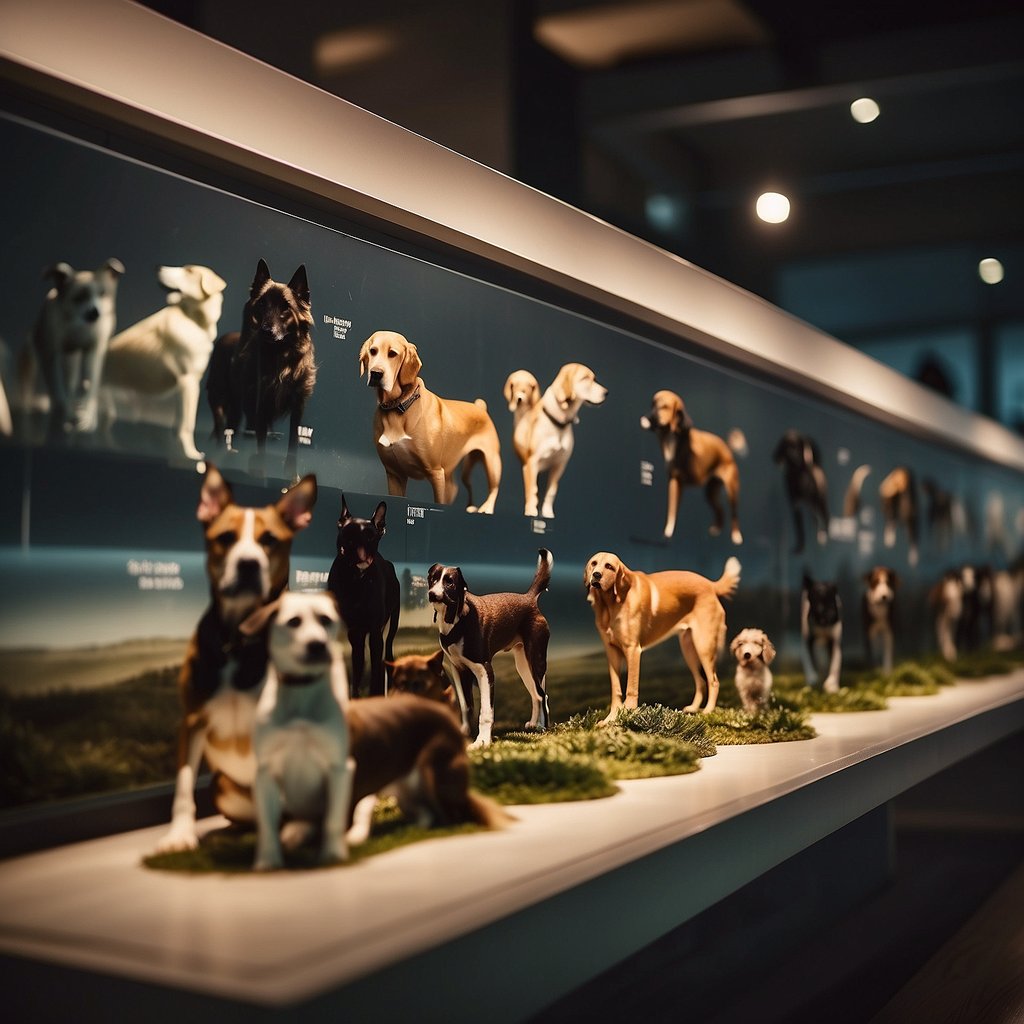
Throughout history, dogs have evolved to become pets and valuable companions aiding in hunting, farming, and protection. DNA studies reveal that as humans migrated and evolved, dogs followed closely, sharing a common ancestry with their human counterparts in regions like Sweden and the Near East.
Today, dogs are often seen as loving family members and loyal friends. This incredible journey from wild predators to household pets highlights the unique and enduring relationship that humans have shared with dogs through the ages. Explore this rich history and learn how these beautiful animals have shaped our lives and societies.
The Dawn of Dog Domestication
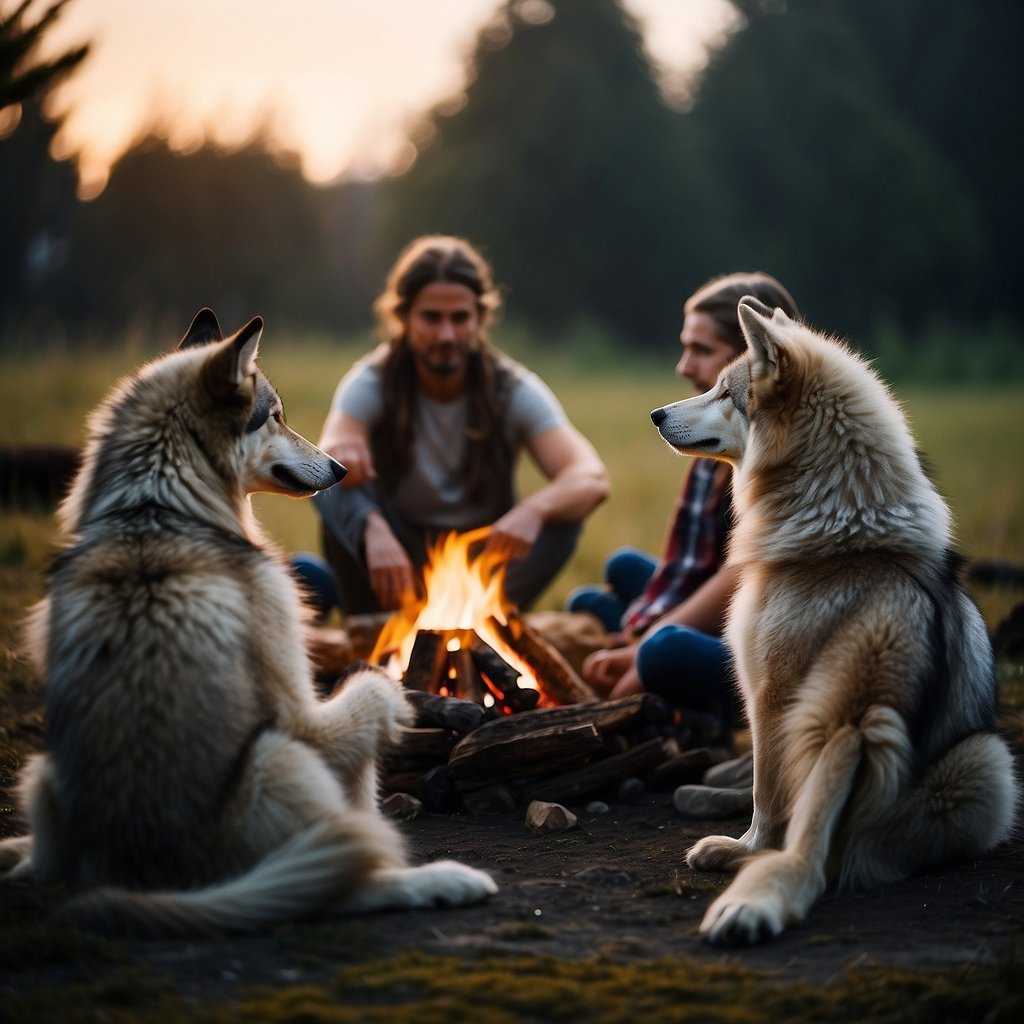
Dog domestication began thousands of years ago when wolves started interacting with humans. Relationships between early humans and canines evolved into the strong bonds we see today.
From Wolves to Companions
Domestication likely began when some wolves showed less aggression towards humans. These wolves began scavenging near human campsites for food, and humans benefited from their hunting skills. Over time, humans started to trust these wolves more, providing them with leftover food. This mutual relationship marked the first step towards domestication.
Friendly wolves were able to survive better near humans and passed on their genes. Gradually, these wolves became early domesticated dogs. Genetic studies place this process in various regions, such as Europe and Asia. It occurred between 10,000 and 40,000 years ago, showcasing a long history of evolution from predator to companion.
Early Human-Canine Relationships
Early humans formed bonds with these canines for practical reasons. Dogs helped hunt large prey, alert humans to danger, and keep campsites clean by eating leftovers. This partnership benefited both species. The relationship deepened as trust grew, leading to closer connections.
Ancient depictions and remains, like those from over 20,000 years ago, show caring relationships where humans and canines lived and hunted together. These early dogs played crucial roles in human communities, helping protect and survive. This bond was the foundation of modern dog ownership.
Cultural Significance of Dogs Through the Ages
Dogs have played essential roles in various cultures throughout history. Explore how their roles and significance have evolved in ancient civilizations, mythology, and religion.
Ancient Civilizations and Dog Roles
In Ancient Egypt, dogs were highly regarded for their loyalty and protection. They were often buried with their owners to accompany them in the afterlife. Statues and images of dogs feature prominently in Egyptian art, showcasing their revered status.
Ancient Mesopotamians also valued dogs. They were seen as protectors and associated with the healing deity goddess Gula. Dogs were believed to have therapeutic qualities and were often kept nearby during medical treatments.
In Ancient Greece, dogs were kept not only as pets but also as co-therapists in healing temples. They were thought to possess the ability to cure illnesses. This practice is a precursor to modern therapy dogs, used to help people with various conditions today.
Dogs in Mythology and Religion
Dogs appear in many mythologies and religions, illustrating their importance. In Norse mythology, the dog Garm guarded the gates of Hel, the realm of the dead. This highlights the protective role dogs played in the afterlife.
Greek mythology includes Cerberus, the three-headed dog who guarded the entrance to the underworld. This fierce creature symbolizes the protective and fearsome aspects of dogs in myths.
In Hinduism, dogs are associated with Yama, the god of death. They are believed to guard the gates of heaven and hell. Dogs are also honored during the festival of Tihar, where they are celebrated for their loyalty and service to humans.
Dogs’ roles in these religious and mythological contexts show their deep cultural significance and enduring legacy across different societies and eras.
Breeds Diversification

Dogs have undergone significant changes over time, influenced by human needs and preferences. The two significant periods of diversification include the early selection of skills and the more recent breeding of physical traits.
Selective Breeding Origins
Thousands of years ago, humans started selecting dogs for their specific skills and abilities. Early dogs were chosen for tasks requiring strength, agility, and sharp senses. These attributes were crucial for hunting, herding, and protection. As a result, dogs like the Greyhound, known for their speed, and the Border Collie, famous for their herding abilities, began to emerge.
Different regions developed breeds that suited their environments. For instance, dogs in colder climates like Siberia were bred to pull sleds, leading to breeds like the Siberian Husky. In contrast, smaller breeds like the Chihuahua were preferred in warmer areas. This early selective breeding laid the foundation for our diverse dog breeds.
The Rise of Breed Standards
A few hundred years ago, the focus of breeding shifted more towards physical traits and specific standards. This period saw the establishment of breed standards dictated by kennel clubs and breeding organizations. These standards determined the preferred characteristics of each breed, such as size, coat type, and color.
By the 19th century, dog shows became popular, emphasizing the importance of breed standards. Breeds like the Poodle and the Bulldog were refined to match specific physical appearances. These standards help maintain the distinct characteristics of each breed, ensuring they look and behave in ways that fit their historical roles.
Kennel clubs such as the American Kennel Club (AKC) have played a significant role in this process. They classify and recognize the various dog breeds, which number over 160 today. This dedication to preserving breed standards keeps breeds like the German Shepherd or the Beagle true to their defining traits.
The Expansion of Dog Ownership
Dogs have become integral to city and country life, each presenting unique challenges and benefits.
Dogs in Urban Settings
City life can be challenging for dog owners and their pets. Urban areas often have limited space, making outdoor exercise harder. Dog parks have become popular, providing designated spaces for dogs to run and play.
Urban dogs frequently encounter more interaction with strangers and other animals. This makes socialization important. Training for good behavior in crowds and around traffic keeps your dog safe. City living often means limited green spaces, so choosing a breed that adapts well to smaller living spaces is crucial.
Urban areas offer unique opportunities, too. Many cities typically have dog-friendly cafes, pet boutiques, and even dog-friendly public transportation, which makes urban life with a dog more enjoyable.
Canines in the Countryside
Owning a dog in the countryside provides more space for them to roam. Rural settings allow for long walks and off-leash adventures, making it ideal for breeds requiring much exercise.
However, countryside dogs may encounter wildlife, requiring you to protect your pet and the local fauna. Training your dog to avoid chasing wildlife is essential.
Living in the country means fewer veterinary services and pet supplies are nearby. Having a good plan for emergencies and stocking up on essentials is necessary. Nevertheless, the countryside offers a peaceful and natural environment for dogs, enhancing their quality of life.
Modern Roles of Dogs in Society
Today, dogs perform many roles in our lives. They help us in various ways, from providing assistance and comfort to engaging in sports and work tasks.
Service and Therapy Dogs
Service dogs are trained to assist people with disabilities. They can guide visually impaired individuals, alert deaf people to sounds, and help those with mobility issues by pulling wheelchairs or fetching items. These dogs undergo extensive training to perform specific tasks reliably.
Therapy dogs visit hospitals, schools, and nursing homes, offering emotional comfort and helping reduce stress and anxiety. Interacting with therapy dogs can improve mood and even lower blood pressure. Unlike service dogs, therapy dogs must be calm and friendly with many people.
Dogs in Work and Sports
Dogs continue to play key roles in various work settings. Police dogs help law enforcement detect drugs and explosives or assist in search and rescue missions. Herding dogs manage livestock on farms, ensuring the animals move as needed.
Dogs also shine in sports and competitions. Agility trials test their speed and agility, while obedience competitions focus on their ability to follow commands precisely. In dog shows, they are judged on their physical traits and behavior. For some, these sports are professional pursuits, while others enjoy them as a hobby with their pets.
Conclusion and A Call to Action
Dogs have come a long way from being wild predators to beloved pets. This journey took thousands of years, resulting in the special bond between humans and dogs today.
Take Action:
- Consider adopting a dog from a shelter. There are many dogs in need of loving homes.
- If you already own a dog, ensure you provide proper care, training, and socialization.
Importance of Responsible Ownership:
Being a responsible dog owner means more than just feeding your dog. It involves regular vet visits, exercise, and social interaction. It’s essential for your dog’s health and happiness.
Spread Awareness:
Educate others about the history and importance of dogs in our lives. You can share information from articles on dog evolution or dog domestication.
Get Involved:
Join local dog communities or groups. Participate in events and activities to learn more and help others understand the responsibilities involved in dog ownership.
Final Thought:
Your actions can make a big difference in dogs’ lives. You contribute to your pet’s well-being and the community by being a responsible and caring owner. Take the first step today!

Elizabeth Redd has been in Washington, D. C. since 1970. Welcome to "Pooch Wellness Path," your trusted guide to enhancing the well-being of your cherished furry friends. At the heart of our community lies a commitment to holistic wellness, combining comprehensive care with unconditional love.
We're here to offer you the latest nutrition, fitness, mental health, and preventive measures, lighting the way to peak health for your pet. Dive into our thriving network of dog lovers, where the happiness of our companions takes center stage.
We're all about sharing groundbreaking wellness tips and nurturing an environment where every dog thrives. Step into Pooch Wellness Path, where each joyful bark and wag is a testament to thriving health.

