Curious About Pet Illustrations? See How You Can Bring Your Beloved Pet to Life with This Easy Guide!

Have you ever considered capturing your beloved pet’s personality on paper? With the proper techniques, you can bring your furry friend to life through illustration!
In this post, you’ll follow Buttercup, an adorable Dachshund, as your guide. She will show you how to create a delightful portrait that showcases your pet’s charm and quirks.
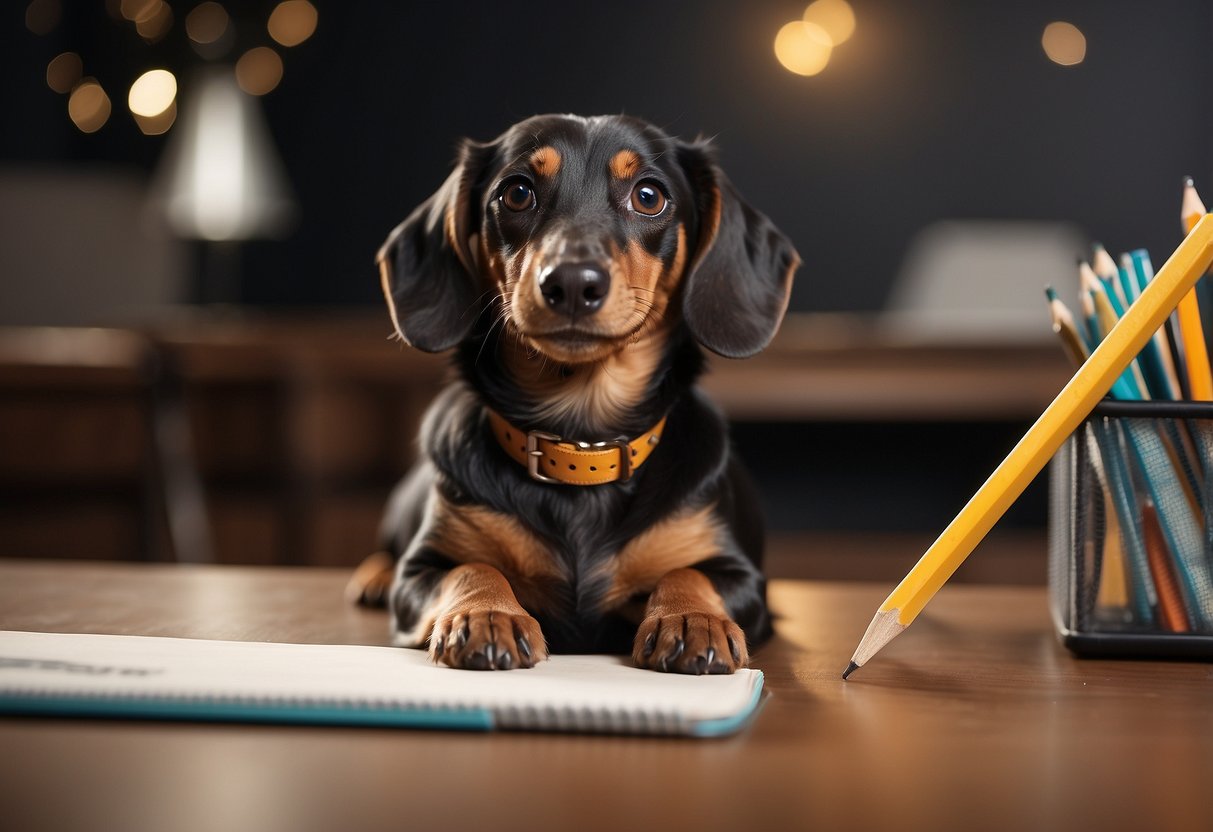
You don’t need to be a professional artist to start illustrating. All it takes is some basic materials and a bit of practice.
You’ll discover how to draw facial features, capture unique expressions, and add vibrant colors that reflect your pet’s true spirit. Get ready to unleash your creative side and have fun while doing it!
Key Takeaways
- Gather your drawing materials for an easy start to your pet illustration.
- Focus on key facial features to capture your pet’s unique personality.
- Add color and background details to make your illustration come alive.
Meet Buttercup: Your Dachshund Illustration Guide
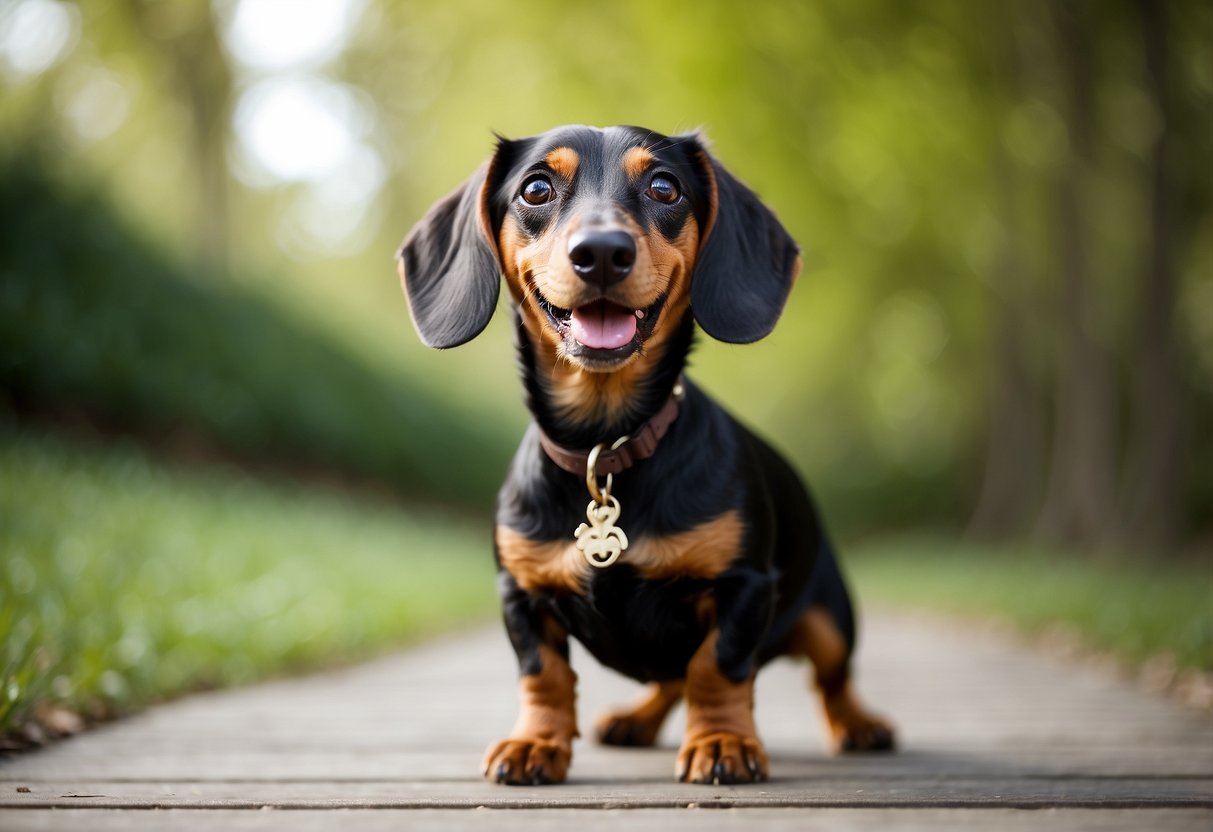
Buttercup is a perfect example of what makes Dachshunds so special. In this guide, you’ll explore how to illustrate her unique shape and capture her lively personality. These tips will help you bring your furry friend to life on paper.
Understanding Buttercup’s Unique Shape
Dachshunds are known for their long bodies and short legs. When sketching Buttercup, focus on these key features. Start with a long oval for her body, and then add smaller ovals for her legs.
Key Points to Remember:
- Long Body: Emphasize the length to show her distinctive silhouette.
- Short Legs: Make her legs shorter than you might expect; this is a signature trait.
Next, draw her head, which should be proportionate to her body. Her ears are long and floppy, an essential part of her charm. When adding details, notice how her muzzle is long and narrow. This creates that classic Dachshund look.
Capturing Buttercup’s Personality
Buttercup’s personality shines through her expressions and posture. When illustrating her, think about how she loves to play or snuggle.
Tips for Capturing Her Spirit:
- Playful Pose: Position her with her tail wagging and ears perked up, as if she’s ready for fun.
- Gentle Eyes: Focus on her eyes to convey warmth and affection, giving her a friendly look.
Consider using soft lines and cheerful colors in your illustration. This helps show Buttercup’s friendly and spirited personality. You might want to include accessories like her favorite toy or a cute collar to add character. Each detail you include can reflect her unique traits and quirks, making your illustration truly special.
Gathering Your Drawing Materials
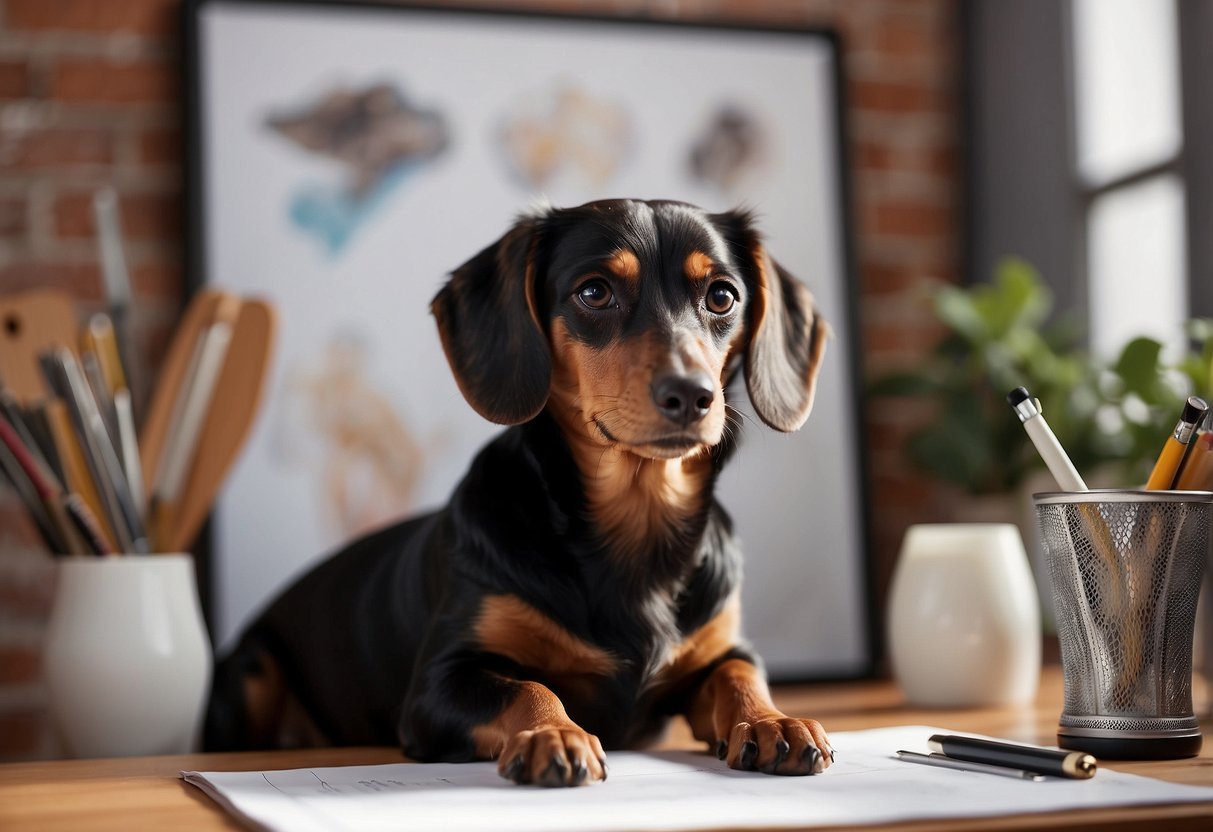
Before you start illustrating your pet, it’s essential to gather the right materials. Having the proper paper and pencils will make your drawing process smoother. Additionally, using reference photos will help you capture your pet’s unique features and personality.
Choosing the Right Paper and Pencils
Selecting the right paper and pencils can significantly affect your drawing. For best results, use smooth drawing paper with a weight of at least 200 gsm. This thickness prevents tearing and allows for better ink and pencil application.
For pencils, it’s a good idea to have a range. Start with a hard pencil (H or 2H) for light sketching. Then, use a medium pencil (B or 2B) for shading and adding depth. Finish up with a soft pencil (4B or 6B) for darker lines and shadows. By having various pencils, you can create more textures and details in your artwork.
The Importance of Reference Photos
Having clear reference photos is key to achieving a lifelike portrait of your pet. Choose images where your pet is in good lighting, showing their features clearly. Aim for photos that capture their personality and distinctive characteristics.
Consider taking multiple angles of your pet. This variety can help you understand their form and proportions better. When picking a photo, look for one that highlights their eyes and expressions. These details will help bring your drawing to life.
With the right materials and reference photos, you’re ready to start your artistic journey!
Basic Drawing Techniques
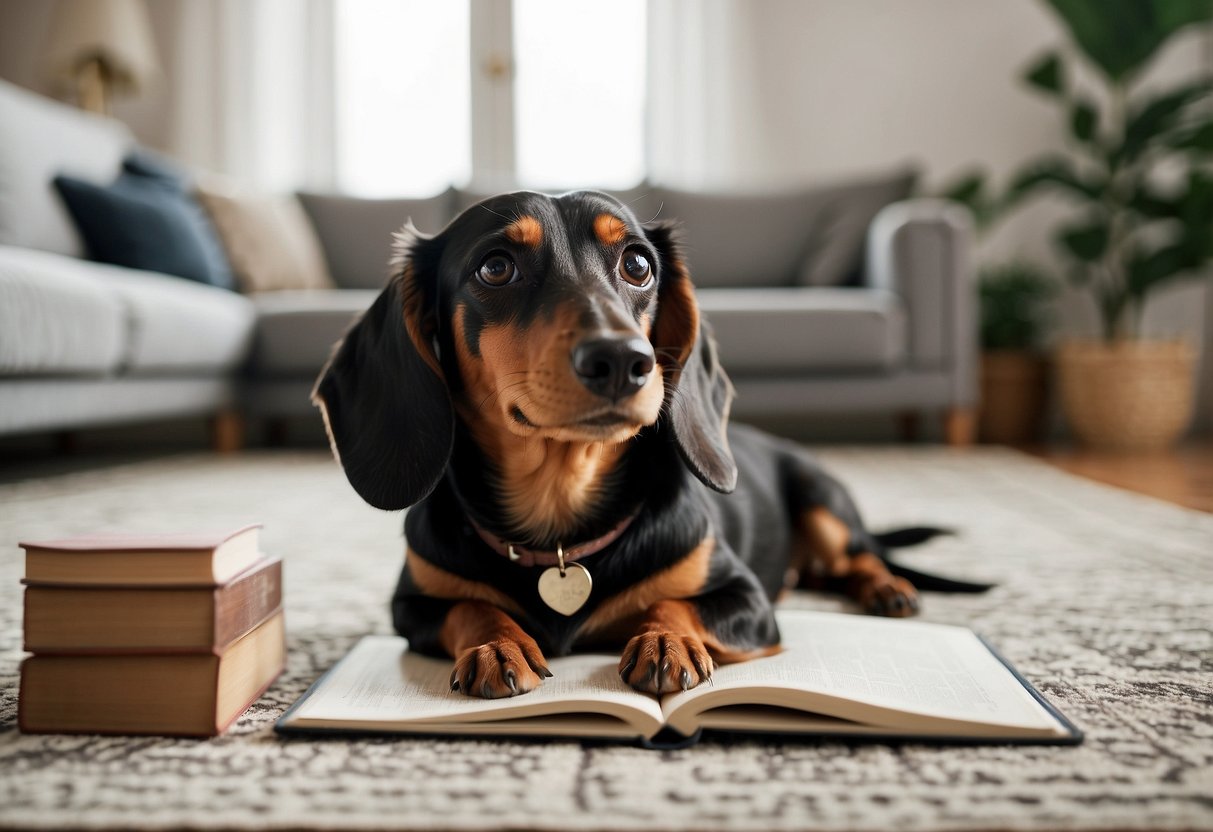
Getting started with drawing your pet can be fun and rewarding. Focus on outlining their shape and adding depth with shading to bring your pet, like Buttercup the Dachshund, to life.
Outlining Buttercup’s Silhouette
Begin by selecting a photo of Buttercup. Use it as a reference for your drawing. Start with light pencil strokes to sketch the basic shapes.
- Head and Body: Draw a circle for the head and an oval for the body.
- Limbs: Add simple lines for the legs, keeping them proportionate.
- Tail and Ears: Sketch Buttercup’s distinctive long ears and tail.
Don’t press too hard as these lines serve as a guide. Pay attention to Buttercup’s unique features, like her floppy ears and long body. Adjust the outline until you’re satisfied with the shape.
Shading and Texture Tricks
Once you have the outline, it’s time to add depth with shading and texture. This is vital for capturing Buttercup’s fluffy fur.
- Light Source: Identify where the light hits Buttercup. This will guide where to shade.
- Shading Technique: Use gentle pencil strokes to create shadows. For darker areas, press a little harder.
- Fur Texture: Use short, quick strokes to mimic the fur. Vary the direction based on where the fur naturally lies.
You can use a blending stump or your fingertip to soften the pencil marks, giving a more realistic appearance. This helps in creating the illusion of volume and depth.
Facial Features and Expressions
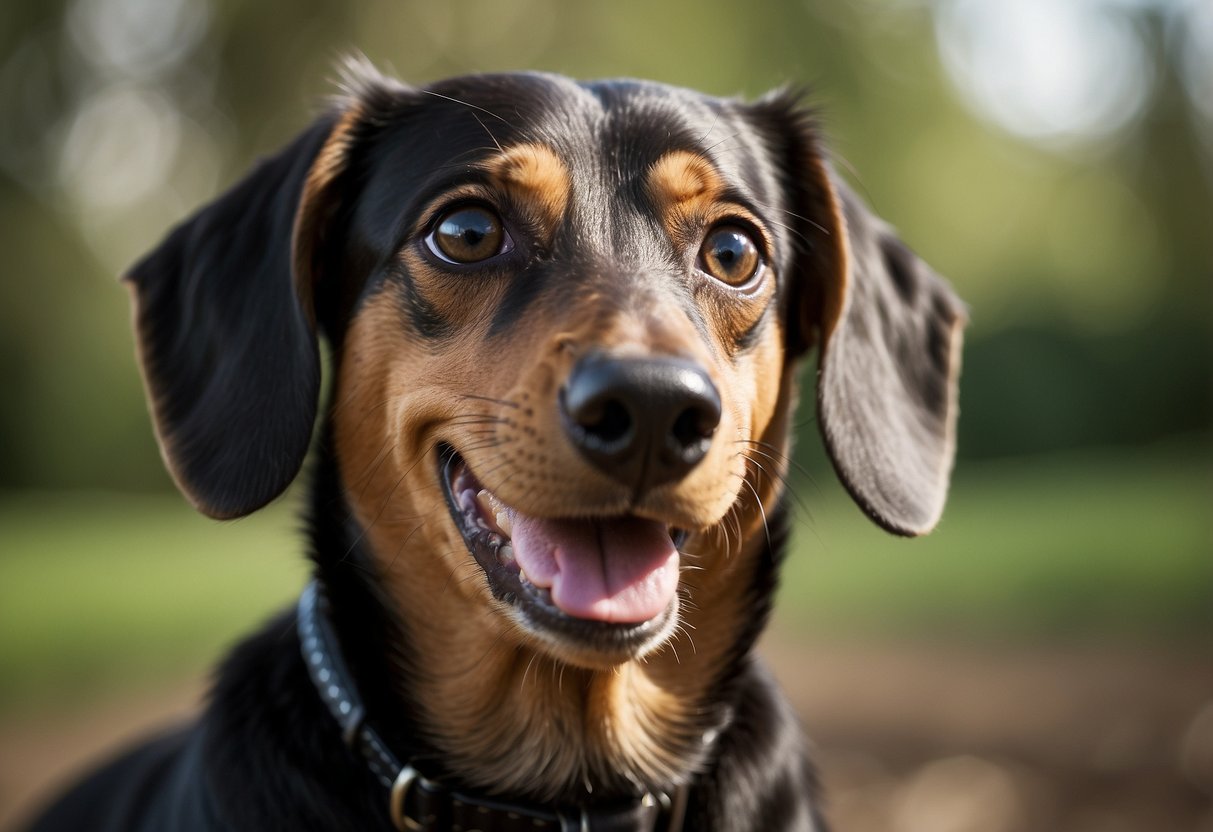
Capturing Buttercup’s unique personality starts with focusing on her facial features and expressions. This section will help you understand how to illustrate her eyes, nose, and whiskers to bring her to life on paper.
Eyes: The Window to Buttercup’s Soul
Buttercup’s eyes are full of expression. They can tell you if she is curious, playful, or sleepy. Start by observing their shape and color. Are they round, almond-shaped, or slightly squinted?
Use bold lines for the outline and soft shading to depict the depth. You can portray emotions by varying the pupils. For example, large, round pupils suggest excitement, while small pupils might show that she is feeling tense.
Don’t forget to add a little sparkle in her eyes. A small white dot or highlight can give them life. Consider the angle at which she’s looking; this can change the entire mood of your drawing.
Nose and Whiskers: Adding Delicate Details
Buttercup’s nose and whiskers add essential detail to your illustration. Her nose is often a distinct feature that sets her apart. Pay attention to its shape—whether it’s round, square, or more elongated.
Use a slightly darker shade to capture the texture of her nose. A little shine will create that realistic look. Whiskers are just as important. They give her face that charming, delicate appearance.
When drawing her whiskers, make sure to include a mix of long and short strokes. This adds a natural feel to your piece. Position them as they would appear in real life, extending out from the edges of her face. These small details will make your illustration feel complete.
Animating Buttercup’s Posture
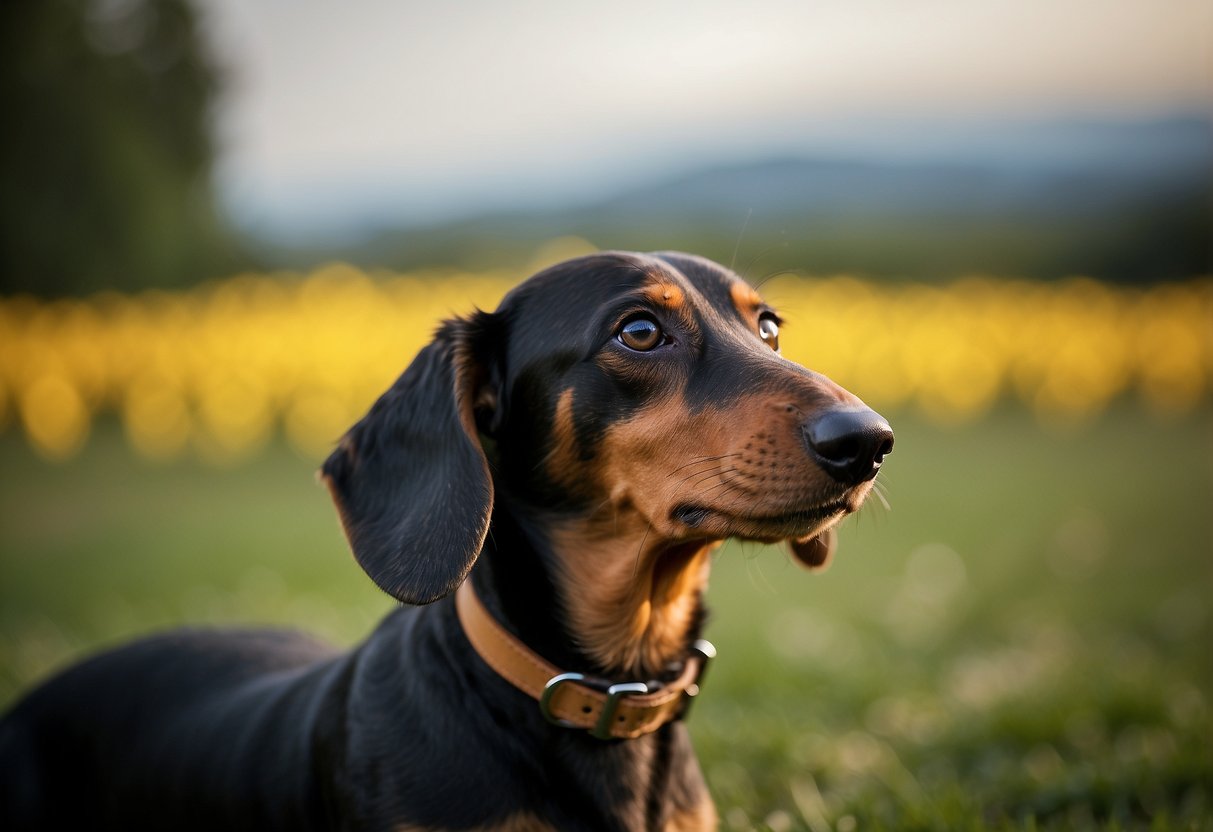
To make your animated pet character feel real, capturing the right posture is key. This part will help you achieve that Dachshund stance and illustrate their movement effectively.
Getting the Dachshund Stance Right
Start by studying the unique shape of a Dachshund. Their long bodies and short legs give them a distinctive look. Make sure to emphasize their slinky, playful stance.
- Reference Photos: Collect images of Dachshunds standing, sitting, and playing. Notice how they hold their heads and tails.
- Pose Analysis: A typical stance includes a slight bend in the back and confident posture. Imagine your pet ready to chase a toy.
When illustrating, focus on the legs. They should be proportionate to the body, showing strength without looking overly stiff.
Illustrating Movement and Motion
Movement should feel natural. Know that Dachshunds have a playful bounce. Capture this energy in your animation.
- Key Frames: Start with key positions. For example, the starting point of a jump or the stretch before a run.
- In-Between Frames: Fill in frames to smooth out the motion. This adds life to your character.
Consider using curves to show fluidity. Sharp angles can make movement look robotic.
By blending these elements, you can create a lively effect that truly brings your Dachshund to life!
Adding Color and Life
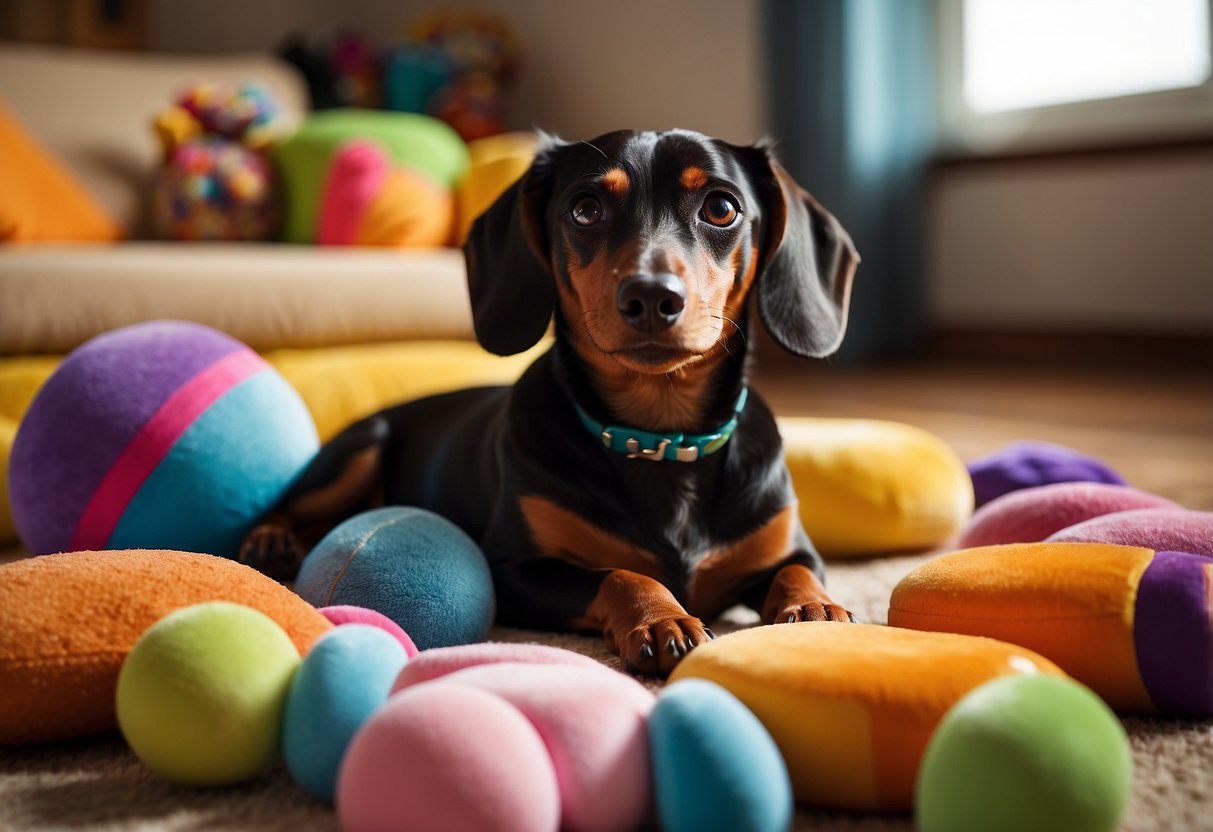
Bringing bright colors to your pet’s portrait adds personality and vibrancy. Choosing the right colors and using effective techniques will make your artwork pop. Let’s explore how to select your color palette and the best methods for realistic coloring.
Selecting a Color Palette
Choosing a color palette is a vital step. Start by studying your pet’s fur color. Use a variety of shades for depth. For example, a brown dog might have dark brown, medium brown, and light tan.
Pick complementary colors for the background. These enhance your pet’s image. If your pet is dark, a light background can help them stand out.
You can create a color palette by:
- Collecting color swatches from online resources or nature.
- Using color wheel tools for guidance on complementary shades.
- Swatching colors on paper before applying them to your painting.
Techniques for Realistic Coloring
To achieve a lifelike look, layering colors is key. Begin with a base color, then gradually build up with darker and lighter shades. This technique adds texture and depth.
Blending is important for smooth transitions. Use a dry brush or a blending tool to merge colors softly. Take your time and let each layer dry fully. This prevents muddy colors.
Don’t forget about highlights! Add lighter tones on fur where light naturally hits. This makes your pet look more three-dimensional.
Experiment with different brush sizes for details like fur strokes. Use smaller brushes for fine details and larger ones for broader areas. Your effort in these techniques will truly bring your furry friend to life!
Background and Environment
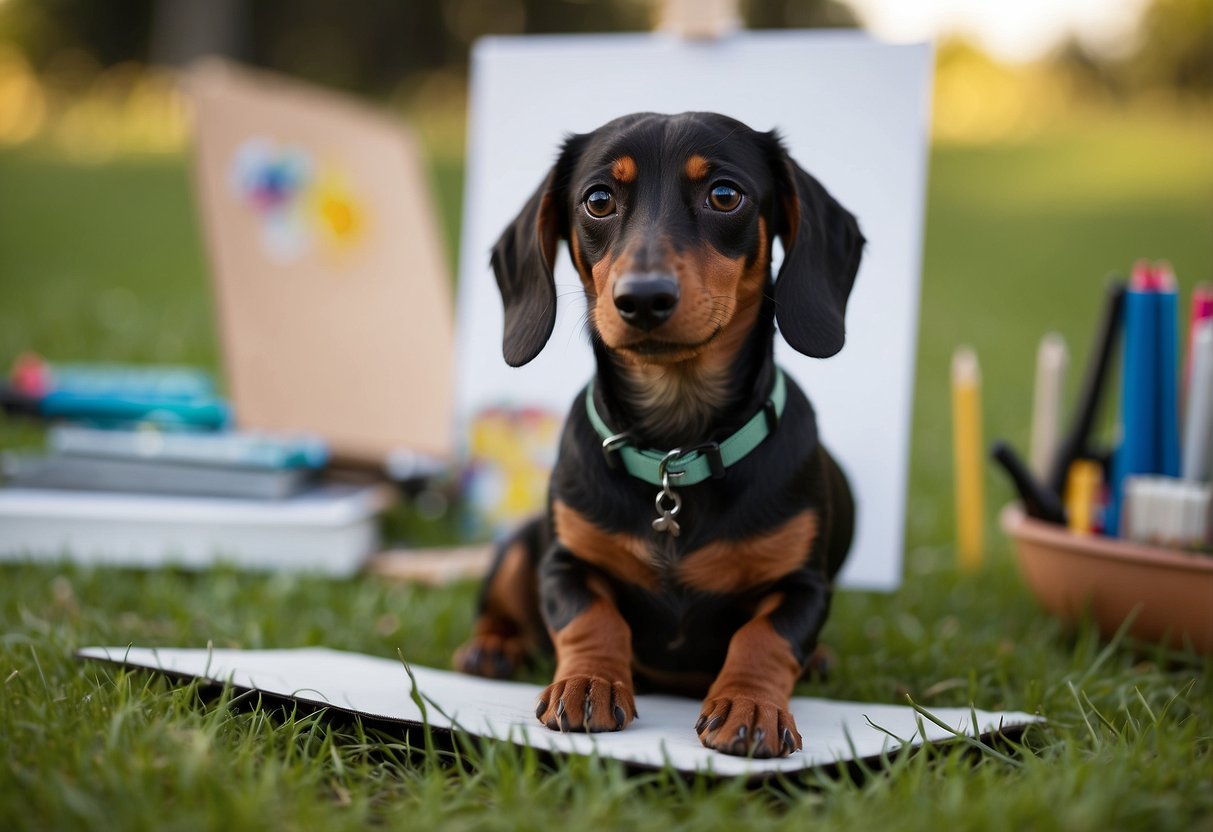
Creating a captivating background is essential to showcase Buttercup’s personality. It adds depth to your illustration and helps bring your furry friend to life. By focusing on specific elements, you can create a scene that enhances your artwork.
Setting the Scene for Buttercup
When illustrating Buttercup, think about the setting that reflects his character. A cozy living room with toys scattered about can showcase his playful side. Alternatively, a sunlit garden can highlight his love for the outdoors.
Consider using a light-colored background to make Buttercup’s features pop. A blurred background can also create emphasis on him. Use complementary colors for the environment. For instance, if Buttercup is a dark-colored dachshund, a soft pastel backdrop works well.
Incorporating Elements From Nature
Incorporating nature can enhance Buttercup’s illustration. Think about adding grass, flowers, or trees to give a rustic feel. These elements create a connection to the outdoors, where many pets love to play.
Include playful details like butterflies or birds to show Buttercup’s curiosity. A few scattered leaves can give movement to the scene. Use natural colors to keep the focus on Buttercup.
Remember, the background should complement Buttercup, not distract from him. A well-chosen environment can tell a story and reflect your pet’s spirit.
Finishing Touches
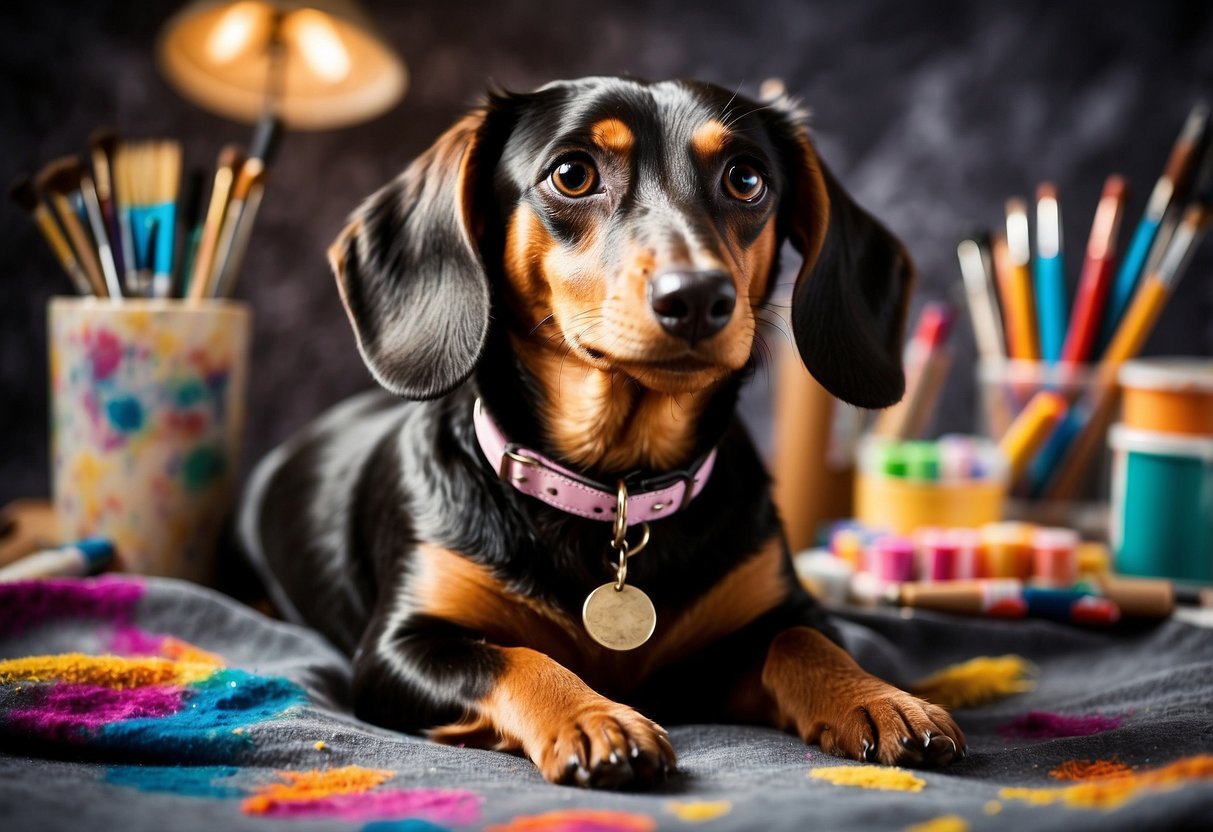
Adding the final details to your pet illustration can make all the difference. Focus on refining your drawing and presenting it well to showcase your artwork effectively.
Reviewing and Refining Your Drawing
Take a step back and look at your illustration with fresh eyes. Ask yourself if the colors and details truly represent your pet.
Here are a few steps to consider:
- Check Proportions: Ensure the size of features matches your pet’s unique look.
- Adjust Colors: Use reference photos to improve your color choices.
- Add Texture: Include fur details with finer pencil or brush strokes for a more realistic touch.
Don’t hesitate to make changes to enhance the overall appearance. Sometimes a small tweak can elevate your work significantly.
Presentation Tips for Your Artwork
Once you’re satisfied with your illustration, it’s time to present it beautifully. A strong presentation can help your artwork shine.
- Framing: Choose a frame that complements your pet’s colors. Simple frames often work best.
- Lighting: Ensure your artwork is displayed in well-lit areas to highlight details.
- Showcase: Consider using stands or easels for an inviting display.
Remember, how you present your art can attract attention and create a lasting impression. You want viewers to see all the effort you’ve put into capturing your pet’s spirit!
Conclusion
Taking the steps to illustrate your pet is a fun and rewarding journey. You’ll find joy in each detail as you bring your furry friend to life on canvas.
Start by observing your pet’s unique traits. Focus on their colors, markings, and expressions. These elements will make your artwork special.
Consider these tips:
- Use reference photos: Capture your pet’s personality.
- Experiment with styles: Try different art techniques to see what feels right.
- Practice patience: Great art takes time, so enjoy the process.
As you work, remember to keep it light-hearted. Art should be fun! Don’t worry about making mistakes; each stroke is part of your growth as an artist.
Finally, showcase your finished piece proudly. Whether it’s for your home or a gift for a friend, your illustrated pet will always remind you of the love and joy you share. Enjoy every moment as you celebrate your furry companion through art!
A Call to Action
Now that you’re inspired to illustrate your pet, it’s time to take action!
Start by gathering your supplies:
- Sketchbook or drawing paper
- Pencils and erasers
- Colored pencils, markers, or paints
Choose a comfortable spot with good lighting. Grab your supplies, and let’s get started!
Follow these simple steps:
- Observe your pet closely for unique features.
- Sketch lightly to outline their shape.
- Add details for fur, eyes, and expressions.
Remember to have fun! Illustrating your pet is about capturing their personality.
Share your artwork on social media! Show off your furry masterpiece. Use hashtags like #PetArt or #DachshundDrawing to connect with other pet lovers.
Encourage friends to join in. Invite them to create their pet illustrations, too. You can even host a virtual gallery to showcase everyone’s work!
Don’t forget to celebrate each step along the way. Your drawings are unique, just like your furry friend. Enjoy the process!

Elizabeth Redd has been in Washington, D. C. since 1970. Welcome to "Pooch Wellness Path," your trusted guide to enhancing the well-being of your cherished furry friends. At the heart of our community lies a commitment to holistic wellness, combining comprehensive care with unconditional love.
We're here to offer you the latest nutrition, fitness, mental health, and preventive measures, lighting the way to peak health for your pet. Dive into our thriving network of dog lovers, where the happiness of our companions takes center stage.
We're all about sharing groundbreaking wellness tips and nurturing an environment where every dog thrives. Step into Pooch Wellness Path, where each joyful bark and wag is a testament to thriving health.