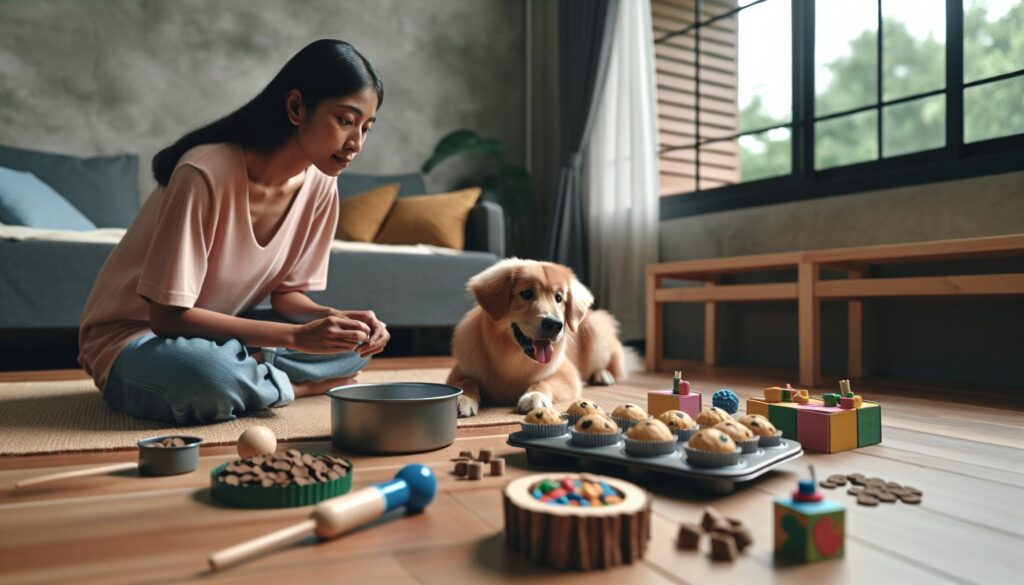
The Surprising Benefits of a Pre-Fireworks Exercise Session

Fireworks can be a real challenge for dog owners, as the loud noises and bright flashes often cause anxiety and fear in our furry friends. Walking your dog before the fireworks can help release their energy, making it easier for them to remain calm when the noises begin. This proactive step can significantly reduce their stress levels.
Another effective strategy is to set up a safe space in your home where your dog feels secure. This could be a quiet room with their favorite toys and blankets. Sometimes, playing gentle music or white noise can also mask the sound of fireworks, creating a calming environment for your dog.
Ensuring your dog is microchipped, and your details are up to date is vital in case it gets too frightened and escapes. By following these methods, you’re well on your way to providing safety and reassurance during fireworks.
Understanding Your Dog’s Fear of Fireworks
Fireworks can cause significant stress and anxiety in dogs due to their sensitive hearing and the unpredictability of the sounds. It’s important to recognize your dog’s signs of stress and understand why these loud noises are so frightening to them.
Recognizing Stress Signs in Dogs
Dogs show stress in various ways. Common signs include shaking, panting, drooling, and trembling. Your dog may also try to hide or seek comfort from you.
Other stress behaviors can include:
- Barking excessively
- Whining or howling
- Pacing back and forth
- Refusing to eat
Recognizing these signs early helps you take action to calm your pet. Monitoring their behavior closely during fireworks can significantly affect their comfort and safety.
Why Fireworks Scare Many Dogs
Dogs hear much better than humans, which makes fireworks’ loud sounds particularly startling. The sudden, unpredictable noises can trigger a fear response.
Several reasons explain why dogs are scared of fireworks:
- Lack of Exposure: If dogs haven’t been exposed to these sounds early in life, they are more likely to be scared.
- Previous Traumas: Dogs with negative experiences with loud sounds may develop a lasting fear.
- Influence from Other Dogs: Dogs can learn to be scared of fireworks from other dogs.
Certain breeds may also be more prone to anxiety around loud noises, making it crucial to understand your dog’s specific needs during fireworks displays.
Pre-Fireworks Preparation
Preparing your dog for fireworks involves creating a secure environment, using desensitization tactics, and consulting professionals if needed. These steps can help reduce anxiety and keep your dog calm.
Creating a Safe Space at Home
Set up a quiet room for your dog where they feel secure. Use familiar items like their bed, blankets, and toys. Ensure the room is away from windows to minimize noise and flashes of light.
Play calming music or use a white noise machine to drown out the fireworks noises. You can also close curtains or blinds to block out light flashes.
If possible, it’s helpful to stay with your dog during the fireworks. Your presence can make them feel safer and more secure.
Desensitization and Counter-Conditioning Techniques
Start with recordings at a low volume to help your dog get used to the sound of fireworks. Play the sounds while your dog is relaxed, and reward them with treats for calm behavior.
Gradually increase the volume over several sessions. This helps your dog associate the noise with positive experiences instead of fear.
You can also use counter-conditioning by pairing the noise with something your dog loves, like treats or their favorite game. This creates a positive connection to the sound.
Consulting with a Vet or Animal Behaviorist
If your dog has severe anxiety, consult a vet or animal behaviorist. They can provide professional advice and potential treatments.
Your vet may suggest anti-anxiety medications or natural calming aids like amino acid supplements. These can help manage your dog’s stress during fireworks.
An animal behaviorist might recommend specialized training techniques tailored to your dog’s needs. This can be particularly helpful for dogs with extreme reactions to loud noises.
Calming Techniques and Tools
You can use various calming techniques and tools to help your dog stay calm during fireworks—from treats and supplements to pressure wraps and soothing music.
Calming Treats and Supplements
Calming treats and supplements can be very effective. Many contain natural ingredients like chamomile, valerian root, and L-theanine, which work to reduce anxiety without making your dog tired.
Some treats are designed explicitly for anxiety relief. They often come in enticing flavors to encourage your dog to eat them. It’s essential to consult with your vet before adding new treats or supplements to your dog’s diet.
Supplements such as CBD oil can also be helpful. CBD is derived from hemp and is non-psychoactive. It can help reduce stress and promote relaxation. Always ensure any supplement is pet-safe and from a reputable source.
Pressure Wraps and Thundershirts
Pressure wraps and Thundershirts work by applying gentle, constant pressure to your dog’s torso. This pressure can have a calming effect, similar to swaddling a baby.
These wraps are available in various sizes to fit any dog. They are easy to put on and don’t restrict your dog’s movement. For best results, you should let your dog wear the wrap briefly before fireworks to get it accustomed to it.
Many dogs respond well to this method. It’s a simple and drug-free way to reduce anxiety. You can find these wraps in most pet stores or online.
Soothing Music and Sound Therapy
Soothing music or sound therapy can distract and calm your dog. Music specifically composed for dogs often includes slow tempos and gentle sounds. Playing this music during fireworks can help mask the noise and create a calming environment.
You can also use sound machines or apps that play white noise or natural sounds. These can effectively block out the sudden loud noises of fireworks.
If your dog has been gradually desensitized to firework sounds, playing recordings of fireworks at low volume can also help. Over time, you can increase the volume to help your dog get used to the noise. This should always be done slowly and cautiously.
Behavioral Training Strategies
To help your dog stay calm during fireworks, focus on reward-based training, positive reinforcement during scary sounds, and using commands and cues to create a sense of security. These strategies can significantly affect how your dog reacts to fireworks.
Reward-Based Training Approaches
Reward-based training relies on positive experiences to shape your dog’s behavior. When your dog shows calm behavior, give treats or praise. Consistency is important. Use small treats that your dog loves.
Perform these training sessions in a quiet place. Gradually introduce mild distractions like a TV or radio. Your dog should remain calm despite minimal noise.
Training doesn’t need much time. Short sessions of 5-10 minutes are practical. Keep it fun and engaging to maintain your dog’s interest. Reward-based training builds a solid foundation for more complex behaviors later.
Positive Reinforcement During Fireworks
Positive reinforcement helps your dog associate fireworks with good things. Before fireworks start, walk your dog to use up energy. When the fireworks begin, stay calm and composed. Your dog will notice your behavior.
Offer your dog their favorite toy or treat during fireworks. This distracts them from the noise.
Create a safe space in your home where your dog feels secure. Fill it with cozy bedding and toys. Spend time there with your dog during the fireworks. This space becomes a comforting spot.
Commands and Cues to Foster Security
Using commands and cues can create a sense of security for your dog. Teach basic commands like “sit,” “stay,” and “come.” Your dog should follow these commands, even with distractions around.
Introduce cues that signal safety. For example, a calm “it’s okay” can reassure your dog. Practice these cues in calm settings first. When your dog masters them, use the cues during louder situations.
Interactive toys and puzzle feeders can also distract and engage your dog. When you notice your dog getting anxious, redirect their attention with these toys. This helps to focus their energy positively. Combining commands and reassuring cues makes your dog feel protected and calm during stressful times.
During Firework Displays
During firework displays, keeping your dog calm is crucial. Focus on providing distractions and maintaining a calm demeanor to help your dog feel secure and less anxious.
Providing Distractions and Activities
Keeping your dog busy can be very effective during fireworks. Giving them interactive toys filled with treats or puzzles can redirect their attention from the noise.
Playing white noise or calming music can mask the sound of fireworks. You might also try engaging your dog in simple activities like playing fetch indoors or practicing basic commands.
Consistency is key. Ensure you start these activities before the fireworks begin so your dog is occupied right from the start. This can significantly reduce their stress levels and create a sense of normalcy.
Maintaining a Calm Demeanor
Your behavior greatly influences your dog’s response to fireworks. Staying calm and composed will help your dog feel safe. Avoid sudden movements or loud voices, as these might intensify your dog’s anxiety.
Speak softly, soothingly, and try to move slowly and deliberately. Your dog looks to you for cues on how to react, and your calm presence can be reassuring.
Spend time in the room where your dog feels most comfortable. Being with them, petting them gently, and comforting them can make a huge difference.
Post-Firework Care
After the fireworks, you must check on your dog for signs of stress and continue offering comfort and reassurance. This helps in ensuring your dog feels safe and secure.
Checking for Signs of Stress
After the fireworks, look for symptoms like trembling, panting, drooling, or hiding. These can indicate that your dog is still anxious.
- Loss of appetite: Sometimes dogs lose their appetite when stressed.
- Clinginess: Your dog may follow you around more than usual.
- Restlessness: Pacing or not settling down can show stress.
If you notice any of these signs, giving your dog some quiet time in a comfortable and familiar place might be a good idea.
Continued Comfort and Reassurance
Once you’ve checked for stress signs, provide continued comfort to your dog.
- Soft music: Play calming music to help soothe your dog.
- Safe space: Make sure they have a quiet area to retreat to.
- Gentle petting: Pet your dog softly and speak calmly, reassuringly.
- Treats and toys: Give their favorite chew or a tasty treat to divert their attention.
Ensuring your dog feels loved and safe is vital to reducing their post-firework stress.
Alternative Approaches
You can explore medications and homeopathic remedies to help your dog stay calm during fireworks. Each method has its benefits, and choosing what works best for your pet is essential.
Medications and Veterinary Products
Medications can be very effective in reducing anxiety in dogs. Your veterinarian may recommend prescription treatments like tranquilizers or sedatives. These drugs can help your dog stay calm and relaxed during fireworks.
Anti-anxiety medications such as alprazolam or clomipramine often work well. These medications can be given before fireworks begin to prevent stress.
Pheromone diffusers are another option. They release a scent that helps your dog feel safe and secure. Products like Adaptil are popular and can be plugged into a room where your dog spends most of its time.
It’s essential to consult your vet before starting any new medication. They can help you decide on the best course of action and ensure your dog’s treatment is safe.
Homeopathic Remedies
Homeopathic remedies can provide a natural way to ease your dog’s fear of fireworks. These remedies often don’t have the side effects that medications might.
Mimulus, a flower essence, is suitable for fears of known origins, like fireworks or thunderstorms. Red Chestnut might be helpful if your dog tends to be clingy during these events.
Other remedies include Cherry Plum, which can aid dogs who lose control when frightened. Calming chews and herbal supplements are also popular choices. They often contain ingredients like valerian root or chamomile, which are known for their calming effects.
You can also try calming pheromones or essential oils. Ensure that any oil you use is safe for dogs, as some can be harmful.
Consider these homeopathic options, and you might find a solution that soothes your furry friend without the need for prescription products.
Building Long-Term Resilience
Creating long-term resilience in your dog involves regular exercise, mental stimulation, and ongoing behavioral training. These strategies help your dog cope better with stress over time and improve its ability to handle loud noises like fireworks.
Regular Exercise and Mental Stimulation
Exercise: Consistent physical activity is essential. Daily walks, play sessions, and activities like fetch can help reduce anxiety. A tired dog is less likely to react strongly to sudden stimuli.
Mental Stimulation: Introduce puzzle toys and interactive games to engage your dog’s brain. Activities like hide-and-seek or using treat-dispensing toys can keep them mentally occupied.
Routine: Establish a routine. Dogs thrive on predictability. Regular meal times, walks, and play sessions can help them feel secure.
Ongoing Behavioral Training
Desensitization: Gradually expose your dog to firework sounds. Start with low volumes and slowly increase as they become more comfortable. Pair this with positive reinforcement, like treats and praise.
Counterconditioning: Change your dog’s response to fireworks by associating the sound with something they love. This could be their favorite treat or toy.
Obedience Training: Basic commands like “sit,” “stay,” and “come” are crucial. Training sessions can also be a bonding time, reinforcing your relationship with your dog.
Professional Training: If your dog’s anxiety persists, consider seeking help from a certified dog trainer or behaviorist. They can provide personalized strategies and support.
Building resilience is a gradual process, but with patience and consistency, you can help your dog feel more secure during stressful events like fireworks.
Conclusion and A Call to Action
Your dog’s comfort during fireworks is essential. You’ve learned about different methods to help keep them calm. From using anxiety vests to playing soothing music, you have many options.
Remember to prepare in advance. Secure your home and ensure your dog’s microchip details are current. This can prevent them from fleeing out of fear.
Consider walking your dog before the fireworks start. Exercise can tire them out and make them more relaxed. Also, shutting curtains and windows can help minimize the sound.
Stay calm yourself. Your dog takes cues from you, so maintaining a composed demeanor can help them feel secure.
Don’t forget about pressure therapy. Vests that wrap your dog in a gentle hug can bring comfort during the loud noises.
Take Action Now!
- Prepare your home.
- Walk your dog early.
- Use calming vests.
- Keep yourself calm.
By taking these steps, you can help your dog feel safe during fireworks. Ready to start? Implement these tips today and share your success stories with friends and family.
For more detailed information on calming your dog, check out 10 Proven Ways to Calm Your Dog and Tips That Work.

Elizabeth Redd has been in Washington, D. C. since 1970. Welcome to "Pooch Wellness Path," your trusted guide to enhancing the well-being of your cherished furry friends. At the heart of our community lies a commitment to holistic wellness, combining comprehensive care with unconditional love.
We're here to offer you the latest nutrition, fitness, mental health, and preventive measures, lighting the way to peak health for your pet. Dive into our thriving network of dog lovers, where the happiness of our companions takes center stage.
We're all about sharing groundbreaking wellness tips and nurturing an environment where every dog thrives. Step into Pooch Wellness Path, where each joyful bark and wag is a testament to thriving health.