
Wellness Techniques for Dogs: Enhancing Canine Health and Vitality
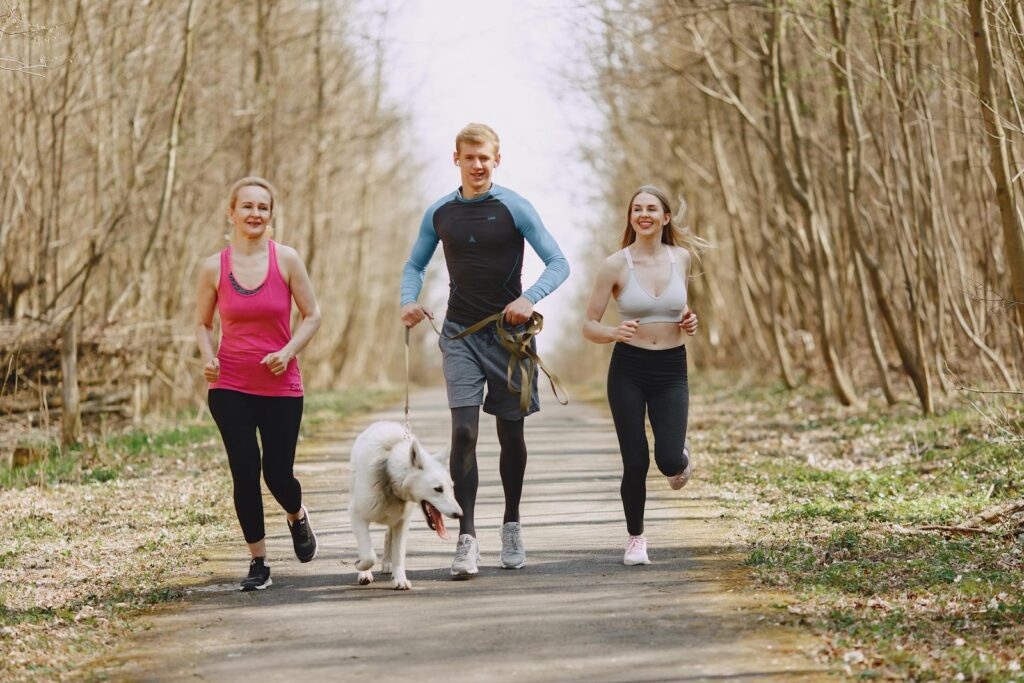
Imagine a world where your dog achieves optimal health through natural, non-invasive therapies. Advanced holistic wellness techniques prioritize your pet’s overall well-being by integrating acupuncture, osteopathy, and massage therapies. These methods alleviate pain and stress and enhance your dog’s immune system and vitality.
For instance, acupuncture can significantly improve blood flow and oxygenation, helping to heal injuries and reduce anxiety. Holistic approaches also include innovative treatments like stem cell therapy and laser therapy. These treatments provide gentle yet effective healing, embodying the essence of integrative veterinary care found in modern practices.
To truly nurture your pet’s health, embrace therapies that address physical, emotional, and energetic needs. Treatments ranging from flower essences to no-force training tips offer a comprehensive approach to your dog’s wellness. By exploring these advanced holistic techniques, you invest in a balanced, healthier life for your canine companion.
Fundamentals of Canine Holistic Health
Holistic health for dogs emphasizes a comprehensive approach to wellness. It integrates physical, mental, and emotional aspects to ensure your dog’s well-being.
Nutrition plays a crucial role. Choose a balanced diet with high-quality, natural ingredients. Consider adding supplements like omega-3 fatty acids for joint and skin health.
Regular exercise tailored to your dog’s breed, age, and condition is essential. This can include walking, swimming, or agility training to maintain physical fitness and mental stimulation.
Mental well-being is just as important. Engage your dog in activities that challenge their mind, such as puzzle toys or obedience training. This helps prevent boredom and anxiety.
Therapies like acupuncture, massage, and acupressure help manage conditions such as arthritis and anxiety. These treatments promote blood flow, reduce pain, and support your dog’s immune system.
Herbal remedies can be effective for various issues. Chamomile and valerian root are known to have calming effects, while turmeric possesses anti-inflammatory properties. Always consult your veterinarian before introducing new treatments.
Environmental factors also impact your dog’s health. Ensure a clean, stress-free living environment. Regular cleaning and grooming maintain hygiene and prevent infections.
Holistic care emphasizes a strong bond between you and your dog. Spend quality time together to deepen your connection and better understand your dog’s needs.
Implement a holistic approach to your dog’s health to promote balanced and complete wellness and long-term vitality. For comprehensive guides, visit Top Dog Tips, Dogster, or DipnDogs.
Nutritional Strategies for Optimal Dog Wellness
Ensuring your dog’s optimal wellness requires focusing on biologically appropriate diets, effective supplementation, and awareness of potential food allergies. Each aspect plays a unique role in sustaining and enhancing your dog’s health.
Biologically Appropriate Raw Food (BARF) Diets
The BARF diet emphasizes feeding dogs raw, whole foods similar to what their ancestors ate. This includes raw meats, bones, vegetables, and fruits.
Benefits:
- Improved Digestion: Supports natural enzyme production.
- Healthier Coat: Raw diets can enhance coat health and reduce shedding.
- Dental Health: Chewing raw bones helps clean teeth and prevent plaque buildup.
Components:
- High-Quality Proteins: Includes raw chicken, beef, lamb, and fish.
- Fresh Vegetables and Fruits: Carrots, spinach, apples, and blueberries for essential nutrients.
- Supplements: Omega-3 oils and probiotics to further support health.
Adopting this diet requires careful planning to ensure all nutritional needs are met. For tailored advice, consult with a veterinarian.
Supplementation for Enhanced Health
Supplementation can address nutritional gaps that even high-quality raw or cooked diets might miss.
Common Supplements:
- Glucosamine and Chondroitin: Support joint health and can alleviate arthritis symptoms.
- Omega-3 Fatty Acids: Promote skin health and reduce inflammation.
- Probiotics: Aid digestive health and boost the immune system.
- Vitamins and Minerals: Each is essential for various bodily functions. For example, Vitamin E supports skin health.
While supplements can be beneficial, they must be used appropriately. Over-supplementation can lead to adverse effects, so it is essential to consult a veterinarian before introducing new supplements.
Understanding Canine Food Allergies
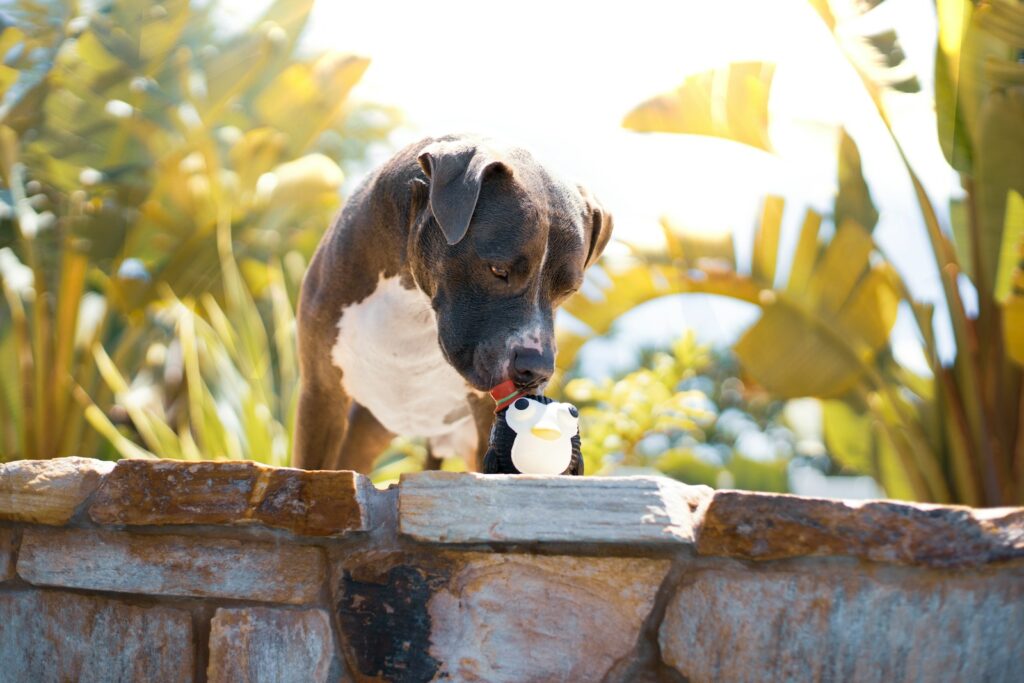
Recognizing and managing food allergies in dogs is crucial for their well-being. Common symptoms include itching, gastrointestinal issues, and ear infections.
Common Allergens:
- Proteins: Beef, dairy, and chicken are frequent culprits.
- Grains: Some dogs may react to wheat, corn, and soy.
Management Strategies:
- Elimination Diet: Gradually remove potential allergens and observe for symptom improvement.
- Hypoallergenic Diets: Novel protein sources like venison or duck and grain-free options are used.
Detecting food allergies often requires time and patience. Working with a veterinarian can help to effectively identify and manage these allergies, ensuring a tailored diet that promotes your dog’s optimal health.
Physical Therapy and Rehabilitation
Incorporating physical therapy and rehabilitation into your dog’s care can improve its well-being. These methods include hydrotherapy, massage and acupuncture, and canine chiropractic care, all offering unique benefits.
Hydrotherapy

Hydrotherapy involves using water to help your dog recover from injury or surgery and improve mobility. Dogs with arthritis, hip dysplasia, or neurological issues can significantly benefit from hydrotherapy. Water’s buoyancy reduces stress on joints, making movement easier.
Underwater treadmills and swimming pools are standard tools. Water’s resistance helps build muscle strength without causing further pain. Sessions are usually supervised by professionals who ensure your dog exercises safely.
Hydrotherapy aids physical recovery and offers mental stimulation and confidence-boosting benefits. Dogs often find these sessions enjoyable, which can help alleviate stress and anxiety related to physical restrictions.
Massage and Acupuncture
Massage therapy helps relieve muscle tension, improve blood flow, and provide relaxation. It benefits dogs recovering from surgery or injury or those suffering from chronic pain conditions like arthritis.
Acupuncture involves inserting fine needles into specific points on the body to alleviate pain and promote healing. This technique effectively manages pain, stimulates nerves, and improves bodily functions. Dogs undergoing acupuncture treatment often experience enhancement in their mobility and a decrease in discomfort levels.
Combining massage and acupuncture can yield comprehensive benefits such as accelerated healing, improved digestion, and balanced emotional states. These non-invasive therapies aim to support the body’s natural healing processes.
Canine Chiropractic Care
Canine chiropractic care focuses on the health of the spine and nervous system, aiming to ensure proper alignment and function. Misalignments, or subluxations, can cause pain, reduce mobility, and impact organ function.
Veterinary chiropractors use gentle manipulations to correct these issues. Dogs with back pain, stiffness, limping, or changes in posture can benefit from chiropractic adjustments. Regular sessions can prevent injuries, improve agility, and enhance overall quality of life.
Chiropractic care is beneficial for active or older dogs. It provides relief from chronic pain and promotes long-term spinal health. Ensure any chiropractor working with your dog is certified and experienced in handling animals.
Mental and Emotional Wellbeing
Understanding and enhancing your dog’s mental and emotional health can significantly improve their quality of life. Techniques like aromatherapy, music therapy, and cognitive training are practical and beneficial methods to achieve this goal.
Aromatherapy and Essential Oils
Aromatherapy can be a soothing way to manage your dog’s stress and anxiety. Essential oils such as lavender, chamomile, and cedarwood have calming effects. To ensure safe use, use a diffuser or diluted application. Be cautious with dosage, and never apply oils directly. Monitor your dog’s reactions closely to ensure they find relief without any adverse effects.
Music Therapy
Music therapy involves calming music to create a tranquil environment for your dog. Classical music and specially designed pet music can reduce anxiety and promote relaxation. It’s an effective way to help with separation anxiety, noise phobias, or general stress. Observe which genres your dog responds to best and play these tunes during stressful times.
Cognitive Training and Enrichment
Cognitive training and enrichment keep your dog’s mind sharp and engaged. Activities like puzzle toys, scent games, and training sessions enhance mental stimulation. Regular engagement in such activities prevents boredom and behavioral issues. Choose challenges appropriate for your dog’s age and breed and gradually increase complexity to keep their interest piqued.
By implementing these techniques, you can create a supportive and enriching environment that contributes to your dog’s overall mental and emotional health.
Integrative Medicine Approaches
Integrative medicine combines conventional veterinary practices with alternative therapies to enhance your dog’s health. This approach often includes herbal remedies, homeopathy, and Traditional Chinese Veterinary Medicine (TCVM).
Herbal Remedies
Herbal remedies complement conventional treatments and offer natural solutions for various dog health issues. Herbs like milk thistle may support liver health, while chamomile can soothe digestive problems and anxiety. Turmeric has anti-inflammatory properties that can be beneficial for dogs with arthritis.
It’s important to consult a veterinarian knowledgeable in herbal medicine to ensure the correct dosage and avoid potential interactions with other medications. Use high-quality, certified organic herbs to provide your pet with the safest and most effective care.
Homeopathy for Dogs
Homeopathy relies on highly diluted substances to stimulate the body’s healing mechanisms. Remedies like Arnica are often used for trauma and bruising, while Apis may be recommended for allergic reactions with swelling and hives. Homeopathy aims to treat the individual dog, focusing on their symptoms and overall well-being.
Choosing the correct remedy can be complex, so working with a vet trained in homeopathy is essential. These professionals can tailor treatments based on your dog’s unique health needs, ensuring safer and more effective outcomes.
Traditional Chinese Veterinary Medicine (TCVM)

TCVM incorporates acupuncture, food therapy, and Tui-na (medical massage). Acupuncture involves inserting fine needles into specific points on the body to balance energy flow and facilitate healing. This technique can help manage pain, improve mobility, and support organ function.
Herbal medicine in TCVM uses blends that are tailor-made for specific conditions. Food therapy involves dietary changes based on your dog’s constitution and the principles of Yin and Yang. Tui-na combines acupressure and massage to promote circulation and relieve muscle tension. Consult a certified TCVM practitioner for a holistic treatment plan tailored to your dog’s needs.
Preventive and Anti-Aging Strategies
Implementing preventive and anti-aging strategies is crucial for maintaining your dog’s health and well-being. This includes regular vet check-ups, dental hygiene, exercise, and weight management.
Regular Vet Check-Ups and Vaccination Schedules
Routine veterinary check-ups are vital for early detection of health issues. Scheduling annual or semi-annual visits helps catch any signs of illness early. Vaccinations protect your dog from common diseases such as rabies, parvovirus, and distemper.
Blood tests, urinalysis, and other diagnostics can reveal hidden conditions during these visits. Following a vet-recommended vaccination schedule keeps your dog’s immune system prepared to fight off infections. This approach prolongs your dog’s life and enhances their quality of life.
Dental Care and Hygiene
Good dental care is essential for preventing oral diseases that affect your dog’s health. Daily brushing with dog-specific toothpaste helps remove plaque and prevent tartar build-up. Your vet performs regular dental cleanings to remove deposits you can’t manage at home.
Offering dental chews and toys can also help keep your dog’s teeth clean. Bad breath, gum inflammation, and tooth loss are signs that your dog needs better dental care. Preventing dental diseases protects against more severe issues like heart and kidney disease.
Exercise and Weight Management
Exercise is a key component of keeping your dog fit and healthy. Regular physical activity helps maintain a healthy weight, supports joint health, and prevents obesity-related conditions. Choose activities suited to your dog’s breed, age, and medical condition, such as walks, swimming, or playtime.
Proper weight management reduces the risk of diabetes, heart disease, and arthritis. Monitoring your dog’s diet is equally important; provide a balanced diet with the correct portion sizes and avoid overfeeding treats. Combining regular exercise with a controlled diet promotes a longer, healthier life for your dog.
Conclusion and a Call to Action
Achieving optimal health for your dog involves more than just traditional veterinary care. Integrating advanced holistic techniques can provide numerous benefits.
Key Benefits:
- Enhanced Immunity: Holistic care can boost your dog’s natural defenses.
- Reduced Side Effects: Complementary therapies like herbal remedies and acupuncture can minimize negative reactions.
- Improved Quality of Life: Chiropractic care and massage techniques can enhance mobility and reduce pain.
Action Steps:
- Consult Professionals: Seek out veterinarians and practitioners trained in holistic methods.
- Balanced Lifestyle: Ensure good nutrition, exercise, and mental stimulation.
- Monitor Results: Keep a journal to track improvements and changes in your dog’s behavior or health.
Consider techniques such as acupuncture or chiropractic care from certified professionals for further resources.
Taking a proactive approach to incorporating holistic wellness can lead to your dog’s happier, healthier life.

Elizabeth Redd has been in Washington, D. C. since 1970. Welcome to "Pooch Wellness Path," your trusted guide to enhancing the well-being of your cherished furry friends. At the heart of our community lies a commitment to holistic wellness, combining comprehensive care with unconditional love.
We're here to offer you the latest nutrition, fitness, mental health, and preventive measures, lighting the way to peak health for your pet. Dive into our thriving network of dog lovers, where the happiness of our companions takes center stage.
We're all about sharing groundbreaking wellness tips and nurturing an environment where every dog thrives. Step into Pooch Wellness Path, where each joyful bark and wag is a testament to thriving health.

