Which Flea and Tick Prevention Methods Work Best for Your Dog?
Choosing the right flea and tick prevention is crucial for protecting your furry friend from pesky parasites. The best flea and tick prevention for dogs combines effective products with consistent use. Taking proactive measures will protect your dog and safeguard your household from potential infestations.
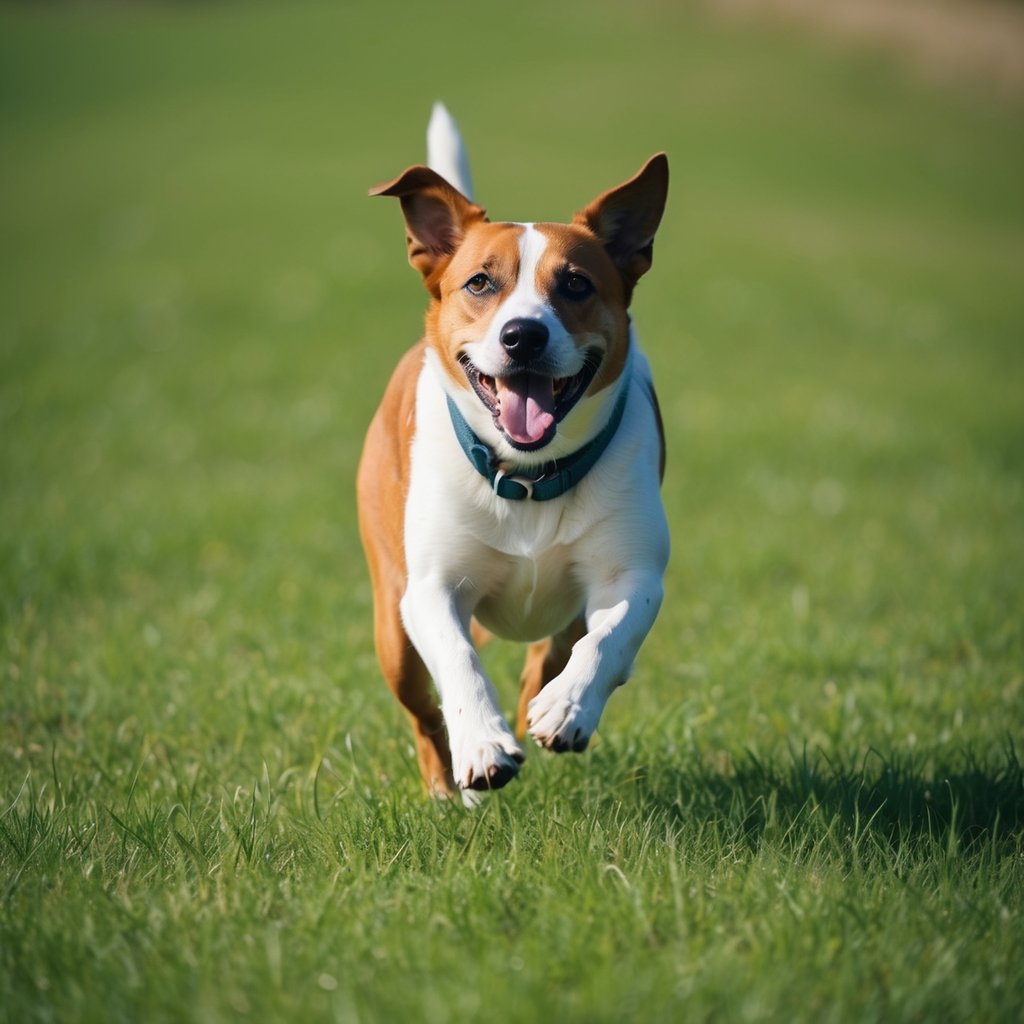
Various options are available, from chewable tablets to topical treatments and even unique collars. Understanding your dog’s lifestyle, health needs, and preferences can help you choose the ideal method.
For instance, some dog owners swear by monthly chewables, while others prefer the ease of topical solutions.
Selecting the right product can also prevent serious health issues like Lyme disease and anemia. Maintaining consistent preventative care is critical if your dog loves hiking through the woods or lounging in the backyard.
Committing to regular flea and tick prevention ensures your dog remains happy and healthy year-round.
Understanding Flea and Tick Prevention

Flea and tick prevention is crucial for maintaining your dog’s health and comfort. This involves selecting the appropriate type of preventative and understanding how these treatments protect your pet from infestation.
Types of Preventatives
Several flea and tick preventatives are available, each with its benefits. Topical treatments are applied directly to your dog’s skin, often at the back of the neck, protecting up to a month.
Oral medications are another popular option, usually administered monthly, offering convenience and efficacy. Collars infused with insect-repelling chemicals can provide extended protection, sometimes lasting up to eight months.
Factors like your dog’s lifestyle and health conditions should guide your choice. Always consult with your veterinarian before starting any new preventative treatment.
How Preventatives Work
Preventatives kill or repel fleas and ticks before they can harm your dog. Topical solutions spread natural oils on the skin, affecting parasites on contact.
Conversely, oral medications are absorbed into the bloodstream; fleas and ticks ingest the active ingredients when they bite your dog, quickly killing them.
Some collars release chemicals that spread over your dog’s fur, creating a protective barrier. These methods are designed to break the lifecycle of fleas and ticks, reducing the risk of infestation and associated diseases.
Top Recommended Products

Finding the right flea and tick prevention for your dog involves considering various options, such as oral medications, topical treatments, and collars. Each method offers unique benefits, and choosing the right one depends on your dog’s needs and lifestyle.
Oral Medications
Oral medications are a popular choice for effective flea and tick prevention. These are typically administered in chewable form, making them easy for your dog to consume. Simparica Trio Chews is a favored choice due to its combination of protection against fleas, ticks, and heartworms.
Oral medications often start working quickly, killing fleas within hours and providing long-lasting protection.
These medications are particularly beneficial for dogs that dislike topical treatments or have sensitive skin. Consistency is vital for these to work effectively, so follow your veterinarian’s advice on dosage and administration.
Topical Treatments
Topical treatments are applied directly to your dog’s skin, usually between the shoulder blades, and protect by spreading over the body.
These treatments repel fleas and ticks and are often waterproof, making them suitable for dogs that swim or bathe frequently. Popular options include Frontline Plus and K9 Advantix II.
These treatments release active ingredients continuously to protect your dog for several weeks. Be sure to read the instructions carefully to maximize their effectiveness and avoid accidental ingestion by your pet or other animals.
Collars
Flea and tick collars offer a long-term solution, providing extended protection for months. These collars, like Seresto or Hartz UltraGuard, gradually release insecticides that repel and kill fleas and ticks.
They can be a convenient option if you are looking for a set-and-forget solution.
For optimal results, ensure the collar fits snugly but comfortably around your dog’s neck. Watch for signs of irritation and check your dog’s skin regularly to ensure no adverse reaction.
These collars allow your pet to remain flea-free while minimizing the hassle of monthly applications.
Application Tips and Safety

When applying flea and tick prevention products, it’s crucial to get the dosage right and apply it correctly to ensure your pet’s safety and the product’s effectiveness. Below are some essential tips for proper dosage and application.
Proper Dosage
Always follow the instructions on the product label or your veterinarian’s. Dosage often depends on your dog’s weight, age, and health condition. Make sure you use the correct product for your dog’s weight class. Using a product meant for larger dogs on smaller ones can lead to overdose.
If your dog is on medication for other health issues, consult your veterinarian before using a flea and tick preventative. Some products may interact with certain medications. Also, watch your pet for adverse reactions during the first 24 hours after application.
Application Techniques
Begin by choosing an area where you can easily contain your dog, as this helps reduce stress for both of you. For topical treatments, part the fur to apply the product directly to the skin, ensuring even distribution.
Wear gloves to protect your hands from the chemicals.
Tablets should be given per the dosing instructions, maybe with food to make it more palatable for your dog. For collars, ensure a snug fit but not too tight, leaving space to slip two fingers between the collar and your dog’s neck. Regularly wash your hands after each application.
Integrating Preventatives Into Dog Care
Ensuring your dog is protected from fleas and ticks is crucial. Begin by consulting with your veterinarian to determine which flea and tick prevention methods are best for your furry friend, considering their age, size, and health conditions.
Consistency is key. Administer preventatives according to the recommended schedule, whether monthly topicals, oral chewables, or shampoos. Create a reminder system, such as setting an alarm on your phone, to help you stay on track.
Incorporate flea and tick checks into your routine. After walks, particularly in wooded or grassy areas, inspect your dog’s coat and skin for any signs of these pests. This habit ensures early detection and strengthens your bond with your pet.
Diet and Lifestyle: A healthy diet can support your dog’s skin and coat health. Some foods and supplements can make them less attractive to pests. Discuss these options with your vet to see if they suit your dog.
Keep your home environment clean. Wash your dog’s bedding regularly and vacuum carpets and furniture. Consider using flea traps or natural repellents around your home to reduce the infestation risk further.
Finally, make flea and tick prevention a year-round commitment. Even in colder months, indoor spaces and fluctuating temperatures can allow pests to thrive. Integrating these simple practices into your care routine can help maintain your dog’s health and happiness.
Conclusion
Choosing the right flea and tick prevention for your dog is essential to keeping it healthy and happy. Many options are available; finding the best one depends on your dog’s specific needs and lifestyle.
Consider both over-the-counter and prescription treatments. Products like Bravecto offer the convenience of long-term protection in a single dose. Discussing these options with your vet before deciding is always a good idea.
For those who prefer more natural options, you might explore a combination of products. Some use tick tags, garlic tabs, and flea and tick soap for extra protection, especially in high-risk areas. These can be found at Rescue Dogs 101.
List of Considerations:
- Your dog’s age and health
- Local tick and flea prevalence
- Budget
Remember, consistent use of any treatment is key to effectiveness. Regular grooming and checking your pet after outdoor activities can also help in the early detection and prevention of these pests.

Elizabeth Redd has been in Washington, D. C. since 1970. Welcome to "Pooch Wellness Path," your trusted guide to enhancing the well-being of your cherished furry friends. At the heart of our community lies a commitment to holistic wellness, combining comprehensive care with unconditional love.
We're here to offer you the latest nutrition, fitness, mental health, and preventive measures, lighting the way to peak health for your pet. Dive into our thriving network of dog lovers, where the happiness of our companions takes center stage.
We're all about sharing groundbreaking wellness tips and nurturing an environment where every dog thrives. Step into Pooch Wellness Path, where each joyful bark and wag is a testament to thriving health.