
Choosing the right dog for a home with young children can be a game-changer for family life. Some breeds are better suited for homes with kids because they are gentle, patient, and energetic. Whether you’re looking for an active companion to play in the yard or a gentle friend to cuddle with your little ones, there are plenty of options.

Dogs like Labrador Retrievers and Golden Retrievers are known for their friendly and patient nature. These breeds are not only intelligent but also incredibly trainable, making them great choices for families with children. They enjoy playtime and can be very protective of their young human friends.
Other great choices include the Beagle and the Boxer. The Beagle is small but sturdy, with lots of energy for play. The Boxer is known for its high energy levels and affection, making it another excellent fit for active families.
Key Takeaways
- Certain dog breeds are ideal for homes with young children due to their gentle and patient nature.
- Breeds like Labrador Retrievers and Golden Retrievers are popular due to their friendly and trainable nature.
- Beagles and Boxers are also great family dogs, full of energy and affection.
Essential Traits for Child-Friendly Dogs
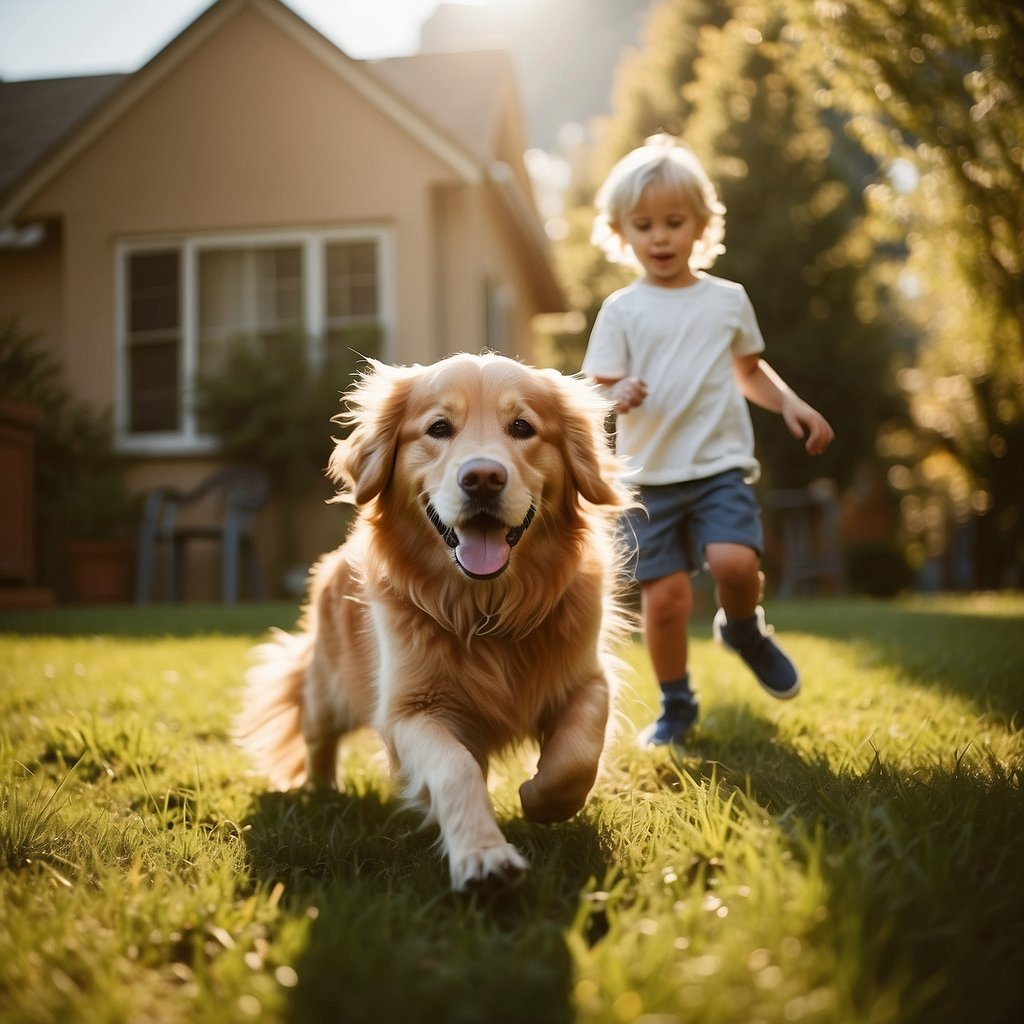
When choosing a dog for your home with young children, it’s essential to look for certain traits that make a breed more suitable.
Friendly Temperament
A dog with a friendly and gentle temperament is ideal. Breeds like the Beagle are known for their even-tempered nature, making them less likely to be aggressive or shy around kids.
Moderate Energy Levels
It would be best to have a dog with energy that matches your family’s lifestyle. Breeds like Golden Retrievers and Labrador Retrievers have moderate energy levels, meaning they’ll enjoy playtime but won’t be hyperactive all day.
Intelligence and Trainability
Intelligent dogs are more accessible to train, which is essential when teaching them how to behave around kids. Breeds like Goldens and Labs are known for their intelligence and trainability, making them great family choices.
Soft Mouth or Bite Inhibition
Dogs with a “soft mouth” are less likely to hurt your child accidentally. This trait is common in retriever breeds, originally bred to retrieve the game without damaging it.
Affectionate Nature
An affectionate dog will form strong bonds with your family. The English Cocker Spaniel is known for its loving and patient disposition, which makes it a great companion for children.
Size Considerations
Medium-sized dogs, like the Wheaten Terrier, are often a good choice. They are not too big to accidentally knock over a small child and not too small to be easily injured.
Friendly with Other Pets
If you have other pets, your dog must get along well with them. Many breeds are known for their social nature and ability to coexist happily with other animals.
By considering these traits, you can make a well-informed decision about the best dog breed for your family.
Top Dog Breeds for Families

Certain dog breeds stand out for their friendly demeanor, intelligence, and loyalty, making them perfect for families with young children. The breeds below are known for these qualities.
Labrador Retriever
Labrador Retrievers are extremely friendly and energetic. They are great with kids because they are patient and love to play. Labs are also brilliant, making them easy to train.
Labs are quite active and need regular exercise. Whether playing fetch or going on long walks, They enjoy spending time with their families. These dogs are loyal and protective, ensuring a safe environment for your children.
Labradors typically weigh between 55 and 80 pounds and come in chocolate, black, and yellow colors.
Golden Retriever
Golden Retrievers are known for their gentle and kind personality. They are very patient, which is beneficial when dealing with small children. Goldens are also easy to train due to their intelligence and eagerness to please.
These affectionate dogs enjoy social interactions, whether with family members or strangers. They thrive in active households where they can participate in outdoor activities like hiking or swimming.
Golden Retrievers usually weigh between 55-75 pounds and have beautiful golden coats that require regular grooming.
Beagle
Beagles are small to medium-sized dogs with a cheerful and friendly demeanor. Because of their playful nature, they are excellent with children. Beagles are also intelligent but stubborn, so consistent training is necessary.
These dogs have a strong sense of smell and love exploring, making outdoor activities enjoyable. Beagles are very friendly and get along well with other pets.
They usually weigh between 20-30 pounds and have short, easy-to-maintain coats.
Bulldog
Bulldogs are known for their calm and courageous nature. They are friendly and form strong bonds with family members, making them excellent companions for children. Bulldogs are also very loyal and protective.
Bulldogs have a lower energy level than other breeds, so they don’t require extensive exercise. This makes them well-suited for families living in apartments or homes with small yards. Despite their rugged appearance, Bulldogs are gentle and affectionate.
Bulldogs typically weigh between 40-50 pounds and have short, easy-to-care-for coats.
Factors to Consider When Choosing a Dog
When choosing a dog for your home with young children, there are some essential factors to consider.
Temperament
A dog’s personality dramatically affects how they interact with kids. Dogs known for being patient, gentle, and friendly make better companions for kids. Breeds like the Golden Retriever and Labrador Retriever are well-known for their calm and friendly natures.
Energy Level
Consider how active your family is. Some dogs have high energy levels and need lots of exercise. If your family enjoys outdoor activities, a breed like a Labrador Retriever may be a good fit. If you prefer a quiet life, look for more low-energy breeds.
| High Energy Breeds | Low Energy Breeds |
|---|---|
| Labrador Retriever | Basset Hound |
| Border Collie | Bulldog |
Size
Another important factor is the size of the dog. Larger dogs, like the Labrador Retriever, can be great with kids but need more space. Smaller dogs are easier to manage in smaller homes, but to prevent accidents, avoid tiny breeds around young children.
Maintenance Needs
Some dogs need regular grooming and special care. Breeds with long hair need brushing, while others may need frequent baths or specific diets. Research the grooming needs of any potential breeds to ensure you can meet them.
Compatibility
Ensure the dog breed you choose is known for being good with children. Breeds like the Golden Retriever and the Wheaten Terrier are often recommended for families.
Selecting the right dog for your family involves considering temperament, energy level, size, maintenance needs, and compatibility.
Safety and Training Tips
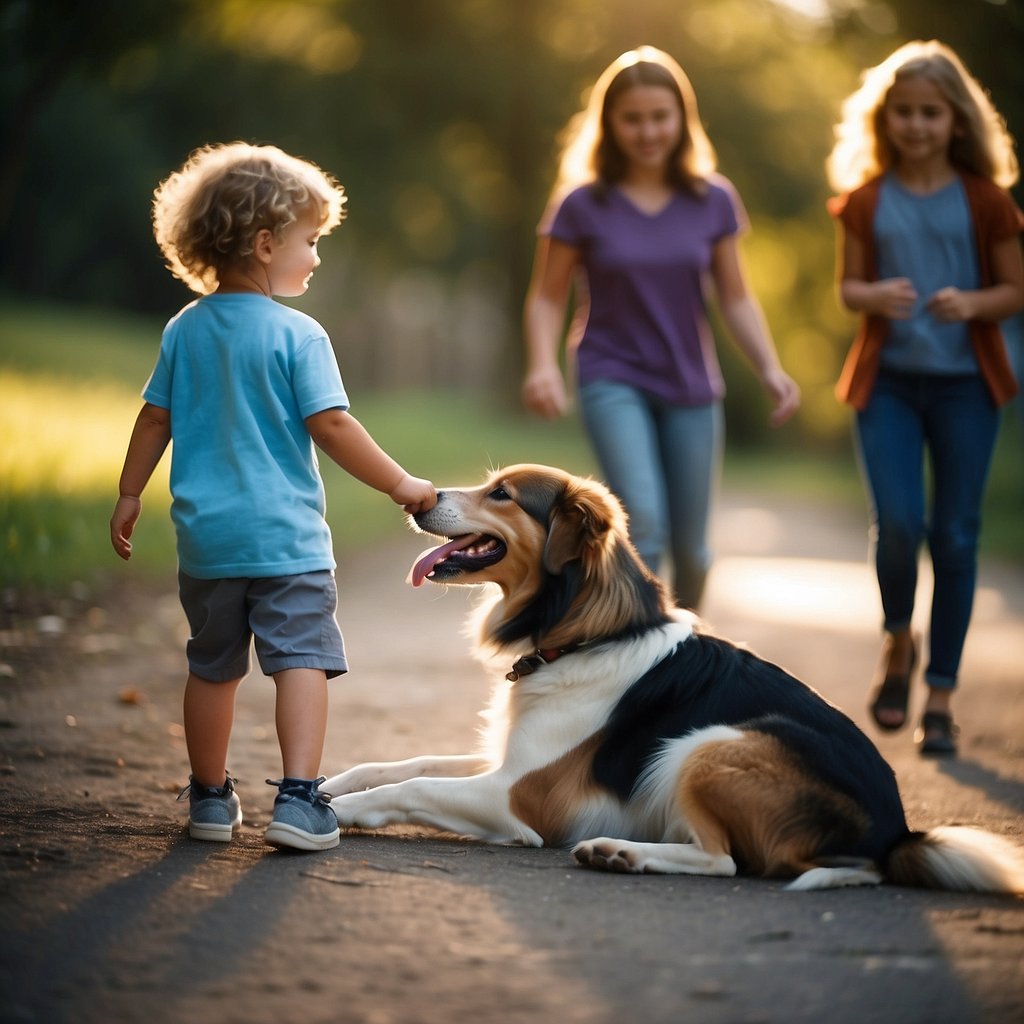
Ensuring your dog is well-behaved and teaching your children how to interact with them can create a safe and happy environment for everyone.
Teaching Children How to Interact with Dogs
Children must know how to behave around dogs to prevent accidents. Teach them to always ask before petting, even if the dog belongs to you. Encourage gentle petting and explain that pulling ears or tails can hurt the dog.
Show children how to read a dog’s body language. A wagging tail might mean they are happy, but if the dog is growling or has its ears back, it could be scared or upset. Teach them to give the dog space when it shows these signs.
Explain the importance of not bothering dogs while they are eating or sleeping. This helps avoid startling the dog and reduces the risk of bites. Regularly supervise their interactions to ensure everyone follows the rules.
Training Your Dog for a Family Environment
Training your dog to behave around children is crucial. Start with basic commands like sit, stay, and come. This helps you control the dog during potentially chaotic family moments. Positive reinforcement works best, offering treats and praise when the dog obeys.
Socialization is key. Expose your dog to various environments, people, and other animals. This helps them adapt and stay calm around different stimuli. If you need additional support, enroll your dog in obedience classes.
Create a safe space for your dog to retreat if it feels overwhelmed. This could be a crate or a quiet room. Ensure your dog has plenty of exercise to burn off energy, reducing the likelihood of rough play.
Focusing on these training and interaction tips can help foster a loving and safe relationship between your children and your dog.
Activity Needs of Popular Breeds
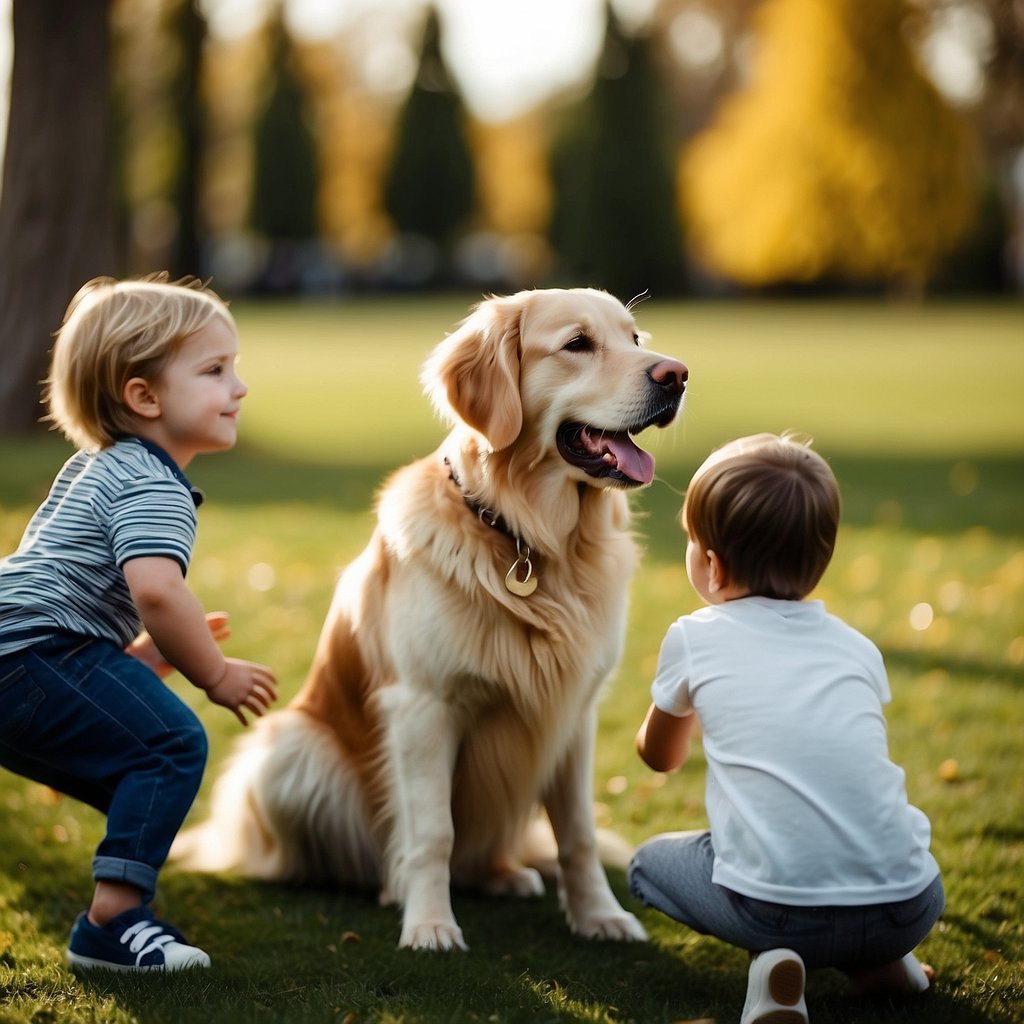
Different dog breeds have various activity levels and needs. Understanding these can help ensure a happy home for you and your pet.
Labrador Retrievers
Labrador Retrievers are highly energetic. They need about one to two hours of exercise daily, and activities like running, swimming, and playing fetch are great for them.
Beagles
Beagles thrive in active families. They are happy with daily walks and at least an hour of playtime. Their excellent sense of smell means they enjoy games that involve tracking scents.
Golden Retrievers
Golden Retrievers are also highly energetic. They require about an hour and a half of exercise daily, including walks, runs, and play sessions.
Poodles (Standard)
Standard Poodles are very active. They need about an hour of daily exercise. They enjoy activities challenging their physical and mental abilities, such as agility training.
Australian Shepherds
Australian Shepherds are incredibly energetic and require at least two hours of exercise daily. They excel in activities like herding, agility, and fetch.
Bichon Frises
Bichon Frises are moderately active. They need about 30 minutes to an hour of exercise daily, which can meet short walks and indoor playtime.
Boxers
Boxers have high energy levels. They need at least an hour of exercise each day. They enjoy walks, runs, and vigorous play.
Cavalier King Charles Spaniels
Cavalier King Charles Spaniels are moderately active. About 30 minutes to an hour of exercise, including walks and playtime, is sufficient.
These activity guidelines will help you find a good match for your family’s lifestyle and ensure your furry friend stays happy and healthy.
Health Considerations for Family Dogs
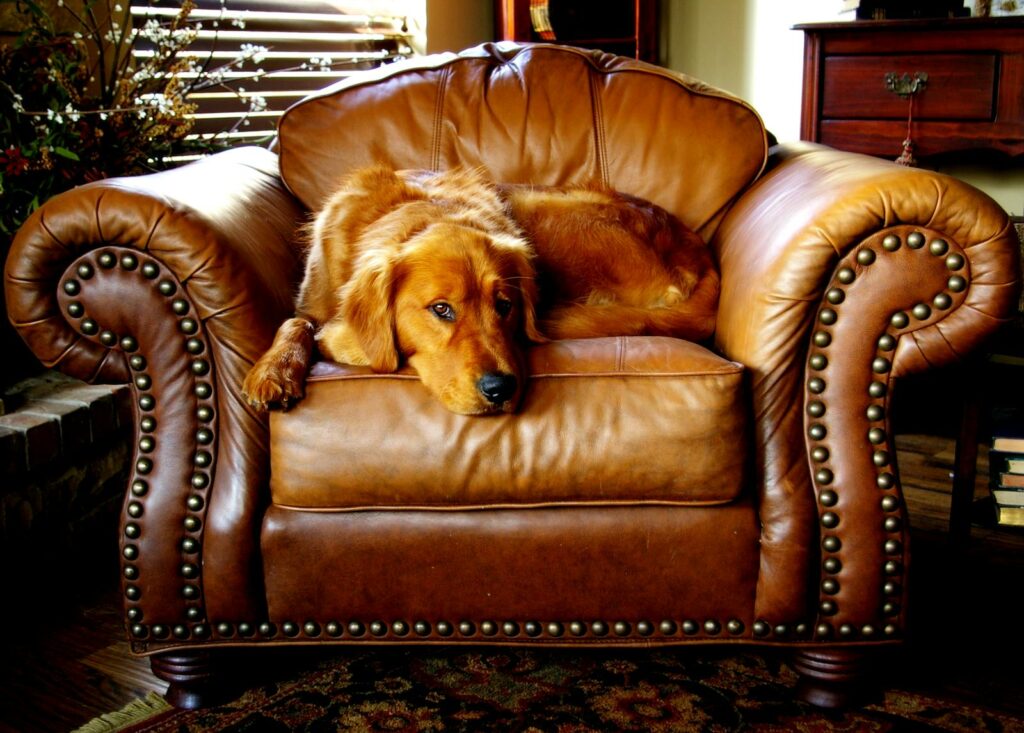
When choosing a dog for your family, consider its health. Here are some key health considerations.
Common Health Issues
Dogs can suffer from a variety of health problems. Some breeds are prone to hip dysplasia, while others might have allergies or heart conditions. Research the common health issues for any breed you’re considering.
Vet Visits and Vaccinations
Regular vet visits are essential. Puppies need a series of vaccinations to protect against diseases. After initial shots, annual checkups and booster shots are necessary to keep your dog healthy.
Diet and Exercise
A balanced diet and regular exercise help keep your dog in good shape. Overfeeding can lead to obesity, which can cause joint problems and diabetes. Make sure your dog gets daily exercise to stay fit and happy.
Exercise tips:
- Walks
- Play fetch
- Agility training
Grooming Needs
Grooming can vary depending on the breed. Some dogs need regular brushing to keep their coat healthy, while others might need professional grooming.
Grooming tasks:
- Brushing
- Nail trimming
- Ear cleaning
Age-Specific Health Concerns
Puppies and older dogs have unique health needs. Puppies need frequent vet visits and vaccinations, while senior dogs might require special diets or supplements. Watch for signs of aging in your dog to address any health issues promptly.
For more details on family-friendly dog breeds, consider visiting Rover or Dog Carely. These resources provide valuable insights into finding the right dog for your family.
Adoption and Puppy Selection
When bringing a new puppy into your home, you can adopt or purchase it. Both have pros and cons. Selecting a puppy that fits your family’s needs and lifestyle is also crucial.
Adoption vs. Purchasing
Adopting a puppy from a shelter can be an excellent choice. You give a dog a second chance at a loving home; adoption fees are usually lower than purchase prices. Many shelters also include vaccinations and neutering in the adoption fee, which can save you money.
On the other hand, purchasing a puppy from a reputable breeder can offer more predictability regarding the puppy’s health and temperament. Breeders often provide health guarantees and early training. This route is often chosen by those seeking specific breeds with certain characteristics.
Adoption centers may have mixed-breed puppies that inherit the best qualities from both parents. Meanwhile, breeders can offer purebreds typically raised with attention to the breed’s standard traits.
Choosing the Right Puppy
Consider your family’s activity level when selecting a puppy. Energetic breeds like Golden Retrievers or Beagles need lots of exercise, while more relaxed breeds like Bulldogs are happy with short walks.
Look at the puppy’s temperament. Friendly, playful, and tolerant puppies are usually better with children than shy or aggressive ones. Please spend some time with the puppy before deciding to see how they interact.
Think about the size of your home. Smaller dogs like a Cocker Spaniel or Pomeranian can thrive in apartments, while larger breeds may need more space to roam around.
Keep in mind any allergies. Some breeds are hypoallergenic, which can be important if anyone in your family has pet allergies. If allergies are a concern, consider breeds like poodles or bichon frises.
Maintenance and Care for Family-Friendly Dogs
Knowing how to care for a family-friendly dog is essential. Keeping your furry friend healthy and happy doesn’t have to be complicated.
Exercise Needs
Different breeds require different amounts of exercise. For instance, Labrador Retrievers need plenty of playtime and long walks. On the other hand, a Havanese might be satisfied with shorter, more frequent play sessions.
Grooming Requirements
Grooming varies by breed, too. Some dogs, like Havanese, have silky coats that need regular brushing. Other breeds, like Beagles, have shorter coats that require less grooming but still benefit from regular baths and nail trims.
| Breed | Grooming Frequency |
|---|---|
| Havanese | Daily brushing |
| Beagle | Weekly brushing, occasional baths |
| Labrador Retriever | Regular brushing, seasonal shedding |
Feeding
Feeding your dog a balanced diet is essential. Choose high-quality food that suits their age, size, and activity level. Puppies need more frequent meals, while adult dogs typically get by with two meals daily.
Training
Training is crucial for a well-behaved pet. Positive reinforcement works well for most breeds. Consistent training helps your dog learn good manners and strengthens the bond between you and your pet.
Health Check-Ups
Regular vet visits are a must. Routine check-ups help catch any health issues early. Vaccinations, flea treatments, and deworming are essential to maintaining your dog’s health.
Taking these steps ensures your family-friendly dog stays happy and healthy.
Conclusion
Choosing the right dog for your family depends on your lifestyle and children’s needs. It’s crucial to consider gentle, patient, and good dogs with kids.
Golden Retrievers and Labrador Retrievers are excellent choices because of their loving and friendly nature. Both breeds are known for being intelligent and easy to train.
Beagles might also fit well in your family. They are known for their even temper and can be a good match for active kids. They aren’t too big or small, making them manageable for children.
The Wheaten Terrier is a fantastic option for families who prefer medium-sized dogs. This breed is confident, affectionate, and gets along well with kids and other pets.
Consider size, temperament, and energy levels when choosing a dog to ensure a harmonious household. Happy doggy days ahead!
A Call to Action
Choosing the right dog breed for your family is a big decision. It influences your and your children’s daily life. You want a gentle, playful dog that loves being around kids.
Start by researching breeds known for being great with kids. Consider breeds like the Golden Retriever or Beagle. Both are friendly and affectionate and adapt well to family life.
Visit AKC’s list of best dog breeds for kids for more ideas. This can help you find a breed that fits your family’s needs and lifestyle.
Talk with breeders or adoption agencies to understand the dog’s personality and needs. Ask other families about their experiences with different breeds. Personal stories provide valuable insights.
Key Points to Consider:
- Temperament: Is the dog gentle and patient?
- Energy Level: Does it match your family’s activity level?
- Size: Is the dog too big or too small for your home?
After choosing a breed, think about adoption. Many dogs are in shelters waiting for a loving home. Check out local shelters or BeChewy’s Guide to Family Dogs for options.
Prepare your home before your new furry friend arrives. Ensure you have the right supplies, such as a bed, toys, and food, and create a safe and welcoming environment for your new pet.
Getting a dog can enrich your family’s life. Start your journey today and bring home a new friend for your kids to grow up with.

Elizabeth Redd has been in Washington, D. C. since 1970. Welcome to "Pooch Wellness Path," your trusted guide to enhancing the well-being of your cherished furry friends. At the heart of our community lies a commitment to holistic wellness, combining comprehensive care with unconditional love.
We're here to offer you the latest nutrition, fitness, mental health, and preventive measures, lighting the way to peak health for your pet. Dive into our thriving network of dog lovers, where the happiness of our companions takes center stage.
We're all about sharing groundbreaking wellness tips and nurturing an environment where every dog thrives. Step into Pooch Wellness Path, where each joyful bark and wag is a testament to thriving health.

