
The Unexpected Foods That Could Harm Your Dog – Are They on Your Shopping List?
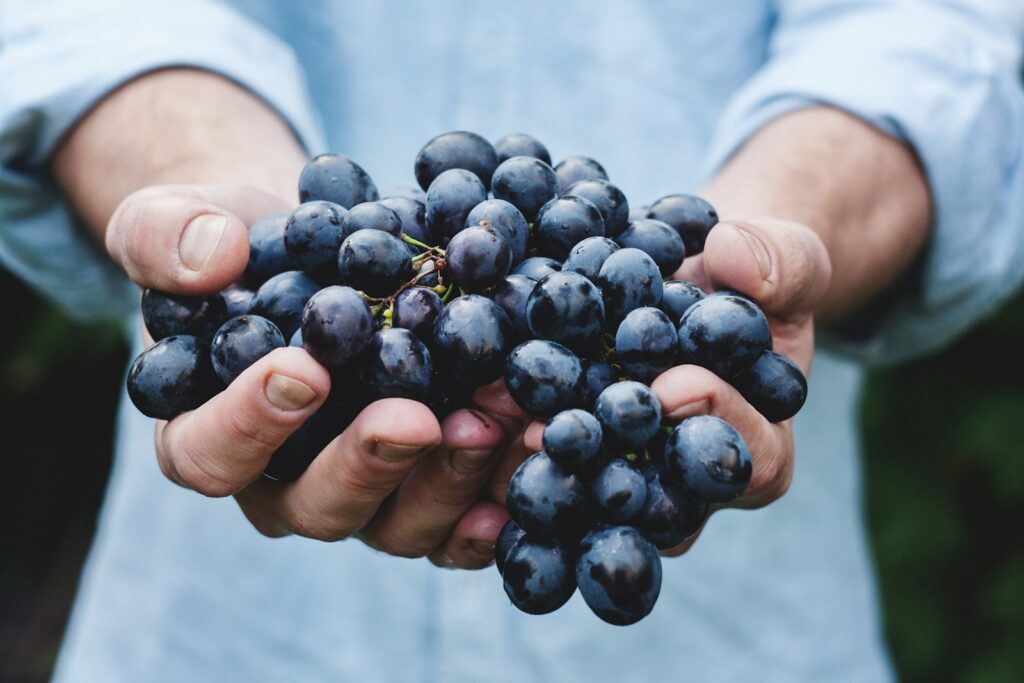
As a dog owner, you must be careful about what you feed your furry friend. Some foods that are fine for humans can be awful for dogs. Chocolate, grapes, raisins, and macadamia nuts are among the most toxic foods for dogs.
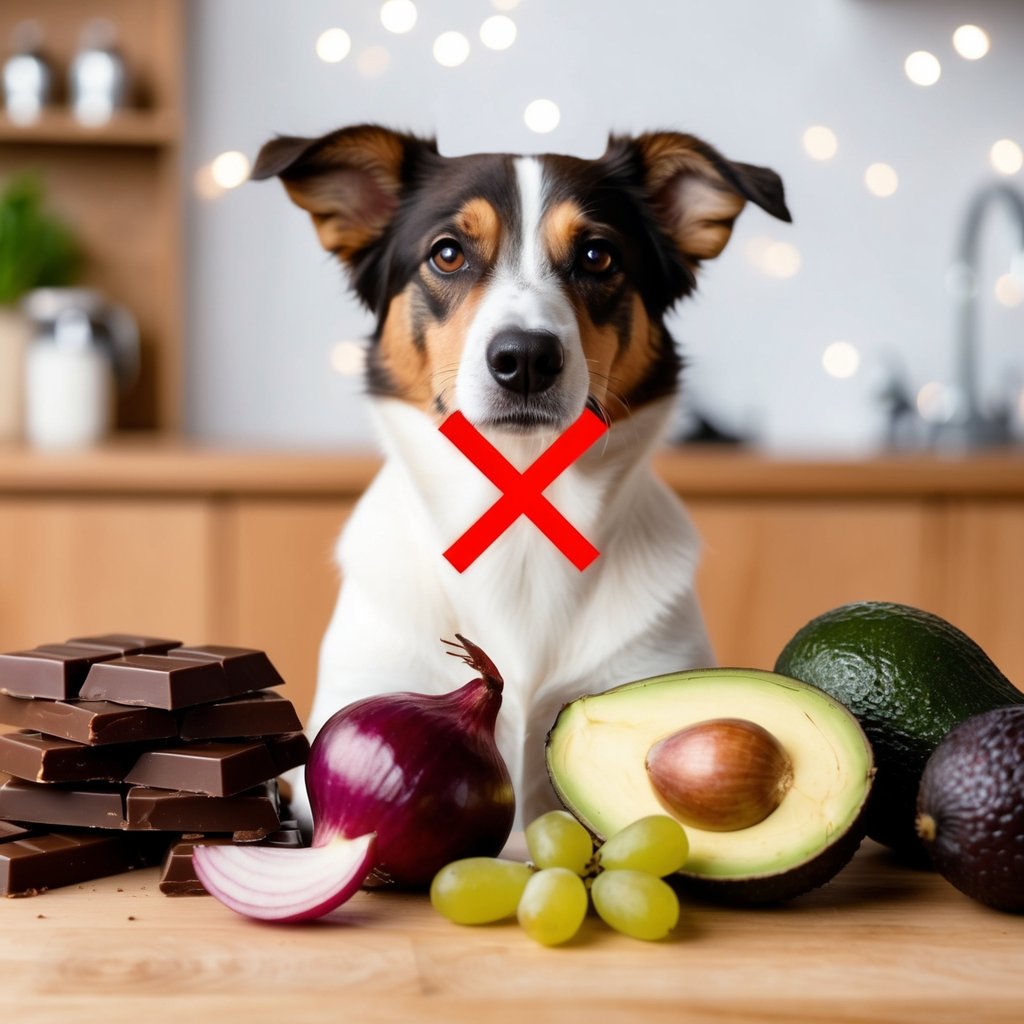
Knowing which foods to avoid can help keep your dog safe and healthy. Even small amounts of some foods can make your dog very sick, so it’s essential to learn about these dangers so you can protect your pet.
This guide will cover the top foods that are harmful to dogs. You’ll learn why these foods are dangerous and what to do if your dog eats them. You’ll be better prepared to keep your dog safe from common food hazards by the end.
Understanding Food Toxicity in Dogs
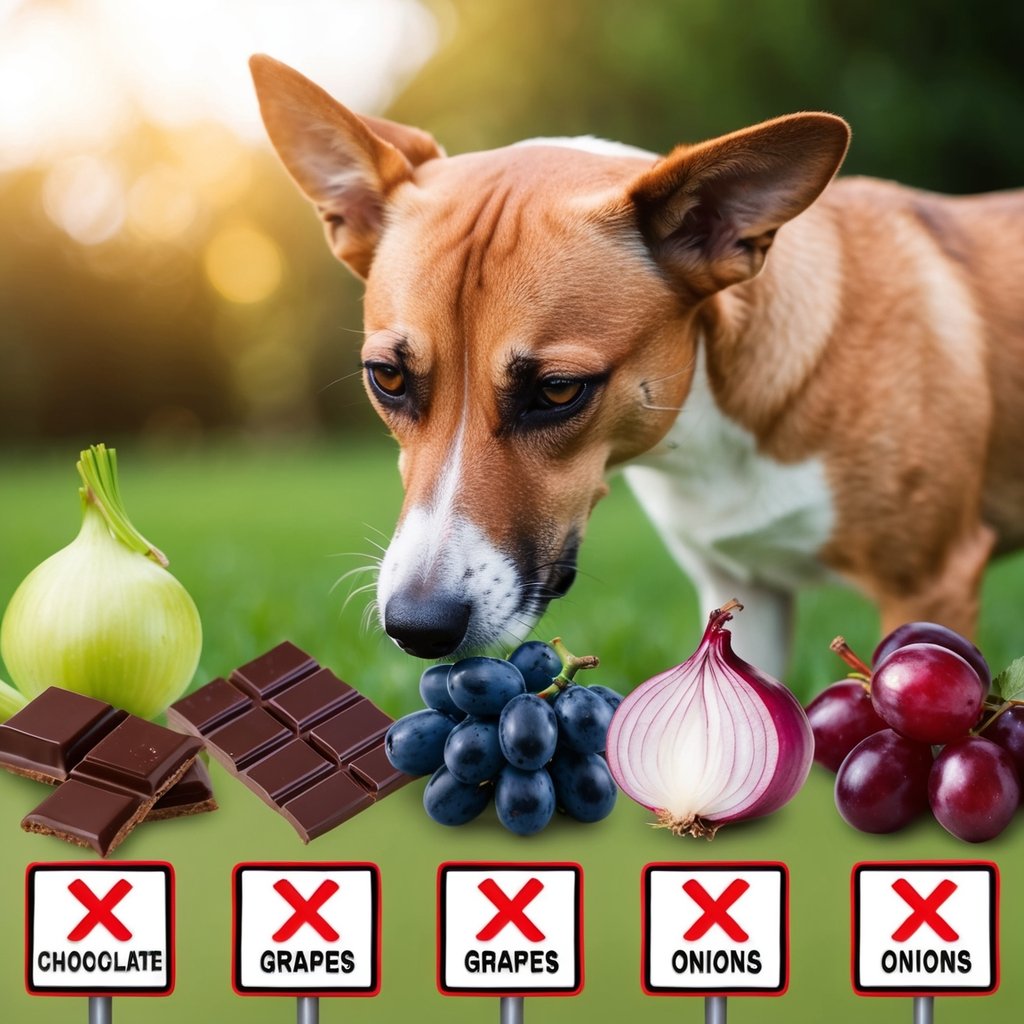
Dogs can get sick from eating certain foods that are safe for humans. Knowing which foods are toxic is important to keep your furry friend healthy.
Some foods can cause mild stomach upset in dogs. Others may lead to more severe problems like organ damage or even death.
The amount eaten matters. A small bite might not hurt, but more significant amounts can be dangerous. A dog’s size and health also affect how toxic a food is.
Common toxic foods for dogs include:
- Chocolate
- Grapes and raisins
- Onions and garlic
- Xylitol (artificial sweetener)
- Macadamia nuts
These foods can harm dogs in different ways. For example, chocolate can damage a dog’s heart and nervous system, and grapes may cause kidney failure.
Signs of food poisoning in dogs can include:
- Vomiting
- Diarrhea
- Lack of appetite
- Weakness
- Seizures
Call your vet immediately if you think your dog ate something toxic. Quick action can make a big difference.
To keep your dog safe, store harmful foods out of reach. Be careful when cooking or eating these foods. Tell everyone in your home which foods are off-limits for your pet.
Common Human Foods Dangerous to Dogs
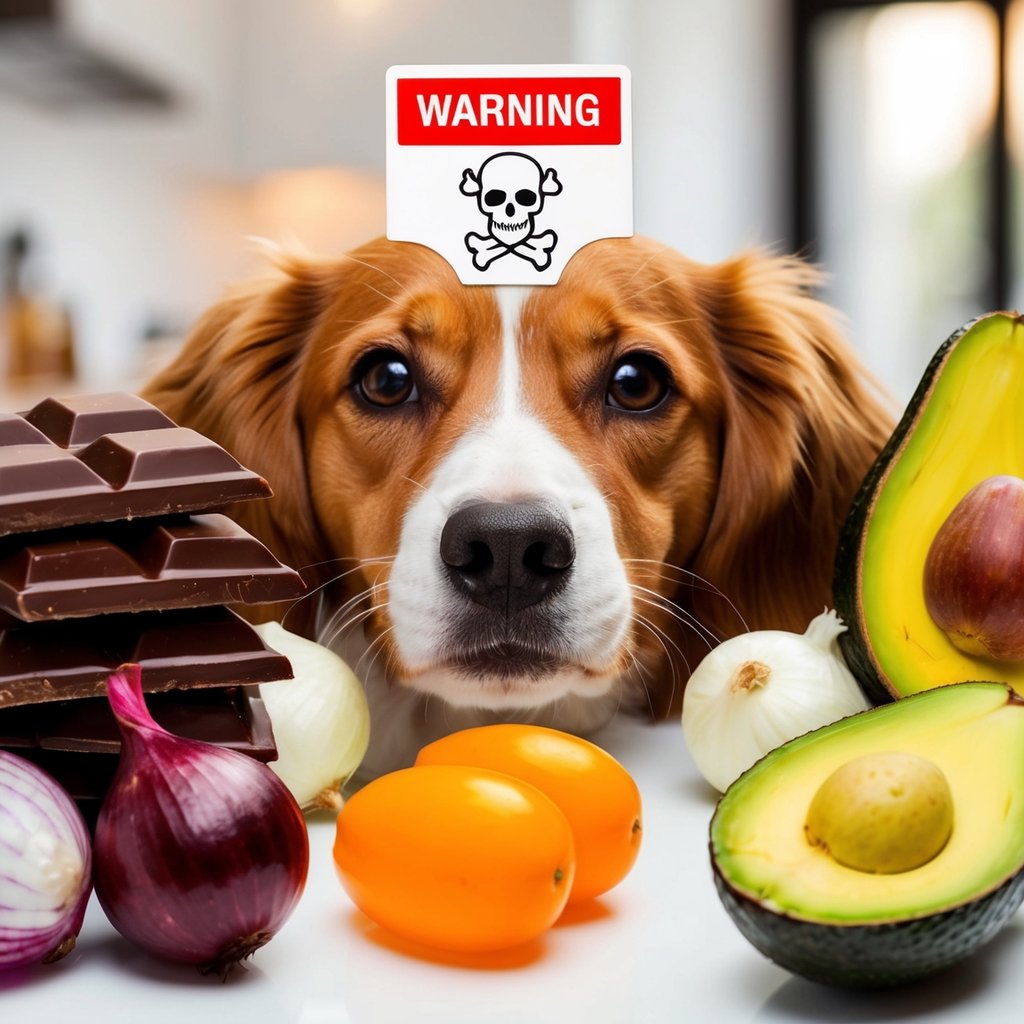
Dogs can get very sick from eating certain human foods. Knowing which foods are harmful can keep your pet safe.
Chocolate and Caffeine
Chocolate is toxic to dogs and can cause serious health issues. The darker the chocolate, the more dangerous it is. Even small amounts can make your dog sick.
Symptoms of chocolate poisoning include:
- Vomiting
- Diarrhea
- Rapid breathing
- Seizures
Caffeine is also bad for dogs. It’s found in coffee, tea, and some sodas. Keep these drinks out of your dog’s reach.
Call your vet immediately if your dog eats chocolate or drinks caffeine.
Grapes and Raisins
Grapes and raisins can hurt your dog’s kidneys. Even a tiny amount can be harmful. It’s unclear why these fruits are toxic to dogs, but the effects can be severe.
Signs of grape or raisin poisoning include:
- Vomiting
- Diarrhea
- Lack of energy
- Decreased urine output
Don’t give your dog any foods that contain grapes or raisins, including some types of trail mix and baked goods.
Xylitol Containing Products
Xylitol is an artificial sweetener found in many sugar-free products. It’s hazardous for dogs. Even a tiny amount can cause a significant drop in blood sugar and liver failure.
Products that might contain xylitol:
- Sugar-free gum
- Some peanut butter brands
- Low-calorie desserts
- Some toothpastes
Always check labels before giving your dog any human food or products. If you think your dog ate something with xylitol, get a vet’s help immediately.
Alcoholic Beverages
Alcohol is terrible for dogs. It can cause vomiting, diarrhea, and trouble with coordination. In severe cases, it can lead to coma or death.
Keep all alcoholic drinks away from your dog. This includes:
- Beer
- Wine
- Liquor
- Foods cooked with alcohol
Be careful at parties or gatherings where drinks might be left out. Clean up spills quickly to keep your dog safe.
Onions, Garlic, and Chives
These foods can damage your dog’s red blood cells, leading to anemia. Raw, cooked, powdered, and dried forms of onions, garlic, and chives are harmful.
Onion or garlic poisoning symptoms may not show up for a few days. Look out for:
- Weakness
- Vomiting
- Breathing problems
- Pale gums
Many human foods contain these ingredients. Always check before sharing your meal with your dog.
Fruits and Vegetables Harmful to Dogs
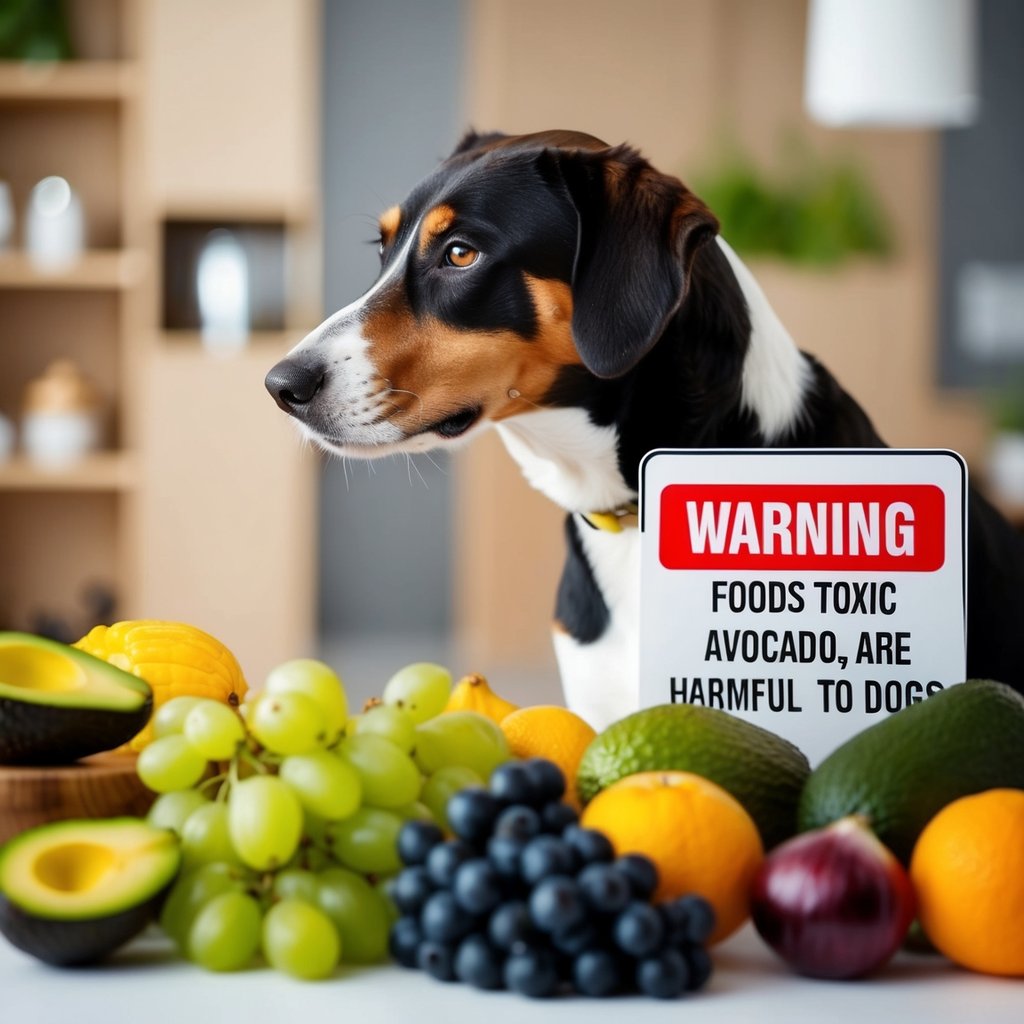
Some common fruits and vegetables can be toxic to dogs, and consuming them may cause serious health issues. Always check before giving your dog human food.
Avocado
Avocados contain persin, a toxin that can harm dogs. This substance is found in all parts of the avocado plant, including the fruit, pit, leaves, and bark. If your dog eats avocado, they might get sick.
Symptoms of avocado poisoning in dogs include:
- Vomiting
- Diarrhea
- Stomach pain
The pit is also a choking hazard. If swallowed, it can block your dog’s digestive tract. To prevent accidents, keep avocados out of your dog’s reach.
Macadamia Nuts
Macadamia nuts are very dangerous for dogs. Even a tiny amount can make your dog sick. These nuts can cause weakness, depression, vomiting, and fever in dogs.
Other symptoms of macadamia nut poisoning include:
- Muscle tremors
- Difficulty walking
- Joint pain
The exact toxic substance in macadamia nuts is unknown. But the effects can last up to 48 hours. If you think your dog ate macadamia nuts, call your vet immediately.
Persimmons, Peaches, and Plums
These fruits can be harmful to dogs because of their pits. The pits contain cyanide, which is toxic to dogs. They can also cause blockages in your dog’s digestive system.
Peach and plum pits are hazardous. They can get stuck in your dog’s throat or intestines, leading to serious health problems.
Signs your dog may have eaten these fruits include:
- Vomiting
- Loss of appetite
- Abdominal pain
If you grow these fruits at home, ensure your dog can’t reach them. Permanently remove the pits before giving your dog any safe fruits as treats.
Uncooked Foods and Raw Diets
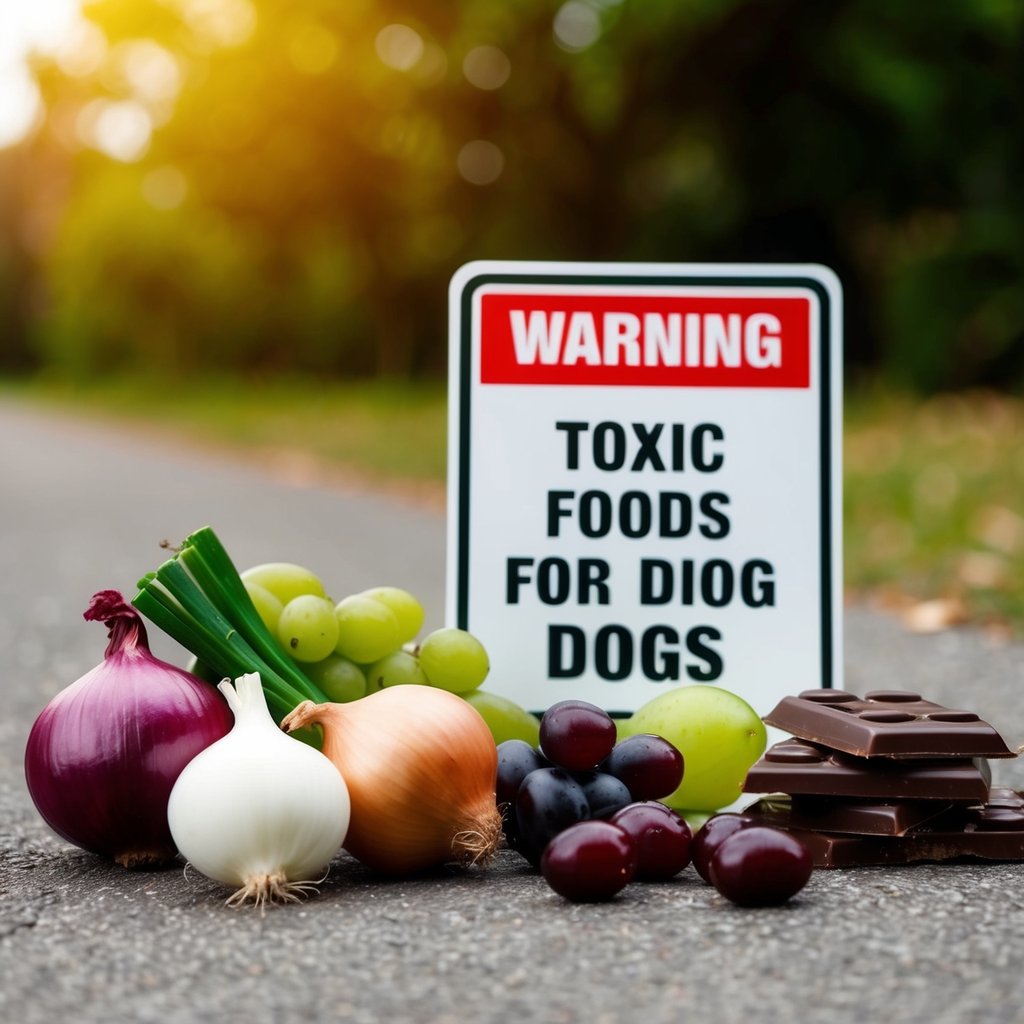
Feeding your dog uncooked foods can be risky. Raw diets might seem natural, but they can cause health problems for your pet. Let’s look at some specific raw foods to avoid.
Raw Meat and Fish
Raw meat and fish can contain harmful bacteria like E. coli and Salmonella. These can make your dog very sick. Raw fish may also have parasites.
Don’t give your dog:
- Uncooked chicken
- Raw beef
- Unprepared pork
- Raw salmon or trout
Cooking meat and fish kills harmful germs, making them safer for your pet to eat. If you want to give your dog meat or fish, ensure it’s fully cooked first.
Raw Eggs
Raw eggs are another food to keep away from your dog. They can cause problems in two ways:
- Raw egg whites have a protein that can hurt your dog’s skin and coat.
- Raw eggs might have Salmonella, which can make your dog sick.
Instead of raw eggs, you can give your dog cooked eggs as a treat. Make sure they’re well-cooked with no runny parts. This way, your dog can enjoy eggs safely.
Dairy and High-Fat Foods
Certain dairy products and fatty foods can cause dogs trouble digesting. They may cause stomach upset or more severe health issues. To keep your dog healthy, avoiding giving them these foods is best.
Milk and Dairy Products
Milk and other dairy products can be challenging for dogs to digest. Many dogs are lactose intolerant. This means their bodies can’t break down the sugars in milk properly.
If your dog eats dairy, they might get an upset stomach. Look out for signs like:
- Diarrhea
- Gas
- Vomiting
- Bloating
Small amounts of cheese or yogurt are usually okay. But it’s best to avoid giving your dog milk, ice cream, or large amounts of dairy.
High-Fat Meats and Snacks
Fatty foods can cause problems for dogs. High-fat meats and snacks may lead to pancreatitis, a painful inflammation of the pancreas.
Foods to avoid include:
- Bacon
- Fried chicken
- Potato chips
- Greasy burgers
These foods can also make your dog gain weight. Obesity in dogs can lead to joint problems, diabetes, and heart disease.
Instead, give your dog lean meats and healthy treats. Always check with your vet about the best diet for your pet.
Foods with High Salt and Sugar Content
You should be careful about giving your dog foods with lots of salt or sugar. These ingredients can be harmful to dogs in large amounts.
Salt can make dogs very thirsty and cause stomach problems. Too much salt may lead to sodium poisoning in severe cases.
Sugar isn’t toxic, but it’s not suitable for dogs. It can cause weight gain and tooth decay. Chocolate is especially dangerous because it contains both sugar and chemicals that are toxic to dogs.
Some human foods to avoid giving your dog include:
• Candy and sweets
• Salty snacks like chips or pretzels
• Sugary baked goods
• Ice cream
It’s best to stick to dog food and treats made for canines. These are designed to meet their nutritional needs without excess salt or sugar.
If you want to treat your dog, try small pieces of plain cooked meat or dog-safe fruits and veggies instead. Always check if food is safe before sharing it with your pup.
Recognizing Symptoms of Food Poisoning in Dogs
If your dog eats something toxic, it’s crucial to spot the signs quickly. Watch for these common symptoms of food poisoning in dogs:
- Vomiting
- Diarrhea
- Excessive drooling
- Panting
- Increased thirst
- Frequent urination
Your dog might show one or more of these symptoms. The severity can vary based on what they ate and how much.
Keep an eye out for more severe signs, too:
- Lethargy
- Loss of appetite
- Abdominal pain
- Tremors or seizures
- Difficulty breathing
Act fast if you notice these symptoms, especially after your dog has eaten something new or unusual. Quick treatment is vital to helping your dog recover.
Remember, some toxic foods might not cause immediate symptoms. Stay alert for changes in your dog’s behavior or eating habits following exposure to a potentially harmful food.
Always err on the side of caution. Contact your vet immediately if you suspect your dog has eaten something toxic. They can guide you on how to keep your furry friend safe and healthy.
Immediate Actions to Take if Your Dog Ingests Toxic Foods
If you think your dog ate something toxic, act fast. Time is crucial.
Call your vet right away. Tell them what your dog ate and how much. They’ll give you the best advice for your situation.
Don’t make your dog throw up unless the vet says to. Some toxins can cause more harm coming back up.
Watch your dog closely. Look for signs like:
- Vomiting
- Diarrhea
- Drooling
- Seizures
- Lethargy
Keep any leftover food or packaging. This can help the vet figure out what’s wrong.
Call an animal poison control center if you can’t reach your vet. They’re open 24/7 and can provide expert advice.
Take your dog to the vet if symptoms appear. Quick treatment can make a big difference.
Remember, prevention is best. Keep toxic foods out of your dog’s reach, and know what foods are dangerous for dogs.
Stay calm, but act quickly. Your fast response can help keep your dog safe.
Conclusion
Protecting your dog from toxic foods is crucial for their health and well-being. Knowing which foods to avoid can protect your furry friend from potential harm.
Remember to store dangerous items out of reach. Chocolate, grapes, and onions are some of the most common toxic foods for dogs. Always be cautious when sharing human food with your pet.
Contact your vet immediately if you suspect your dog has eaten something toxic. Quick action can prevent serious health issues.
Create a safe environment by educating everyone in your household about foods dogs can’t eat. This includes children and visitors who might not know the risks.
Stay informed about pet safety. New research may reveal additional foods that are harmful to dogs. Regular check-ups with your vet can help you stay up-to-date on the latest information.
By being vigilant and informed, you can ensure your dog leads a happy, healthy life free from the dangers of toxic foods.
A Call to Action
As a dog owner, you are responsible for your pet’s safety. Take steps to protect your furry friend from harmful foods.
Learn which foods are toxic to dogs. Please make a list and keep it handy in your kitchen. Share this information with family members and anyone who cares for your dog.
Store dangerous foods out of reach. Please put them in high cabinets or sealed containers. Be extra careful with items like grapes, raisins, and chocolate, which are toxic to dogs.
When cooking, keep your dog away from the kitchen. This prevents accidental ingestion of harmful ingredients.
Be cautious when eating outside. Don’t leave food where your dog can reach unattended; clean up any dropped food immediately.
Teach your dog the “leave it” command. This can stop them from eating something dangerous they find on walks or at home.
If you suspect your dog has eaten a toxic food, act fast. Call your vet or an animal poison control hotline right away. Quick action can save your dog’s life.
Remember, prevention is vital. You can keep your dog safe from toxic foods by being aware and taking simple precautions.

Elizabeth Redd has been in Washington, D. C. since 1970. Welcome to "Pooch Wellness Path," your trusted guide to enhancing the well-being of your cherished furry friends. At the heart of our community lies a commitment to holistic wellness, combining comprehensive care with unconditional love.
We're here to offer you the latest nutrition, fitness, mental health, and preventive measures, lighting the way to peak health for your pet. Dive into our thriving network of dog lovers, where the happiness of our companions takes center stage.
We're all about sharing groundbreaking wellness tips and nurturing an environment where every dog thrives. Step into Pooch Wellness Path, where each joyful bark and wag is a testament to thriving health.

