
Are you seeking a comprehensive guide on providing your furry friend with the best nutrition possible? Look no further than “The Ultimate Guide to Dog Nutrition.” This guide covers everything you need to know about feeding your dog, from the types of food available to the specific dietary needs of different breeds.
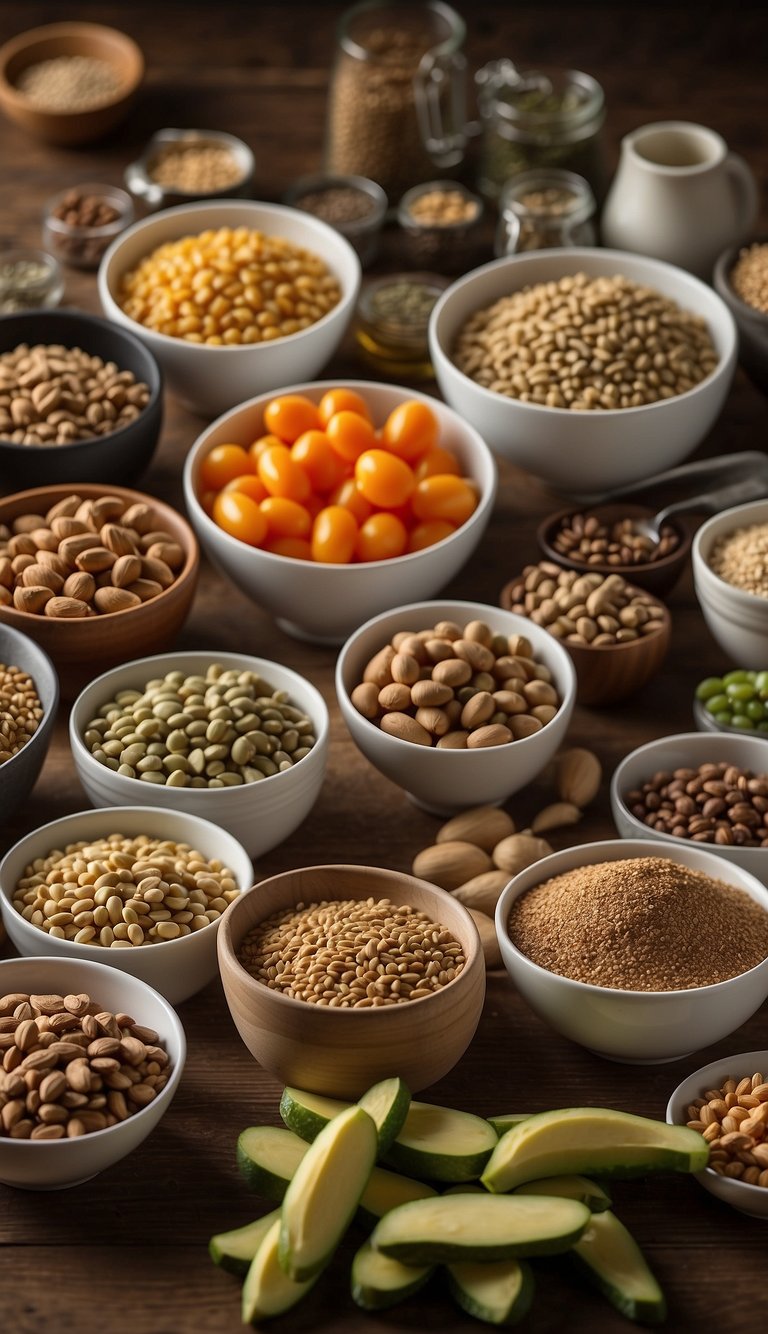
One of the most important things to consider regarding dog nutrition is the type of food you feed your pet. “The Ultimate Guide to Dog Nutrition” covers all the types of dog food available, including dry, wet, and raw food options. You’ll learn about the benefits and drawbacks of each type of food and which type might be best for your dog.
In addition to food types, “The Ultimate Guide to Dog Nutrition” also covers dietary needs and healthy recipes for your furry friend. You’ll learn about the specific nutrients your dog needs to stay healthy and how to ensure they are getting enough of each nutrient. Plus, you’ll find plenty of healthy recipes at home to provide your dog with delicious and nutritious meals every day.
Understanding Dog Nutrition
Understanding the basics of dog nutrition is essential for your furry friend’s health and happiness. Feeding your dog a balanced diet that meets its nutritional needs can help keep it healthy and happy.
Macronutrients
Macronutrients are the building blocks of your dog’s diet. They include protein, fat, and carbohydrates. Your dog’s diet should contain a balance of these macronutrients to support their overall health.
Protein is essential for building and repairing muscle tissue, supporting the immune system, and maintaining healthy skin and coat. According to the AAFCO, the minimum dietary protein required for an adult dog is 8% dry matter, while a growing pup needs at least 18% dry matter source.
Fat provides energy, promotes vitamin absorption, maintains healthy skin and coats, and helps with inflammation. On a dry matter basis, adult dog food should contain 5.5% fat, and food for the “growth” stage should contain an 8.5% fat source.
Carbohydrates supply energy, generate body heat, and provide dietary fiber. Sweet potatoes, brown rice, and oats are good sources of carbohydrates for dogs.
Vitamins and Minerals
Vitamins and minerals are essential for your dog’s overall health and well-being. They help support the immune system, aid digestion, and promote healthy bones and teeth.
Some critical vitamins for dogs include vitamins A, D, and E. Vitamin A helps support vision and skin health, while vitamin D aids in calcium absorption and bone growth. Vitamin E is an antioxidant that helps protect against cell damage.
Minerals are also essential for your dog’s health. Calcium and phosphorus are essential for strong bones and teeth, while iron transports oxygen throughout the body.
Water Intake
Water is essential for your dog’s health. It helps regulate body temperature, aids digestion, and transports nutrients. Make sure your dog always has access to fresh, clean water.
By understanding the basics of dog nutrition, you can make informed decisions about what to feed your furry friend. A balanced diet that meets their nutritional needs can help keep them happy and healthy for years.
Assessing Dietary Needs

When it comes to feeding your dog, it’s essential to consider their dietary needs. In this section, we’ll cover some key considerations to keep in mind when assessing your dog’s dietary needs.
Life Stage Nutrition
Dogs have different nutritional needs depending on their life stage. Puppies, for example, require more protein and calories than adult dogs to support their growth and development. On the other hand, senior dogs may require fewer calories and more fiber to help maintain a healthy weight and support their aging bodies.
When selecting food for your dog, be sure to choose one appropriate for its life stage. Look for labels that indicate the food is formulated for puppies, adults, or seniors.
Activity Level Considerations
Another important factor to consider when assessing your dog’s dietary needs is its activity level. Highly active dogs, such as working dogs or those who participate in sports like agility, may require more calories and protein to support their energy needs.
Conversely, less active dogs or those with lower energy needs may require fewer calories to maintain a healthy weight. A dog food calculator can help you determine the appropriate amount of food to feed your dog based on its activity level and other factors.
Special Dietary Requirements
Finally, it’s essential to consider your dog’s unique dietary requirements. Some dogs may have food allergies or sensitivities that require a special diet, and others may have medical conditions that require a specific type of food or nutrient profile.
If you suspect your dog may have a special dietary requirement, it’s essential to consult with your veterinarian. They can help you determine the best action and recommend a diet that meets your dog’s needs.
By considering your dog’s life stage, activity level, and special dietary requirements, you can help ensure they receive the proper nutrition they need to thrive.
Exploring Food Types
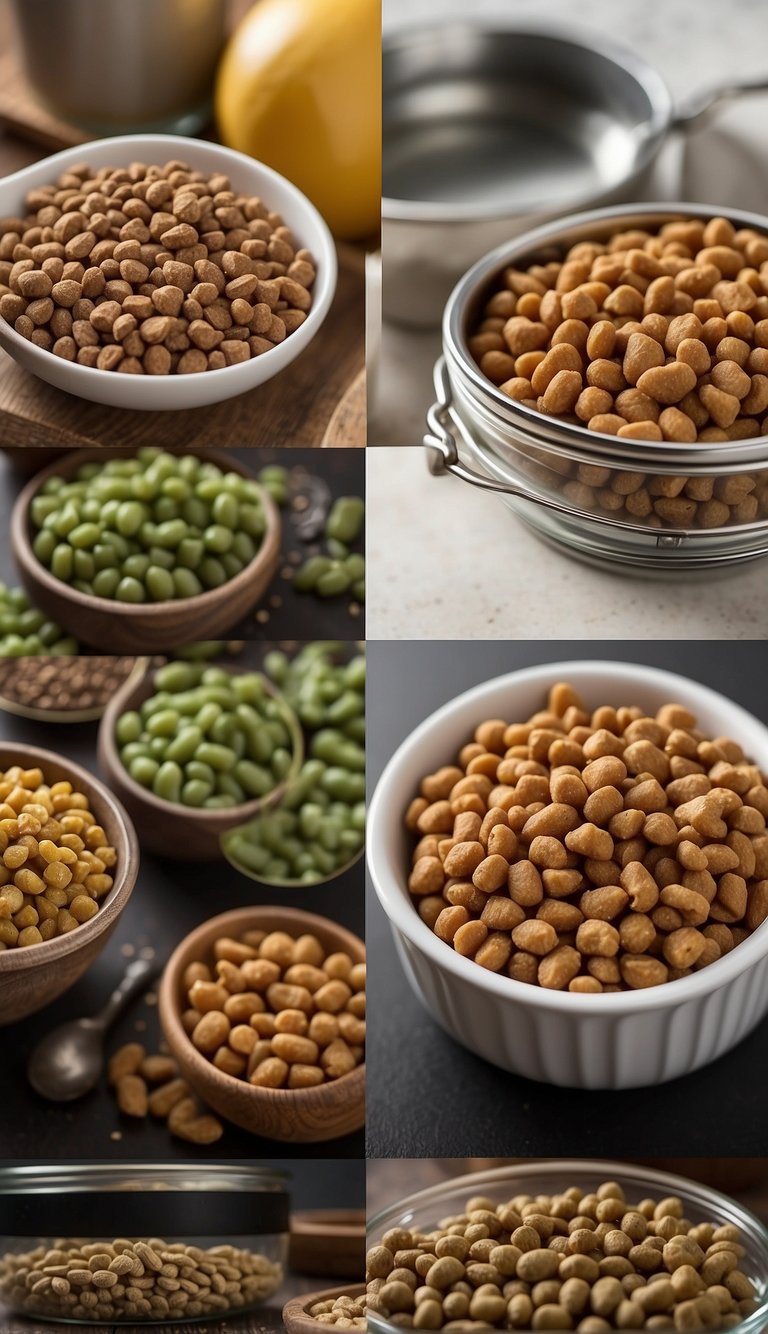
When it comes to feeding your furry friend, there are three main types of food to consider: commercial dog foods, raw diets, and homemade meals. Each type has its benefits and drawbacks, and it’s essential to understand them to make the best decision for your dog’s nutritional needs.
Commercial Dog Foods
Commercial dog foods are popular and widely available in pet stores and supermarkets. They come in two primary forms: dry kibble and wet canned food. Dry kibble is the most common type of commercial dog food and is convenient to store and serve. On the other hand, wet canned food has a higher moisture content and can be a good option for dogs who need more hydration in their diet.
When choosing a commercial dog food, it’s essential to read the label carefully to ensure it meets your dog’s nutritional needs. Look for a food with high-quality protein as the first ingredient, and avoid foods containing fillers, artificial preservatives, and colors.
Raw Diets
Raw diets are becoming increasingly popular among dog owners who want to feed their dogs more naturally. Raw diets typically consist of raw meat, bones, and organs and sometimes include fruits and vegetables. Proponents of raw diets argue that they are more biologically appropriate for dogs and can help improve their overall health.
However, some risks are associated with raw diets, including bacterial contamination and the potential for nutritional imbalances. If you choose to feed your dog a raw diet, you must research and consult with a veterinarian or canine nutritionist to ensure your dog gets all the nutrients they need.
Homemade Meals
Homemade meals are another option for dog owners who want more control over their dog’s diet. Homemade meals can be made from various ingredients, including lean meats, vegetables, and grains. Homemade meals can be a good option for dogs with specific dietary needs or allergies.
However, it’s vital to ensure that homemade meals are nutritionally balanced and provide all the nutrients your dog needs. Homemade meals can be time-consuming to prepare, and it’s essential to consult with a veterinarian or canine nutritionist to ensure your dog gets all the nutrients they need.
Healthy Recipes for Dogs

When feeding your furry friend, ensure they get all the nutrients they need to stay healthy and happy. While many commercial dog food options are available, making your own dog food can be a great way to ensure that your pup gets high-quality ingredients without any unnecessary additives or preservatives. Here are some healthy and easy-to-make recipes for your furry friend:
1. Chicken and Vegetable Stir Fry
This recipe is a great way to incorporate lean protein and veggies into your dog’s diet. Stir-fry some boneless, skinless chicken breast with a mix of vegetables like carrots, green beans, and broccoli. You can also add brown rice or quinoa for extra fiber and nutrients.
2. Turkey and Sweet Potato Stew
Turkey is a great source of lean protein, and sweet potatoes are packed with vitamins and minerals. To make this stew, cook ground turkey with diced sweet potatoes, carrots, and celery in a pot with low-sodium chicken broth. You can also add spinach or kale for extra nutrients.
3. Salmon and Sweet Pea Patties
Salmon is an excellent source of omega-3 fatty acids essential for your dog’s skin and coat health. Mix some canned salmon with cooked sweet peas, eggs, and oats to make these patties. Form the mixture into patties and bake in the oven for about 20 minutes.
4. Beef and Pumpkin Chili
Beef is an excellent source of protein and iron, and pumpkin is packed with vitamins and fiber. To make this chili, cook some ground beef with diced pumpkin, tomatoes, and kidney beans in a pot with low-sodium beef broth. You can add some chili powder and cumin for extra flavor.
5. Peanut Butter and Banana Treats
These treats are a great way to give your dog a healthy snack they’ll love. Mix some mashed bananas with natural peanut butter and rolled oats. Form the mixture into small balls and bake in the oven for about 15 minutes.
Making your own dog food can be a great way to ensure your pup gets all the nutrients it needs to stay healthy and happy. These recipes are easy to make and packed with healthy ingredients that your dog will love.
Feeding Practices

When it comes to feeding your dog, there are a few crucial factors to consider. This section will cover meal timing and frequency, portion control, and food allergies and intolerances.
Meal Timing and Frequency
The timing and frequency of your dog’s meals can significantly impact their overall health and well-being. Most adult dogs should be fed twice a day, with puppies requiring more frequent feedings. Establishing a regular feeding schedule and sticking to it as much as possible is crucial. This helps regulate your dog’s digestion and can prevent overeating.
Portion Control
Portion control is another important aspect of feeding your dog. It is essential to feed your dog the appropriate amount of food for its size, age, and activity level. Overfeeding can lead to obesity and other health problems, while underfeeding can cause malnutrition. Use a measuring cup or scale to ensure you’re feeding your dog the correct amount of food.
Food Allergies and Intolerances
Just like humans, dogs can have food allergies and intolerances. Common allergens include beef, chicken, dairy, and wheat. Talk to your vet if you suspect your dog has a food allergy or intolerance. They may recommend an elimination diet or other testing to determine the cause of your dog’s symptoms. Once you’ve identified the allergen, you can avoid it in your dog’s diet to prevent future reactions.
Following these feeding practices can help ensure your dog stays healthy and happy. Always consult your vet if you have concerns about your dog’s diet or health.
Common Misconceptions in Dog Nutrition
Many misconceptions can lead to confusion when it comes to feeding your furry friend. Here are some common misconceptions about dog nutrition that you should be aware of:
1. Grain-free diets are always better
Grain-free diets have become increasingly popular in recent years, with many dog owners believing that grains are bad for their pets. However, this is not always the case. While some dogs may have allergies or sensitivities to certain grains, most dogs can digest them without issues. Grains can provide essential nutrients such as fiber, vitamins, and minerals. Choosing a high-quality dog food with a balanced mix of grains and other ingredients is crucial.
2. Raw diets are always better
Raw diets have become popular among dog owners who believe they are more natural and healthier for their pets. However, raw diets can also be risky. Raw meat can contain harmful bacteria such as Salmonella and E. coli, making dogs and humans sick. In addition, raw diets may not provide all of the necessary nutrients that dogs need. It is essential to consult with a veterinarian before switching your dog to a raw diet.
3. Dogs need a lot of protein
While dogs need protein in their diets, they do not need as much as some believe. Too much protein can harm dogs, especially those with kidney issues. It is vital to choose dog food containing moderate protein and other essential nutrients such as carbohydrates and fat.
4. Table scraps are always rotten for dogs
While it is true that some human foods can be harmful to dogs, such as chocolate and grapes, not all table scraps are rotten. Some human foods, such as cooked lean meats and vegetables, can be healthy for dogs in moderation. However, avoiding feeding your dog foods high in fat, salt, and sugar is essential.
By understanding these common misconceptions about dog nutrition, you can make informed decisions about what to feed your furry friend. Always choose a high-quality dog food with a balanced mix of nutrients, and consult a veterinarian if you have any concerns about your dog’s diet.
Breed-Specific Dietary Considerations
When it comes to feeding your furry friend, there are many factors to consider, including their breed. Dog breeds have different nutritional needs based on size, age, and activity level. Here are some breed-specific dietary considerations to keep in mind:
Small Breeds
Small breeds have faster metabolisms and higher energy requirements than larger breeds. They also have smaller mouths, so it’s important to choose small kibble for them to chew comfortably. Small breed dogs are prone to dental problems, so it’s a good idea to feed them dry kibble, which helps to remove plaque and tartar from their teeth.
Large Breeds
Large breeds have slower metabolisms and lower energy requirements than smaller breeds. They also have enormous mouths, so choosing kibble large enough for them to chew comfortably is essential. Large-breed dogs are prone to joint problems, so it’s essential to feed them a diet that is low in fat and high in protein to help maintain a healthy weight.
Active Breeds
Active breeds, such as Border Collies and Australian Shepherds, require a diet high in protein and fat to fuel their active lifestyles. Look for dog food that contains real meat as the first ingredient, as this will provide them with the protein they need to build and maintain muscle.
Senior Breeds
Senior breeds have different dietary needs than younger dogs. As dogs age, they require fewer calories and more fiber to help maintain a healthy weight and prevent constipation. Look for food specifically formulated for senior dogs, as this will contain the right balance of nutrients to support their aging bodies.
Breed-Specific Dog Food
Although breed-specific dog food is unnecessary for all dogs, it can benefit some. Breed-specific dog food is formulated with the idea that certain breeds have unique nutritional needs. These foods might cater to a breed’s specific health concerns, energy levels, or even the shape and size of their mouths. If you’re considering feeding your dog breed-specific food, talk to your veterinarian first to ensure it’s the right choice for your furry friend.
Supplements for Dogs
As much as we try to provide our furry friends with a well-balanced diet, sometimes they need a little extra help. Supplements can be a great addition to your dog’s diet to help support their overall health and well-being. Here are some joint supplements and their benefits.
Joint Health
If your dog starts to slow down or has joint issues, supplements can help support their joint health. Glucosamine and chondroitin are two common supplements often used to support joint health. These supplements can help reduce inflammation and improve joint mobility. Omega-3 fatty acids are another supplement that can help support joint health by reducing inflammation.
Skin and Coat Supplements
A shiny coat and healthy skin are signs of a healthy dog. If your dog has dry, itchy skin or a dull coat, supplements can help. Omega-3 fatty acids in fish oil supplements can help improve skin and coat health. Vitamin E is another supplement that can help support healthy skin and coat.
Digestive Aids
If your dog has digestive issues, supplements can help support their digestive health. Probiotics are a supplement that can help promote healthy gut bacteria and improve digestion. Digestive enzymes are another supplement that can help improve digestion by quickly breaking down food.
Remember, supplements are not a substitute for a well-balanced diet. Always talk to your veterinarian before adding supplements to your dog’s diet. They can help you determine your furry friend’s right supplements and dosage.
Weight Management and Obesity Prevention
As a dog owner, you want your furry friend to live a long and healthy life. One way to help achieve this is by maintaining a healthy weight. Just like humans, dogs can suffer from obesity, which can lead to a range of health problems, including joint pain, diabetes, and heart disease.
Understanding Your Dog’s Weight
So, how do you know if your dog is overweight? One way is to check its body condition score (BCS). Veterinarians use this system to assess a dog’s weight and body fat. A BCS of 5 is ideal, with one emaciated and nine obese dogs.
Another way to assess your dog’s weight is to check its waistline. You should be able to feel its ribs without pressing too hard, and its waist should be visible when viewed from above.
Feeding Your Dog for Weight Management
If your dog is overweight, it is essential to work with your veterinarian to develop a weight loss plan. This plan may include a combination of exercise and dietary changes.
When it comes to feeding your dog for weight management, it’s crucial to choose a high-quality, low-calorie dog food. Look for foods high in protein and fiber, which can help your dog feel full and satisfied.
You may also want to consider feeding your dog smaller, more frequent meals throughout the day. This can help prevent overeating and keep their metabolism active.
Common Misconceptions
There are a few common misconceptions about dog weight management. One is that all dogs need the same amount of food. In reality, a dog’s dietary needs can vary based on its breed, age, and activity level.
Another misconception is that all weight loss diets are the same. In reality, many different types of weight loss diets are available, and it’s essential to work with your veterinarian to find the right one for your dog.
Final Thoughts
Maintaining a healthy weight is essential for your dog’s overall health and well-being. Understanding your dog’s weight and feeding it a healthy, balanced diet can help prevent obesity and keep it happy and healthy for years.
Navigating Food Labels and Regulations
When it comes to finding the right food for your dog, navigating through all the different options and labels can be overwhelming. Understanding how to read dog food labels is essential to make informed decisions about what you’re feeding your furry friend.
Guaranteed Analysis
One of the most important things to look for on a dog food label is the guaranteed analysis. This section lists the minimum amount of protein and fat and the maximum amount of fiber and moisture in the food. This information helps determine if the food meets your dog’s nutritional needs.
Ingredients List
The ingredients list is another crucial aspect of reading dog food labels. The ingredients are listed in order of weight, with the heaviest ingredient listed first. Look for high-quality protein sources like chicken, beef, or fish as the first ingredient. Avoid foods with fillers like corn or wheat, which provide little nutritional value.
Regulations
Dog food manufacturers must follow the Association of American Feed Control Officials (AAFCO) regulations. AAFCO sets standards for ingredients, nutrient levels, and labeling. Look for foods that meet AAFCO’s standards for complete and balanced nutrition.
Common Misconceptions
There are many misconceptions about dog food labels, so it’s essential to separate fact from fiction. For example, “natural” and “organic” don’t necessarily mean healthy or nutritious food. Similarly, terms like “grain-free” or “gluten-free” don’t automatically make food better for your dog.
By understanding how to read dog food labels and their regulations, you can make informed decisions about what to feed your furry friend. Remember to look for high-quality protein sources, avoid fillers, and choose foods that meet AAFCO’s standards for complete and balanced nutrition.
Resources and Expert Advice
Regarding dog nutrition, many resources and experts are available to help you make informed decisions about what to feed your furry friend. Here are some of the best resources to consult:
American Kennel Club
The American Kennel Club (AKC) is a great place to start when looking for information on dog nutrition. Their website has a wealth of resources, including articles on what and how much to feed your dog and information on vitamins and nutrients your dog needs. They also have a section on breed-specific considerations, which can be helpful if you have a purebred dog.
Association of American Feed Control Officials
The Association of American Feed Control Officials (AAFCO) is responsible for establishing and enforcing standards for animal feed in the United States. Their website has information on pet food labeling and a list of approved pet foods. It’s a good idea to check if the pet food you’re considering meets AAFCO standards.
Veterinary Nutritionists
If you have specific questions or concerns about your dog’s nutrition, consulting with a veterinary nutritionist is a good idea. These experts can help you develop a customized diet plan for your dog based on their needs. You can find a veterinary nutritionist through the American College of Veterinary Nutrition.
Online Communities
Many online communities are dedicated to dog nutrition, where you can find advice and support from other dog owners. Some popular communities include the Dog Food Advisor Forum and the Raw Feeding Community on Facebook. Remember that while these communities can be helpful, verifying any information you receive with a trusted expert is essential.
By using these resources and seeking expert advice, you can ensure your dog gets the nutrition they need to live a healthy and happy life.

Elizabeth Redd has been in Washington, D. C. since 1970. Welcome to "Pooch Wellness Path," your trusted guide to enhancing the well-being of your cherished furry friends. At the heart of our community lies a commitment to holistic wellness, combining comprehensive care with unconditional love.
We're here to offer you the latest nutrition, fitness, mental health, and preventive measures, lighting the way to peak health for your pet. Dive into our thriving network of dog lovers, where the happiness of our companions takes center stage.
We're all about sharing groundbreaking wellness tips and nurturing an environment where every dog thrives. Step into Pooch Wellness Path, where each joyful bark and wag is a testament to thriving health.

