
Top Low-Maintenance Dogs for Busy Lifestyles
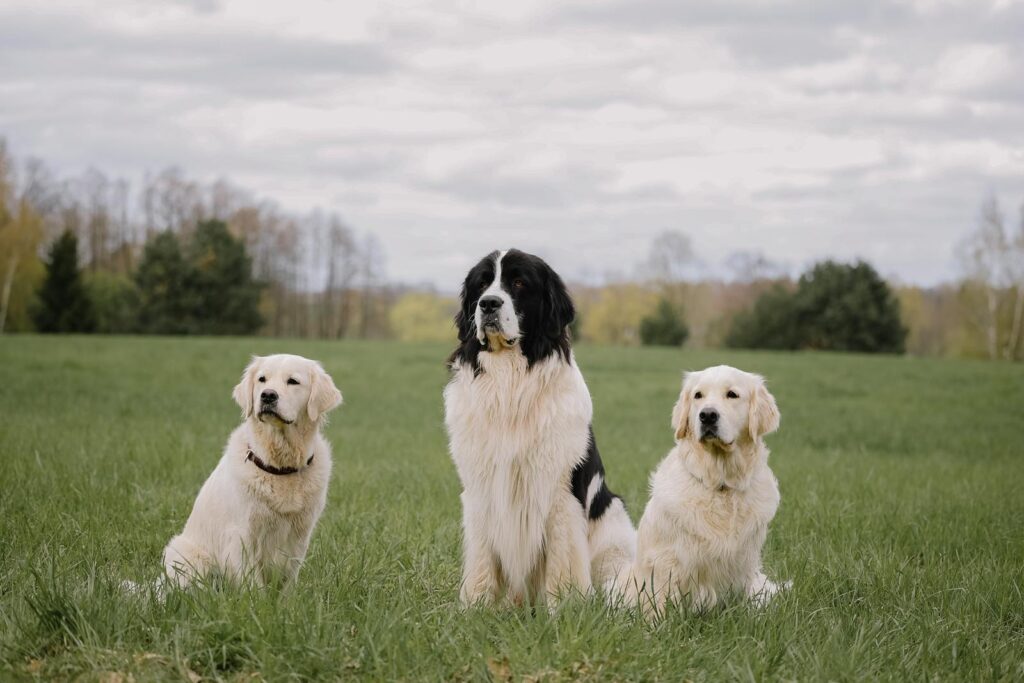
Having a busy life doesn’t mean you can’t enjoy the joys of having a dog. If you want a furry friend but can’t spend much time grooming, exercising, or training, some breeds fit perfectly into your lifestyle. Breeds like Whippets and Dachshunds are known for their low-maintenance nature and minimal grooming needs, making them ideal for those with hectic schedules.

Many easygoing breeds don’t require hours of exercise or constant attention. They thrive on simple, regular routines and are happy with a comfortable spot to lounge when you are occupied. These dogs can bring the companionship you crave while fitting seamlessly into your busy day.
Whether you live in a small apartment or a larger home, there is a low-maintenance dog for you. The right breed can offer love and companionship without demanding too much time. Read on to discover which breeds could perfectly match your lifestyle.
Key Takeaways
- Low-maintenance dog breeds require minimal grooming and exercise.
- Busy owners can still enjoy the companionship of dogs like Whippets and Dachshunds.
- Choose a breed that matches your living space and daily routine.
Benefits of Owning a Low-Maintenance Dog
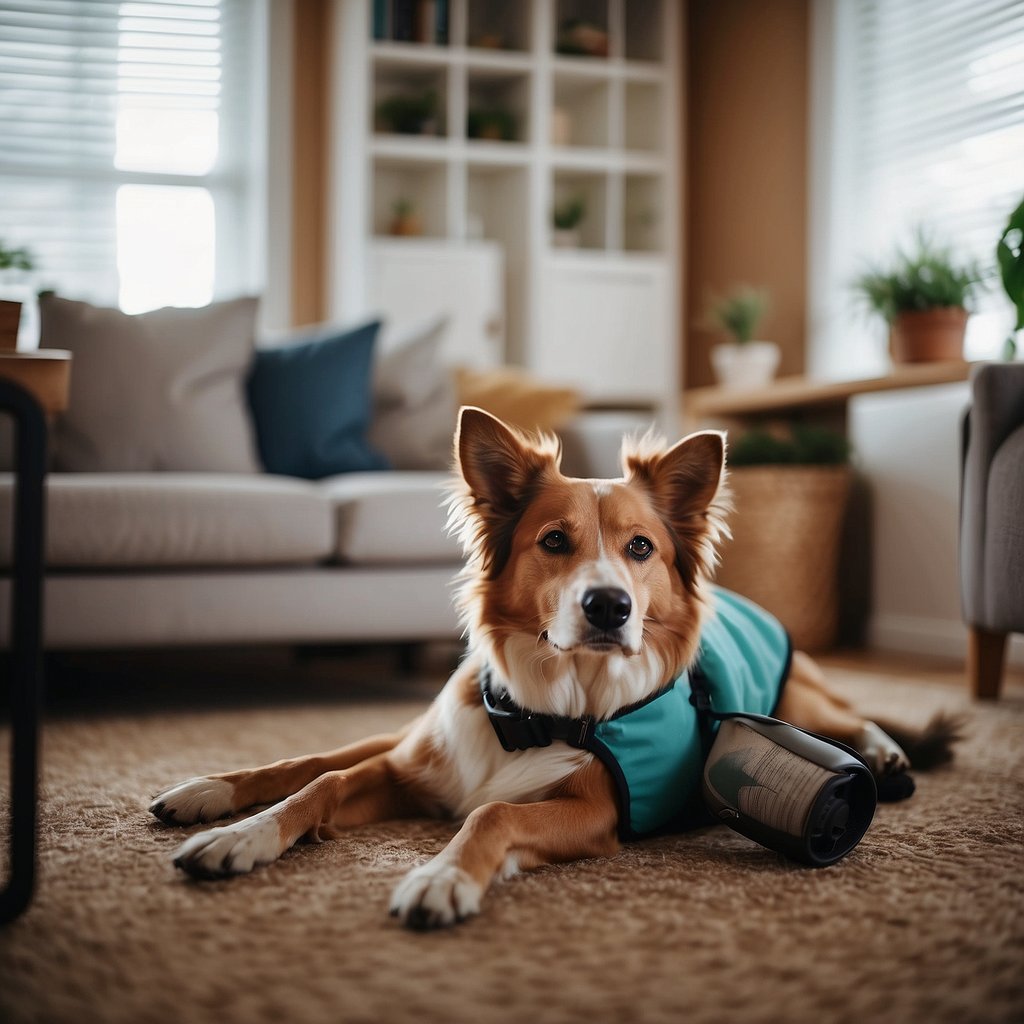
Owning a low-maintenance dog can make it easier for you to balance pet care with a busy lifestyle. These dogs often require less grooming and exercise and adapt well to different living environments.
Reduced Grooming Needs
Many low-maintenance dogs have coats that don’t need frequent grooming. This saves you time and money. Breeds like Bulldogs and Basset Hounds have short hair that sheds minimally.
Short-haired breeds also generally require fewer baths. You might only need to brush their coat once a week. This minimal grooming regimen helps free up your schedule.
Some breeds also have coats that don’t tangle easily, eliminating daily brushing. Dogs like the Puggle are good examples. They simplify pet ownership by keeping grooming routines short and sweet.
Minimal Energy Demands
Low-maintenance dogs usually have lower energy levels. This means they require less daily exercise. Breeds such as Cavalier King Charles Spaniels need only short walks and playtime.
These dogs are great for people with sedentary lifestyles or busy schedules. A brief stroll around the neighborhood might be enough to keep them content and healthy.
Less exercise also means fewer behavior issues caused by pent-up energy. Dogs that are easy to tire out usually behave better indoors, making them ideal for urban living.
Adaptability to Various Living Spaces
Low-maintenance dogs are generally more adaptable to different living situations. They can thrive in both apartments and larger homes. Shih Tzus, for instance, typically does well in small spaces.
These dogs also tend to be quieter, which is excellent for apartment living, where noise can be a concern. They are less likely to disturb your neighbors.
Breeds that adapt well to different living conditions tend to be more flexible with changes in routine. This makes them easier to integrate into one’s life, whether one has a fixed or varying schedule.
Examining the Traits of Low-Maintenance Breeds
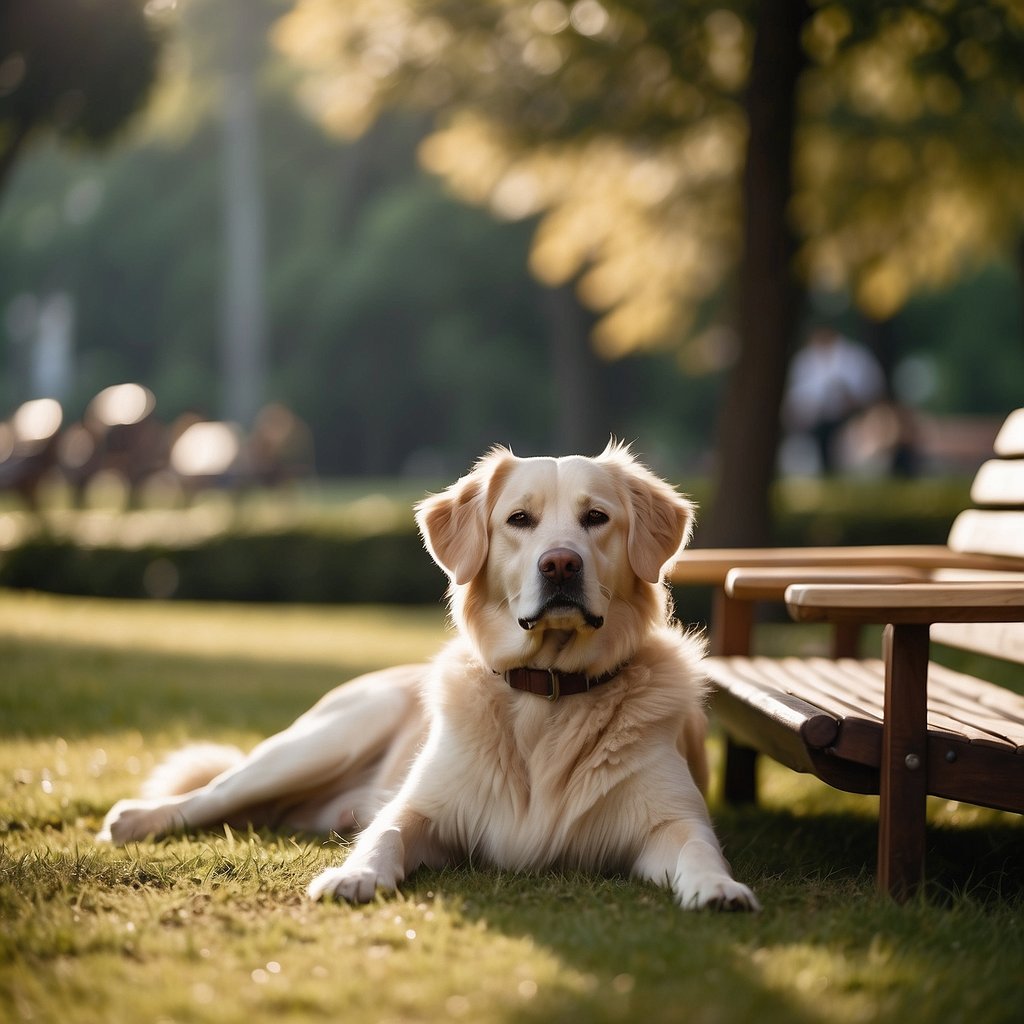
Low-maintenance dog breeds are ideal for busy owners. These dogs generally require minimal grooming, exercise, and healthcare, making them perfect companions for active lifestyles.
Temperament and Behavior
Low-maintenance breeds often have easy-going temperaments. For instance, the Shih Tzu is known for its friendly attitude and compatibility with kids, families, and other pets. A calm and adaptable dog like the Bulldog thrives in various environments, needing only short walks and minimal playtime.
These breeds also adjust well to being left alone, which is advantageous if you work long hours. Breeds like the Havanese are intelligent and eager to please, making training more accessible. They don’t typically suffer from separation anxiety, reducing stress for the dog and the owner.
Health Considerations
Low-maintenance breeds often have fewer health issues. Dogs like the Cavalier King Charles Spaniel usually require fewer frequent vet visits, are generally healthy, and have fewer genetic disorders.
These breeds often have lower grooming needs. For example, the Basset Hound has short hair that doesn’t need regular trimming, simplifying upkeep. Regular but minimal grooming keeps their coat healthy without much effort.
Overall, selecting a breed with fewer health problems and lower grooming needs can save you time and reduce stress, allowing you to spend more quality moments with your furry friend.
The Best Breeds for a Busy Lifestyle
If you’re often busy but still want the joy of a dog, you need a breed that requires little time or effort. Below are some excellent choices that are easier to care for.
French Bulldog
French Bulldogs are known for their affectionate and easygoing nature. They don’t require much exercise, just a short walk daily. Their short coats need minimal grooming, so a weekly brush should be sufficient.
You’ll appreciate their calm demeanor as they adapt well to apartment living. French Bulldogs are also friendly with kids and other pets. Their compact size makes them ideal for small spaces. They might snore occasionally, but their lovable nature makes up for it.
Dachshund
Dachshunds are small, lively dogs with an independent streak. Their short legs and long bodies are instantly recognizable. Grooming needs vary by coat type, but the smooth-coated variety requires the least effort.
A quick daily walk will keep them happy. Dachshunds can be a bit stubborn, so patient training is crucial. They are good watchdogs too. Just be aware they can become diggers if left alone in the yard.
Chihuahua
Chihuahuas are among the most miniature dog breeds, making them great for tight spaces. They need just a little exercise and love short play sessions. Their grooming needs are minimal, and they only need weekly brushing.
You’ll find Chihuahuas to be loyal companions who form strong bonds with their owners. They are also quite alert, making them good little watchdogs. While small, they have prominent personalities that bring a lot of joy.
Pug
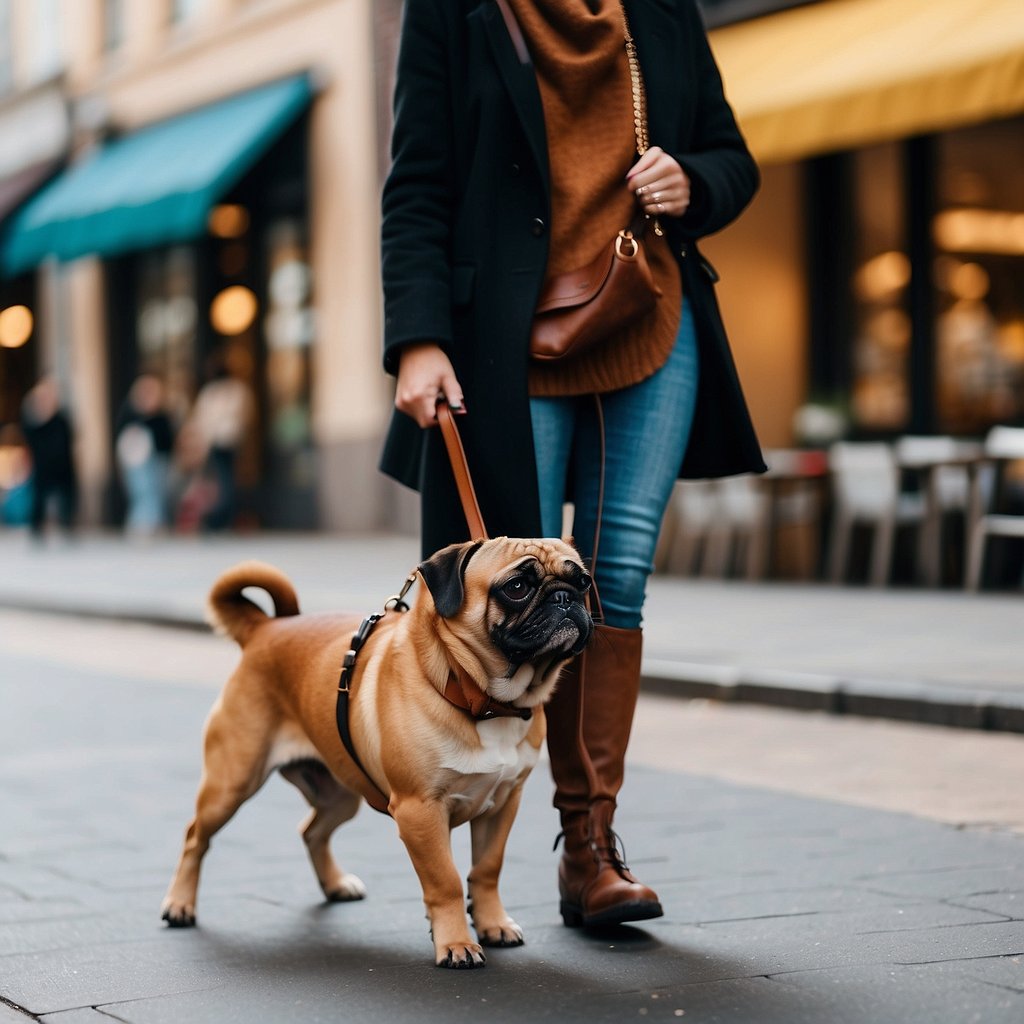
Pugs are charming dogs with wrinkled faces and curly tails. They are known for their affectionate nature and do well in apartment settings. Their exercise needs are modest, just short, daily walks.
Their coat is short, but Pugs do shed, so regular brushing helps manage it. They are great with kids and other pets. Pugs also love being around people and can be quite the comedians with their playful attitudes. Watch out for their breathing issues and keep an eye on their weight.
Nutritional Needs of Low-Energy Dogs

Caring for a low-energy dog includes understanding their unique nutritional needs. These dogs typically don’t burn as many calories, so their diet should reflect that.
Feed your low-energy dog a balanced diet. Look for dog food specifically formulated for their needs. Some bags say “low activity” or “weight control,” which is excellent for these dogs.
Key Nutritional Elements:
- Proteins: Essential for muscle maintenance.
- Fats: Moderate amounts to avoid unnecessary weight gain.
- Carbohydrates: Provides energy but should be in smaller amounts.
- Fiber: Helps with digestion and can keep your dog feeling full.
Feeding Tips:
- Portion Control: Measure out food to avoid overfeeding.
- Scheduled Meals: Stick to a feeding schedule to keep your dog in routine.
- Healthy Treats: Opt for low-calorie treats.
Low-energy dogs might benefit from food with fewer fillers, such as corn or soy. Instead, look for whole ingredients such as chicken, fish, and vegetables.
It’s also a good idea to consult your vet to adjust your dog’s diet based on their specific health needs. Every dog is different, so what works for one may not work for another.
Paying close attention to your low-energy dog’s diet can ensure they stay healthy and happy even with less physical activity. Remember, a little care with their diet can go a long way!
Exercise Requirements for Optimal Health
Low-maintenance dogs still need some form of exercise to maintain their health. Both indoor activities and short outdoor walks are suitable for keeping your dog active and content.
Indoor Activities
Dogs left indoors for long periods can benefit from simple games. Activities like fetch or tug-of-war are excellent for limited spaces. Soft toys can prevent damage to your home, and puzzle toys that dispense treats can stimulate your dog mentally.
Another option is teaching your dog basic obedience commands. Commands like “sit,” “stay,” and “come” can double as exercise and training time. It’s fun to bond with your pet while keeping them active.
Short sessions of indoor activities spread throughout the day can compensate for limited outdoor time. This approach fits well into your busy schedule and keeps your dog fit.
Short Outdoor Walks
For low-maintenance dogs, short walks are usually enough. A brisk 15 to 20-minute walk around the block can be sufficient. Breeds like Bulldogs and Cavalier King Charles Spaniels thrive with just a couple of short walks daily (source).
When taking your dog out, always use a leash for safety. Walking routes with minimal distractions can make the experience more enjoyable for both of you. Parks or quiet streets are ideal locations.
Besides physical activity, short walks offer new smells and sights, providing mental stimulation. Consistent short walks contribute significantly to your dog’s health and overall well-being.
Training and Socializing Your Low-Maintenance Pet
Training and socializing a low-maintenance pet are key to ensuring a well-behaved and happy dog. With some practical steps, you can easily incorporate these into your busy schedule.
Obedience Training Tips
Start training as soon as you bring your dog home. Focus on basic commands such as sit, stay, and come. Consistency is crucial. Use short training sessions of about 10-15 minutes daily to keep your dog engaged.
Positive reinforcement, such as treats and praise, works well. Avoid scolding, as it can make your pet anxious. If your dog seems stubborn, don’t lose your cool. Instead, use gentle repetition.
You can also break down complex tasks into smaller steps. For instance, if teaching a new trick, reward small progress. This makes the process easier for both you and your pet.
Socialization Strategies
Early socialization helps your dog become comfortable around people and other animals. Take your dog to different environments like parks or dog-friendly cafes. This broadens their experiences and reduces fear or aggression.
Introduce new experiences gradually. Start with quiet places before moving to busier areas. Always keep interactions positive and calm.
Organize playdates with other well-behaved dogs. This helps your pet learn proper canine behavior. Puppy classes or training groups are also great for socialization.
Expose your dog to different sounds and textures. For example, walk them on grass, concrete, and sand. This helps them adapt to new situations confidently.
Preventive Health Care for Your Dog
Taking care of your dog’s health is essential to keeping it happy and active. Preventive health care helps you catch problems early and ensures your dog stays in good shape.
Regular Vet Visits
Make sure to schedule regular vet check-ups. Your vet can track your dog’s health and catch any issues early. Most dogs need a check-up at least once a year. Puppies and senior dogs may need more frequent visits.
Vaccinations
Vaccinations protect your dog from serious diseases. Common vaccines include those for rabies, parvovirus, and distemper. Talk to your vet about the correct vaccination schedule for your dog.
Balanced Diet
A balanced diet is crucial for your dog’s health. Choose high-quality dog food that meets all its nutritional needs. Avoid giving your dog too many treats or human food, which can lead to weight gain and other issues.
Regular Exercise
Even low-maintenance dogs need regular exercise to stay healthy. Short walks, playtime, and mental stimulation help keep your dog fit and happy. Adjust the level of activity based on your dog’s breed and age.
Grooming and Dental Care
Grooming includes brushing your dog’s coat, trimming their nails, and cleaning their ears. Regular grooming prevents matting and infections. Dental care is also essential. Brush your dog’s teeth regularly and provide dental chews to prevent plaque buildup.
Monitoring for Health Issues
Watch for changes in your dog’s behavior, appetite, or energy levels. Early signs of illness can be subtle. If you notice anything unusual, contact your vet right away.
Parasite Prevention
Use flea, tick, and heartworm prevention products. These protect your dog from parasites that can cause serious health problems. Your vet can recommend the best products based on your dog’s needs.
Implementing these preventive health care steps helps ensure your dog enjoys a long and healthy life.
Conclusion
Choosing a low-maintenance dog can make your life much easier, especially if you’re busy.
Breeds like Bulldogs, Cavalier King Charles Spaniels, and Basset Hounds are great options. They need only short walks and minimal playtime to stay happy and healthy.
Another great choice could be a Shih Tzu. These little dogs only require occasional grooming and light exercise.
If you prefer larger dogs, consider a Greyhound. Despite their racing history, Greyhounds are surprisingly low-energy and very relaxed indoors.
Factors to think about:
- Grooming Needs: Choose breeds that don’t require frequent grooming.
- Exercise Requirements: Pick a dog that doesn’t need much physical activity.
- Temperament: Look for breeds known to be calm and easygoing.
Here’s a quick list of low-maintenance breeds:
- Bulldog
- Cavalier King Charles Spaniel
- Basset Hound
- Shih Tzu
- Greyhound
Remember, even low-maintenance dogs still need love, care, and attention. Selecting the right breed will make your pet-owning experience enjoyable and stress-free.
Check out more details about these breeds here, here, and. These guides offer helpful tips for choosing the perfect low-maintenance dog.
A Call to Action
Now that you know about various low-maintenance dogs, it’s time to take action.
Are you ready to welcome a new furry friend into your busy life? Think about your lifestyle and choose a breed that matches your routine.
Steps to Take
- Research Breeds: Learn more about the top low-maintenance dogs and their unique traits.
- Visit Shelters: Many low-maintenance dogs are waiting for loving homes in shelters.
- Consult Experts: Talk to veterinarians or experienced dog owners for insights.
Make Your Home Ready
Ensure your home is prepared for your new companion:
- Create a cozy space: A dog bed or a designated area with a blanket.
- Stock up on essentials: Food, water bowls, toys, and grooming items.
Form a Routine
Even low-maintenance dogs need a routine. Short walks, playtime, and feeding schedules help your dog feel secure and happy.
Engage in the Community
Join local dog owner groups or online forums. They can offer support and tips specific to your breed. Finding other dog owners can make the journey more enjoyable.
Doing these steps ensures that you and your new pet have a smooth and joyful experience together.

Elizabeth Redd has been in Washington, D. C. since 1970. Welcome to "Pooch Wellness Path," your trusted guide to enhancing the well-being of your cherished furry friends. At the heart of our community lies a commitment to holistic wellness, combining comprehensive care with unconditional love.
We're here to offer you the latest nutrition, fitness, mental health, and preventive measures, lighting the way to peak health for your pet. Dive into our thriving network of dog lovers, where the happiness of our companions takes center stage.
We're all about sharing groundbreaking wellness tips and nurturing an environment where every dog thrives. Step into Pooch Wellness Path, where each joyful bark and wag is a testament to thriving health.

