
Can This Adorable Dog Breed Be the Key to Fewer Vet Visits?
Choosing a dog breed that remains healthy and vibrant throughout its life can bring joy and peace of mind. Border Collies are known for their robust health, thanks to their need for regular exercise and mental stimulation. They require an active lifestyle, which helps keep them youthful even as they age.
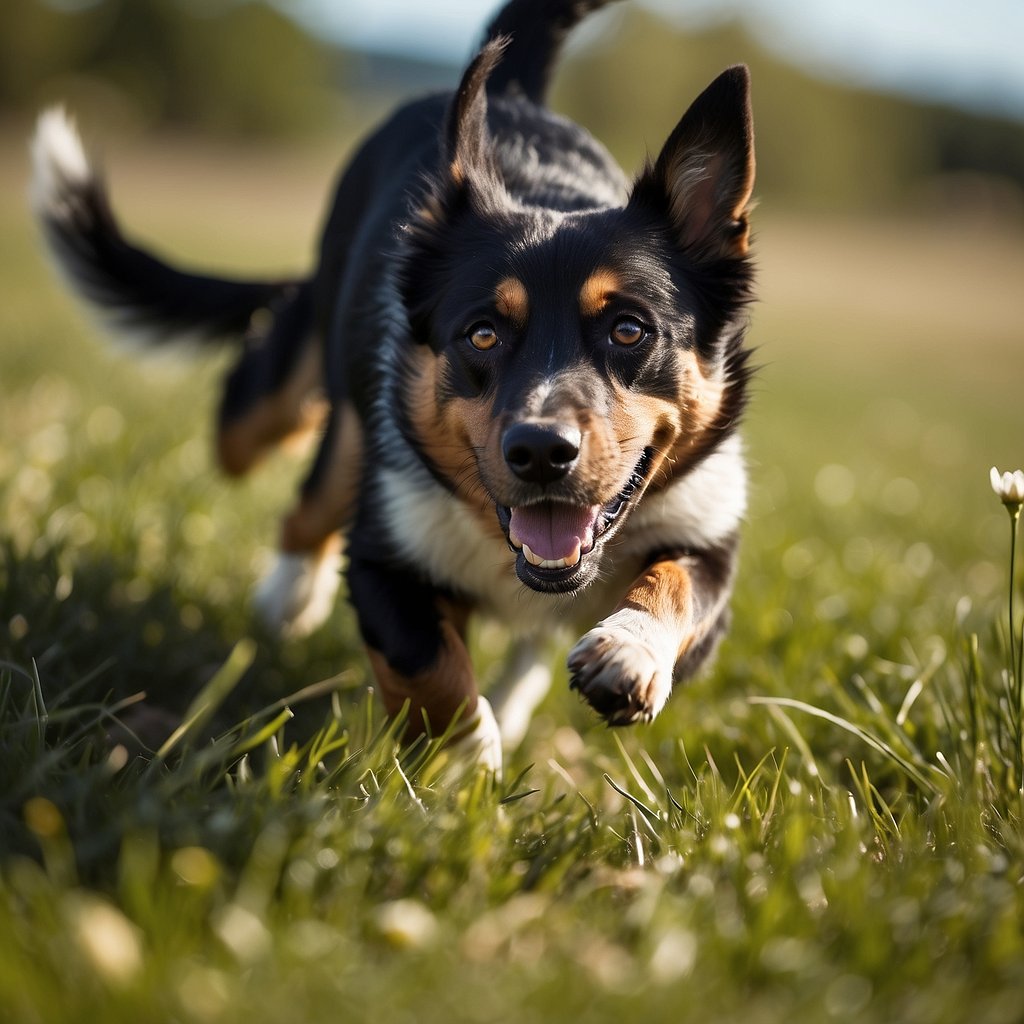
Another great choice is the Jack Russell Terrier. This breed is recognized for its energy and sociability, two traits closely linked to longevity and good health. Originating from England, the Jack Russell Terrier has been selectively bred for its vigorous nature and healthy disposition.
Cairn Terriers also make the list for their low-maintenance care and impressive longevity, often living up to 15 years. Standing about 10 inches tall, these compact dogs are ideal for those seeking a smaller yet sturdy, healthy companion. See more about the healthiest dog breeds to find your perfect pet.
Understanding Canine Health
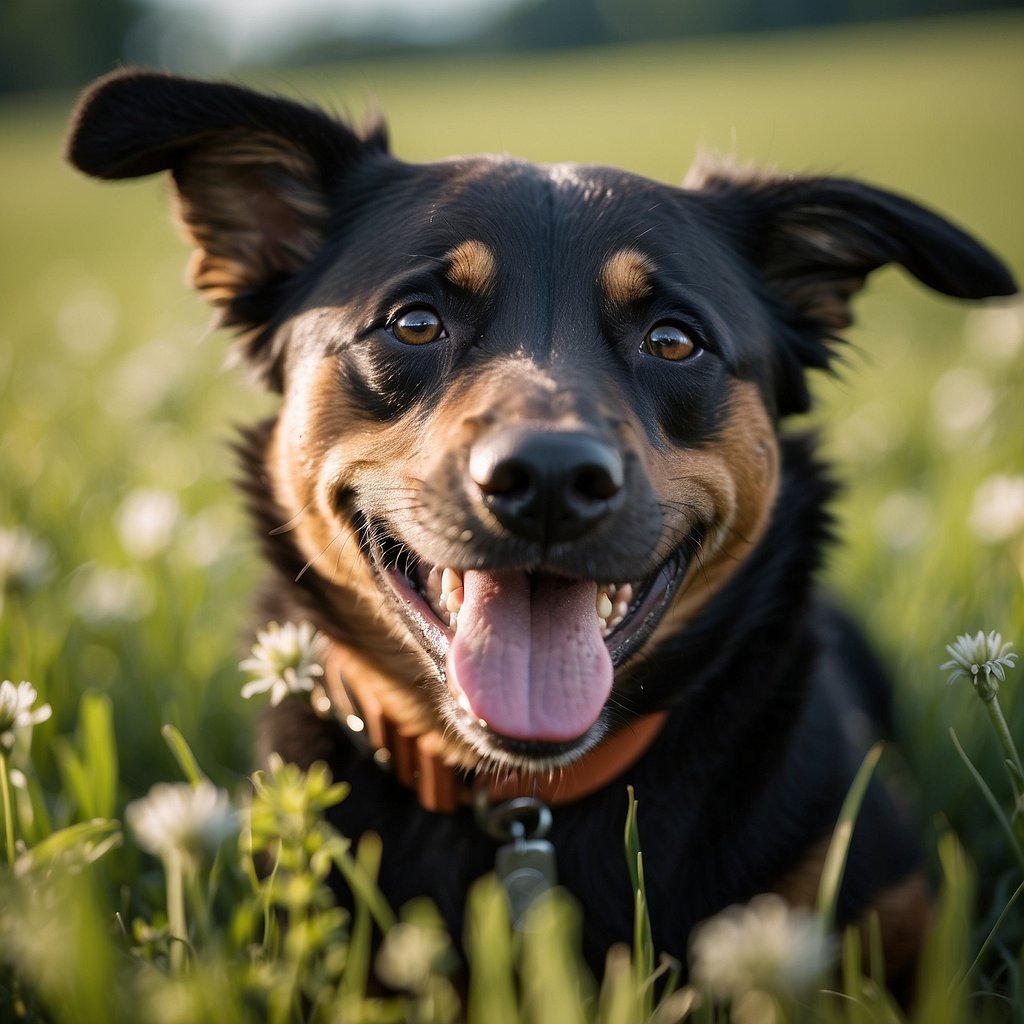
Learning about your dog’s health is crucial for a long and happy life. This section explores essential aspects like the immune system, joint diseases, and the role of genetics.
The Immune System in Dogs
The immune system protects your dog from infections and disease. It includes organs like the spleen and lymph nodes and white blood cells that fight off pathogens.
Vaccinations are essential to bolster this system. They help prevent diseases such as distemper, parvovirus, and rabies. Routine vet check-ups can detect issues early and ensure the immune system remains strong.
Proper nutrition also plays a significant role. A diet rich in vitamins and minerals supports immune function. Regular exercise helps, too, by improving circulation and overall health.
Common Canine Diseases
Dogs can suffer from various diseases, some of which are breed-specific, while others are more universal. Canine Parvovirus is a highly contagious viral illness that can be deadly. Canine Distemper affects multiple body systems and can also be fatal. Ear Infections are common, especially in breeds with floppy ears.
Arthritis is frequent in older dogs and larger breeds. Gastric Torsion or bloat is an emergency condition often seen in deep-chested dogs. Recognizing early symptoms, like vomiting, lethargy, or changes in behavior, can be crucial for treatment.
Regular vet visits help in the early detection and management of these diseases. Vaccinations, good hygiene, and proper diet minimize risks.
The Role of Genetics in Dog Health
Genetics plays a crucial role in your dog’s overall health. Some breeds are predisposed to certain conditions. For instance, German Shepherds often have hip dysplasia, while Cavalier King Charles Spaniels may have heart issues. Understanding your dog’s breed-specific risks is essential to manage their health better.
Breeding practices significantly impact genetic health. Responsible breeders perform health testing to reduce the likelihood of passing on genetic disorders. Check if a breeder follows guidelines set by organizations like the American Kennel Club.
Choosing a dog from a reputable breeder can reduce the chances of genetic illnesses. Adopting mixed breeds can sometimes lead to fewer inherited health problems, but always ensure the puppy comes from a responsible source.
Characteristics of Healthy Dog Breeds

Healthy dog breeds generally exhibit traits contributing to their long lifespan and resistance to hereditary diseases. These traits include a long lifespan, the absence of significant hereditary conditions, and specific physical features that correlate with good health.
Longevity and Hereditary Conditions
Breeds known for their long lifespan often have fewer hereditary health issues. For example, Poodles are noted for having very few major health concerns. They often live long lives with proper vet care. Similarly, Border Collies are another breed that tends to live a long, healthy life due to their robust genetic background and high activity levels.
Beagles also typically enjoy healthy lives with fewer genetic issues. These breeds are less prone to conditions like hip dysplasia or congenital heart diseases, which can significantly impact other breeds. Good breeding practices and regular health screenings can further minimize the risks of hereditary diseases.
Physical Traits and Health Correlation
Dogs’ physical traits can also affect their overall health. Border Collies, for instance, benefit from their athletic build and high energy levels, which keep them active and healthy. Their solid and lean bodies are designed for vigorous activities, aiding in maintaining good health.
Due to their balanced body structure, poodles have a low incidence of musculoskeletal issues. Their physical makeup allows them to stay active without the joint or spine problems seen in other breeds. Additionally, Beagles, with their moderate body size and active nature, tend to avoid obesity, a common problem in dogs that can lead to various health issues. These physical traits help ensure their long, healthy lives.
Most Resilient Dog Breeds

Health is a crucial factor when choosing a dog. Some breeds are known for their resilience and long, healthy lives. This section highlights small, medium, and large breeds that stand out for their robust health.
Small Breed Examples
Beagle: Beagles are small but sturdy dogs. Known for their excellent sense of smell and hunting skills, they typically live between 10-15 years. They succeed as family pets due to their friendly nature and energetic personality. Learn more about Beagles.
Cairn Terrier: Standing just around 10 inches tall, Cairn Terriers are hardy little dogs with a lifespan of 13 to 15 years. They have low-maintenance and wire-haired coats and are generally healthy and full of spirit. Discover more about Cairn Terriers.
Havanese: The Havanese is a small, friendly dog from Cuba. It is easy to train and takes about 14 to 16 years. These dogs are generally healthy, though some can be prone to hereditary deafness. Explore more about the Havanese.
Medium Breed Examples
Border Collie: This breed is known for its intelligence and athleticism. Often used as herding dogs, Border Collies are highly active and tend to live long healthy lives. They are excellent at vigorous activities and mental challenges. More on Border Collies.
Australian Cattle Dog: Similar to the Border Collie, Australian cattle dogs are also herders and exceptionally resilient. They are muscular, intelligent, and known for their endurance. Australian Cattle Dogs often live into their teens, remaining active and healthy.
Brittany Spaniel: Brittany Spaniels are versatile hunting dogs that are energetic and healthy. They are known for their friendly nature and ability to adapt to various environments. These dogs usually have a 12—to 14-year lifespan and are relatively free from major genetic issues.
Large Breed Examples
Belgian Malinois: Belgian Malinois dogs are known for their strong work ethic and physical stamina. They are often free from significant genetic issues, aside from common problems like hip and elbow dysplasia. They excel in various roles, including police and military work. Find out more about Belgian Malinois.
Labrador Retriever: Labs are among the most popular large breeds due to their friendly nature and robust health. They are highly active and love physical activities. Typically, Labrador Retrievers live between 10 to 14 years and are free from serious health problems.
German Shepherd: Known for their loyalty and intelligence, German Shepherds are sturdy dogs often used in protection and service roles. They live around 9 to 13 years and are generally healthy, though routine check-ups are essential to manage common health issues such as hip dysplasia.
Preventive Health Care Strategies

Several strategies are essential to keeping your dog healthy. These include regular vet visits, proper vaccinations, and parasite control, and a well-balanced diet.
Regular Veterinary Check-Ups
Regular check-ups with your veterinarian are vital for early detection of health issues. Annual or bi-annual exams can catch problems before they become serious. During these visits, your vet will check your dog’s weight, teeth, ears, eyes, and overall physical condition. They might also conduct blood tests or other diagnostics if needed.
Routine visits help establish a healthy baseline for your dog, making it easier to spot changes over time. They also ensure that your dog is up to date on vaccinations and parasite prevention treatments.
Vaccinations and Parasite Control
Vaccinations protect your dog from rabies, distemper, parvovirus, and hepatitis. Puppies usually start their vaccination schedule at around six to eight weeks old, with boosters given throughout their lives. Some vaccinations, like those for kennel cough or Lyme disease, may be recommended based on your dog’s lifestyle and exposure risks.
Parasite control is equally important. Fleas, ticks, and worms cause discomfort and can lead to severe health issues. Monthly treatments for fleas and ticks, combined with regular deworming, keep these pests at bay. Heartworm prevention is also crucial, especially if you live in an area where mosquitoes are prevalent.
Diet and Nutrition
A balanced diet tailored to your dog’s age, breed, and health status is vital to overall well-being. Puppies need nutrients for growth, while adult dogs need maintenance diets that support their energy levels and health. Senior dogs often require diets that address joint health and other age-related issues.
Consult your vet about the best diet for your dog. The right food should maintain a healthy weight, support skin and coat health, and prevent diseases. Pay attention to portion sizes and avoid feeding table scraps, which can lead to obesity and other health problems.
Factors Influencing Dog Health

Several vital factors significantly impact a dog’s health. Paying close attention to diet, exercise, and the environment helps ensure your furry friend’s long and happy life.
Dietary Habits
A balanced diet is essential. Dogs need a mix of proteins, fats, carbohydrates, vitamins, and minerals. High-quality commercial dog foods can provide these nutrients.
Protein sources include meat, fish, and eggs. Fats come from fish oil and animal fat, which help with skin and coat health. Carbohydrates from grains and vegetables offer energy. Vitamins and minerals found in fruits and veggies boost the immune system.
Avoid feeding dogs human food, especially toxic chocolate, onions, and grapes. Fresh water should be constantly available to prevent dehydration.
Exercise and Activity Levels
Regular exercise is crucial. Different breeds need varying activity levels. For instance, Border Collies require vigorous exercise due to their herding background.
Daily walks, playing fetch, and agility training keep dogs fit. Active dogs tend to have fewer health issues, like obesity and joint problems. Mental stimulation through training and puzzle toys also plays a key role.
Ensure exercise matches your dog’s breed and age. Puppies need shorter, frequent sessions, while older dogs may benefit from gentle, steady activities.
Environmental Factors
A dog’s environment strongly affects health. Clean living spaces reduce the risk of infections and parasites. Regularly clean bedding, toys, and feeding areas.
Temperature control is vital. Avoid exposing dogs to extreme heat or cold. Regular vet visits help to monitor health and catch issues early.
Social interactions also matter. Dogs need socialization with people and other animals to stay mentally healthy. Safe, fenced areas or controlled environments for play and exercise are beneficial.
Paying attention to these factors helps keep your dog healthy and happy.
Choosing a Healthy Breed

Selecting a dog breed that tends to stay healthy involves investigating health profiles, talking with professionals, and thinking about mixed-breed options. These steps will guide you to a canine companion that’s both cute and robust.
Researching Breed Health Profiles
When picking a breed, it’s wise to check its health history. For example, breeds like the Greyhound are known for being very healthy and have less risk of common diseases. It’s helpful to look into breed clubs and organizations for detailed health information.
Pay attention to common illnesses specific to a breed. Beagles, for instance, can have eye and hip issues as they age. Knowing these details helps you prepare and choose a breed that fits your lifestyle and grooming capabilities.
Consulting with Breeders and Veterinarians
Breeders and vets can provide essential insights. A reliable breeder will give you a detailed history of a dog’s lineage, including any health concerns. Consulting with a vet gives you expert advice on what breeds might be a good fit for your home and health preferences.
Ask breeders about health screenings and certifications for their dogs. Consult with a vet to understand any genetic issues a breed might have. Both professionals can guide you in making a well-informed decision about your future pet.
Considering a Mixed-Breed Dog
Mixed-breed dogs often have fewer health problems than purebreds. Their genetic diversity can lead to a lower risk of hereditary conditions. Mixed breeds have unique and varied appearances, adding to their charm.
Visit shelters and rescue organizations where many healthy mixed-breeds are looking for homes. Mixed-breeds adapt well to different living environments, making them versatile and attractive options.
Choosing a healthy dog breed involves thoughtful research and expert advice. Your careful consideration will lead to a happy, healthy pet, whether you go for a purebred or a mixed breed.
Responsible Pet Ownership

Responsible pet ownership involves several key aspects to ensure your dog stays healthy and content. It includes a commitment to your dog’s long-term health, understanding their breed-specific needs, and providing mental health and stimulation.
Commitment to Dog’s Long-Term Health
You need to provide lifelong care for your dog. This means regular veterinary visits for check-ups and vaccinations. A healthy diet tailored to your dog’s needs is crucial. Consult with your veterinarian to maintain an appropriate weight.
Routine exercise is also vital. Daily walks, playtime, and activities keep your dog physically fit. Ensure your dog has access to fresh water at all times.
Don’t forget dental care. Brushing your dog’s teeth regularly and providing dental treats can help prevent dental diseases. Regular grooming, including baths and nail trims, keeps your dog clean and comfortable.
Understanding Breed-Specific Needs
Each dog breed has unique requirements. Research your breed to understand their specific needs. For example, some breeds might need more exercise, while others may have dietary restrictions.
Consult resources like the AKC Canine Health Foundation for breed-specific information.
Breeds with long fur may need more frequent grooming. Some dogs are prone to specific health issues; knowing these risks helps in early detection and prevention. Understanding your dog’s breed characteristics can enhance their quality of life and longevity.
Mental Health and Stimulation
Mental stimulation is as essential as physical exercise. Provide toys that challenge your dog’s mind. Interactive toys, puzzle feeders, and training sessions keep your dog engaged.
Socialization is key. Introduce your dog to different environments, people, and other animals to build confidence. Regular playdates or trips to the dog park can help.
Routine and consistency are essential. Create a structured daily routine that includes playtime, exercise, and rest. Mental health can be improved through positive reinforcement and training, which also strengthens the bond between you and your dog.
A List of the Healthiest Breeds that Rarely Need the Vet

- Australian Cattle Dog
Known for their stamina and working ability, Australian Cattle Dogs usually stay healthy with proper care. - Beagle
Beagles have a strong sense of smell and are moderately active. They can lead long, healthy lives if you keep an eye on their hips and eyes. - Poodle
Intelligent and friendly, Poodles are a popular choice. They have few major health concerns and can live up to 18 years. - Shiba Inu
A small but sturdy breed, Shiba Inus typically has robust health and strong immune systems. - Siberian Husky
With their high energy levels and thick coats, Siberian Huskies are typically healthy dogs. - Basenji
Known as the “barkless dog,” Basenjis have solid constitutions and often avoid major health problems. - Border Collie
Border Collies are intelligent and active, requiring mental and physical stimulation to stay healthy. - Chihuahua
Despite their small size, Chihuahuas are known for their long lifespan and overall good health. - English Foxhound
This breed is known for its endurance and generally robust health. Regular exercise is vital to keeping them fit. - German Pinscher
German Pinschers are athletic and hardy, usually facing a few health issues with appropriate vet care.
Choosing one of these breeds can help ensure you have a healthy, happy furry friend. For more details, check out PetMD’s list of 19 healthy dog breeds or The Spruce Pets’ top healthy breeds.
Conclusion and A Call to Action

Choosing a healthy dog breed can ensure you have a happy, long-lasting companion. Breeds like the Beagle, Border Collie, and Australian Cattle Dog are known for their vigor and minimal health issues. These breeds typically have fewer health problems and can provide many years of joy.
Here are some tips to help you decide:
- Research thoroughly: Look for specific health information on the breed you’re considering.
- Consult a veterinarian: They can offer essential insights and advice.
- Ask breeders and owners: Personal experiences can provide valuable knowledge.
By choosing wisely, you’re investing in a healthier future for your pet. Visit your local shelters and rescues to see if your preferred breed is available for adoption. Giving a home to a dog in need can be incredibly rewarding.
Take action now to ensure your furry friend stays healthy and happy!
“This website participates in the Amazon Services LLC Associates Program, an affiliate advertising program designed to provide a means for sites to earn advertising fees by advertising and linking to Amazon.com and affiliated sites. As an Amazon Associate, I earn from qualifying purchases.”

Elizabeth Redd has been in Washington, D. C. since 1970. Welcome to "Pooch Wellness Path," your trusted guide to enhancing the well-being of your cherished furry friends. At the heart of our community lies a commitment to holistic wellness, combining comprehensive care with unconditional love.
We're here to offer you the latest nutrition, fitness, mental health, and preventive measures, lighting the way to peak health for your pet. Dive into our thriving network of dog lovers, where the happiness of our companions takes center stage.
We're all about sharing groundbreaking wellness tips and nurturing an environment where every dog thrives. Step into Pooch Wellness Path, where each joyful bark and wag is a testament to thriving health.

