
Is It Ear Mites or Just Wax? Find Out What’s Bothering Your Dog

Is your furry friend constantly scratching their ears? You might wonder if it’s just regular ear wax or something more concerning, like ear mites. Don’t worry; you’re not alone in this confusion. Many pet owners struggle to distinguish between these common ear issues.

Dog ear mites are tiny parasites, while ear wax is a natural substance produced by your dog’s body to protect their ears. Understanding this fundamental difference can help you care for your canine companion better. Ear mites often cause intense itching and a dark, coffee-ground-like discharge, while ear wax typically appears yellowish or brownish with a softer texture.
Knowing how to spot the signs of each condition can save you and your pup unnecessary stress and discomfort. In this article, we’ll explore the telltale signs of both ear mites and ear wax, helping you become a pro at identifying what’s going on inside your dog’s ears. You’ll learn simple techniques to check your dog’s ears at home and when it’s time to seek professional help.
Understanding Dog Ear Health

Dog ears require regular care and attention to prevent issues. Knowing the structure of your dog’s ears and common problems that can arise will help you keep your furry friend’s ears healthy.
Anatomy of Dog Ears
Your dog’s ear consists of three main parts: the outer ear, middle ear, and inner ear. The outer ear includes the pinna (the visible flap) and the ear canal. The ear canal is L-shaped, making it prone to trapping debris and moisture.
The middle ear contains small bones that transmit sound vibrations. The inner ear houses the cochlea and vestibular system, which is responsible for hearing and balance.
Due to reduced air circulation, dog breeds with floppy ears may be more susceptible to ear problems. Regular cleaning and inspection of your dog’s ears can help prevent issues.
Common Ear Problems in Dogs
Ear infections are a frequent issue in dogs. Bacteria, yeast, or both can cause these infections. Signs include redness, swelling, odor, and excessive scratching.
Ear mites are tiny parasites that can infest your dog’s ears. They cause intense itching and a dark, crumbly discharge resembling coffee grounds.
Excessive ear wax buildup can also occur. While some wax is regular and protective, too much can lead to discomfort and hearing issues.
Allergies often manifest as ear problems in dogs. Food sensitivities or environmental allergens can cause inflammation and itching in the ears.
Regular ear checks and proper cleaning can help you spot these issues early. Consult your veterinarian for proper diagnosis and treatment if you notice any unusual symptoms.
Identifying Ear Mites in Dogs

Detecting ear mites in your canine companion requires careful observation and attention to specific signs. Recognizing the symptoms and understanding the diagnostic process can help you promptly address this common parasitic issue.
Symptoms of Ear Mite Infestation
Your dog may exhibit intense itching and frequent head shaking if ear mites are present. You might notice your pet scratching at their ears or rubbing them against furniture or the floor.
Look for a dark, coffee ground-like substance in your dog’s ears. This distinctive discharge is a telltale sign of ear mites.
Your dog’s ears may appear red, inflamed, or swollen. In severe cases, crusty or scaly skin might also be present around the ears.
Be aware that prolonged infestations can lead to secondary bacterial or yeast infections, causing a foul odor from your dog’s ears.
Diagnosis of Ear Mites
To confirm an ear mite infestation, gently clean your dog’s ear with a cotton ball moistened with mild ear cleaner. Examine the cotton ball for dark, grainy debris resembling coffee grounds.
For a definitive diagnosis, consult your veterinarian. They will use an otoscope to examine your dog’s ear canal and may take a sample of ear debris for microscopic examination.
Your vet might perform additional tests to rule out other conditions, such as bacterial or yeast infections, which can have similar symptoms.
Early detection and proper diagnosis are crucial for effective treatment and preventing complications from ear mite infestations in your furry friend.
Differentiating Between Ear Mites and Ear Wax

Identifying the cause of your dog’s ear issues can be tricky. Ear mites and ear wax share some similarities, but there are key differences to watch for.
Characteristics of Ear Wax
Dog ear wax, or cerumen, is a natural substance that helps protect your pet’s ears. It’s typically yellowish or brownish and has a soft, sticky texture.
Healthy ear wax serves several important functions:
- Traps dirt and debris
- Moisturizes the ear canal
- Helps prevent infections
You might notice small amounts of wax when cleaning your dog’s ears. This is normal and shouldn’t cause concern unless there’s an excessive buildup or unusual odor.
Spotting the Differences
To distinguish between ear mites and ear wax, look for these key signs:
Ear Mites:
- Dark, crumbly discharge resembling coffee grounds
- Intense itching and head shaking
- Redness and inflammation in the ears
Ear Wax:
- Yellowish or light brown color
- Soft, sticky consistency
- No strong odor or excessive itching
You can check for mites by gently wiping your dog’s ear with a cotton ball moistened with a mild ear cleaner. If you see specks moving on the cotton, it’s likely mites.
Remember, if you’re unsure or your dog shows signs of discomfort, it’s best to consult your veterinarian for a proper diagnosis and treatment plan.
Treatment Options
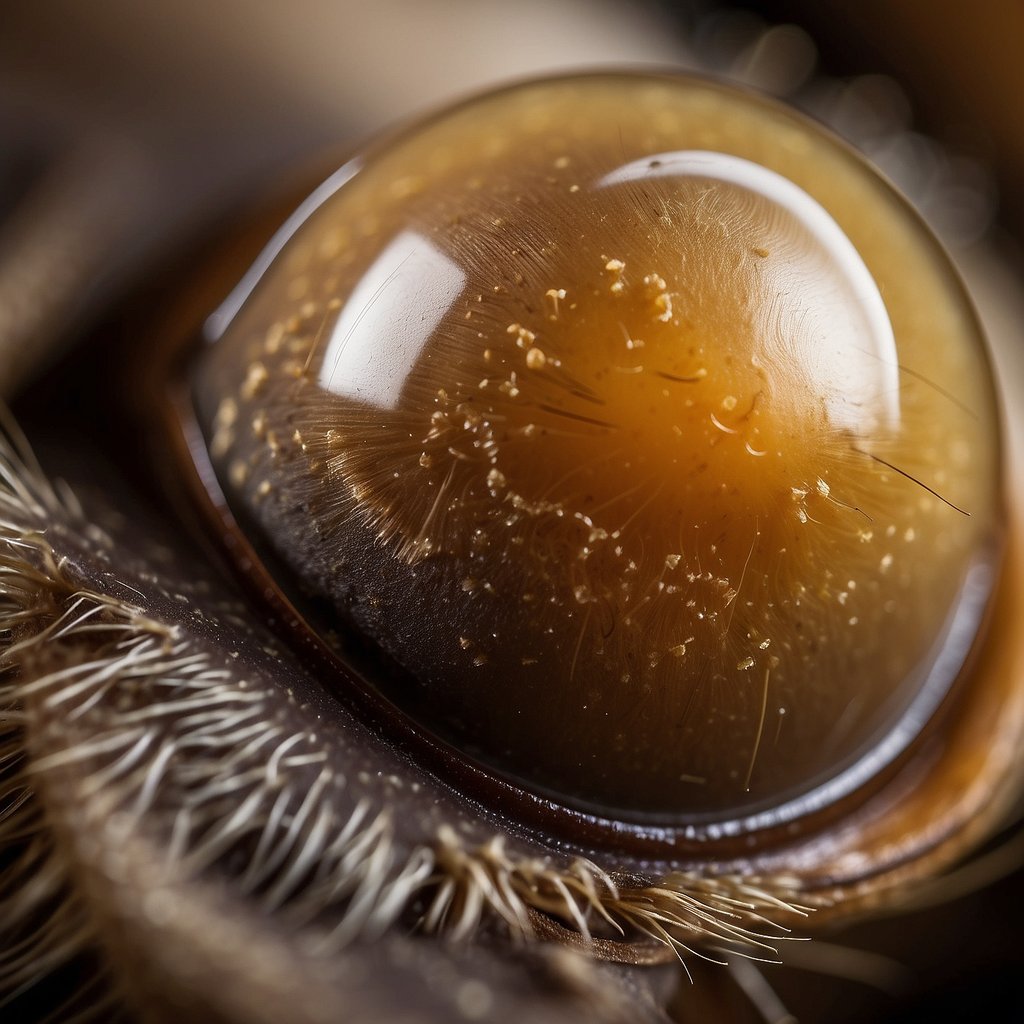
Effective treatments exist for both ear mites and ear wax in dogs. The right approach depends on the specific issue and severity.
Medications for Ear Mites
Ear mites in dogs typically require medication for successful treatment. Your vet may prescribe topical or oral medications.
Topical treatments often include:
- Selamectin
- Moxidectin
- Ivermectin
These are applied directly to the skin, usually on the back of the neck. They work by killing the mites and preventing reinfestation.
Oral medications like milbemycin oxime may be recommended for severe cases. These systemic treatments circulate throughout your dog’s body to eliminate mites.
Your vet might also suggest ear drops to soothe inflammation and treat secondary infections. For best results, always follow the prescribed treatment schedule.
Home Remedies and Care for Ear Wax
For ear wax buildup, gentler home care methods are often effective. Regular cleaning can prevent excessive wax accumulation.
You can use a veterinary-approved ear cleaner to remove wax:
- Apply the solution to your dog’s ear canal
- Gently massage the base of the ear
- Allow your dog to shake its head
- Wipe away loosened debris with a soft cloth
Try a mixture of equal parts white vinegar and water for stubborn wax. This can help break down the wax and maintain a healthy pH in the ear.
Never use cotton swabs; they can push wax deeper or damage the ear canal. If wax buildup persists, consult your vet for professional cleaning or additional treatment options.
Prevention and Maintenance
Keeping your dog’s ears healthy prevents ear mites and excessive wax buildup. Regular care and veterinary check-ups can help catch issues early and maintain optimal ear health.
Routine Ear Cleaning
Clean your dog’s ears regularly to prevent wax buildup and reduce the risk of ear mites. Use a veterinarian-approved ear cleaner and soft cotton balls or gauze. Gently wipe the visible parts of the ear, avoiding the ear canal.
For dogs prone to ear problems, consider cleaning their ears weekly. If your dog swims frequently or has floppy ears, you may need to clean them more often.
Pay attention to your dog’s behavior during cleaning. If they show discomfort or pain, stop immediately and consult your vet.
Check-Ups and Vet Visits
Schedule regular veterinary check-ups to monitor your dog’s ear health. Your vet can perform thorough ear examinations and detect early signs of mites or excessive wax buildup.
During these visits, ask your vet to demonstrate proper ear-cleaning techniques. They can recommend the best products for your dog’s specific needs.
If you notice any unusual symptoms, such as excessive scratching, head shaking, or a strong odor from the ears, don’t wait for a scheduled appointment. Seek veterinary care promptly to address potential ear mite infestations or other ear problems.
Your vet may also suggest preventive treatments or supplements to support ear health, especially if your dog is prone to ear issues.

Elizabeth Redd has been in Washington, D. C. since 1970. Welcome to "Pooch Wellness Path," your trusted guide to enhancing the well-being of your cherished furry friends. At the heart of our community lies a commitment to holistic wellness, combining comprehensive care with unconditional love.
We're here to offer you the latest nutrition, fitness, mental health, and preventive measures, lighting the way to peak health for your pet. Dive into our thriving network of dog lovers, where the happiness of our companions takes center stage.
We're all about sharing groundbreaking wellness tips and nurturing an environment where every dog thrives. Step into Pooch Wellness Path, where each joyful bark and wag is a testament to thriving health.

