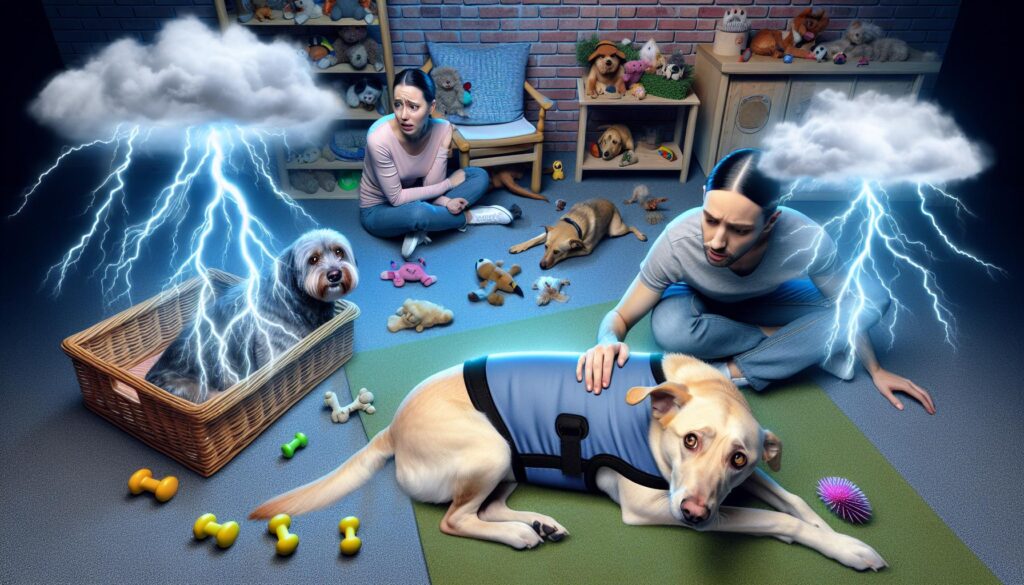
Understanding your furry friend’s body language is essential. It’s like learning a new language, with wagging tails and perky ears replacing words. Recognizing what your dog is trying to say can help prevent anxiety and strengthen your bond.
Dogs communicate their feelings through their bodies. If you’ve ever wondered why your dog’s tail is tucked or why they’re licking their lips, you’re not alone. These are all ways dogs express their emotions, and understanding them can make a world of difference.
In this article, we’ll explore the various cues and signals that dogs use to communicate. We’ll help you decode your dog’s body language, so you can better understand their needs and prevent anxiety before it starts. It’s all about creating a happier, healthier environment for your four-legged friend.
The Importance of Understanding Dog Body Language
Imagine this – it’s a typical Saturday, and you’re just lounging around the house with your dog. Suddenly, they’re whimpering and pacing around. What could it possibly be? It’s not mealtime yet, and they’ve just had their walk. Are they ill? Are they just being bothersome? Or could it be something else? Chances are, it’s their way of communicating an important message to you.
Being able to understand a dog’s body language is not just pertinent, it’s a necessity. There’s certainly more to a dog besides their endearing puppy eyes and furry cuteness. Dogs speak volumes through their body language. Their expressive eyes, ears, tail, and even the tilt of their head can reveal what’s really going on inside their minds.
Dogs cannot verbalize their feelings like humans do, therefore they resort to non-verbal cues. Understanding these cues not only aids in deciphering their immediate needs and wants but it also assists in preventing potential dog anxiety. There’s a direct link between miscommunication and your pet exhibiting signs of distress.
Such signs include but are not limited to excessive paw licking, tucked tail, dilated pupils, and ears pinned back. When owners turn a blind eye to their pet’s signal, it leads to a broken bond and increases anxiety levels in dogs.
By ensuring that owners comprehend every tail wag, lip lick, body posture, and ear twitch, an open and responsive line of communication can be established. This has evident long-lasting benefits – improving the dog’s mood, reducing anxiety, and strengthening the bond with their human family. By understanding their body language you’ll be able to ensure that your dog is comfortable, confident, and content at all times.
Uncertainty can lead to fear, and fear can lead to anxiety. But with a keen eye and a thorough understanding of dog body language, such unnecessary circumstances can be avoided.
Dogs are a part of the family, and they deserve to feel secure and understood. And it all starts with correctly interpreting their body language. So it’s time to tune into your dog’s “silent” language and embrace the enriched interaction and deepened understanding. In doing so, you’ll be maximizing your pet’s well-being and transforming their life – and yours as well.
How Dogs Communicate Through Body Language

Dogs, just like people, have a language all their own. They use their bodies and certain behaviors to convey messages. Understanding this non-verbal language helps to enhance the bond between the dog and its owner.
One common way dogs communicate is through their eyes. Dogs use their eyes to show love, fear, aggression, and more. A relaxed and comfortable dog will maintain a soft gaze, while a dog who’s scared may showcase dilated pupils.
Another aspect to look for is their tail position. The dog’s tail can paint a vivid picture of their current emotional state. A wagging tail doesn’t always indicate happiness. The speed, direction, and position of the tail wag can translate differently. For instance, a tail held high signifies confidence while a tucked tail indicates fear.
Dogs also talk through their ears. Ears that are held back against the head often imply a state of fear or submission, while erect and forward ears communicate attention and alertness.
Aside from the physical features, noticing shifts in behavior such as excessive paw licking or yawning can be an indication of distress or anxiety. Understanding these signals helps you manage situations that might be causing your dog stress.
Lastly, overall body language can sometimes be a tell-all. A relaxed dog with weight evenly distributed and a loose body stance is generally contented. However, a dog with a rigid body, held breath, and focused stare may be fearful or anxious.
It’s crucial for dog owners to consistently observe their dog’s body language and learn to interpret it. This not only helps in managing their dog’s anxiety, but it also ultimately leads to a healthier, happier pet.
Decoding Your Dog’s Tail Language

Understanding your dog’s tail language is an essential step to better communication and a solid relationship. The tail serves extensions to dog’s emotions, providing a visual clue about what they are feeling at the moment. They’re great barometers of their mood, expressing everything from joy to fear, and everything in between.
The most common assumption is that a wagging tail equals a happy dog. But there’s a bit more to it than that. A tail held high, wagging fast and wide, shows your pet is excited and energetic. It’s their way of saying, “I’m up for anything, whenever you are!”
On the contrary, when a dog is scared, they’ll tuck their tail between their legs. This is a clear sign of anxiety and fear, signaling the need for reassurance or space. It’s one important reason folks should not approach a dog exhibiting this tail position without clear, non-threatening signals from the dog first.
The subtlety of the wag can also tell a story. A slow wag with the tail at half-mast can indicate that a dog is unsure and assessing a situation. In contrast, a fast wag with shorter sweeps to either side suggests that your dog is highly excited.
Furthermore, the direction of the wag can hold meaning. Scientific studies have suggested that dogs wag their tails more to one side depending on their emotions. For instance, dogs may wag more to the right when they are happy and to the left when they are frightened or anxious.
Being aware of this language can help owners better understand their pets’ feelings and therefore respond appropriately to their needs. It’s the key to ensuring a harmonious, comfortable interaction with your dog, contributing massively to their overall well-being and happiness. The more we understand about our dogs, the better equipped we are to provide them with the love and care they need, thereby fostering a stronger, healthier bond.
Understanding Facial Expressions and Ear Positions

Just as humans express emotions through facial expressions, dogs too communicate their feelings using their face and ears. It’s a canine’s way of non-verbal communication. Understanding these signs of a dog’s body language not only develops a stronger bond with your furry friend but also prevents triggering anxiety.
Delving into the details, the dog’s eyes can reveal a lot. Intense, staring eyes often indicate a threat or challenge, whereas soft, relaxed eyes show that a dog is calm and content. The direction of a dog’s gaze is vital information too. Dogs usually look away or show the whites of their eyes to signal submissiveness or fear.
Understanding a dog’s ear positions can often be trickier, but equally informative. Erect ears show alertness, while ears drawn back could mean a variety of things. Backwards ears might signal fear, anxiety, or another form of appeasement, but they could also be a signal of friendliness or happiness when associated with other signs like a wagging tail and relaxed body. Discord between what’s exhibited by the ears and other body parts may signal confusion or conflicted feelings.
Recognizing these subtle signs is an essential aspect of dog body language. Couples with the knowledge of tail language, it can make a significant difference in understanding a dog’s emotions. Avoiding situations of stress and triggers of anxiety can straightforwardly impact a dog’s well-being positively. Furthermore, this understanding helps keep communication open and adaptable, ensuring man’s best friend remains happy and secure.
Signs of Anxiety in Dogs and How to Prevent It

Dogs are capable of experiencing a variety of emotions, anxiety being one of them. When a dog is anxious, it’ll display certain body language cues. An anxious dog might yawn excessively or lick its lips. It might show its teeth in an attempt to express its unease. Signs like pacing, trembling, and repetitive behaviors can also indicate anxiety.
Social interaction plays a crucial role in helping dogs deal with anxiety. Engagement stimulates their mind, reduces the chance of them getting bored, and helps combat feelings of distress.
To keep anxiety at bay, incorporate routine exercise sessions. Walking, running, or play sessions can be effective in curbing anxiety. Exercise tires dogs out physically and mentally, minimizing anxiety-inducing restlessness.
Training can also be a constructive way to address anxiety in dogs. By using positive reinforcement, you can build up dogs’ confidence. Reward them when they do something right. Acknowledgment and rewards provide them a sense of fulfilment and can alleviate anxiety to a great extent.
Incorporate stress-reducing items in your dog’s environment. This could include toys that keep them occupied or a comfy bed for them to curl up on.
Also consider professional help if required. Trained professionals often have techniques to manage dog anxiety effectively. If your dog’s anxiety seems intense or unmanageable it might be beneficial to consult a veterinarian or pet behaviorist.
A dog’s body language is a novel through which they communicate. Reading and correctly comprehending your pet’s body language can make a considerable difference in managing their anxiety and ensuring their overall well-being.
Conclusion
It’s clear that understanding a dog’s body language is key to preventing anxiety. By paying attention to tail language, facial expressions, and ear positions, we can gain insight into our furry friends’ feelings. With this knowledge, we can spot signs of anxiety such as excessive yawning, lip licking, and teeth showing. We can then take steps to alleviate their stress through social interaction, regular exercise, training, or the use of stress-reducing items. And remember, if you’re ever unsure, it’s always best to seek professional help. After all, our dogs’ well-being is worth every effort. So here’s to happier, less anxious dogs and a stronger bond between you and your pet.

Elizabeth Redd has been in Washington, D. C. since 1970. Welcome to "Pooch Wellness Path," your trusted guide to enhancing the well-being of your cherished furry friends. At the heart of our community lies a commitment to holistic wellness, combining comprehensive care with unconditional love.
We're here to offer you the latest nutrition, fitness, mental health, and preventive measures, lighting the way to peak health for your pet. Dive into our thriving network of dog lovers, where the happiness of our companions takes center stage.
We're all about sharing groundbreaking wellness tips and nurturing an environment where every dog thrives. Step into Pooch Wellness Path, where each joyful bark and wag is a testament to thriving health.