
Want a Healthier, Happier Pup? Don’t Miss This Chicken and Veggie Recipe!
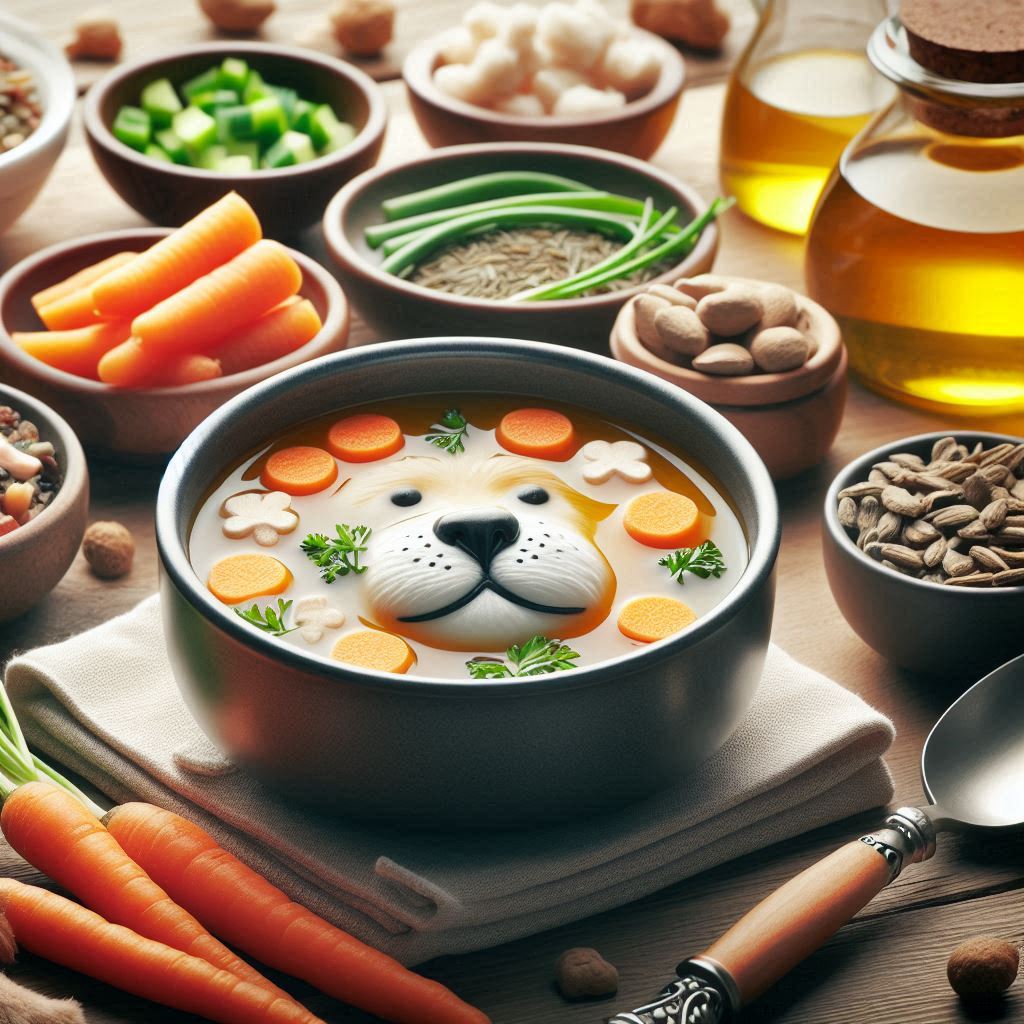
Are you looking to boost your dog’s health and happiness? A nutritious diet can improve your pup’s energy levels, coat quality, and overall well-being. This chicken and veggie recipe is a great way to provide your dog with essential nutrients while keeping mealtime exciting.
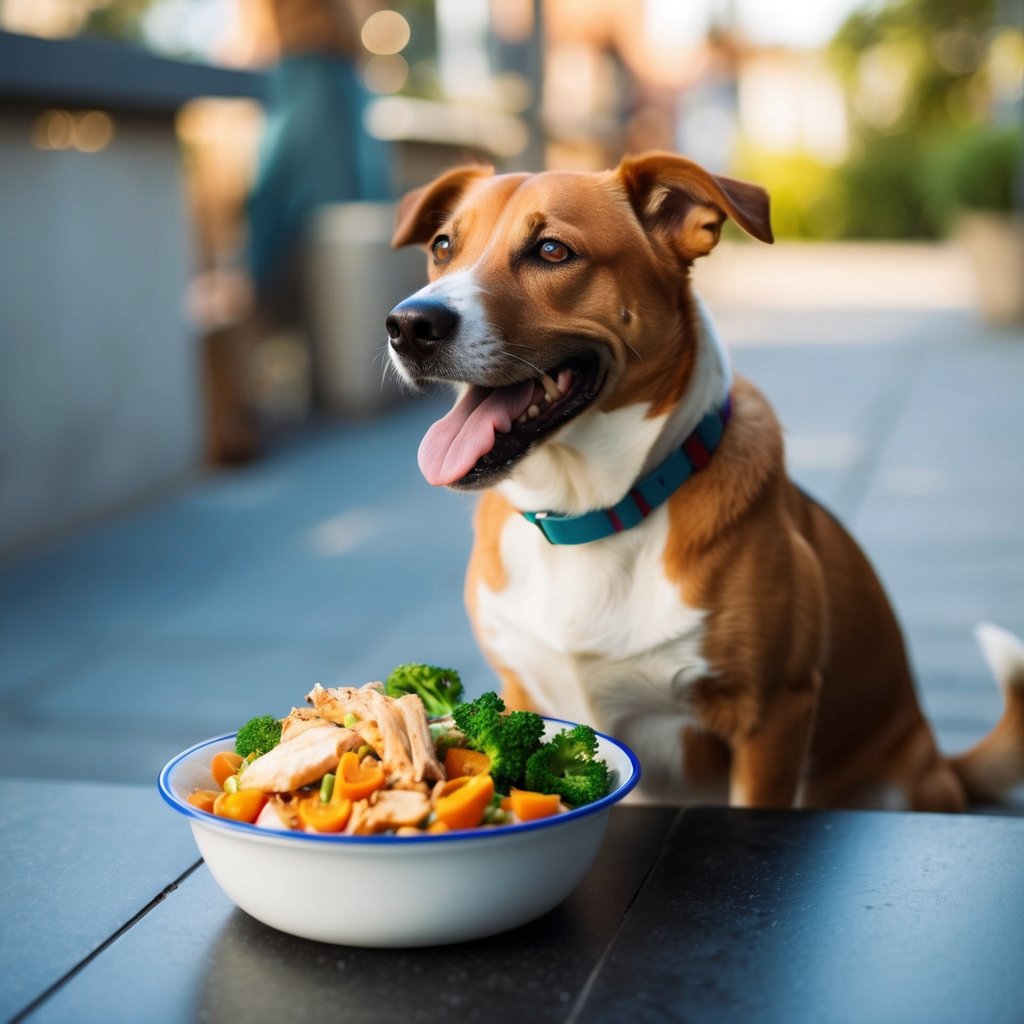
Making homemade dog food lets you control the ingredients and ensure your furry friend gets only the best. With chicken as a primary ingredient and a blend of colorful vegetables, this recipe is delicious and packed with vitamins and minerals that support a healthy lifestyle.
Incorporating this simple recipe into your dog’s diet can help promote a longer, healthier life. Get ready to enjoy the wagging tails and happy barks that come with a wholesome meal!
Why Chicken and Veggies Matter for Your Dog
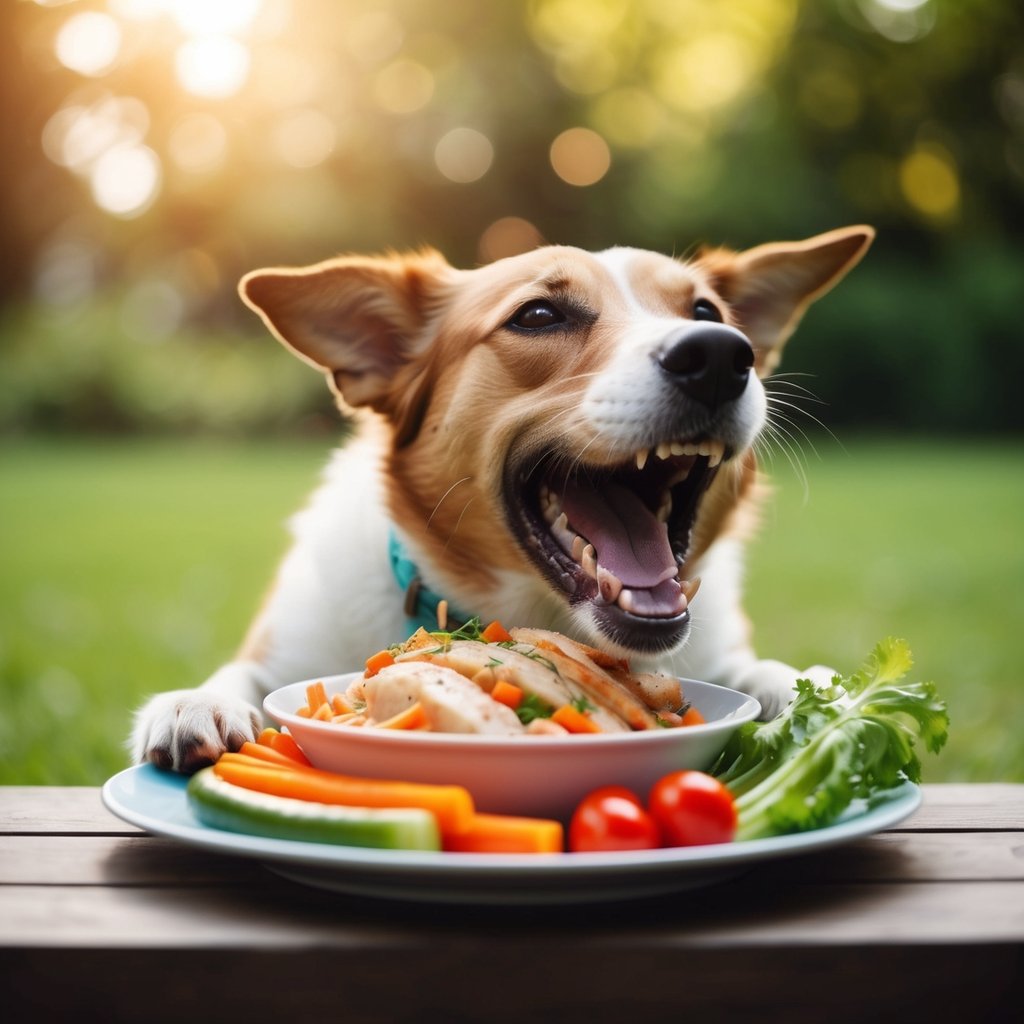
Incorporating chicken and vegetables into your dog’s diet offers numerous health benefits. These ingredients provide essential nutrients and enhance your pup’s overall well-being.
Benefits of Chicken in Canine Diets
Chicken is a fantastic source of lean protein that aids in muscle development and maintenance. It’s packed with amino acids essential for your dog’s growth and energy levels.
Chickens also contain essential vitamins, such as B6 and B12, which support your dog’s nervous system and promote healthy red blood cell production. The minerals found in chicken, like phosphorus and selenium, contribute to your dog’s bone health and immune system function.
When preparing chicken for your dog, choose skinless and boneless options to keep it healthy. Cooking it properly ensures there’s no risk of harmful bacteria, making it a safe choice for your furry friend.
Advantages of Vegetables for Dogs
Including vegetables in your dog’s meals can significantly boost their nutritional intake. Vegetables like carrots, green beans, and sweet potatoes are rich in vitamins and minerals that support various bodily functions.
These plant-based foods are high in fiber, which aids in digestion and promotes a healthy gut. Fiber can help prevent issues like constipation and maintain a healthy weight by keeping your pet feeling full longer.
Antioxidant-rich vegetables also play a vital role in disease prevention and overall health. They can help combat oxidative stress and inflammation, contributing to a longer, healthier life for your dog.
When adding veggies to your pup’s diet, cook them lightly to make them easier to digest.
Crafting the Perfect Chicken and Veggie Recipe
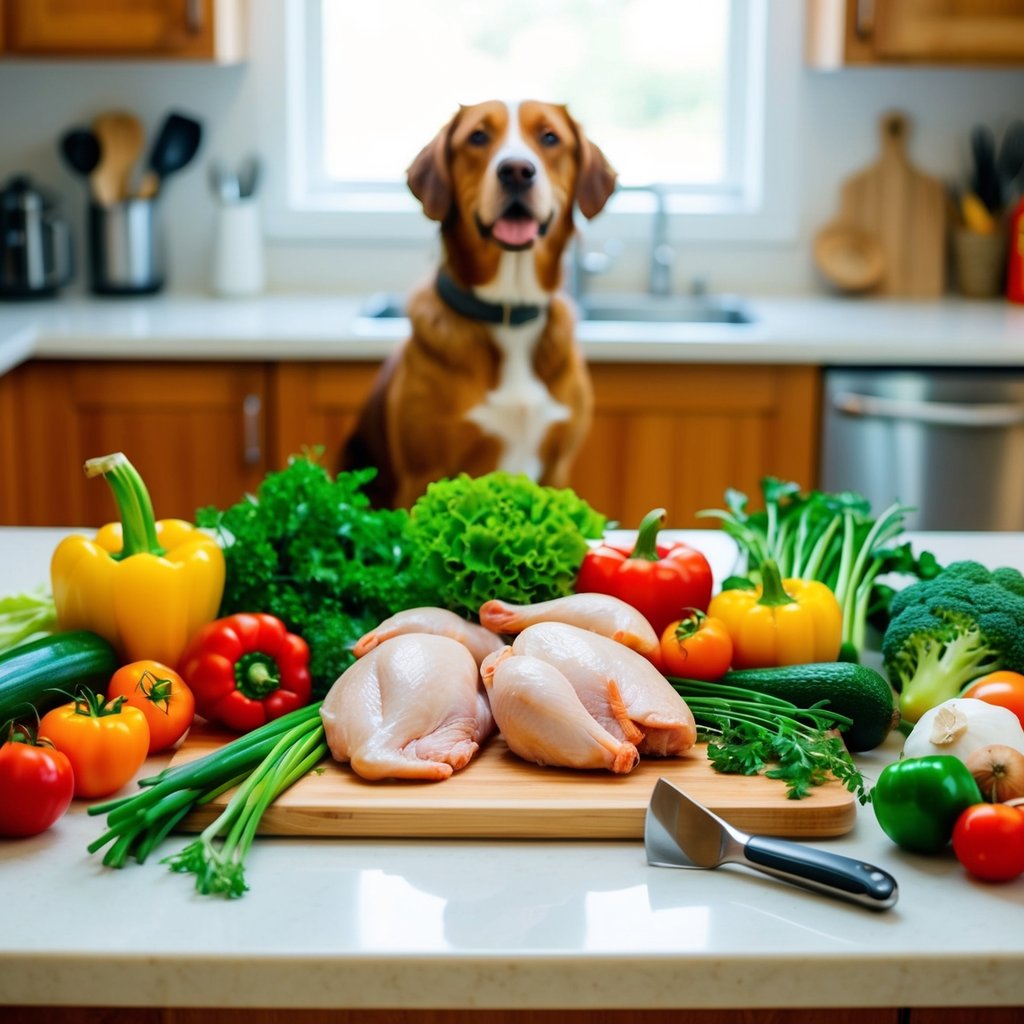
Creating a nutritious and delicious chicken and veggie recipe for your pup requires careful consideration of ingredients and preparation methods. Ensuring that your dog enjoys the meal while receiving essential nutrients is key.
Choosing the Right Ingredients
When selecting ingredients, focus on high-quality options. Use boneless, skinless chicken breasts or thighs, as they are lean protein sources. Look for organic options when possible, as they are free from harmful additives.
Incorporate a variety of vegetables for added nutrients. Safe choices for dogs include:
- Carrots: Great for vision and dental health.
- Green beans: Low-calorie and rich in fiber.
- Sweet potatoes: A good source of vitamins A and C.
Avoid toxic foods like onions, garlic, and grapes. Always ensure any added ingredients are dog-friendly.
Balancing Nutrition and Flavor
Dogs thrive on a balanced diet that combines protein, carbohydrates, and healthy fats. When you craft your chicken and veggie recipe, aim for:
- Protein: The primary ingredient should be chicken, providing amino acids essential for muscle health.
- Carbohydrates: Add brown rice or quinoa for energy. They are gentle on your dog’s digestive system.
- Healthy Fats: Include a small amount of olive oil for healthy fats, which support skin and coat health.
Enhance flavor using dog-safe herbs like parsley or basil. These not only boost taste but can also provide health benefits.
Preparing Your Dog’s Meal Safely
Preparation is crucial for your dog’s safety. Always wash your hands and cooking surfaces before handling food.
Cook chicken thoroughly to avoid any harmful bacteria. It should reach an internal temperature of at least 165°F. Steaming or boiling vegetables retains nutrients without added fats.
Finally, let the meal cool before serving it to your dog. This prevents burns and allows flavors to meld. To prevent overeating, portion the meal according to your dog’s size and dietary needs.
Tailoring the Recipe to Your Dog’s Needs
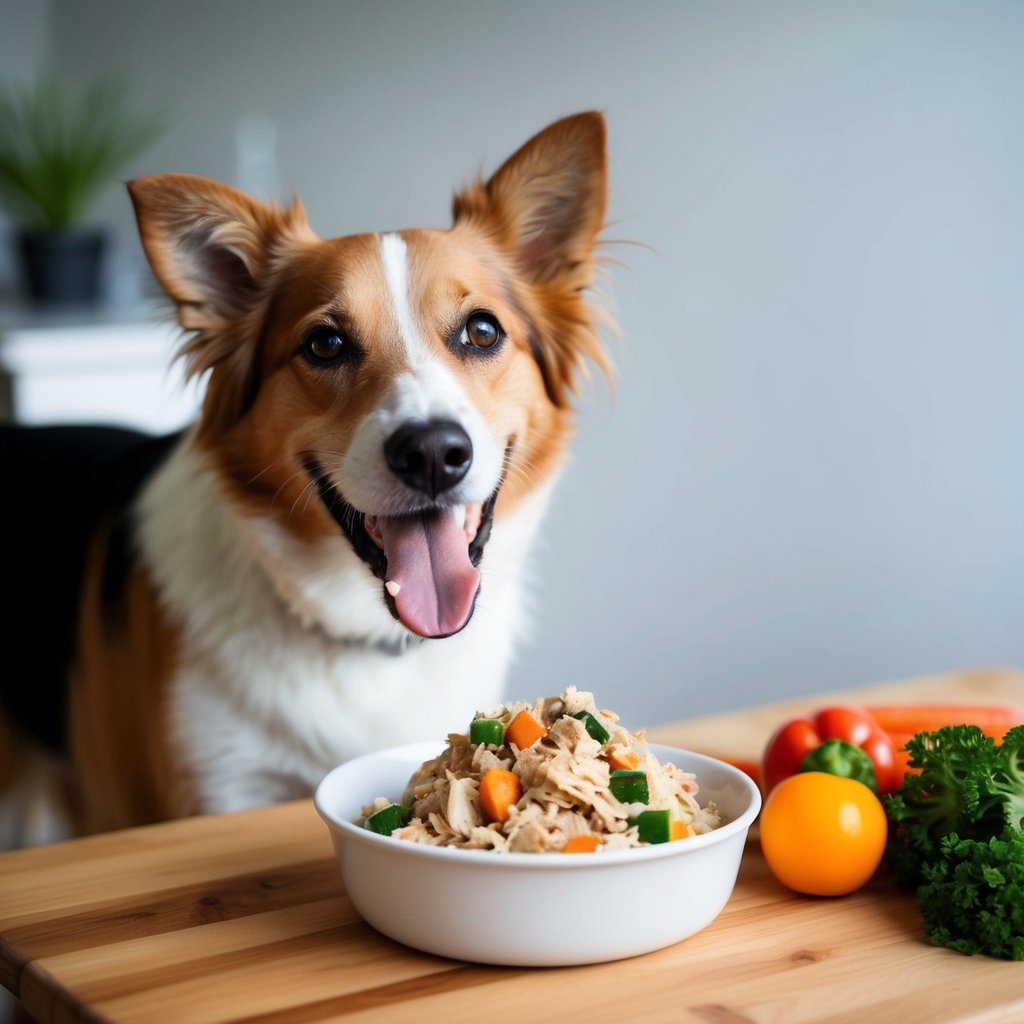
Every dog is unique, and tailoring the chicken and veggie recipe to meet your pup’s specific needs is essential for their health and happiness. Adjusting for age, activity level, and potential allergies ensures you provide the best nutrition possible.
Adjusting for Age and Activity Level
Puppies require more protein and calories to support their growth. Add extra chicken or healthy fats like fish oil to increase energy levels.
Balance is key for adult dogs. Ensure they get appropriate amounts of protein, vegetables, and carbohydrates. Active dogs may benefit from larger portions and more calorically dense ingredients.
On the other hand, senior dogs may need fewer calories and softer textures. Choose easily digestible vegetables and reduce the portion size to prevent weight gain. Monitoring your dog’s body condition regularly helps you make necessary adjustments.
Allergies and Sensitivities Considerations
When preparing homemade meals, consider your dog’s dietary allergies or sensitivities. Common allergens include wheat, corn, and soy. If you suspect an allergy, consult your veterinarian before introducing new ingredients.
Instead of using common vegetables, try alternatives like sweet potatoes, carrots, or peas. Always introduce new foods gradually to observe any adverse reactions.
Incorporating ingredients specific to your dog’s needs can enhance their health. For example, if your dog has joint issues, add fish oil or certain beneficial veggies for joint health. Make adjustments as necessary while closely examining how your pup responds to the changes.
Incorporating Chicken and Veggies into Your Dog’s Diet
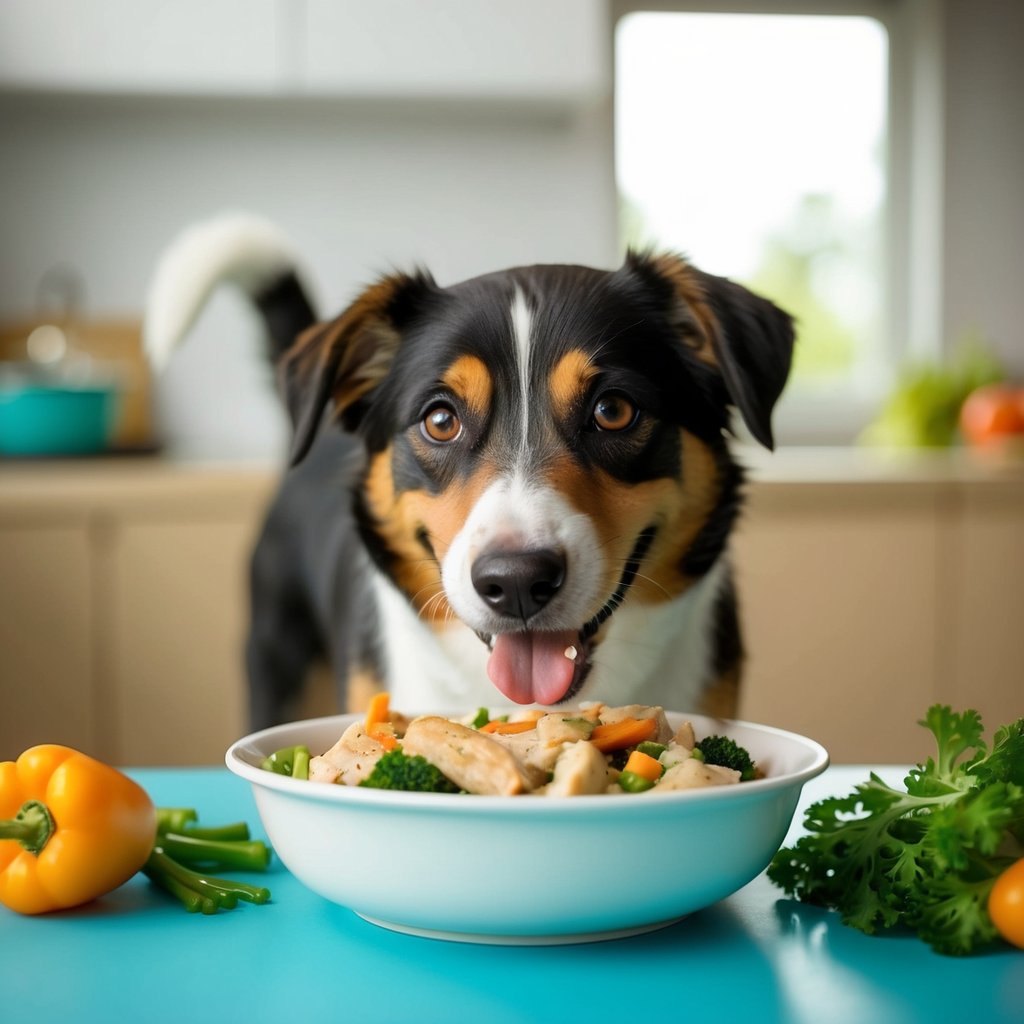
Adding chicken and veggies to your dog’s meals can enhance their nutrition and happiness. Doing this thoughtfully ensures a smooth transition and maintain a balanced diet for your furry friend.
Transitioning Foods Smoothly
When introducing chicken and vegetables to your dog’s diet, start gradually. A sudden change can upset their stomach. Mix some cooked chicken and chopped veggies with their regular food.
Over a week, slowly increase the proportions of chicken and veggies while decreasing the regular food. Monitor your dog’s reaction closely. Look for any signs of digestive discomfort like diarrhea or vomiting.
A good rule of thumb is to follow a 70/30 ratio of their original food to the new mixture, then adjust based on their tolerance. Keep it fun by rotating different vegetables such as carrots, peas, or green beans to keep meals interesting!
Maintaining a Balanced Diet
Nutritional balance is critical when changing your dog’s diet. Chicken is a great source of protein, but it should be complemented by vegetables for vitamins and minerals.
Aim for a mix of:
- Proteins: Chicken should be the primary source.
- Vegetables: Incorporate options like carrots, spinach, and zucchini.
- Fats: Small amounts of healthy fats, like fish oil, can be beneficial, too.
Consider using a calculator or chart to determine proper portion sizes based on your dog’s weight and activity level. Remember, too much of a good thing can lead to weight gain or nutritional imbalance. Regularly consult your vet to tailor your pup’s diet to their needs.
Monitoring Your Dog’s Health and Happiness
Keeping track of your dog’s well-being is essential for ensuring they live a longer, happier life. By being attentive to their behavior and health indicators, you can spot changes that signal when they may need extra care or a trip to the vet.
Noticing Positive Changes
You may notice several signs that indicate your dog is thriving. A content pup often displays increased energy levels, eagerness during walks, and an interest in play.
Keep an eye out for these specific behaviors:
- Appetite: A consistent and healthy appetite is a good sign.
- Coat Condition: A shiny, well-groomed coat means your dog is likely receiving proper nutrition.
- Behavioral Changes: Increased curiosity or sociability often indicates happiness.
Observing these positive changes can help you better understand your dog’s health and happiness. Regular observations will also make it easier to identify any shifts in attitude or energy.
When to Consult Your Vet
It’s essential to be proactive about your dog’s health. You should consult your veterinarian if you notice any of the following signs:
- Weight Loss: Unexpected weight loss can indicate health issues.
- Change in Appetite: A sudden increase or decrease in eating habits may be concerning.
- Lethargy: If your dog seems unusually tired or uninterested in activities, it’s worth investigating.
Additionally, regular checkups are essential. Your vet can help monitor your dog’s health, ensuring vaccines and preventive care are current. Early intervention can significantly improve outcomes if health issues arise.
Conclusion
Cooking for your pup can be a rewarding experience. You get to know exactly what goes into their meals, ensuring they receive healthy ingredients.
This chicken and veggie recipe offers a delicious blend of flavors your dog will love. The combination of chicken protein and veggie vitamins makes for a balanced meal that supports your pup’s overall health.
Adjust portion sizes based on your dog’s breed and activity level. Here’s a quick guide for serving:
- Small dogs: 1/4 to 1/2 cup
- Medium dogs: 1/2 to 1 cup
- Large dogs: 1 to 1 1/2 cups
Incorporating homemade meals into your dog’s diet can lead to happier, healthier moments. Enjoy the cooking process and the joy it brings to your furry friend!

Elizabeth Redd has been in Washington, D. C. since 1970. Welcome to "Pooch Wellness Path," your trusted guide to enhancing the well-being of your cherished furry friends. At the heart of our community lies a commitment to holistic wellness, combining comprehensive care with unconditional love.
We're here to offer you the latest nutrition, fitness, mental health, and preventive measures, lighting the way to peak health for your pet. Dive into our thriving network of dog lovers, where the happiness of our companions takes center stage.
We're all about sharing groundbreaking wellness tips and nurturing an environment where every dog thrives. Step into Pooch Wellness Path, where each joyful bark and wag is a testament to thriving health.

