
Think Schnauzers Are Ideal Pets? Discover the Unexpected Downsides
Miniature Schnauzers are cute and intelligent dogs that many people love. They have beards and eyebrows that make them look like little old men. But before you get one, you should know about some not-so-great things.
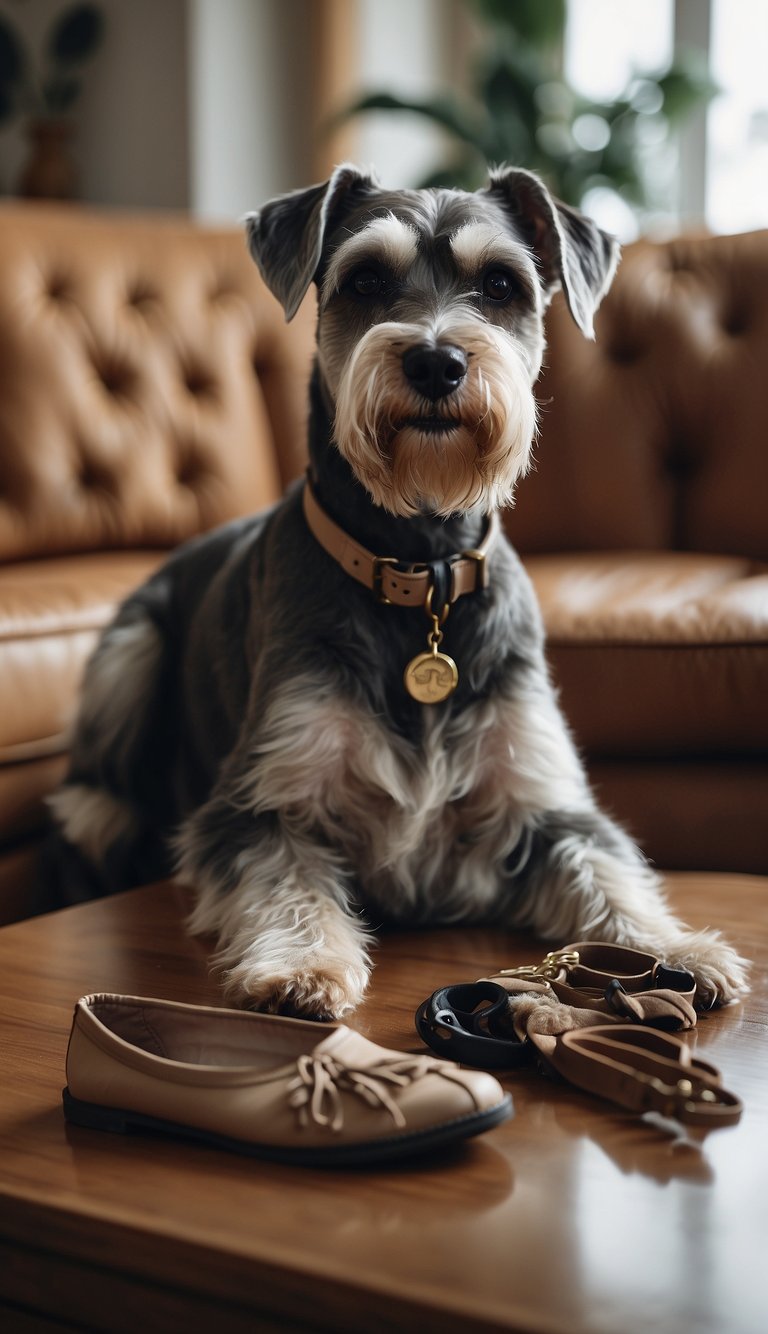
Miniature Schnauzers can be noisy and need lots of care, which might not fit everyone’s life. They like to bark at stuff, so your home might get loud. They also need a lot of grooming to keep their coat nice.
These dogs have a lot of energy and need exercise every day. If they don’t get enough play time, they might act up. They can also have some health problems you should know about.
Key Takeaways
- Miniature Schnauzers need a lot of grooming and can be noisy.
- They require daily exercise and mental stimulation to stay happy.
- These dogs may have health issues and can be pricey to care for.
What Makes Schnauzers Stand Out

Schnauzers have unique traits that set them apart from other dog breeds. Their looks and smarts make them popular pets for many families.
Distinctive Appearance
Schnauzers have a look all their own. Their wiry coat and bushy eyebrows give them a wise, almost human-like expression. You’ll spot a Schnauzer by its rectangular body and beard-like facial hair.
These dogs come in three sizes: Giant, Standard, and Miniature. Each size has the same distinct look, just on a different scale. Their coats can be black, salt and pepper, or white.
Schnauzers shed very little, which makes them a good choice if you don’t want dog hair all over your home. However, they need regular grooming to keep their coats in shape.
Intelligent and Trainable Nature
Schnauzers are intelligent cookies. They pick up new tricks quickly and love to learn. This makes training fun for both you and your dog.
These pups are always alert and ready for action. They make excellent watchdogs and tell you when someone’s at the door. Schnauzers are also good at problem-solving. You might find them figuring out how to open a gate or enter the treat jar!
Their smarts mean they need mental stimulation. Puzzle toys and training games can keep their minds busy. Without enough to do, a bored Schnauzer might find it fun—often in ways you won’t like.
Temperament Hurdles

Schnauzers can be challenging pets due to their strong-willed nature and loud personalities. These traits may surprise new owners unprepared for the breed’s unique quirks.
Stubborn Streaks
You might find your Schnauzer has a mind of its own. These dogs are known for their intelligence, which can sometimes make them stubborn. They may ignore commands if they’re not in the mood to listen.
Training a Schnauzer requires patience and consistency. You’ll need to establish yourself as the leader early on. Otherwise, your furry friend might try to take charge.
Positive reinforcement works best with this breed. Treats and praise can go a long way in encouraging good behavior. Remember, Schnauzers are intelligent cookies – they’ll quickly figure out how to get what they want if you’re not careful!
Vocal Personality Traits
Get ready for a chatty companion! Schnauzers are known for their vocal nature. They bark at everything from doorbells to passing cars.
This tendency to bark can be a problem if you live in an apartment or have close neighbors. Your Schnauzer might alert you to every little sound, day or night.
Training can help reduce excessive barking, but it’s part of their nature. You’ll need to accept some level of vocalization from your Schnauzer.
On the plus side, their alertness makes them excellent watchdogs. Just be prepared for false alarms when the mailman comes!
Grooming Challenges
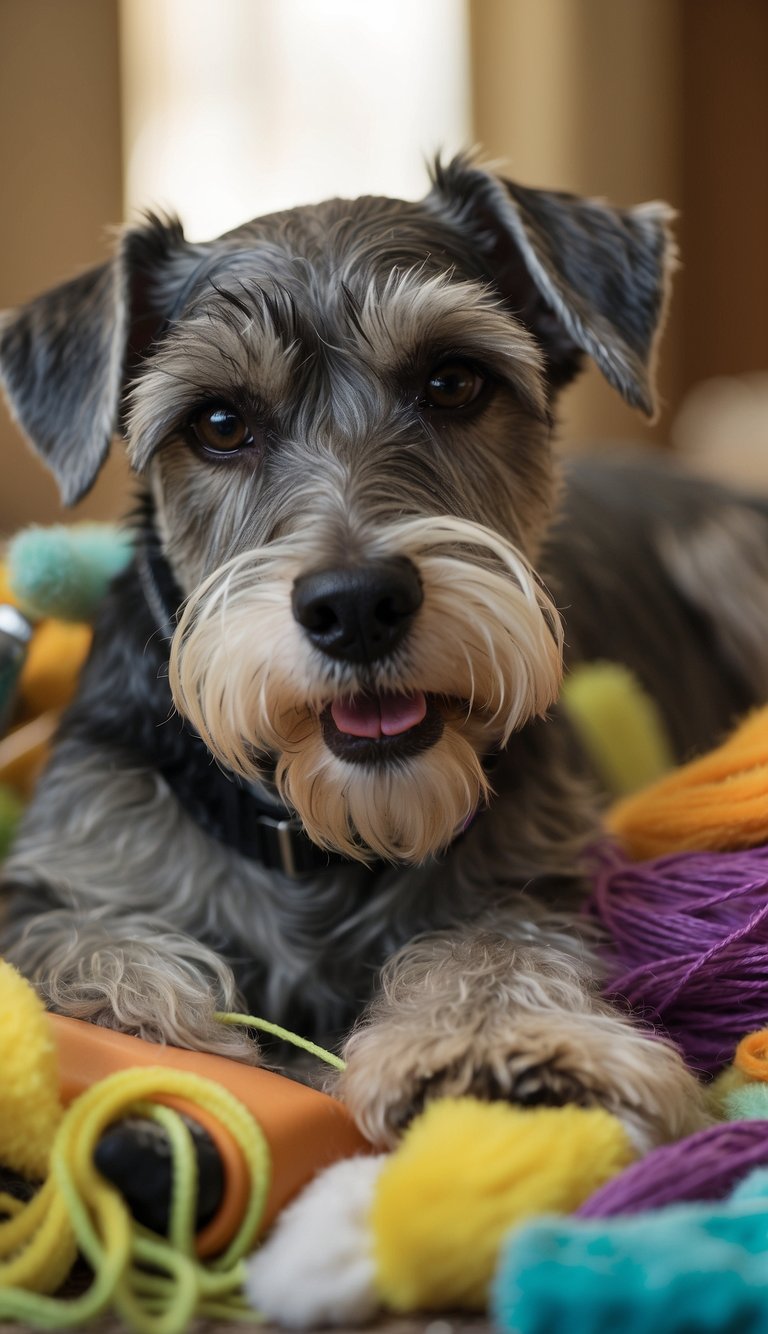
Schnauzers need lots of care to keep their coats looking good. This takes time and effort from owners.
Frequent Haircuts
You’ll need to give your Schnauzer haircuts often. Their hair grows fast and can get messy quickly. Professional groomers usually trim Schnauzers every 6-8 weeks. This can get pricey over time.
At home, you’ll need to brush your Schnauzer daily. This stops mats from forming in their thick coat. You’ll also need to trim around their eyes and ears weekly.
Don’t forget about their signature beard! It needs daily cleaning to avoid food buildup and smells.
Potential for Skin Issues
Schnauzers can develop skin problems if they are not groomed properly. Their thick coats trap moisture and dirt close to the skin.
This may lead to hot spots or other skin infections. It is essential to check your dog’s paws often. Look for signs of irritation between the toes.
Schnauzers can also develop dry, itchy skin. Regular baths with the right shampoo can help, but bathing too much can worsen skin problems.
Talk to your vet about the best grooming routine for your Schnauzer’s skin health.
Exercise and Activity Needs

Miniature Schnauzers have high energy levels and need plenty of daily exercise. Their activity requirements can be demanding for some owners.
High Energy Levels
Miniature Schnauzers require 30 to 60 minutes of exercise each day. This can include walks, runs, or play sessions. Without enough activity, these dogs may become restless or destructive.
You’ll need to set aside time for regular exercise routines. Short bursts of activity throughout the day can work well. Try 10-15 minute training sessions a few times daily.
Positive reinforcement with treats and praise helps keep your Schnauzer motivated. Be consistent and schedule exercise at similar times each day.
Space and Environment Considerations
Miniature Schnauzers can adapt to apartment living but still need space to move. A small yard or nearby park is ideal for daily play and exercise.
Indoor space for games and activities is essential, too. Set up a play area with toys and obstacles for mental stimulation.
Remember that Schnauzers are prone to overheating. Provide shade and water during outdoor activities, and avoid exercising in hot weather.
Consider your lifestyle and living situation carefully. A Miniature Schnauzer may not be the best fit if you can’t provide enough space or time for regular exercise.
Health Concerns to Consider

Schnauzers can face some unique health issues. Knowing these can help you provide the best care for your furry friend.
Common Genetic Conditions
Hip dysplasia is a common problem in Schnauzers. This condition affects the hip joint, causing pain and difficulty moving. You might notice your dog limping or struggling to climb stairs.
Schnauzers can also develop eye problems. Cataracts may form as they age, clouding their vision. Regular check-ups with a vet can catch these issues early.
Hypothyroidism is another concern. This happens when the thyroid gland doesn’t make enough hormones. Signs include weight gain and skin problems.
Dietary Sensitivities
Schnauzers are at a higher risk of developing pancreatitis, a painful pancreas inflammation triggered by fatty foods. Therefore, you’ll need to be careful with their diet.
Obesity is also a risk for Schnauzers. Extra weight can lead to other health issues, like joint pain and heart problems. Monitor their food intake and ensure they get enough exercise.
Some Schnauzers may have food allergies. Watch for signs like itchy skin or upset stomach after meals. Talk to your vet about trying a special diet if you notice these.
Social Considerations
Miniature Schnauzers have strong personalities that can impact their relationships with other animals and people. Their social behaviors may surprise you and require careful management.
Interactions with Other Pets
Miniature Schnauzers can be territorial and bossy with other pets. They might try to dominate larger dogs or chase smaller animals. This can lead to conflicts in multi-pet households.
Early socialization is vital to helping your Schnauzer get along with other pets. Introduce them slowly and supervise interactions. Many Schnauzers learn to coexist peacefully with other animals with time and training.
Some Schnauzers have a high prey drive. This means they may chase cats, birds, or small rodents. Keep this in mind if you have or plan to get other pets.
Family and Stranger Dynamics
Miniature Schnauzers form strong bonds with their families. They’re loyal and affectionate to their owners. However, this attachment can lead to separation anxiety when left alone.
Schnauzers can be wary or even unfriendly with strangers. They make excellent watchdogs but may bark excessively at visitors, which can annoy you and your neighbors.
Training and socialization can help your Schnauzer become more accepting of new people. Expose them to different people and situations from a young age. This will help them become well-rounded adults.
Remember, each dog is unique. Your Schnauzer’s personality may not fit these generalizations exactly.
Financial Implications

Owning a Schnauzer can be costly. You must budget for regular health care and grooming expenses to keep your furry friend happy and healthy.
Cost of Health Care
Schnauzers may face some health issues that can lead to unexpected vet bills. Pancreatitis is a common concern, often triggered by high-fat diets. You might need to buy exceptional low-fat food for your pup.
Urinary stones are another potential problem. Your vet may recommend regular tests to check for these. These tests can add up over time.
Remember routine care costs. Vaccinations, flea treatments, and yearly check-ups are all part of being a responsible pet owner. Setting aside money each month for these expenses is a good idea.
Pet insurance can help manage costs, but premiums can be pricey for Schnauzers due to their health risks.
Grooming Expenses
Schnauzers need regular grooming to keep their coats in top shape. This can be a significant expense if you’re not up for doing it yourself.
Professional grooming is typically every 6-8 weeks. Each session can cost $50-$100, depending on where you live. That adds up to $300-$800 yearly just for haircuts!
You’ll also need to buy grooming tools for at-home care. Brushes, combs, and nail clippers are must-haves. Expect to spend $50-$100 on these items.
Remember about shampoo and conditioner. Schnauzers can have sensitive skin, so you might need unique products, which can cost more than regular dog shampoos.
Lifestyle Compatibility
Schnauzers need lots of attention and care. Their needs can clash with busy schedules and changing life situations.
Travel and Time Commitments
Schnauzers don’t like being alone for long. They need daily exercise and playtime to stay happy, which can be difficult if you work long hours or travel often.
You’ll need a dog sitter or boarding when you go away. Schnauzers may get anxious in new places or with strangers. Their barking might annoy neighbors or hotel guests.
Training takes time and patience. Schnauzers can be stubborn, so you’ll need to work with them daily on good behavior.
Life Stage Adaptability
Schnauzer puppies need constant supervision. They chew everything and have lots of energy. This can be tough in tiny homes or with young kids.
Adult Schnauzers settle down some but still need exercise. Their barking might bother apartment neighbors.
Senior Schnauzers slow down but need more vet visits. Health issues can pop up, taking time and money to manage.
You’ll face different challenges as your Schnauzer ages. Be ready to adapt your lifestyle to meet their changing needs.
Conclusion
Miniature Schnauzers can be great pets, but they’re not for everyone. You should think carefully before getting one.
These dogs need lots of exercise and mental stimulation. If you can’t give them enough attention, they might act out.
Their barking can be a problem. You’ll need to train them early to keep it under control.
Schnauzers can be stubborn and independent. This might make training a challenge for new dog owners.
On the plus side, they shed very little. This makes them great for people who don’t want a lot of dog hair around.
They’re also smart and loving. With the proper care, they can be wonderful companions.
Remember, every dog is unique. If you decide to get a Miniature Schnauzer, be ready for the good and the tricky parts.
A Call to Action
Before getting a Schnauzer, take some time to consider it. These dogs need lots of care and attention.
Talk to Schnauzer owners and ask them about their experiences. This can give you a real picture of what it’s like to have one.
Visit a Schnauzer rescue. Meet some of these dogs in person. See how they act and if their personalities match yours.
Do more research. Learn about Schnauzer traits and care needs. Make sure you can handle their energy and grooming needs.
Think about your lifestyle. Can you give a Schnauzer enough exercise? Do you have time for training?
Consider other breeds, too. There might be a dog that fits your life better.
If you decide a Schnauzer is right for you, get ready! Set up your home for your new pet. Buy supplies like food, toys, and a bed.
Remember, getting a dog is a big step. Take your time to make the right choice. Your future pet will thank you for it!
First Aid for Dogs: An invaluable guide for all dog lovers
Immediate and appropriate first aid treatment in a medical emergency can significantly reduce the pain and suffering experienced by your pet and could save their life. Knowing how to help in those first vital minutes before you can get to the vet is vital, and choosing to read this book could be one of the most important decisions you can make—this guide is for all dog lovers. First Aid for Dogs will explain how to help your pet or any other dog should an accident happen. By Emma Hammett RGN (Author)
https://amzn.to/3WlDCmO

Elizabeth Redd has been in Washington, D. C. since 1970. Welcome to "Pooch Wellness Path," your trusted guide to enhancing the well-being of your cherished furry friends. At the heart of our community lies a commitment to holistic wellness, combining comprehensive care with unconditional love.
We're here to offer you the latest nutrition, fitness, mental health, and preventive measures, lighting the way to peak health for your pet. Dive into our thriving network of dog lovers, where the happiness of our companions takes center stage.
We're all about sharing groundbreaking wellness tips and nurturing an environment where every dog thrives. Step into Pooch Wellness Path, where each joyful bark and wag is a testament to thriving health.

