The Unseen Mistake Most Owners, Make When Leash Training
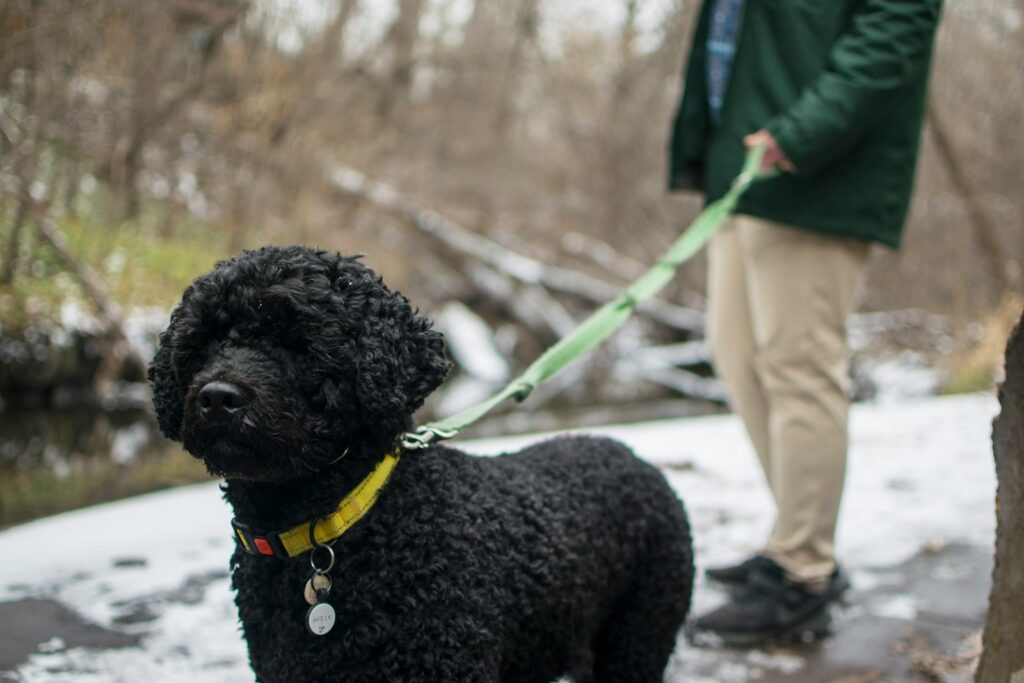
Taking your dog for a walk should be an enjoyable experience for both of you. Use a chest-led harness to prevent your dog from pulling on the leash. This harness helps stop the pulling by attaching the leash to a clip on your dog’s chest. This keeps your dog more under control without putting stress on its neck.
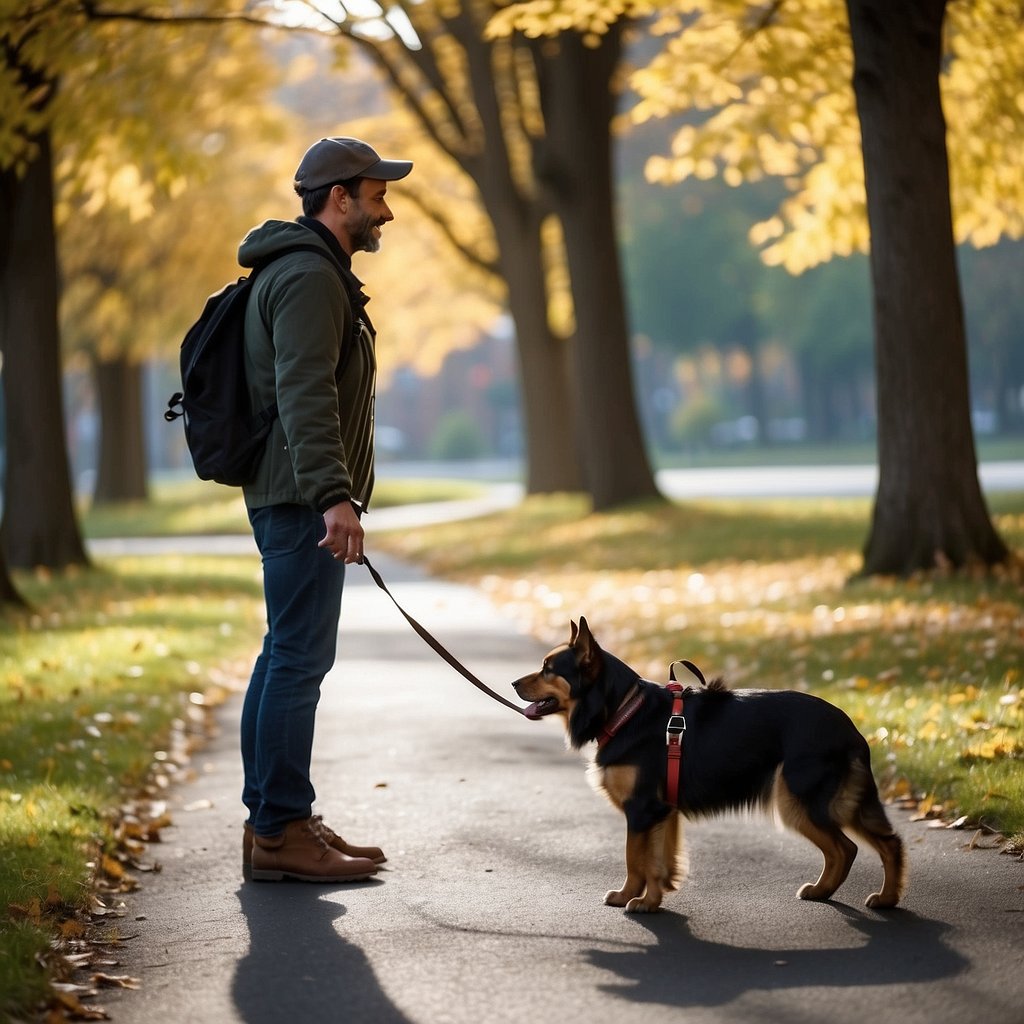
Training your dog to walk nicely also involves rewarding good behavior. When your dog stays close to you or stops pulling, please treat them to reinforce this positive action. Over time, your dog will learn what you expect during walks.
Keeping your emotions in check is crucial. Dogs can sense when you are stressed, which might make them more anxious and likely to pull. Stay calm and consistent, and your dog will be more likely to follow your lead. For additional tips, refer to expert advice from the American Kennel Club.
Understanding Canine Behavior
Understanding canine behavior—including body language and knowing why dogs pull—is essential to preventing your dog from pulling on the leash.
Canine Body Language
Understanding your dog’s body language helps you anticipate their behaviors. Dogs communicate through various signals, such as tail wagging, ear positioning, and eye contact. A dog pulling on the leash might have its body leaning forward, ears perked up, and eyes focused on something in the distance.
If the dog’s tail is held high and stiff, it may indicate excitement or alertness. Conversely, a tail tucked between the legs can signal fear or anxiety. Recognizing these signs allows you to respond promptly and correct unwanted behavior.
Reasons Dogs Pull on the Leash
Dogs pull on the leash for several reasons. One primary reason is excitement. New environments with different smells and sights stimulate their senses, making them eager to explore.
Another reason is lack of training. Dogs not trained to walk on a loose leash are likelier to pull. Implementing consistent training techniques can address this issue effectively.
Additionally, breeds bred for activities like pulling sleds or herding livestock may naturally pull more. Understanding these motivations helps you tailor your training approach for better success.
Choosing the Right Equipment
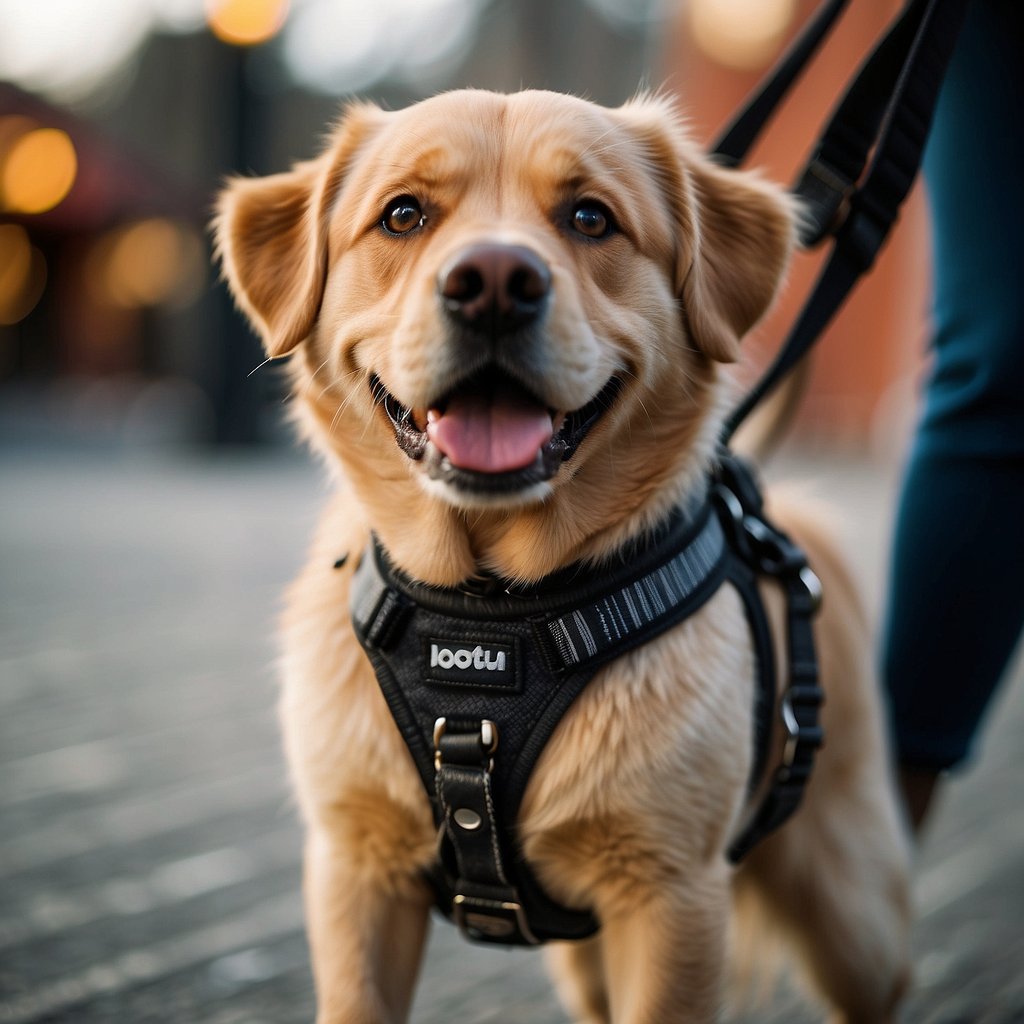
Using the correct equipment is essential for stopping your dog from pulling on the leash. The type of leash, collar, and harness you choose can make training much easier and more effective.
Types of Leashes and Collars
Different types of leashes and collars are available to manage leash pulling. Standard flat collars are common and suitable for everyday use, but they may be ineffective if your dog pulls a lot.
Martingale collars are designed to tighten slightly when the dog pulls, reducing the risk of slipping out. Head collars or halters give you more control by guiding the dog’s head, similar to how a horse’s bridle works.
No-pull and double-handed leashes provide extra control. The additional handle is closer to the dog’s collar, allowing you to pull it back more quickly. Choose a leash that matches your dog’s size and strength to ensure you can manage it effectively.
Harnesses vs. Collars
Harnesses distribute pressure evenly across the dog’s body rather than concentrating on their neck. This reduces the risk of injury and makes walks more comfortable for you and your dog. Front-clip harnesses are particularly useful for dogs that pull, as they turn their body around towards you when they try to pull forward.
Back-clip harnesses are suitable for well-behaved dogs but are less effective for preventing pulling. Consider your dog’s behavior and comfort when choosing between a harness and a collar. A well-fitted harness can reduce pulling and improve your dog’s walking experience.
Choosing the right equipment is crucial in managing your dog’s walking behavior. The type of leash and the choice between a harness and collar will significantly impact your success in training your dog to walk correctly.
Training Techniques to Prevent Pulling
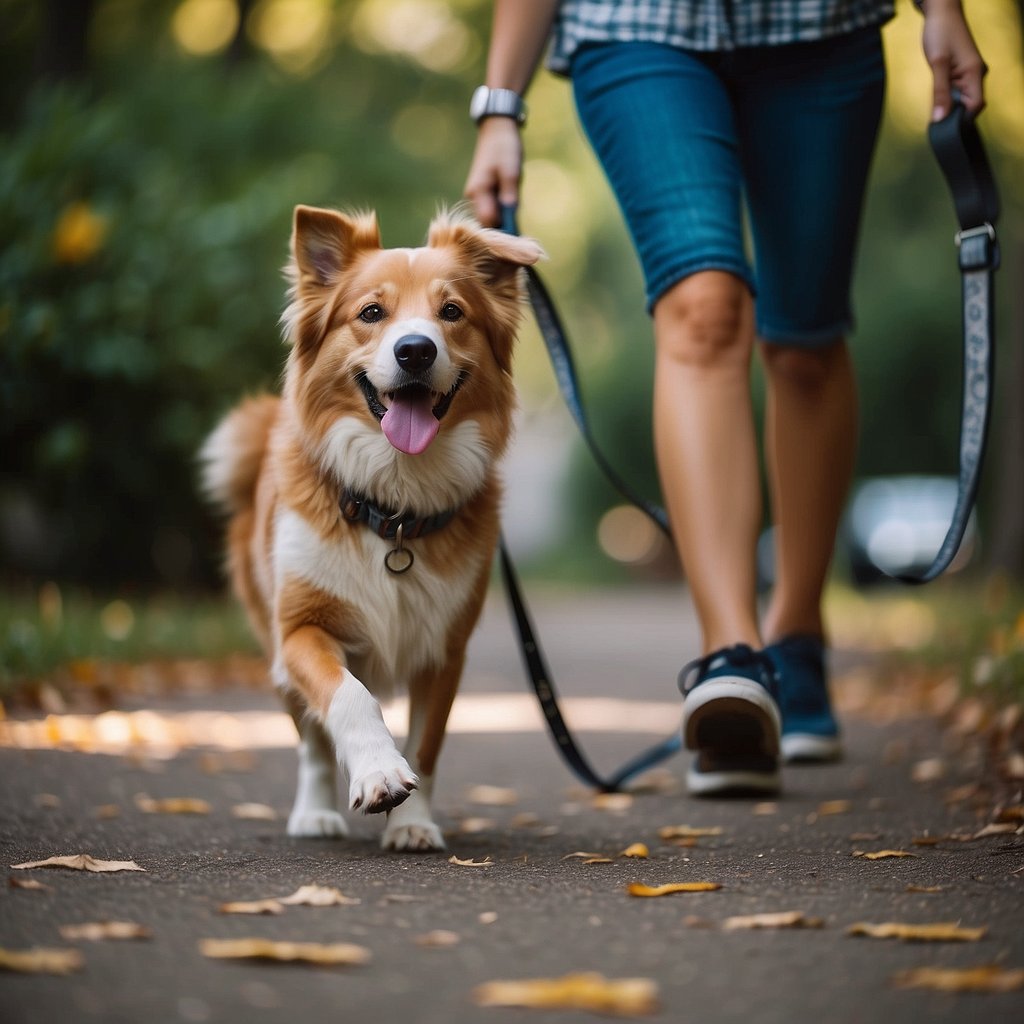
To prevent your dog from pulling on the leash, you can focus on positive reinforcement, proper leash handling, and using the turning technique. Each of these methods helps your dog learn to walk calmly beside you.
Positive Reinforcement Methods
Positive reinforcement is a powerful way to train your dog. When your dog walks without pulling, immediately reward them. Use treats, praise, or a favorite toy. This helps the dog associate the relaxed leash with positive outcomes.
Set up short training sessions. Start in a low-distraction environment. Keep sessions under 15 minutes to avoid overloading your dog. Use a clicker or a cue word like “Yes” to mark the correct behavior.
Consistency is key. Reward every successful effort. Gradually increase the challenge by practicing in busier areas. Remain patient and keep a positive attitude, even if progress seems slow.
Leash Handling Skills
Leash handling is just as important as the correct training techniques. Use a sturdy, four to six-foot leash. Avoid retractable leashes as they can encourage pulling. Make sure your dog wears a harness instead of a collar. A chest-led harness can help prevent pulling.
Hold the leash firmly but not too tightly. Maintain slight slack to avoid constant tension. Stand upright and keep your shoulders relaxed. This helps you stay in control without straining.
When your dog starts to pull, stop walking and plant your feet. Wait until the leash loosens before you start moving again. This teaches your dog that pulling won’t get them anywhere, reinforcing the behavior you want to see.
Turning Technique
The turning technique can redirect your dog’s attention. When your dog starts to pull, quickly turn in the opposite direction. Use a cue word like “Let’s go” as you turn. This method interrupts the pulling and brings your dog back to your side.
At first, practice this method in an area with few distractions. Over time, your dog will learn to follow you closely. Be consistent with your turns and use rewards when your dog responds well.
Gradually increase the difficulty by adding more distractions. This technique helps your dog remain focused on you, reducing the urge to pull.
Consistency and Routine
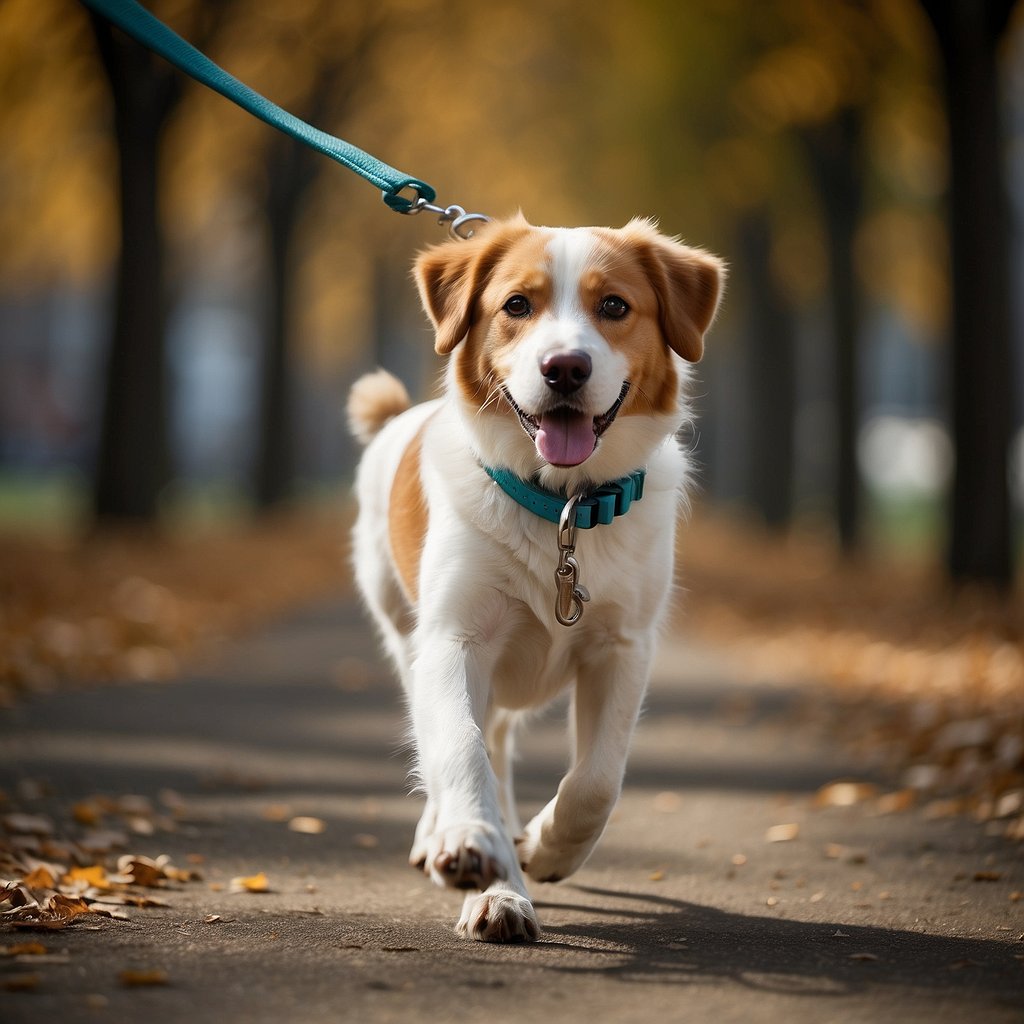
Consistent training and a routine are essential for preventing your dog from pulling on the leash. These practices help your dog understand expectations and reinforce good behavior.
Regular Training Sessions
Holding regular training sessions is crucial for your dog to learn not to pull on the leash. Set aside specific times each day to practice. Shorter, frequent sessions are often more effective than infrequent, long sessions. Aim for 10-15 minutes, two or three times a day.
Use a dedicated training area without distractions. A quiet backyard or a specific room in your house can be ideal. Consistency in the training environment helps your dog focus better.
Reward-based training is highly effective. Use treats or verbal praise immediately when your dog follows commands or walks without pulling. Positive reinforcement will make your dog eager to obey.
Slowly introduce distractions as your dog improves. Start with quiet neighborhoods before moving to busier areas. This will help your dog adapt to different settings while maintaining good leash behavior.
Maintaining Consistency
Maintaining consistency in your commands and actions is vital to successful leash training. Use the exact command words and phrases, such as “heel” or “walk nice,” to clarify what you expect from your dog.
If your dog pulls, always respond the same way. Stop walking immediately and stand still. Wait for your dog to calm down before starting again. Mixed signals will confuse your dog and make training harder.
Make sure everyone in your household follows the same rules. If one person allows pulling while another enforces strict no-pulling rules, your dog will receive confusing messages. Discuss and agree on the commands and rules as a family.
Monitor your dog’s progress regularly and adjust training as needed. If your dog continues to pull, consider seeking advice from a professional trainer for more personalized strategies.
Addressing and Correcting Pulling Issues
Addressing leash pulling requires consistency and the right techniques. Learn to avoid common mistakes and troubleshoot problematic behaviors effectively.
Common Mistakes to Avoid
One common mistake is letting your dog pull you around. This reinforces the behavior because your dog learns that pulling gets them where they want to go. To combat this, stop walking the moment your dog pulls.
Another mistake is using the wrong equipment. A collar might increase pulling, so opt for a chest-led harness instead. This gives you more control and makes it easier to guide your dog.
Inconsistent training can also confuse your dog. Be consistent with commands and rewards. Always reward your dog when it walks beside you with a loose leash.
Avoid punishing your dog for pulling. It can increase anxiety and doesn’t teach the behavior you want. Positive reinforcement works better. Mark the desired behavior with a cue word and give a treat.
Troubleshooting Problematic Behaviors
If your dog continues to pull, start training in a distraction-free environment. This will help it focus on you. Once it masters walking on a loose leash, gradually introduce distractions.
For dogs that pull towards interesting sights or smells, give a cue like “go sniff” to let them know it’s okay to explore with a loose leash. Then, resume walking with your command.
For high-energy dogs, exercise them before the walk. A tired dog is less likely to pull. Combine physical activity with mental stimulation, like puzzle toys, to reduce excess energy.
Remember to be patient. Training takes time, and every dog learns at its own pace. Consistently using these strategies will help teach your dog to walk calmly by your side.
For more tips and techniques, check out expert advice on leash issues or learn how to stop a dog from pulling on a leash step-by-step.

Elizabeth Redd has been in Washington, D. C. since 1970. Welcome to "Pooch Wellness Path," your trusted guide to enhancing the well-being of your cherished furry friends. At the heart of our community lies a commitment to holistic wellness, combining comprehensive care with unconditional love.
We're here to offer you the latest nutrition, fitness, mental health, and preventive measures, lighting the way to peak health for your pet. Dive into our thriving network of dog lovers, where the happiness of our companions takes center stage.
We're all about sharing groundbreaking wellness tips and nurturing an environment where every dog thrives. Step into Pooch Wellness Path, where each joyful bark and wag is a testament to thriving health.