
Raw Fish and Dogs: Dangerous or Delicious?

If you’re a dog owner who loves to shower your furry friend with tasty treats, you might wonder if raw fish or seafood is safe for your dog. While it might seem like a healthy option considering all the nutrients fish offers, it’s important to proceed cautiously. Dogs should avoid eating raw fish or seafood due to the potential risks of harmful pathogens and dangerous heavy metals.
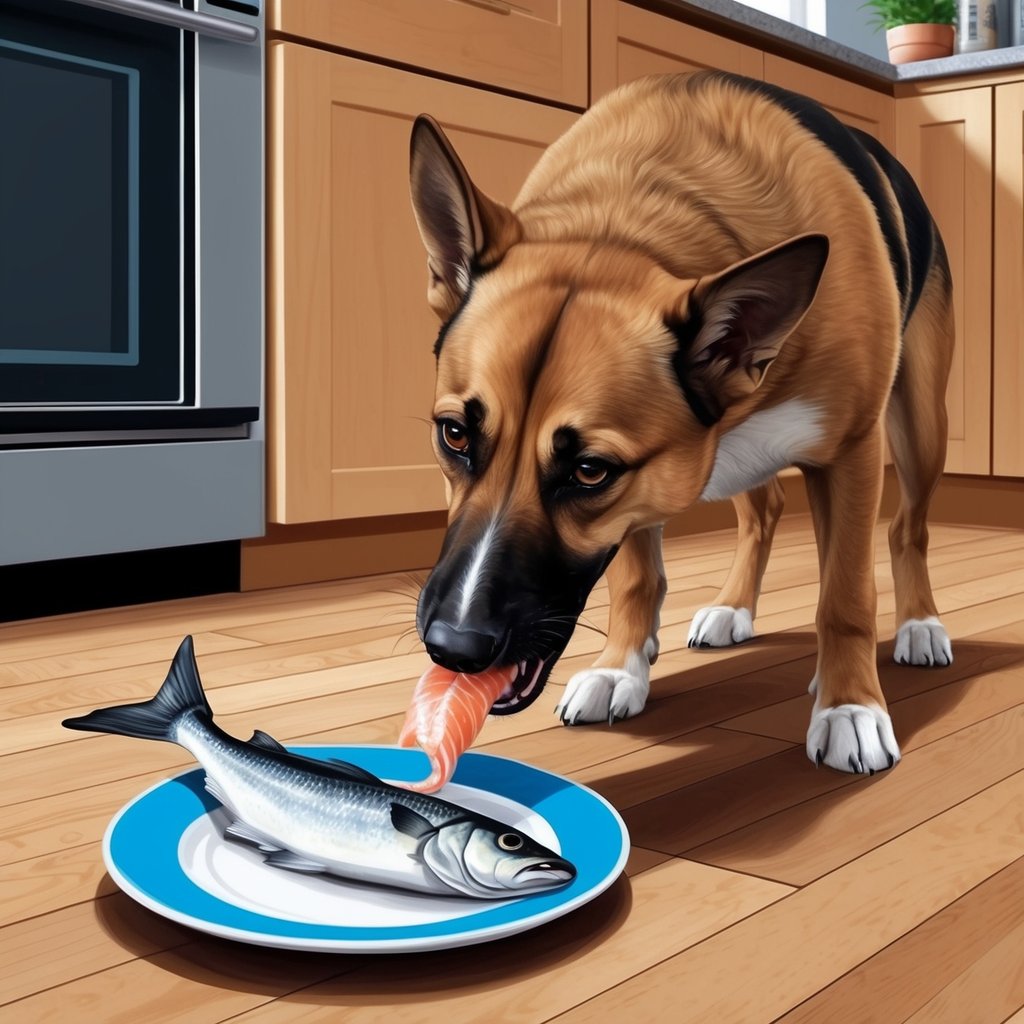
Feeding your dog raw fish can introduce bacteria and parasites into their diet, leading to serious health issues. These pathogens, such as roundworms and tapeworms, pose a risk to dogs and humans. Cooking fish thoroughly can mitigate these dangers, ensuring your pup remains happy and healthy.
If you’re considering adding fish to your dog’s diet, consult your veterinarian. This ensures you’re choosing the safest and healthiest options. By staying informed, you can provide your furry friend with the best care possible.
Benefits and Risks of Raw Fish for Dogs
Raw fish can be a valuable source of essential nutrients for dogs, yet it poses several health risks. Understanding the trade-off between nutritional benefits and potential hazards is crucial when adding raw fish to your dog’s diet.
Nutritional Value of Raw Fish
Raw fish is rich in omega-3 fatty acids, which support your dog’s skin and coat health. These healthy fats can reduce inflammation and improve joint health. Raw fish provides lean protein, essential for muscle maintenance and energy levels. It also contains vital vitamins and minerals like Vitamin D, calcium, and phosphorus, contributing to bone strength and overall vitality.
Certain fish varieties, such as salmon and sardines, are particularly beneficial due to their higher omega-3 content. They offer added advantages by supporting cardiovascular health and boosting the immune system. When correctly sourced and prepared, raw fish can offer a nutritious addition to a dog’s diet without excess calories.
Potential Hazards
Feeding dogs raw fish comes with potential hazards. Bacteria such as Salmonella and Listeria can pose health risks to your dog. These pathogens might cause gastrointestinal issues or more severe health problems. Parasites like flukes, roundworms, and tapeworms are common in raw fish. These can lead to digestive disturbances or other long-term health issues in dogs.
Raw fish may have bones that can become choking hazards or cause injury to the digestive tract. Additionally, some fish contain heavy metals, accumulating over time and affecting your dog’s health. It’s crucial to consider these risks and consult with a veterinarian to ensure safe dietary practices for your pet.
Safe Fish Types and Preparation
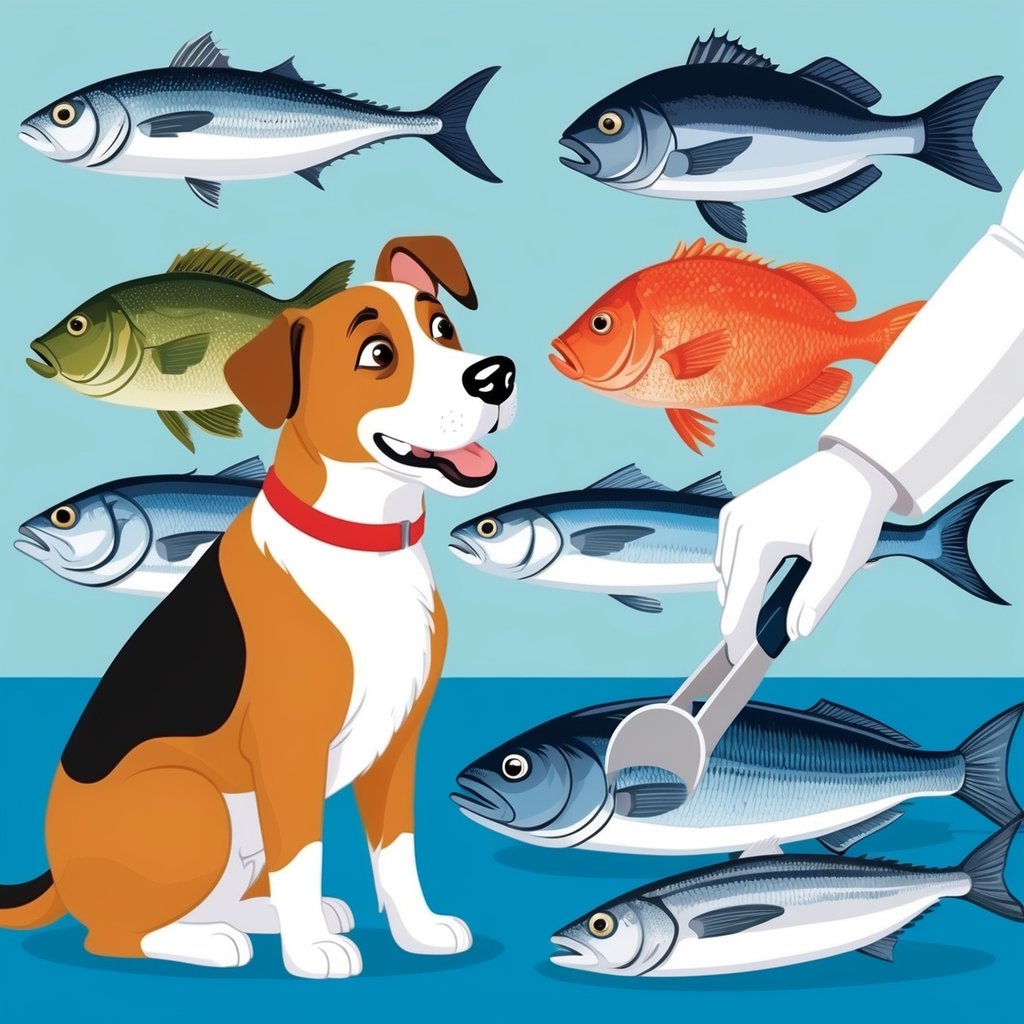
When feeding your dog fish, it’s essential to select safe types and prepare them correctly to ensure your dog’s health and enjoyment. Cooked fish can be a nutritious addition to their diet if you make mindful choices.
Choosing the Right Fish
Certain fish types are safer for your dog than others. Salmon, catfish, and herring are generally safe choices. They are rich in omega-3 fatty acids, which support healthy skin and coat.
Avoid fish with high mercury levels, like swordfish and king mackerel. It’s also best to skip shellfish, including clams and mussels, as they might contain toxins. Sticking to fresh, well-known varieties can reduce the risk of contamination when choosing fish.
Proper Preparation Methods
Always cook fish thoroughly before serving it to your dog. Raw fish can harbor harmful parasites, so cooking is essential for safety. When preparing fish, remove all bones to prevent choking or injury.
Avoid using oils, seasonings, or additives, as these can upset your dog’s stomach or be toxic. Steaming or baking fish without extra ingredients is a simple and effective way to prepare it. By focusing on proper preparation, you ensure that your dog receives all the nutritional benefits of fish.
Toxic Seafood to Avoid
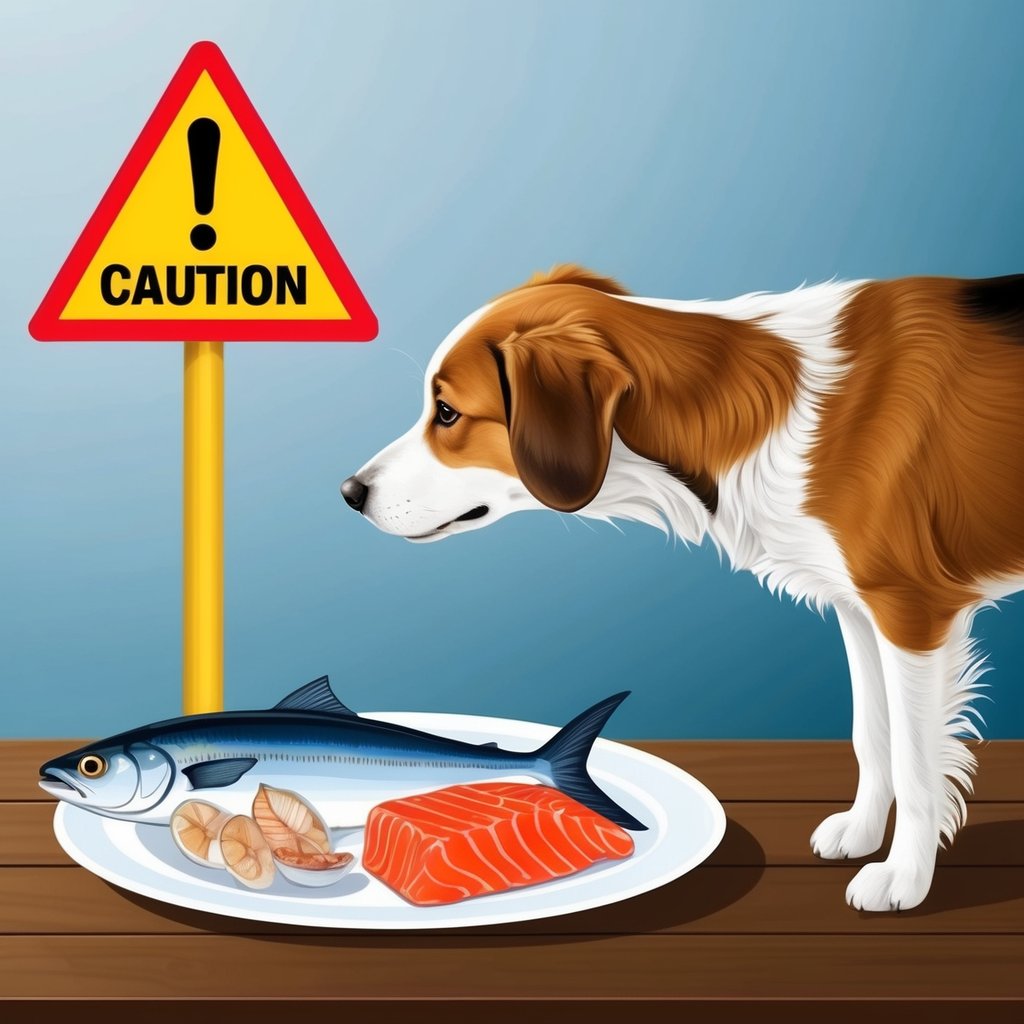
Knowing which types of seafood can harm your dog is essential. Certain seafood items contain toxins or pose health risks. Avoid these to keep your furry friend safe and healthy.
Common Toxic Seafood Items
- Raw Fish: Always avoid feeding your dog raw fish. It can contain harmful parasites and bacteria, such as tapeworms and roundworms, leading to health issues. Cooking the fish thoroughly can eliminate these risks.
- High Mercury Fish: Tuna and swordfish are known for their high mercury content, which can be toxic to dogs. Mercury poisoning can affect your dog’s nervous system, so avoiding these fish is best.
- Shellfish: Some shellfish, like mussels and clams, may be unsafe due to potential choking hazards and can cause digestive issues. Always ensure any shellfish is cooked and cleaned properly to remove toxins.
Being mindful of these types will ensure that the seafood you select is safe for your canine companion.
Serving Size and Frequency
When deciding how to incorporate fish or seafood into your dog’s diet, it’s essential to consider both serving size and frequency. These factors ensure your dog enjoys the nutritional benefits without any adverse effects.
Determining Portion Sizes
When determining how much fish or seafood to feed your dog, consider their size, age, and overall health. A general guideline is to base the portion on your dog’s weight. For example, smaller dogs might only need a few grams, while larger dogs can handle up to an ounce.
Introduce fish or seafood gradually to monitor your dog’s response. Watch for unusual behavior or digestive issues that might indicate an allergy or intolerance. If you’re unsure about how much to serve, consult your veterinarian.
Recommended Serving Frequency
The frequency of serving fish or seafood to your dog dramatically depends on their diet and nutritional requirements. For many dogs, providing fish once or twice a week is sufficient to gain the benefits of omega-3 fatty acids, which promote healthy skin and coat.
If fish is a regular part of your dog’s diet, ensure it accounts for a balanced percentage of their weekly intake. The Ancestral raw feeding model suggests making up about 10% of the diet. Again, consulting with a veterinarian can help tailor the frequency to your dog’s specific needs.
Consulting Your Veterinarian
When considering adding raw fish or seafood to your dog’s diet, it’s essential to consult your veterinarian. They can help you determine if it’s suitable for your pet based on its specific health needs.
Start by discussing any previous allergies or sensitivities your dog might have. Some dogs may react negatively to certain types of fish, leading to skin irritations or digestive upset.
Questions to Ask Your Veterinarian:
- Is my dog prone to any fish allergies?
- What is the appropriate serving size for my dog’s size and breed?
- Should I be concerned about mercury levels or other toxins?
Benefits of Consultation:
Talking to a veterinary professional ensures you tailor your dog’s diet to their nutritional needs. Your vet might even suggest safer alternatives if raw fish isn’t suitable.
While some fish contain beneficial omega-3 fatty acids, others may pose risks due to parasites or bacteria. Your vet can guide you on preparing the fish safely to minimize these hazards.
Don’t hesitate to discuss any other concerns you might have. Your veterinarian is there to help you make informed decisions that keep your furry friend healthy and happy.
Conclusion
When considering feeding your dog raw fish or seafood, weighing the potential risks and benefits is essential. Raw fish can harbor harmful bacteria and parasites, posing health risks to your furry friend. Therefore, experts generally advise against feeding your dog raw fish.
On the brighter side, fish can be a healthy part of your dog’s diet when prepared correctly.
Ensure it’s fully cooked and free from seasonings, heavy metals, and bones. Cooked fish provides valuable nutrients like omega-3 fatty acids, which support your dog’s skin and coat health.
If you want to include fish in your dog’s diet, providing cooked fish is a safe and nutritious option. Alternatively, fish oil supplements should be considered to deliver essential omega-3s without the risks associated with raw fish.
Remember to observe your dog’s reactions when introducing new foods and consult your veterinarian if you have any concerns. Keeping your pet’s health and safety in mind will help ensure they enjoy a long, happy life by your side.
Call to Action
Ensuring your dog’s health and happiness is always a priority. Taking the proper steps is essential to add seafood to your diet. Seafood can be beneficial, but it’s essential to avoid raw options. Make sure to research thoroughly and keep your furry friend safe.
Tips for Safely Feeding Seafood:
- Cook Thoroughly: Always cook seafood to kill harmful parasites and bacteria.
- Avoid High-Mercury Fish: Stay clear of species like swordfish and king mackerel.
- Beware of Bones: Remove all bones to prevent choking hazards.
Before introducing any new food, it’s wise to consult with your veterinarian. Your veterinarian can provide personalized advice based on your dog’s needs, ensuring you make the best dietary choices.
Stay Informed:
Keep an eye on your dog’s behavior after trying new foods. This can help identify any allergies or digestive issues early on. If you notice any adverse reactions, contact your vet immediately.
Together, you and your vet can craft a diet that supports your dog’s overall well-being, including considering safe seafood options. By taking informed actions, you help ensure your pet thrives.
Excellent good food Scale, 22lb Digital Kitchen Scale Weight Grams and oz for Cooking Baking, 1g/0.1oz Precise Graduation, Stainless Steel and Tempered Glass (Ash Silver)

Elizabeth Redd has been in Washington, D. C. since 1970. Welcome to "Pooch Wellness Path," your trusted guide to enhancing the well-being of your cherished furry friends. At the heart of our community lies a commitment to holistic wellness, combining comprehensive care with unconditional love.
We're here to offer you the latest nutrition, fitness, mental health, and preventive measures, lighting the way to peak health for your pet. Dive into our thriving network of dog lovers, where the happiness of our companions takes center stage.
We're all about sharing groundbreaking wellness tips and nurturing an environment where every dog thrives. Step into Pooch Wellness Path, where each joyful bark and wag is a testament to thriving health.

