
The Top 5 Dangerous Foods That Could Be Harming Your Dog’s Kidneys
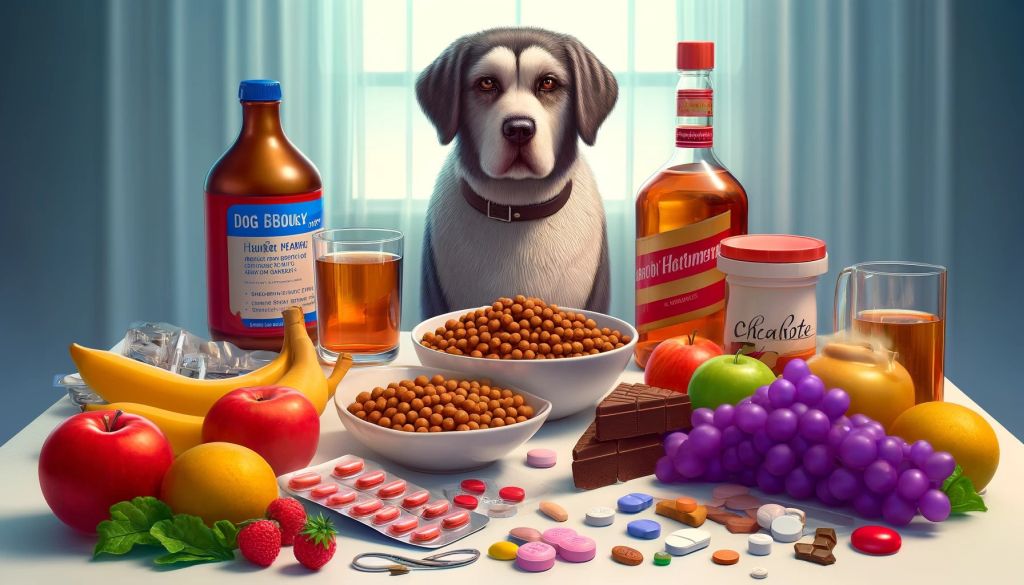
Knowing what to feed your dog is vital to its health. Certain foods may seem harmless but can lead to serious kidney issues. Avoiding toxic foods like grapes, raisins, and onions can help protect your dog from kidney failure.
You might be surprised to learn that some everyday items in your kitchen could threaten your dog’s kidneys. Items like chocolate and high-fat foods can also contribute to kidney problems. Awareness of these risks is crucial to ensure your furry friend stays healthy and happy.
Understanding what foods to exclude from your dog’s diet can significantly affect its well-being. Stay informed and make wise choices to keep your pup’s kidneys functioning well for years.
Understanding Kidney Failure in Dogs
Kidney failure in dogs can be a severe condition that requires your attention. Knowing the causes, risk factors, symptoms, and how to diagnose this issue is vital for maintaining your pet’s health.
Causes and Risk Factors
Several factors can contribute to kidney failure in dogs. Common causes include:
- Chronic Kidney Disease (CKD): Progressive kidney damage over time.
- Genetic Factors: Some breeds are more likely to develop kidney problems.
- Age: Older dogs are at a higher risk.
- Toxins: Ingesting harmful substances like antifreeze or certain plants can damage the kidneys.
- Infections: Severe urinary tract infections can lead to kidney issues.
Monitoring your dog’s overall health and awareness of these risk factors is essential. Regular veterinary check-ups can help catch kidney problems early.
Symptoms and Diagnosis
Recognizing the symptoms of kidney failure is vital for prompt treatment. Common signs include:
- Increased Thirst: You may notice your dog drinking more water than usual.
- Excessive Urination: Frequent trips outside or accidents in the house can occur.
- Lethargy: A lack of energy or increased sleeping may be noticeable.
- Vomiting: This can indicate that the kidneys aren’t working correctly.
- Weight Loss: Dogs with kidney issues often lose weight, even if they have a good appetite.
For diagnosis, your vet may conduct blood tests and urinalysis to assess kidney function. Early detection can help manage the condition better. Be sure to consult your vet if you notice any of these symptoms in your dog.
Toxic Foods for Dogs’ Kidneys
Knowing what foods harm your dog’s kidneys is essential for keeping them healthy. Some common foods can cause severe kidney problems, so it’s essential to be aware of them. Below are three of the most toxic foods to avoid.
Grapes and Raisins
Grapes and raisins can be very dangerous for dogs, even in small amounts. Eating these fruits can lead to acute kidney injury (AKI).
The exact reason they are harmful is not fully understood, but it is clear that some dogs are more sensitive than others. Symptoms of ingestion may include vomiting, diarrhea, and lethargy.
Contact your vet immediately if you suspect your dog has eaten grapes or raisins. Timely intervention can help prevent severe damage to your dog’s kidneys.
Chocolate and Caffeine
Chocolate and caffeine are loaded with substances called methylxanthines, which are toxic to dogs. The darker the chocolate, the more dangerous it is for your pet.
Consuming these items can cause symptoms like increased heart rate, restlessness, and even kidney failure in severe cases. Dogs are often drawn to these foods due to their sweet smell.
Be vigilant and secure these items safely to prevent any accidental ingestion. Always seek veterinary help if your dog consumes chocolate or caffeine.
Onions and Garlic
Onions and garlic belong to the allium family, which can be toxic to dogs. Over time, they can damage your dog’s red blood cells, leading to serious health issues, including kidney damage.
Both cooked and raw forms are harmful, with garlic being more toxic than onions. Watch for symptoms like weakness, vomiting, and breathlessness.
Even small amounts can be dangerous, so be cautious with table scraps and ingredients in your home. To keep your dog safe, it’s best to avoid these foods.
Harmful Human Foods
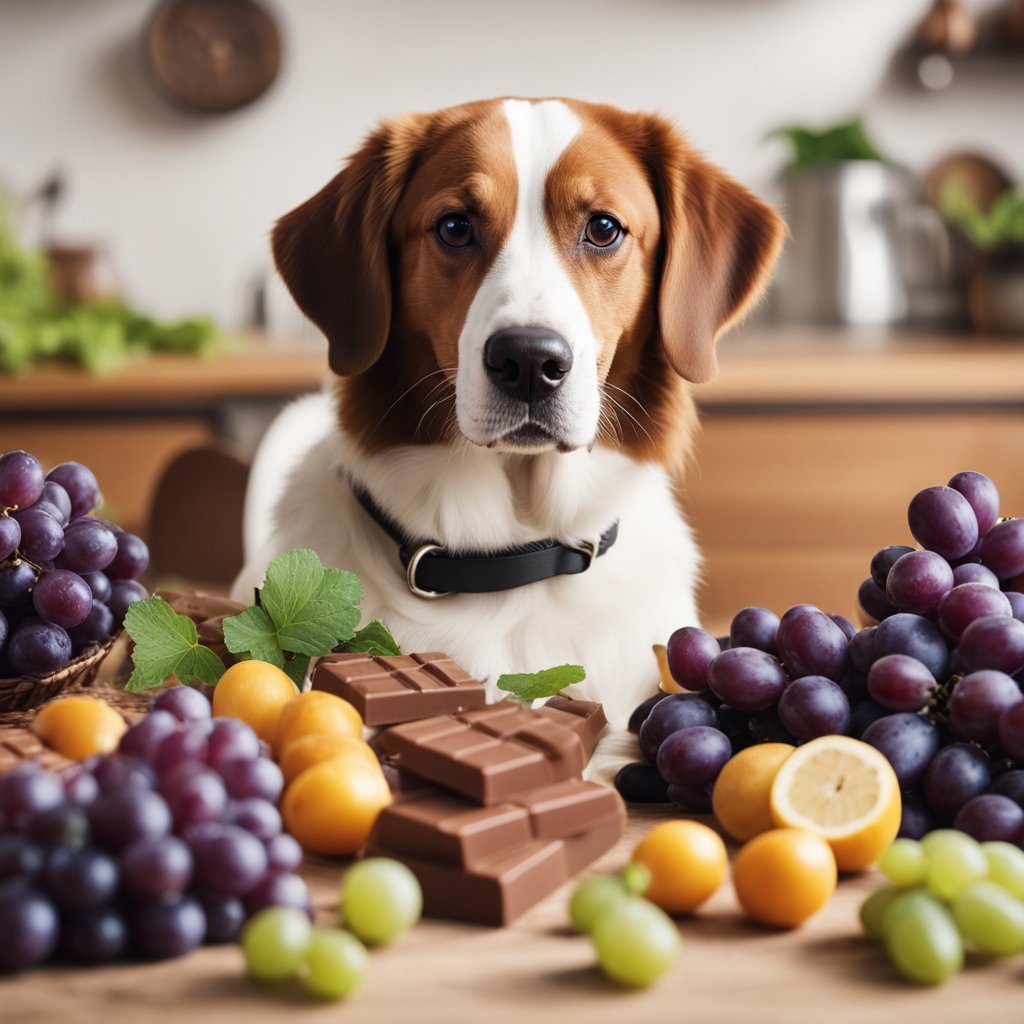
Certain human foods can be hazardous for your dog. It’s important to know which items to keep out of reach. Below are some specific harmful foods you should avoid giving your pet.
Alcoholic Beverages
Many people don’t realize that even small amounts of alcohol can be harmful to dogs. Any beverage containing alcohol, like beer, wine, or spirits, can lead to serious health issues.
Dogs can experience symptoms such as:
- Vomiting
- Diarrhea
- Difficulty breathing
- Impaired coordination
In severe cases, alcohol consumption can result in coma or even death. The effects can vary based on your dog’s size and health. Always ensure your pup doesn’t have access to any drinks that contain alcohol.
Artificial Sweeteners
One of the most dangerous artificial sweeteners is xylitol, commonly found in sugar-free gums and candies. This substance can cause a rapid insulin release in dogs, leading to low blood sugar levels.
Symptoms of xylitol ingestion include:
- Lethargy
- Loss of coordination
- Seizures
Even small amounts of xylitol can be toxic. Contact your vet immediately if you think your dog has consumed something with this sweetener. Always check labels before sharing food, and avoid giving your dog anything meant for humans that contains artificial sweeteners.
Dietary Considerations
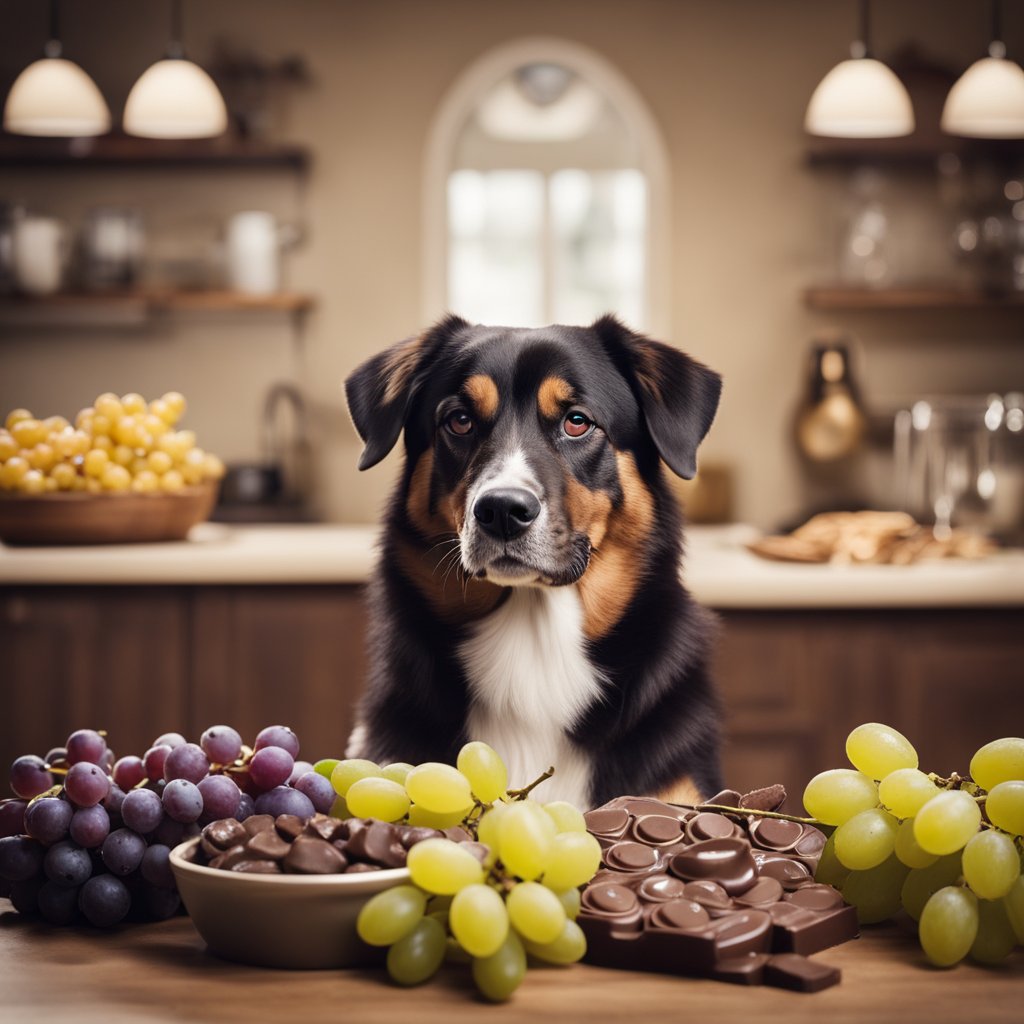
When managing your dog’s kidney health, paying attention to the levels of protein, phosphorus, sodium, and potassium in its diet is essential. These components can significantly affect your dog’s kidneys and overall well-being.
Protein and Phosphorus Levels
Protein is essential for your dog’s health, but too much can strain their kidneys. You should consider a diet low in protein if your dog is experiencing kidney issues. Specifically, protein from more easily digestible sources, like eggs and chicken, can be beneficial.
Phosphorus is another nutrient to watch. High phosphorus levels can worsen kidney function. Look for dog foods that specifically state they are low in phosphorus. This can help protect your dog’s kidneys from further damage. Checking the ingredient list can help you make better choices.
Sodium and Potassium Balance
Sodium levels are also significant. A diet that is too high in sodium can cause fluid retention and increase blood pressure, harming the kidneys. A low-sodium diet is usually recommended for dogs with kidney disease.
Potassium levels need careful attention, too. Chronic kidney disease can lead to low potassium, crucial for muscle and nerve function. Some kidney-related diets may need extra potassium, but follow your vet’s recommendations when considering supplements.
Preventive Measures
Taking care of your dog’s kidney health is essential. Here are some simple steps you can follow:
- Avoid Toxic Foods: Grapes, raisins, onions, and garlic can harm your dog’s kidneys.
- Regular Vet Checkups: Visit the vet at least once a year. Early detection of any issues is vital.
- Hydration: Always provide fresh water. Encourage your dog to drink more to help their kidneys function well.
- Healthy Diet: Feed your dog a balanced diet. Look for food that supports kidney health and avoid those high in phosphorus.
- Prevent Exposure to Toxins: Keep household chemicals and cleaners out of reach. Ensure your home is safe for your pet.
- Vaccinations: Keep your dog’s vaccinations up to date, especially for leptospirosis, which can affect the kidneys.
- Exercise: Regular physical activity helps maintain a healthy weight. Obesity can increase the risk of kidney problems.
Following these preventive measures can help protect your furry friend’s kidney health. Always consult your vet if you have any concerns.
A Call to Action
You play a big role in keeping your dog healthy. Knowing which foods to avoid can protect their kidney health.
Here are some common foods that can be harmful:
- Grapes and raisins: These can lead to sudden kidney failure.
- Onions and garlic: Both can cause damage to red blood cells.
- Chocolate: Contains substances that are toxic to dogs.
- Cooked bones: They can splinter and cause blockages.
Make sure to check labels and avoid treats that contain harmful ingredients.
Contact your vet immediately if your dog shows signs of illness, like lack of appetite or vomiting. Regular vet visits can help catch kidney problems early.
Consider switching to a diet that supports kidney health. Foods low in protein and phosphorus can help maintain kidney function. Special diets are recommended for dogs with kidney issues.
Stay informed about your dog’s health. Your attention can make a big difference in its well-being. Caring for your dog means being aware of what it eats!
Fun Treat Tossing: One of the highlights is the treat dispenser. We love being able to toss treats remotely, which keeps our dog entertained and helps reduce anxiety when we’re away. Check it out Here!

Elizabeth Redd has been in Washington, D. C. since 1970. Welcome to "Pooch Wellness Path," your trusted guide to enhancing the well-being of your cherished furry friends. At the heart of our community lies a commitment to holistic wellness, combining comprehensive care with unconditional love.
We're here to offer you the latest nutrition, fitness, mental health, and preventive measures, lighting the way to peak health for your pet. Dive into our thriving network of dog lovers, where the happiness of our companions takes center stage.
We're all about sharing groundbreaking wellness tips and nurturing an environment where every dog thrives. Step into Pooch Wellness Path, where each joyful bark and wag is a testament to thriving health.

