
Why Spicy Foods Are a No-Go for Dogs: The Hidden Dangers
Inviting your dog to share your love of spicy food might sound like a fun idea, but it comes with significant risks. Spicy foods can cause digestive problems, irritation, and even toxicity in dogs.
These tasty human treats often contain ingredients like chili peppers, onions, or garlic, which can lead to severe health issues for your furry friend.

Picture this: your dog eagerly sniffs around the kitchen while you’re cooking, eyes gleaming as the smell of your spicy dish fills the air. It’s tempting to give them a tiny taste.
However, indulging your pup with spicy foods can result in discomforting symptoms such as vomiting, diarrhea, and abdominal pain. This choice could lead to an unexpected trip to the vet.
It’s crucial to be mindful of what you share from your plate. As a responsible pet owner, knowing the dangers of certain human foods is essential to keeping your dog safe and healthy. Avoiding spicy foods can help prevent unnecessary stress and pain for your beloved canine companion.
Understanding Canine Digestion

The digestive system of dogs is quite different from humans, affecting how they process different foods. Feeding dogs spicy foods can pose various health risks related to their gastrointestinal tract.
Differences Between Human and Dog Digestive Systems
Dogs and humans have distinct digestive systems that process food in unique ways. One significant difference is the length of the digestive tract. Dogs have a shorter digestive tract, meaning they process food more quickly.
This rapid process suits their carnivorous diet but not complex, spicy foods that require longer digestion.
Also, dogs lack the enzymes necessary to break down certain foods, including many spices. On the other hand, humans have a more complex digestive system capable of handling various foods, including those with spices.
Impact of Spicy Foods on Dogs’ Gastrointestinal Health
Feeding your dog spicy foods may lead to gastrointestinal discomfort. Dogs are sensitive to compounds such as capsaicin found in spicy foods.
This sensitivity can cause immediate reactions like drooling, vomiting, or diarrhea.
Prolonged exposure or large amounts can result in more severe issues, like stomach ulcers, as dogs’ stomach lining is more sensitive. Keeping their diet simple and dog-friendly helps avoid these risks.
Stick to foods formulated for dogs, and always consult your veterinarian before introducing anything unusual into their diet.
Potential Health Risks of Spicy Foods for Dogs

Feeding your dog spicy foods can lead to several health issues, including digestive tract irritation, pancreatitis, and even allergic reactions or toxicity.
Understanding these potential risks can help you keep your pet safe and healthy.
Irritation and Inflammation of the Digestive Tract
When your dog consumes spicy foods, it can cause irritation and inflammation in its digestive system. Symptoms to watch out for include vomiting, diarrhea, and excessive drooling.
Spicy substances, like capsaicin in chili peppers, can create a burning sensation and cause discomfort for your furry friend.
Due to dogs’ sensitive digestive systems, even relatively small amounts can cause severe gastrointestinal upset. It is best to keep such foods out of reach to prevent accidental ingestion.
Risk of Developing Pancreatitis
Spicy foods can also increase the risk of pancreatitis in dogs. Pancreatitis occurs when the pancreas becomes inflamed, causing severe abdominal pain, vomiting, and a lack of appetite.
High-fat foods that often accompany spicy dishes can trigger pancreatitis. Ensuring your dog’s diet is balanced and free from excessively spicy or fatty foods can help reduce the risk of this painful condition.
Possibility of Toxicity and Allergic Reactions
Beyond digestive troubles, spicy foods can sometimes contain toxic ingredients to dogs. Spices such as garlic and onion are frequently used in spicy meals and are harmful to dogs, potentially leading to anemia or other serious health problems.
Additionally, allergic reactions might occur, with symptoms such as itching, rashes, or swelling. If you suspect your dog has ingested something spicy, monitoring for these symptoms is crucial, and a visit to the vet may be needed if they appear.
Identifying and Responding to Symptoms
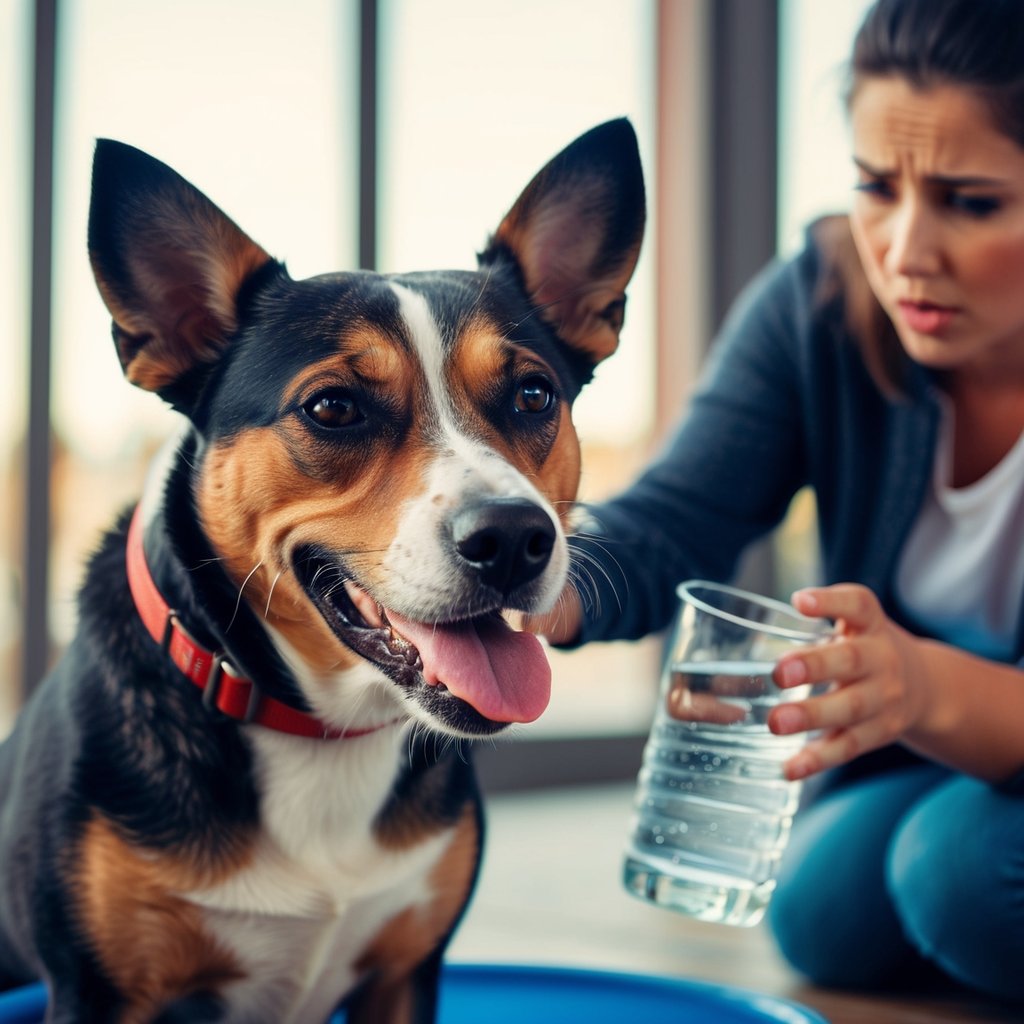
Dogs consuming spicy foods may display physical and behavioral signs of distress. Understanding these symptoms and knowing immediate steps to alleviate their discomfort can be crucial for your dog’s comfort and safety.
Recognizing Signs of Distress in Your Dog
Dogs that consume spicy foods often show sure tell-tale signs. Excessive drooling is a common reaction as the dog’s mouth becomes overwhelmed by the heat.
Additional symptoms might include sneezing and pawing at the mouth, attempts to drink large quantities of water, and signs of gastrointestinal distress, like vomiting or diarrhea.
You may also notice behavioral changes. Some dogs might seem restless or anxious, while others could become lethargic. Attention to these symptoms will help you respond better to your dog’s needs and provide comfort quickly.
Immediate Actions to Take if a Dog Consumes Spicy Food
Provide plenty of fresh, cold water if your dog eats something spicy.
This can help alleviate mouth discomfort. Offering a small amount of plain yogurt or milk could help further, as these items have cooling effects that might soothe the burning sensation.
While some discomfort is normal, persistent or severe symptoms such as continuous vomiting or lethargy warrant a call to the vet. Avoid inducing vomiting, as this can cause more harm.
By being proactive and observing your dog’s behavior, you can ensure they’re on the mend and prevent potential complications.
Preventing Accidental Ingestion
To keep your dog safe from the potential hazards of spicy foods, it’s crucial to manage how food is handled and stored and educate your family on what foods are appropriate for your pet.
Implementing effective strategies for both areas will reduce the chance of your dog eating something spicy by mistake.
Safe Food Handling and Storage
Ensuring foods are stored safely is essential in preventing dogs from eating spicy foods. Use airtight containers to store leftovers and raw ingredients. This keeps flavors locked in and ensures your dog won’t nose its way into something it shouldn’t.
Arrange your pantry and refrigerator so that potentially harmful foods, like those containing onions and garlic, are out of reach. A secured cabinet or a high shelf could be perfect for this.
Be mindful of food scraps that might fall on the floor when cooking. Clean up promptly to avoid any sneaky taste tests by your curious furry friend. Kitchen counters should always be clear of food when not in use to reduce the risk of accidental ingestion.
Educating Family Members on Dog-Safe Foods
Every family member plays a role in keeping your dog safe, so it’s essential to provide them with information on which foods can be harmful. Share resources or experiences about the potential risks of certain human foods, such as those with heavy spices or ingredients that can affect your dog’s digestion.
Consider putting a list on the refrigerator of dog-safe foods and those to avoid. Encourage everyone, especially children, to consult it before sharing their meals with the dog.
Family meetings or simple conversations can be great times to reinforce the importance of being cautious about what people offer to their family pets. Regular reinforcement helps create a safe space for everyone involved.
Conclusion
When feeding your furry friend, steer clear of spicy foods. Spicy ingredients, such as chili peppers and onions, can cause discomfort. Dogs may experience upset stomachs or even more severe issues from such foods.
Dogs have fewer taste receptors than humans, which means they don’t need spicy flavors to enrich their meals. Their taste buds are geared towards other flavors, so there’s no need to introduce spiciness.
If your dog accidentally consumes something spicy, you might notice signs like excessive thirst or tummy troubles. In such cases, keeping them comfortable and providing plenty of fresh water can help.
Instead of risking the potential health issues of spicy foods, consider offering your dog healthy treats. Fruits like apples or vegetables like carrots can make delightful snacks without the risks.
Focus on a balanced diet that meets your dog’s nutritional needs. Consult with your veterinarian if you have any questions about safe food options or dietary adjustments for your pet.
Choosing safer alternatives helps ensure your dog remains happy and healthy. Keep their meals simple and free from unnecessary risks.
Gootoe Turkey Tendon Dog Treats
Natural Snack, Premium Training Chews, Hypoallergenic, Reseal Value Bags

Elizabeth Redd has been in Washington, D. C. since 1970. Welcome to "Pooch Wellness Path," your trusted guide to enhancing the well-being of your cherished furry friends. At the heart of our community lies a commitment to holistic wellness, combining comprehensive care with unconditional love.
We're here to offer you the latest nutrition, fitness, mental health, and preventive measures, lighting the way to peak health for your pet. Dive into our thriving network of dog lovers, where the happiness of our companions takes center stage.
We're all about sharing groundbreaking wellness tips and nurturing an environment where every dog thrives. Step into Pooch Wellness Path, where each joyful bark and wag is a testament to thriving health.

