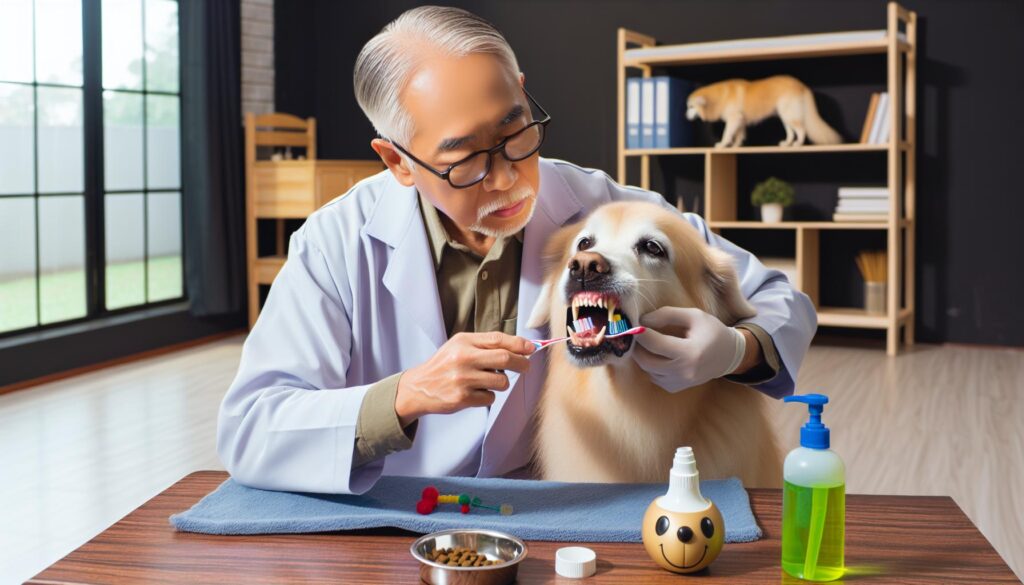
If you’ve got a picky pup, you know how tough it can be to keep their weight in check. It’s like a tightrope walk, balancing their dietary needs with their finicky tastes. But don’t worry, you’re not alone in this canine conundrum.
Weight management for dogs is no less important than it is for humans. It’s vital for their health and longevity. But when your furry friend turns up their nose at anything that isn’t a treat, it can feel like a losing battle.
Stay tuned as we delve into some practical tips and tricks for managing your picky eater’s weight. We’ll help you navigate the world of dog nutrition, so you can keep your pet happy, healthy, and at their ideal weight.
Understanding the Importance of Dog Weight Management
Maintaining a healthy weight is as essential for our furry friends as it is for us. Picky eaters can be particularly prone to weight issues due to their irregular eating habits. Let’s dive deeper and understand why weight management is such a pivotal aspect of a dog’s health.
Firstly, maintaining a healthy weight can extend a dog’s lifespan. Research shows that dogs at a healthy weight live up to 2.5 years longer than their overweight counterparts.
Table 1: Impact of weight on a dog’s lifespan
| Healthy Weight Dogs | Overweight Dogs | Lifespan Difference |
|---|---|---|
| Live up to 15 years | Live up to 12.5 years | 2.5 years more |
Secondly, a healthy weight means reduced risk of diseases. Overweight dogs are more susceptible to a variety of health problems including heart disease, arthritis, diabetes and even certain types of cancers. It can also lead to a decreased quality of life and limited mobility.
Finally, a healthy weight can help your furry companion to be more active and energetic. It’s well-known that dogs love to run, play and explore, so keeping them fit allows them to fully engage in these activities they so greatly enjoy.
Common Challenges with Picky Eaters

Picky dogs present a unique set of challenges, especially when it comes to weight management. They’re finicky about their food, often an aspect that makes it hard to maintain their healthy weight. Refusal to eat certain foods or a decrease in appetite can lead to undernutrition, while overindulgence in treats can cause weight gain.
The first thing an owner might notice about their picky eating pooch is a change in eating habits. Some dogs might outright reject their food, while others might only eat when extremely hungry. Their disinterest in meal times could be problematic, as this could lead to weight loss or nutritional deficiencies.
Even more troubling, picky eaters might be prone to over-eating unhealthy options. When a dog turns up its nose at healthy foods but is happy to chow down on treats, it could soon start gaining unwanted pounds. Treats, while okay in moderation, are generally higher in fat and calories than regular dog food and hence aren’t an ideal choice for regular meals.
Another common issue is food-related behavior issues. These can range from begging for food to stealing off the table, which can lead to ingestion of inappropriate or harmful foods. This could be particularly risky if the dog ingests something toxic or choking hazards.
Table 1: Challenges of Picky Eaters
| Issue | Impact |
|---|---|
| Change in Eating Habits | Weight Loss or Malnutrition |
| Over-eating Unhealthy Options | Weight Gain |
| Food-Related Behavior Issues | Risky or Toxic Ingestion |
Navigating these challenges may not be easy, but understanding the potential issues could be the first step towards resolving them. Though the task seems intimidating, with patience and a bit of creativity, dog owners can successfully ensure their picky eaters maintain a healthy weight.
Assessing Your Dog’s Weight and Body Condition
Just like with humans, every dog’s ideal weight varies depending on factors such as breed, age, and overall health condition. Knowing what to look for can help owners assess their dog’s weight and body condition accurately.
Healthy weight in dogs is often determined by Body Condition Scoring (BCS). This is a method used by veterinarians and pet nutritionists to visually and manually assess a dog’s body composition.
The BCS scale ranges from 1 to 9 — with 1 being underweight, 5 being an ideal weight, and 9 being overweight.
- Dogs that score 1 or 2 on the BCS are generally seen as underweight and might need to eat more or a more nutrient-dense diet.
- Dogs with a score of 5 are typically at the desired weight and should maintain their current diet and exercise regimen.
- Lastly, dogs that score 8 or 9 are considered obese and might need changes to their diet and increased physical activity.
Understanding the BCS scale and knowing where your dog stands can aid in creating the appropriate diet plan.
Despite the usefulness of the BCS, it’s still crucial to remember that an ideal weight for one breed may not be the same for another. For instance, a Greyhound is naturally leaner than a Bulldog and will therefore have a different ideal weight.
Aside from the BCS, another helpful tip is looking at the dog’s physical appearance.
- Ribs, hip bones, and waist should be vaguely noticeable, but the bones should not be prominently visible.
- There should be a noticeable narrowing at the waist when viewed from above, and a slight tuck-up at the waist when viewed from the side.
Tailoring a Balanced Diet for Picky Eaters

When it comes to maintaining a healthy weight, the right diet plays a critical role. Creating a balanced diet for picky eaters can be a challenge. But don’t get discouraged. It’s possible to find or create a diet that suits their unique preferences and needs.
Firstly, it’s about quality, not just quantity. A healthy diet for dogs comprises proteins, carbohydrates, and fats. Ensure your fussy eater gets a healthy mix of these nutrients. Remember, quality ingredients mean higher nutritional value.
Secondly, consider customizing their meals. Purchase high-quality, nutrient-dense food made for picky eaters. Or venture into preparing homemade meals. Make sure to consult with a veterinarian or a canine nutritionist before you start.
Variety is crucial in keeping their interest piqued. Rotate between different sources of lean protein like chicken, turkey, or fish. You might even consider adding healthy vegetables like carrots or peas.
Another handy tip when dealing with fussy eaters is making meals more appealing. Enhance the smell and flavor of their meals using dog-friendly gravies or broth. Or try warming the food slightly to make the aroma more appealing.
Adjust the amount of food based on their activity level and body condition score. Monitor their weight regularly and adjust portions accordingly.
It may seem that picky eaters might be spoilt or fussy by choice. It’s important, however, not to overlook any underlying health issues. If a dog shows a sudden change in appetite or continually refuses to eat, it’s time you consult a veterinarian.
Finding a diet that works for a fussy eater may require some trial and error and whole lot of patience. But remember, a healthy, balanced diet is pivotal in maintaining their weight and overall wellbeing. And surely, there’s a satisfying solution for every picky eater out there. Practice dietary changes gradually to avoid upset stomachs and make the transition smoother. Don’t be in a rush, and don’t get disheartened if the first attempts at tailoring a balanced diet may not succeed. It’s about understanding their preferences and needs, and sometimes, all it takes is a little creativity and persistence.
Creative Ways to Encourage Healthy Eating Habits

Adjusting a picky dog’s diet can sometimes feel like an uphill battle. It’s tricky to find the right balance of nutrition, flavor, and portion size to keep them wanting more. Before owners start to tear their hair out, there are a few creative and proven strategies to consider. These clever tactics could make mealtimes more appealing while promoting healthier eating habits.
One popular approach is the enrichment feeding method. This involves making mealtimes more mentally stimulating for dogs. Rather than simply placing their food in a bowl, use puzzle toys or feeding mats that make them work for their food. Not only does this make eating more entertaining, but it also slows down their eating rate, helping to prevent overeating and improve digestion.
For dogs that are put off by the same old flavors, introducing new tastes gradually might be a game-changer. Start by mixing a small amount of different, healthy foods into their regular meals and slowly increase the ratio as they get used to it. Emphasis on “healthy”, though. It’s easy to reach for the most delicious options, but remember to consider its nutritional value at the same time.
Another potential lifesaver for those picky eaters could be homemade dog treats. They allow full control over what’s being included, ensuring that they’re not only tasty but balanced in nutrition too. There are countless recipes available online that use only dog-safe ingredients. And, let’s face it, nothing says “I love you” quite like a home-cooked treat.
Handling picky eaters can test the patience of even the most seasoned dog owners. But with some creativity and a willingness to try different approaches, it’s possible to find something that’ll have them wagging their tail in anticipation of mealtime. And hey, there’s always a new method to try if one doesn’t quite succeed.
Strategies for Managing Treats and Snacks

When it comes to managing treats and snacks, it’s critical to keep several key points in mind.
First off, it’s essential to choose healthy options whenever possible. This can include fruits and vegetables that are safe for dogs, as well as lean meats or specially formulated dog treats. However, portion control is paramount and even healthy treats can lead to weight gain if given in excess.
Additionally, one must also mindful of the total daily calorie count of a dog’s diet. Treats and snacks shouldn’t exceed 10% of the dog’s total daily calorie intake. In other words, if a dog needs 1500 calories a day, snacks and treats should only account for 150 of those calories. Here’s a brief breakdown:
| Daily Caloric Requirement | Maximum Calories from Snacks/Treats |
|---|---|
| 1500 | 150 |
| 1300 | 130 |
| 1100 | 110 |
Choosing treats can also be used as an opportunity to reinforce desirable behaviors. Train your dog to associate receiving treats with positive activities such as following commands, learning new tricks, or during active play times. This also helps create a sense of routine and stability, which picky eaters might find comforting.
On another note, using a slow feeder is another strategy. It can prolong the meal or snack time, aiding digestion and improving satiety. Additionally, slow feeders provide mental stimulation, fulfilling not only their nutritional needs but also their instinctual urge to hunt and forage!
Remember, it’s okay to spoil your dogs every once in a while with their favorite treats, but it’s also important to ensure these indulgences are balanced, portion-controlled, and part of a healthy overall diet. Like humans, dogs need variety in their diet for well-rounded nourishment so cautiously introducing new healthy snacks can comfort a picky eater’s uncertain palate. Test out various techniques, monitor the outcomes, and you might just stumble upon the perfect formula for your picky eater’s cravings and weight management.
Incorporating Regular Exercise into your Dog’s Routine

Regular exercise is as crucial for dogs as it is for humans. Especially for picky eaters, getting the right amount of physical activity not only helps in achieving a healthy weight but also improves their overall well-being.
If a dog is quite particular with its food, exercise is a great way to pique their interest in meals. It can increase their appetite and make feeding times more successful. There are various ways of incorporating regular exercise into a dog’s routine depending on age, breed, and health conditions. Here are three usual types:
Walks – Taking your dog for at least one daily walk is quite beneficial. Dogs love being outside and exploring. It’s an excellent opportunity for them to mingle with other animals and soak up scents, keeping their brain engaged along with their body. Not only that, walks are also beneficial for owners as they get to have their daily dose of physical activity.
Games – Games like fetch or frisbee provide dogs with high intensity exercise. It’s a fun activity that strengthens their bond with their owners as well. This can also stimulate their minds which is particularly useful for intelligent breeds.
Agility Training – This is ideal for active breeds. It combines obedience training with exercise. The dogs are taught to run a course with jumps, tunnels, and walks. It’s not just physically stimulating but mentally as well.
Remember, any form of activity should begin with a warm up and end with a cool down to prevent injuries. If a certain type of exercise doesn’t work out, don’t hesitate to experiment. As the saying goes: the best kind of exercise is the one that the dog will do.
Every dog is unique. What may work for one may not work for another. Therefore, it’s essential to consult with a vet or a professional dog trainer to help determine the most effective exercise routine for a particular dog. They can provide valuable input based on the dog’s age, breed, health status and temperament.
Exercise is a splendid way of helping a picky eater maintain a healthy weight. It’s beneficial not just physically, but mentally as well. So apart from considering healthy treats and snacks, remember to add regular physical activity to a picky dog’s routine.
Seeking Professional Help from a Vet or Nutritionist

When feeling overwhelmed with diet management for a picky dog, it’s important to consider seeking professional help. Both veterinarians and animal nutritionists bring valuable expertise to the table. They are capable of diagnosing underlying health issues and proposing tailored dietary plans.
Role of Vet in Weight Management
Veterinarians play a crucial role in pet’s weight management. If a pup isn’t responding positively to homemade diet strategies, a vet can diagnose any hidden health issues that might be contributing to weight gain or loss. Coupled with their knowledge of a pet’s medical history, they can recommend a suitable diet plan or prescribe weight management food. Vets can also chart out an exercise regime that fits the dog’s breed and age.
Consulting an Animal Nutritionist
Animal nutritionists are specialized in understanding dietary needs of different pets. Consultations with an animal nutritionist can provide a clearer understanding of your picky dog’s dietary needs and preferences. They typically conduct a detailed analysis of the dog’s eating habits, physical activity, and overall health. Based on their findings, they offer suggestions on meal planning, portion control, and treat selection.
A 2012 survey by the Association for Pet Obesity Prevention found that 52.6% of dogs in the United States were overweight or obese. This highlights the importance of professional help in managing pet weight.
| Animal | Overweight or Obese in US (2012) |
|---|---|
| Dogs | 52.6% |
Despite its clear benefits, professional help isn’t always needed. Picky eaters can achieve healthy weights through regular exercise and diet modifications. Combining professional guidance with practical strategies ensures that your furry friend stays active and lives a healthy, happy life. Engaging in regular conversations with your vet about your pet’s weight and taking immediate steps if they’re overweight is key.
Conclusion
So, there you have it. Managing your picky eater’s weight isn’t as daunting as it might seem. It’s all about finding the right balance of healthy treats, portion control, and regular exercise. Remember, consistency is key in establishing a routine your dog will love. Don’t shy away from seeking professional help when necessary. Your vet or an animal nutritionist can provide invaluable advice tailored to your dog’s unique needs. They’ll help you navigate any underlying health issues and create a dietary plan that suits your dog’s preferences. It’s a team effort, and with patience and understanding, your picky eater can maintain a healthy weight. Happy weight managing!

Elizabeth Redd has been in Washington, D. C. since 1970. Welcome to "Pooch Wellness Path," your trusted guide to enhancing the well-being of your cherished furry friends. At the heart of our community lies a commitment to holistic wellness, combining comprehensive care with unconditional love.
We're here to offer you the latest nutrition, fitness, mental health, and preventive measures, lighting the way to peak health for your pet. Dive into our thriving network of dog lovers, where the happiness of our companions takes center stage.
We're all about sharing groundbreaking wellness tips and nurturing an environment where every dog thrives. Step into Pooch Wellness Path, where each joyful bark and wag is a testament to thriving health.