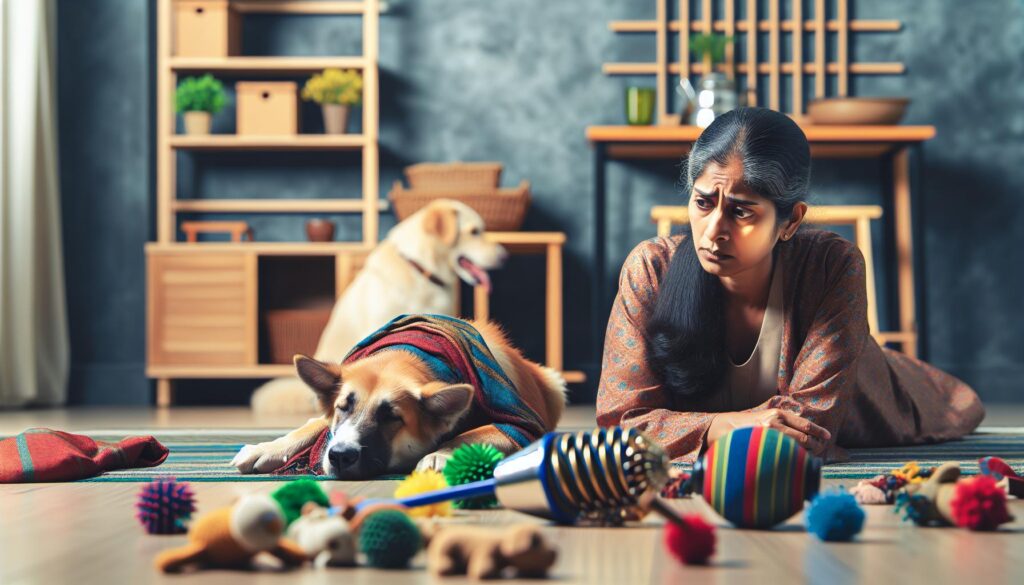
If you’ve ever watched your furry friend cower behind the sofa during a thunderstorm, or refuse to approach new people, you’ll know that dogs can be just as shy or anxious as humans. It’s a heartbreaking sight, but there’s good news. You can help your dog overcome these fears!
Positive reinforcement is a powerful tool for building confidence in shy or anxious dogs. It’s all about rewarding the behaviors you want to see more of, and ignoring the ones you don’t. This approach can transform a timid pup into a confident, happy dog who isn’t afraid to explore the world.
Understanding Shyness and Anxiety in Dogs
Recognizing the signs of shyness or anxiety in our canine partners is crucial in helping them overcome these challenges. It’s important to know that it’s not always easy for an inexperienced eye to spot these signs, but with some knowledge and understanding, one can quickly pick up on unusual behaviors.
Primarily, shy dogs tend to be withdrawn or timid around people and other animals. They might try to hide behind their owners, whimper, tuck their tails between their legs, or fail to make eye contact. It’s an ongoing struggle for more cautious dogs to adapt in unfamiliar environments and among unknown people or animals.
On the other hand, an anxious dog may exhibit similar signs with added symptoms like excessive barking, panting, or pacing. Often you’ll find them reacting negatively to specific triggers such as loud noises, separation from their owners, or situations that remind them of traumatic experiences.
One should not overlook the potential impacts of these issues on a dog’s overall health and quality of life. Chronic stress resulting from shyness or anxiety can lead to physical health issues such as digestive problems, relentless itching, and even a weakened immune system.
As dog owners, it’s important to note that shyness and anxiety aren’t the dog’s “fault” and they are not signs of a “bad” dog. Rather, these behaviors are responses to the world around them that has not always been kind. It’s our role to understand their fears and help them conquer them with confidence.
Using positive reinforcement to build confidence is one of the most effective methods to address these problems. Rewarding desired behaviors and ignoring undesired ones is a process that can transform a timid dog into a confident and happy one. These methods will be discussed in the following section. Remember, the aim is to create a happy, healthy, and confident canine, reducing the strain that shyness and anxiety can place on them.
The Power of Positive Reinforcement

As many pet owners may attest, positive reinforcement isn’t just a term thrown around by dog trainers. It’s an effective method that can bring significant improvements in a dog’s behavior. Moreover, it’s a crucial tool for helping shy and anxious dogs to become more outgoing and relaxed. Despite its apparent simplicity, positive reinforcement can work wonders on a dog’s nervous system and overall temperament.
Positive reinforcement involves rewarding the dog for behaviors that the owner wants to see more often. A reward could be a favorite snack, an affectionate scratch behind the ears, or a fun toy. When the dog understands that certain actions lead to these positive experiences, they’ll be more likely to repeat them. This approach encourages the dog to make choices that earn rewards, rather than make choices out of fear or anxiety.
It’s interesting to note that besides the immediate benefits, the use of positive reinforcement has longer-term effects. The dog learns over time to associate being in new or challenging situations with positive experiences. This step-by-step progress may help the dog feel more comfortable and confident in the world. Imagine the power of transforming a shy, withdrawn dog into a confident, outgoing companion!
This method also strengthens the human-dog bond. When the owner responds positively to the dog’s actions, trust is built. As trust grows, so does the dog’s confidence, leading to less anxiety and shyness.
Here’s how this might work:
- Spotting a good behavior to reinforce: Such as when the dog sits quietly when someone comes to the door instead of barking.
- Rewarding the good behavior: The owner might give the dog a treat and tell it, “good dog!”
- Consistency in reward: The owner will keep rewarding the good behavior so the dog associates the behavior with a good outcome.
Practice, patience, and consistency in positive reinforcement will gradually help a shy or anxious dog become a happy and confident canine. This process doesn’t take place overnight. It’s a journey that both the owner and the dog embark on together, making the effort all the more rewarding when they see progress.
Setting Up a Positive Reinforcement Training Plan

Implementing an effective positive reinforcement plan requires some groundwork. It’s about understanding your dog’s behavior, knowing their likes and dislikes, and identifying scenarios that cause anxiety or make your pet feel uncomfortable.
The first, critical step is to identify the treats or rewards your dog finds most appealing. This can be anything — from a favorite toy to a specially loved food item. Deploying these rewards at the right instance is what’ll guide their behavior positively.
Next, pinpoint your dog’s trigger points and anxiety sources. Is your pooch scared of thunderstorms, or is it the vacuum cleaner that instills fear in their heart? Observing your pet closely will help you ascertain these discomfort zones.
Once you’ve determined the rewards and triggers, it’s time to chart out a structured training plan. This plan aims to gradually introduce your dog to their fear elements, generously rewarding them for demonstrating desired behaviors. Think of it as pairing their trigger scenarios with favorable outcomes — they’ll soon start associating their fears with positive experiences.
The key to successful positive reinforcement training is consistency. It’s a progressive, gradual process that takes time. You need to be patient, repeat the training at regular intervals, and ensure a non-threatening environment during the exercise. So set a steady pace — they’re learning new behaviors after all — and remember to:
- Keep training sessions short. Dogs usually have a short attention span; longer sessions might bore or stress them out.
- Use small rewards. Offering minute treat portions to your pet during the training ensures they don’t fill up quickly.
- Always end on a positive note. Finish the sessions with an easy command they’re sure to follow.
Armed with this knowledge, you’re ready to start your journey in positive reinforcement training, and you’ll soon see your shy or anxious dog grow increasingly confident and trusting. Let’s delve deeper into what the day-to-day execution of a positive reinforcement training plan looks like in the next section.
Identifying and Rewarding Desirable Behaviors

Though understanding a dog’s behavior is a critical first step, the journey doesn’t stop there. Another integral part of this method is Identifying and Rewarding Desirable Behaviors. The idea is straightforward: encourage and reward the behaviors you want the dog to repeat.
It’s crucial to remember that some behaviors, while undesirable to humans, are innate to dogs. So instead of punishing a dog for barking, for instance, it can be productive to reward them when they are quiet.
It’s not always about rewarding the well-known, good behaviors like sitting or fetching; it’s also about identifying the small wins. Did your dog have a calm moment or make less noise when the mailman came by today? That’s progress, and it should be rewarded. Even the smallest progress, when consistently rewarded, can make a big difference over time.
Use a reward the dog loves. Some dogs might leap for joy for a slice of cheese; others might prefer a 30-minute play session or belly rubs. Remember, it’s about what your dog perceives as a reward—not what the owner thinks should be the reward.
Consider the timing of the reward. In dog training, timing is everything. The more immediate the reward, the stronger the connection your pet will make between the behavior and the reward. For instance, rewarding your dog for being quiet should happen the moment they stop barking—not after they’ve started barking again.
Last, keep things positive and exciting. Creating a positive, reward-based environment not only helps a dog’s confidence grow but also strengthens the bond between the dog and the owner.
The process is slow, and there will be plenty of mistakes along the way. But don’t worry—mistakes can be learning experiences for both the dog and the trainer. The key is to stay patient, keep reinforcing desirable behaviors, and stay the course. As with any other training session, remember to end the session positively with a reward of their choice, even if it didn’t go as planned that day.
As one continues to implement this training plan with consistency and patience, they can start to see their shy or anxious dogs become more relaxed and trusting over time.
Creating a Safe and Supportive Environment

When working with shy or anxious dogs, one can’t overstress the importance of creating a nurturing and secure environment. To instill confidence, pet owners must initially provide an atmosphere that mirrors the dog’s emotional safe space. It’s a spot where they feel relaxed, comfortable, and free of any anxiety-inducing stimuli.
Anxiety-producing situations can drastically hinder progress and further ingrain fear-based behaviors in timid dogs. Pet owners need to identify and minimize these factors as much as possible. This is typically unique for each dog, as each canine has individual fears and triggers. It could range from specific people or other animals to certain noises or surroundings. Reduction involves gradual desensitization, where the dog is slowly introduced to stressors in a controlled way.
In addition to creating a secure physical environment, it’s essential to establish a supportive emotional environment. This involves consistently responding to the dog’s fears and anxieties with understanding and kindness. Negative reactions like impatience, frustration, or punishment can exacerbate a dog’s anxiety. This implies that pet owners need to maintain a calm and composed demeanor when interacting with their dog.
It’s often helpful to break down desired behaviors into small, manageable steps. This technique, referred to as shaping, significantly reduces any associated stress and makes the learning process feel more like a fun game than a daunting task. It’s a process that requires patience and consistency as it might take some time to get noticeable results. However, celebrating even the small victories can be a significant morale booster for both the dog and the owner.
Adopting these strategies in dealing with anxious or shy dogs can foster a stronger bond between the pet and its owner over time. Overcoming anxiety is an ongoing process, and reactions to different situations may not always be immediate or predictable. Yet, with patience, consistency, and a pinch of creativity, pet owners can pave the way for their dogs to live happy and confident lives. View each moment as an opportunity to learn, grow, and adapt.
Overcoming Common Challenges

In building confidence in shy or anxious dogs, pet owners often face some common challenges. It’s crucial to address these issues head-on.
Slow Progress
One situation they may encounter is slow progress. It’s important to remember that building a dog’s confidence won’t happen overnight. It requires patience and consistent reinforcement. Progress might seem frustratingly slow at times. It’s vital to avoid rushing the process. Pressuring an anxious dog could exacerbate their nervousness, potentially setting them back instead of moving them forward.
Backslides
Another challenge is the occurrence of what people might perceive as backslides. One day, a dog might be making progress. The next, they may seem to revert back to previous behaviors. While this may be discouraging, it’s crucial to stay consistent and patient. There’s an adage in dog training that goes, “two steps forward, one step back.” Backslides are not only normal but also part of the journey. It’s key to maintain a cool and positive demeanor during these periods.
Balancing Discipline and Encouragement
Finding the right balance between discipline and encouragement can also pose a challenge. Too much discipline can cause additional stress and fear in an already anxious dog. On the other hand, failing to set boundaries may allow undesirable behavior to persist. The sweet spot lies in a combination of positive reinforcement and gentle discipline to guide the dog towards desired behaviors.
Remember the information provided earlier about incorporating shaping. Reward desired behaviors – however small they may be – and ignore unwanted ones. Over time, this method of training encourages dogs to confidently exhibit the reinforced behavior.
So, keep in mind that overcoming these obstacles is part and parcel of the journey towards instilling confidence in shy or anxious dogs. Patience, understanding, and a consistent approach are your best allies in this endeavor.
Building Confidence in Specific Situations

Shy and anxious dogs can become easily overwhelmed in new or unfamiliar scenarios. While it’s important to gradually introduce these situations to your pooch, you should also target your training to build confidence directly in these instances.
Take, for instance, a dreaded visit to the vet. Dogs are often skittish when it comes to medical checks. Their senses are bombarded with unfamiliar smells, sounds, and even scary needles. So how do you help ease their anxiety in this situation?
Start by creating homely associations. Get an item of clothing that smells like the vet’s office. Regularly expose your pet to this at home; in between their favorite activities or during meal times. This method allows them to link the unfamiliar smell to their safe space and enjoyable moments. This is effectively ‘shaping’ their perception of the vet’s office, making those visits less stressful.
Moving onto confrontational situations with other dogs; meeting other dogs could be upsetting for some dogs mainly due to an absence of social confidence. Conquering this requires consistent exposure to other dogs, but in non-threatening, controlled encounters. This could involve arranging playdates with calm and friendly dogs, or regular park visits during less crowded hours. By rewarding your dog during these interactions, you’re encouraging them to behave confidently around other dogs.
Remember that there’s no universal method for building confidence in shy or anxious dogs. Every dog’s quirks and fears are unique, and need to be addressed differently. Patience, consistency, and a positive approach, as emphasized before, remain critical for dealing with distinct problem areas. Each new situation tackled is a step towards a more confident dog. Keep experimenting with new methods, and persistently reward confident behavior until your dog begins to display it naturally.
Celebrating Small Steps Towards Progress

If there’s one thing that’s vital in building a dog’s confidence, it’s celebrating the small victories. Here’s where the magic of positive reinforcement really kicks in. Every tiny step forward—be it a short happy tail wag or a slightly less anxious look—is progress, even if it’s microscopic. Recognize it, give them a soft “Good job” and let them know they’re making strides.
It’s easy to feel frustrated, especially when progress is snail-paced. A setback may seem like everything’s falling apart. But wait! Don’t lose hopes. Remember, Rome wasn’t built in a day. Patience is a virtue you’ll need plenty of during this journey. Stick to the process, have faith in your fur baby, and before you know it, they’ll be bounding down the road with ears flapping in the breeze.
Just like humans, dogs thrive on success. If they associate a certain action with something good, they’re likely to repeat it. So, rewards are crucial, but they can be more than just treats. Use toys, extra playtime or simply a longer-than-usual cuddle session as rewards. Remember, variety is the spice of life. Different incentives not only make their training exciting but also offer moments of breakthrough in a dog’s journey from anxiety to confidence.
A vital factor to consider here is the timing of the rewards. Making the connection between the action and reward for a dog is all about timing. So make sure to reward them immediately after their positive actions. And don’t always wait for perfect behavior — small, positive actions are just as important and worthy of being celebrated.
Not all actions need to be rewarded immediately. Specifically, when dealing with anxiety around specific triggers such as other dogs or vet visits, phases of gradual desensitization might be needed. Here, the dog is exposed to their fear in small, controlled doses, while rewarding them for calm behavior. It’s a slow and steady process, but remember, each small step gets a shy or anxious dog closer to their big, confident future.
Patience and Consistency: Keys to Success

Patience and consistency, two crucial components in this journey, can’t be overstated. Let’s dig deeper into their significance and understand why they are just as important as rewards and reinforcement.
When dealing with shy or anxious dogs, instant changes aren’t realistic. Dogs, like humans, have their unique personalities and pace of understanding. Some may take longer to form new responses and habits. Patience therefore is paramount. It’s more about celebrating small milestones and recognizing steady progress. Patience is the invisible thread that helps keep everything together, emphasizing that every step, irrespective of its size, matters.
A table is provided below to illustrate the various steps involved in building confidence in shy dogs over time with the help of rewards and positive reinforcement:
| Step | Time Duration | Reward |
|---|---|---|
| Recognition of trigger | 1-2 weeks | Treats |
| Gradual desensitization | 3-5 weeks | Play time |
| Increased exposure | 6-8 weeks | Extended walks |
Next comes Consistency. Dogs, being creatures of habit, thrive on routine and predictability. Consistency in training methods, rewards, and daily routines can significantly help alleviate a dog’s anxiety. Various studies have shown that regular, consistent routines contribute positively towards a dog’s mental health.
In the grand scheme of things, it isn’t just about the end result but also about the journey. Helping a shy dog gain confidence isn’t just about “fixing” them; it’s also about understanding them, bonding with them and creating a safer, happier environment for them. With the right amount of patience and consistency, not only will the dogs feel more confident, but their trust in their caregivers will also solidify.
Remember – patience and consistency, though seemingly mundane elements, are the fundamental cornerstones in this process.
Conclusion
So there you have it. Building confidence in shy or anxious dogs isn’t a quick fix. It’s a journey. A journey that requires patience, consistency, and a whole lot of love. Remember, it’s not about rushing to “fix” them. It’s about understanding them, bonding with them, and creating a secure, joyful environment where they can thrive. Every dog has their own rhythm, their own pace. Respect that. Stick to your training methods, rewards, and routines. Dogs love predictability. It gives them a sense of security. And as they start to feel safe, they’ll start to come out of their shell. It’s a beautiful process to witness. So, embark on this journey with your furry friend and watch as they transform into the confident, happy pup they were always meant to be.

Elizabeth Redd has been in Washington, D. C. since 1970. Welcome to "Pooch Wellness Path," your trusted guide to enhancing the well-being of your cherished furry friends. At the heart of our community lies a commitment to holistic wellness, combining comprehensive care with unconditional love.
We're here to offer you the latest nutrition, fitness, mental health, and preventive measures, lighting the way to peak health for your pet. Dive into our thriving network of dog lovers, where the happiness of our companions takes center stage.
We're all about sharing groundbreaking wellness tips and nurturing an environment where every dog thrives. Step into Pooch Wellness Path, where each joyful bark and wag is a testament to thriving health.