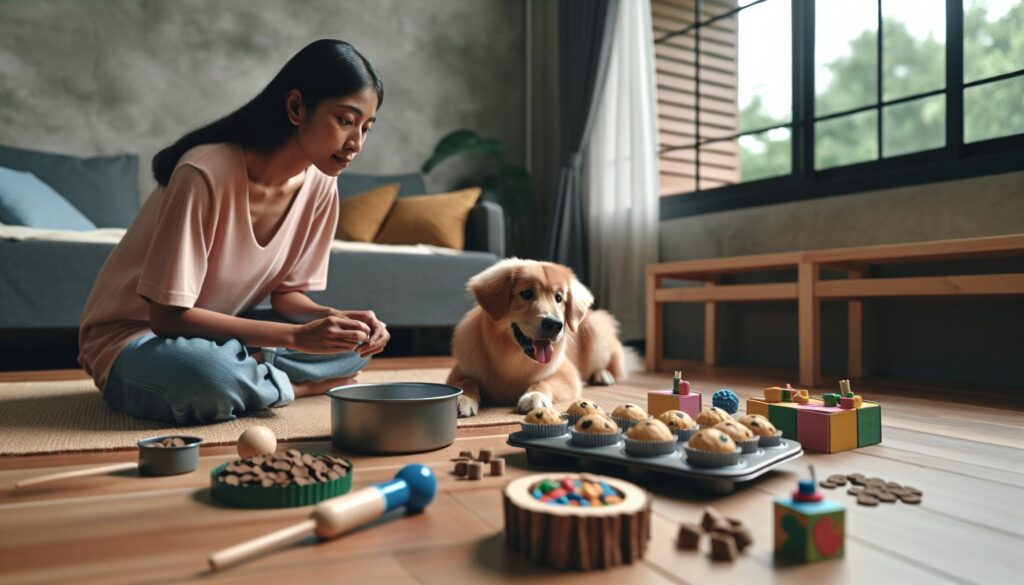
Bringing a rescue dog into your home can be a rewarding experience. But it’s also a journey filled with challenges. These dogs often come from tough backgrounds, and they may have trust issues. It’s essential to build a positive relationship with them, based on mutual trust and respect.
Understanding your rescue dog’s past, being patient, and giving them plenty of love and care is key. It’s not going to be an overnight process. But with time, you’ll see progress. They’ll start to trust you, and a beautiful bond will form.
Understanding Your Rescue Dog’s Background
Gaining insight into your rescue dog’s background is a significant step towards a successful integration into a new home. The past experiences of a rescue dog often shape their behavior enormously, making it an essential factor to consider when trying to build trust.
Most rescue dogs have had a turbulent past. Abandonment, neglect, or even abuse might be part of their stories. This history can profoundly influence a dog’s behavior and temperament. A dog that’s been neglected might act out in ways that express fear or aggression, while one who’s been abandoned could have separation anxiety. Consequently, those adopting a rescue dog need to approach the situation with compassion and an open mind.
Gathering information about a rescue dog’s background might be challenging yet achievable. The rescue organization is the best place to start. They’ll often know a good deal about the dog’s history and can give valuable advice about potential behavioral challenges. Don’t hesitate to ask questions about the dog’s previous living situation, history with other animals, or any behavioral concerns the previous owner might have communicated.
It’s worth noting that some details might not be available or accurate. However, when equipped with at least some history, it’s easier to understand certain reactions and behaviors the dog might show and, hence, design an appropriate approach and reaction strategy.
To complement this, behavioral cues can help piece together the rest of the jigsaw. Observe the dog’s reactions in various scenarios – new people, loud noises, other animals – and try to understand what they might mean. These observations can offer insight into potential traumatic experiences and their associated fears.
It might take time to uncover the entire story, and decoding a dog’s behavior isn’t an exact science. However, understanding a rescue dog’s background is a profound gesture of empathy that helps build a strong, trusting bond. It empowers adopters to offer understanding, patience, and the right kind of support customized to their dog’s unique needs and experiences. This process is an ongoing journey, an intrinsic part of the rewarding adventure that is rescuing a dog.
Patience, the Key to Building Trust

Adopting a rescue dog is more than just bringing home a new pet. It’s a commitment to help heal the wounds of a dog’s past experiences and to offer the love and support they need. While the rewards of this journey are beyond measure it also requires a healthy dose of patience.
Possessing patience is vital in building trust with a rescue dog. Previously neglected or abused dogs might act out in fear or aggression making progress seem slow and leaving adopters frustrated. It’s crucial to remember that each dog is unique and some might take longer to adjust than others.
Don’t rush the process. Forcing a rescue dog to adapt quickly can often backfire and trigger stress or fear-based reactions. It’s important to give them space and to let them take the lead in their own time.
A couple of effective strategies to foster trust involve:
- Providing a safe space – a spot where the dog feels secure can be beneficial in easing their anxiety. This could be a specific room in the house or a comfortable bed.
- Allowing them to sniff around and explore – exploring helps dogs understand their new surroundings. It also empowers them to make discoveries and learn about their environment.
- Positive reinforcement – rewarding good behavior encourages it to continue. This could be a tasty treat, a favorite toy or simply words of praise.
These simple steps allow a dog to relax and gradually become comfortable in their new home. It’s a process that takes time and this is where patience becomes key. Trust cannot be rushed; it blossoms at its own pace.
Remember that despite the initial struggles, the journey of trust-building is an intimate experience that creates a bond like no other. With every step of progress, the rescue dog starts to feel more secure, leading to a deeper understanding and the flourishing of a beautiful relationship.
Providing Love and Care to Your Rescue Dog

Love and care are the key ingredients for any successful relationship. For a rescue dog who’s been through some tough times, they’re absolutely non-negotiable.
Displaying love to a rescue dog can be more than just belly rubs or playtime in the park. Giving ample time and showing genuine affection is necessary for your rescue dog to truly feel loved.
Our furry friends need us to be attuned to their needs, just as they try to understand ours. It’s about getting down to their level, so that you can understand the world from their perspective. Take time to learn their likes and dislikes, their joys and fears. This way, you are not just a provider of treats and walks, but also a reassuring and understanding figure in their life.
Providing essential care is also at the heart of maintaining a healthy and happy relationship with your rescue dog. This includes:
- Regular vet check-ups to ensure your new canine friend is in good health.
- A balanced diet that serves their nutritional needs.
- Grooming rituals like baths, brushing and nail trims to keep them in tip-top shape.
- Exercise, through walks and playing, to meet their physical needs.
But don’t forget mental stimulation! Many dogs love the challenge of learning a new trick or working out a puzzle toy. This not only keeps them sharp but also strengthens the bond between you and your furry friend.
Building a relationship with a rescue dog is an ongoing journey. Every day is a new opportunity to provide the love and care your rescue dog deserves and to deepen the bond you share. Remember, there is no one-size-fits-all approach. As you grow to understand your new best friend, you’ll come to develop a routine that works for both of you. Don’t be surprised if you find yourself growing and learning with your furry friend along the way.
The Importance of Consistency and Routine

Understanding the significance of consistency and routine forms the bedrock of nurturing a positive relationship with a rescue dog. These dogs often face significant changes and interruptions in their lives, leaving them craving stability. Introducing a consistent routine can quickly instill a sense of security in them, making the new environment feel safer and more predictable.
As one takes the first steps in this journey, it’s crucial to remember that a routine extends beyond feeding times and bathroom breaks. It encompasses a dog’s entire day including playtime, walks, training, and even downtimes. To help guide the process, introducing structure in three key areas is recommended:
- Meals – These should be provided at the same times each day. This indicates stability and consistency to the dog and discourages begging for food outside of these periods.
- Walks – Regular walks not only fulfill a dog’s physical exercise requirements but also serve to establish consistency. Varying the routes can add a dash of adventure, while maintaining the timings.
- Training – Consistent, routine training reinforces positive behavior, while reducing any anxiety stemming from confusion or insecurity.
But it’s also equally important to remember that each dog’s needs and preferences can be unique.
For example, some dogs may need more physical activity compared to others. In that case one may need to integrate more playtime or longer walks into their routine. Similarly, certain dogs might need more quiet downtime to feel comfortable. The aim should always be to tailor the routine around the dog’s needs – not the other way round.
Creating a consistent routine for a rescue dog is an ongoing process. But with patience and commitment, it paves the way for a rewarding friendship.
Remember, adapting to changes takes time – for humans and dogs alike. That’s why it’s important not to feel disheartened if there’s lack of immediate improvement. With time, consistency and love, dogs can adapt to new circumstances, portraying the bravery that is emblematic of their species.
Building a Bond of Trust with Your Rescue Dog

Building a bond of trust with a rescue dog doesn’t happen overnight. It’s a process. And patience is a virtue that every pet owner needs to embrace during this process.
Trust is an essential part of a dog’s relationship with their human companion. This bond is built through consistency, patience, love, and above all, time. While it may be tempting to rush the process, it’s important not to. Each dog is unique and will take their own time adjusting to their new environment.
Providing a consistent routine, as highlighted in the previous section, lays down a strong foundation for building trust. It reinforces the idea that their new home is predictable and safe. Setting a routine for things like meals, walks, play time, and rest time ensures a dog feels secure.
Another way to build trust is through positive reinforcement. This method can help redirect the dog’s behavioral issues stemming from past traumatic events. Using treats, praises or toys, a pet owner can encourage good behavior. This method not only builds confidence in the dog but also strengthens their bond with the owner.
But, it’s also about understanding and respecting a dog’s boundaries. Paying attention to their body language, and in response to their comfort signals, such as growling or lip licking, can help to avoid pushing your pet outside their comfort zone. Respecting a dog’s boundaries can also mean giving them their own space in the house. This may be a favorite dog bed, crate, or just a quiet corner.
In addition, regular check-ups at the vet can assure that a dog is healthy both physically and mentally. These check-ups can detect potential issues early and ensure that any treatment needed is administered promptly. Premium pet food and regular grooming also contribute to a rescue dog’s well-being.
Remember, it’s about creating an environment where the dog feels safe, loved, and understood. The process takes time, but the rewards of a loyal and loving relationship with your rescue dog are immeasurable. It’s important to stay patient, remain consistent, and persist in showing love for your rescue dog every step of the way. Then watch as the bond between you and your rescue dog grows.
Conclusion
Building trust and fostering a positive relationship with a rescue dog isn’t always a walk in the park. It’s a journey that demands understanding, patience, and consistency. Remember, every rescue dog carries a unique story, and it’s essential to respect their past experiences while creating a secure, loving environment for them. Tailoring a routine to their needs, providing top-notch care, and respecting their boundaries are key to nurturing this bond. It may take time, but the rewards are truly worth it. Seeing a rescue dog flourish in a loving home, and witnessing the trust and loyalty they can offer, is a heartwarming experience. So, keep at it! With patience and love, you’ll be able to build a special bond with your rescue dog, one that’s filled with trust and mutual respect.

Elizabeth Redd has been in Washington, D. C. since 1970. Welcome to "Pooch Wellness Path," your trusted guide to enhancing the well-being of your cherished furry friends. At the heart of our community lies a commitment to holistic wellness, combining comprehensive care with unconditional love.
We're here to offer you the latest nutrition, fitness, mental health, and preventive measures, lighting the way to peak health for your pet. Dive into our thriving network of dog lovers, where the happiness of our companions takes center stage.
We're all about sharing groundbreaking wellness tips and nurturing an environment where every dog thrives. Step into Pooch Wellness Path, where each joyful bark and wag is a testament to thriving health.