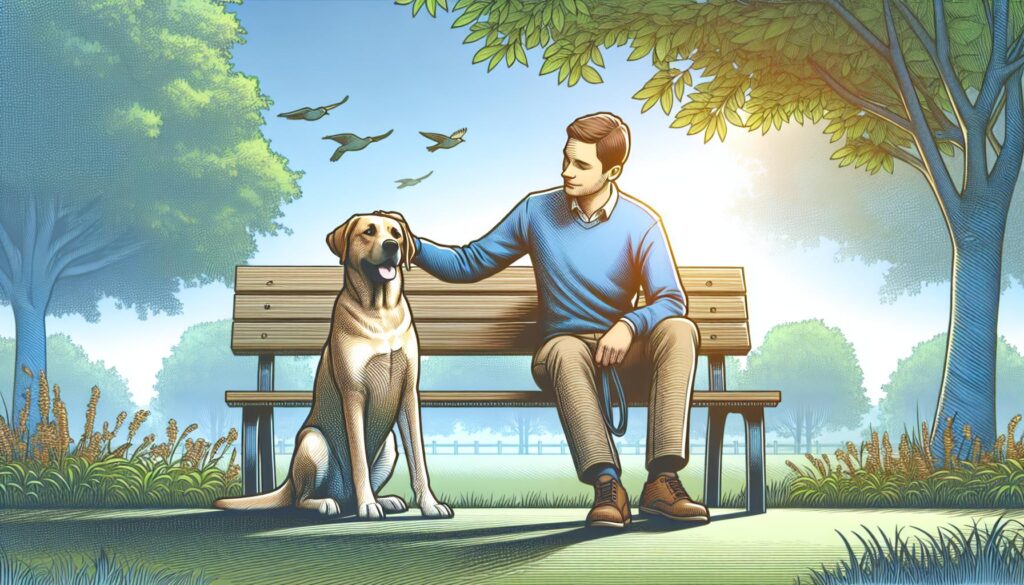
In the journey of life, few experiences are as rewarding and challenging as nurturing a dog that’s endured a traumatic past back to a state of trust and joy. The path to emotional healing for these resilient creatures is not just a testament to their strength but also to the patience and love of those who care for them. It’s a unique bond that forms, one that speaks volumes about the power of compassion and understanding.
Rehabilitating a dog with a traumatic history requires more than just time and patience—it demands a deep understanding of the emotional scars that affect their behavior. Each step forward is a victory, not just for the dog, but for the human companion who’s chosen to embark on this heartfelt journey. It’s about creating a safe space where healing can begin, and where the past’s shadows give way to a brighter, happier future.
Understanding Emotional Trauma in Dogs
Emotional trauma in dogs, much like in humans, stems from negative experiences that leave a lasting impact on their well-being. Recognizing the signs of emotional trauma is crucial for anyone looking to rehabilitate a dog with a traumatic past. These signs can manifest in various behaviors that indicate stress, fear, or anxiety.
Signs of Emotional Trauma
Identifying emotional trauma in dogs involves observing changes in behavior that suggest discomfort or distress. Common indicators include:
- Excessive Fearfulness: Dogs exhibiting unusual levels of fear around people, other animals, or specific situations, such as loud noises or sudden movements.
- Withdrawal: Dogs that retreat and isolate themselves from social interactions, choosing solitude over the company.
- Aggression: A response to fear or discomfort, where the dog might growl, snap, or bite when feeling threatened.
- Destructive Behaviors: Including chewing, digging, or tearing items apart, often a sign of anxiety or stress.
- Changes in Eating Habits: Dogs experiencing trauma might lose their appetite or, conversely, begin to overeat.
- Sleep Disturbances: Including restlessness or sleeping more than usual, indicating stress or depression.
Causes of Emotional Trauma
Understanding the root causes of a dog’s emotional trauma is the first step towards rehabilitation. Traumatic experiences can vary widely, but some common causes include:
- Abuse: Physical harm or harsh treatment can lead to deep psychological scars.
- Neglect: Lack of socialization, affection, or basic care can affect a dog’s emotional health.
- Loss: Separation from a caregiver or companion animal can cause significant grief.
- Accidents or Natural Disasters: Experiencing or surviving traumatic events can instill lasting fear.
- Hostile Environments: Living in environments with constant noise, threats, or chaos can contribute to anxiety.
Impact on Behavior and Health
Emotional trauma does not only affect a dog’s behavior; it can also have profound effects on their physical health. Stress and anxiety can lead to a weakened immune system, making the dog more susceptible to illnesses. Behavioral issues stemming from trauma can also complicate conditions like heart disease or respiratory problems, emphasizing the need for a holistic approach to rehabilitation.
The Importance of Emotional Healing
Emotional healing plays a critical role in the rehabilitation process for dogs with a traumatic past. This journey, while challenging, addresses the deep-seated issues that affect a dog’s behavior and overall well-being. Healing from emotional trauma is not just about correcting undesirable behaviors; it’s about helping the dog feel safe, secure, and loved again.
Emotional health is fundamentally linked to physical health. Dogs suffering from emotional trauma often experience heightened stress levels, which can compromise their immune system and exacerbate any existing health conditions. By focusing on emotional healing, caregivers can help reduce stress and anxiety, leading to a healthier and happier dog.
Creating a sense of stability and security is essential for a dog’s emotional recovery. Dogs thrive on routine and predictability, which can be hugely comforting to those who’ve lived through chaos and uncertainty. Establishing a daily routine, with regular feeding times, walks, and play sessions, can help a traumatized dog feel more secure and facilitate their emotional healing.
Positive reinforcement techniques are crucial in the emotional healing process. Rewarding good behavior with treats, praise, or play reinforces positive behaviors and builds a bond of trust between the dog and caregiver. Conversely, punishment or negative reinforcement can exacerbate feelings of fear and distrust, hindering the healing process.
Socialization also plays a significant role in emotional healing, exposing the dog to new experiences, people, and other animals in a controlled, positive manner. This helps reduce fear and anxiety about the unknown and builds confidence. However, it’s important to progress at a pace that’s comfortable for the dog, avoiding overwhelming situations that could set back their progress.
Patience is perhaps the most important aspect of emotional healing. Recovering from trauma is a slow process, with setbacks often part of the journey. Each dog heals at their own pace, and it’s essential to celebrate small victories along the way. Recognizing and respecting the dog’s limits, while gently pushing them towards new milestones, fosters a supportive environment for healing.
Emotional healing is a crucial component of rehabilitating a dog with a traumatic past. Through patience, positive reinforcement, routine, and socialization, caregivers can support their dogs on the path to recovery. This process not only addresses behavioral issues but also contributes to the dog’s overall physical and emotional well-being, paving the way for a more joyful and fulfilling life together.
Beginning the Rehabilitation Journey
Starting the rehabilitation journey for a dog with a traumatic past encompasses several strategies, each tailored to foster emotional healing and build trust. Recognizing the dog’s emotional distress signs and acknowledging the causes of emotional trauma is essential. The rehabilitation process integrates stability and routine, positive reinforcement, socialization, and an abundance of patience.
Establishing a Safe and Comfortable Environment
Creating a safe space allows dogs to feel secure and protected, laying the groundwork for their emotional recovery. This involves:
- Designating a quiet area where the dog can retreat and relax without feeling overwhelmed.
- Ensuring the space has comfortable bedding, toys for engagement, and access to food and water.
- Maintaining consistency in the dog’s environment to avoid causing additional stress or anxiety.
Building a Routine
Routine provides a sense of stability for dogs with traumatic pasts, helping them to understand what to expect from their day-to-day life. Key components include:
- Scheduling regular feeding times to establish predictability.
- Setting fixed times for walks and play, enhancing the dog’s physical health and emotional state.
- Implementing a consistent approach to training and interactions to foster trust.
Implementing Positive Reinforcement
Positive reinforcement reinforces desired behaviors without instilling fear or anxiety. This technique includes:
- Praising and rewarding the dog for positive behavior, using treats, petting, or verbal affirmation.
- Avoiding punishment, which can exacerbate fear and stress, impacting the healing process negatively.
- Encouraging desirable behaviors through kindness and patience, building a bond between the caregiver and the dog.
Encouraging Socialization
Socialization introduces the dog to new people, animals, and environments in a controlled and safe manner. It’s crucial for:
- Gradually exposing the dog to various situations to reduce fear and anxiety about the unknown.
- Monitoring the dog’s reactions and proceeding at a pace comfortable for them.
- Using socialization as a tool to enhance the dog’s confidence and coping mechanisms in different scenarios.
Prioritizing Patience
Patience is the cornerstone of rehabilitating a dog with a traumatic past. Understanding that:
- Emotional healing takes time and progress may be gradual.
- Setbacks are a part of the healing process and should be met with understanding and compassion.
- Celebrating small victories encourages the caregiver and the dog, signaling progress in the rehabilitation journey.
Techniques for Emotional Healing
Building on the foundational steps of recognizing signs of emotional distress and establishing routines for dogs with traumatic pasts, specific techniques further aid in their emotional healing. These methods, rooted in both psychological principles and compassionate care, offer a pathway toward recovery.
Consistent, Gentle Training
Consistent, gentle training forms the cornerstone of emotional rehabilitation. It involves:
- Establishing clear, simple commands to enhance understanding.
- Using positive reinforcement, such as treats or praise, to encourage desirable behavior.
- Avoiding punishment, instead redirecting undesirable behavior in a positive manner.
This approach not only teaches the dog new, positive behaviors but also builds a bond of trust between the dog and its caregiver.
Controlled Socialization
Controlled socialization plays a critical role in emotional healing, ensuring:
- Gradual introduction to new animals and people to reduce stress.
- Positive encounters in controlled settings to build confidence.
- Monitoring body language closely to gauge comfort levels.
Such careful socialization can alleviate anxiety and foster social skills, vital for a well-adjusted life.
Creation of a Safe Space
Providing a dedicated safe space allows dogs to retreat when feeling overwhelmed. Elements include:
- A quiet, comfortable spot accessible at any time.
- Familiar objects, such as toys or bedding, to offer comfort.
- A sense of security, reinforcing the safe environment of their new home.
A safe space serves as a sanctuary, enabling dogs to self-soothe during moments of anxiety.
Physical Activity and Play
Regular physical activity and play are essential, they:
- Help release pent-up energy and reduce stress.
- Strengthen the dog’s physical health.
- Promote a bond of trust and companionship through shared activities.
Structured playtime and exercise not only aid in physical well-being but also in emotional balance.
Professional Support
Seeking professional support can provide specialized care through:
- Consultation with a veterinarian to rule out any physical causes of distress.
- Working with a canine behaviorist or trainer experienced in dealing with trauma.
- Therapy options, such as canine massage or acupuncture, to promote relaxation.
Professional guidance ensures a comprehensive approach to healing, addressing both emotional and physical health needs.
By incorporating these techniques into the rehabilitation process, caregivers can significantly enhance the emotional healing journey of dogs with traumatic pasts. Each method, tailored to the individual dog’s needs, paves the way for a future filled with stability, happiness, and unconditional love.
Supporting the Healing Process
Building upon the foundation of recognizing signs of emotional distress and understanding the causes of a dog’s trauma, supporting the healing process becomes the next critical step. This part of the rehabilitation journey emphasizes therapeutic actions that guide dogs through recovery to lead happier, more stable lives.
Establishing Trust
Establishing trust lies at the heart of the healing process. Dogs with traumatic pasts often struggle with trust issues, making it essential to demonstrate consistency in care and behavior. Owners can achieve this by:
- Maintaining a predictable schedule for feeding, walks, and playtime.
- Offering treats and praises for positive behavior to reinforce trust.
- Avoiding sudden movements or loud noises that can startle or scare the dog.
Providing Mental Stimulation
Mental stimulation plays a significant role in a dog’s recovery. Engaging activities can help distract them from their fears, reduce stress, and improve their cognitive functions. Ways to provide mental stimulation include:
- Introducing new toys that challenge the dog to think, such as puzzle feeders.
- Teaching new commands or tricks in short, positive training sessions.
- Ensuring regular, but not overwhelming, exposure to new environments and situations.
Encouraging Positive Social Interactions
Positive social interactions are crucial for a traumatized dog’s emotional healing. These interactions can help dogs learn to navigate social dynamics confidently. Encouraging such interactions involves:
- Gradually introducing the dog to new people and other animals in a controlled, calm environment.
- Monitoring the dog’s body language closely during socialization to ensure they’re comfortable.
- Offering praise and treats to reinforce positive social behavior.
Seeking Professional Assistance
At times, the expertise of professionals is vital in supporting a dog’s healing journey. Behaviorists, trainers, and veterinarians trained in dealing with trauma can offer invaluable guidance. Professional assistance may include:
- Behavioral assessments to understand the dog’s specific needs and fears.
- Customized training programs that address the dog’s emotional challenges.
- Medical evaluations to rule out any underlying health issues contributing to distress.
Each of these steps contributes significantly to supporting the emotional healing process in dogs with traumatic pasts. By establishing trust, providing mental stimulation, encouraging positive social interactions, and seeking professional assistance when necessary, owners can play a pivotal role in rehabilitating their dogs. This dedication not only enhances the bond between the dog and owner but also paves the way for a future filled with stability, happiness, and unconditional love.
Success Stories
Within the domain of emotional healing for dogs with traumatic pasts, several success stories stand testament to the effectiveness of the rehabilitation strategies discussed earlier. These narratives not only provide hope but also serve as a reaffirmation of the resilient spirit of dogs when provided with the right support and environment.
Bella’s Journey to Confidence
Bella, a rescue who had experienced severe neglect, exemplifies the transformative power of stability and routine. Her journey began in a state of fear and distrust, cowering at the slightest sound. Through consistent training and the establishment of a safe space, Bella gradually learned to associate her surroundings with safety rather than fear. Months into her rehabilitation, she exhibited remarkable improvement, engaging in play and seeking affection, hallmarks of her newfound confidence.
Max’s Socialization Success
Max’s story illustrates the pivotal role of controlled socialization in overcoming trauma. Rescued from an abusive situation, Max initially displayed aggression towards other dogs and strangers. His rehabilitation focused on encouraging positive social interactions in controlled environments. With time, Max began attending dog parks, exhibiting curiosity instead of aggression. His ability to play and interact with other dogs and humans marked a significant milestone in his recovery.
Luna’s Turnaround with Professional Support
Luna, once a victim of a traumatic injury that left her physically and emotionally scarred, showcases the importance of professional support in the healing journey. Her recovery involved not only physical therapy but also sessions with a canine behaviorist who specialized in trauma. This dual approach addressed Luna’s physical limitations and emotional barriers. She transformed from a dog who flinched at touch to one who embraced it, proving the critical role of specialized care in rehabilitation.
Rocky’s Path to Healing Through Physical Activity
Rocky’s rehabilitation emphasizes the significant impact of physical activity on emotional healing. Rescued from a situation where he was kept confined, Rocky had pent-up energy and anxiety. Incorporating regular exercise into his routine played a crucial role in his recovery. Through daily walks, playtime, and agility training, Rocky channeled his energy positively, reducing his anxiety and enhancing his overall well-being.
Conclusion
Rehabilitating a dog with a traumatic past is a journey filled with patience and love. The stories of Bella, Max, Luna, and Rocky remind us that with the right approach, dogs can overcome their past and flourish. It’s about more than just training; it’s about building a bond that provides a foundation for healing. By incorporating stability, routine, positive reinforcement, and professional support, owners can guide their furry friends toward a brighter, happier future. Let’s remember, every small step taken is a leap forward in their world of emotional healing. Together, we can make a difference in the lives of these resilient animals, ensuring they live the joyful and peaceful life they deserve.

Elizabeth Redd has been in Washington, D. C. since 1970. Welcome to "Pooch Wellness Path," your trusted guide to enhancing the well-being of your cherished furry friends. At the heart of our community lies a commitment to holistic wellness, combining comprehensive care with unconditional love.
We're here to offer you the latest nutrition, fitness, mental health, and preventive measures, lighting the way to peak health for your pet. Dive into our thriving network of dog lovers, where the happiness of our companions takes center stage.
We're all about sharing groundbreaking wellness tips and nurturing an environment where every dog thrives. Step into Pooch Wellness Path, where each joyful bark and wag is a testament to thriving health.