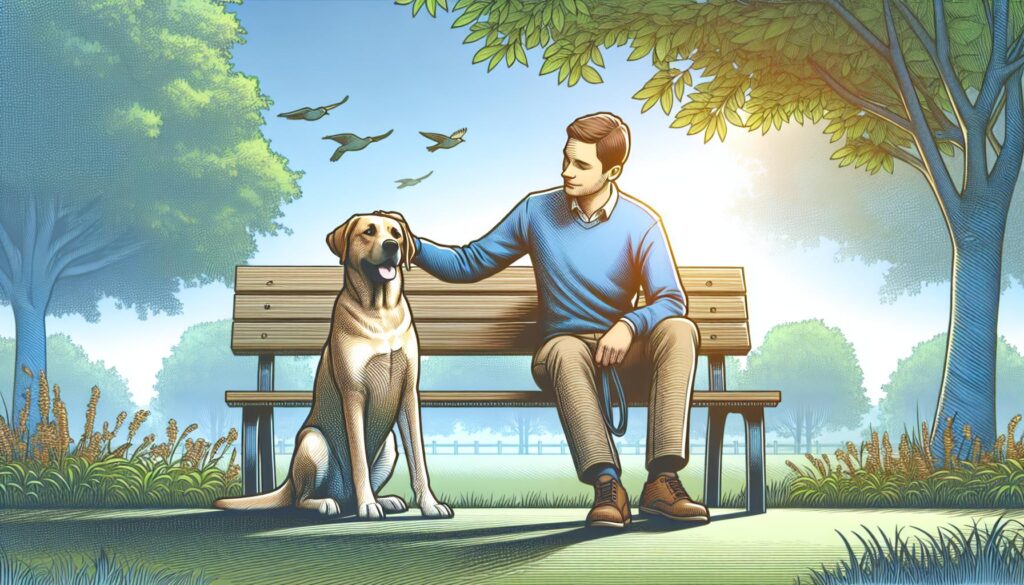
Just like humans, dogs can experience anxiety, but they can’t tell us about it in words. Instead, they communicate their distress through behaviors that might not always be immediately recognizable. Recognizing the signs of anxiety in dogs is the first step toward helping our furry friends feel more secure and happy.
From subtle changes in body language to more overt symptoms like excessive barking or pacing, understanding these signals can be crucial. It’s all about learning to speak a language your dog can understand. This article will guide you through identifying those signs of anxiety and offer practical tips on how to help your canine companion. Whether it’s through environmental changes, training techniques, or seeking professional advice, there’s plenty you can do to ease their worry and improve their quality of life.
Understanding Dog Anxiety
Dog anxiety can manifest in various ways, and grasping its signs is crucial for providing timely support. Anxiety in dogs often stems from environmental changes, fears, separation, or aging. Recognizing these causes can significantly enhance the effectiveness of any intervention.
Causes of Anxiety in Dogs
- Environmental Changes: Dogs might feel anxious if their living situation changes dramatically, such as moving to a new house or the introduction of a new family member or pet.
- Fear-Related Anxiety: Loud noises, unfamiliar people, strange animals, or specific situations like vet visits can trigger fear-related anxiety.
- Separation Anxiety: Dogs are social animals, and being left alone for long periods can lead to separation anxiety, characterized by distress and destructive behavior when separated from their owners.
- Aging: Senior dogs may develop anxiety as their cognitive functions decline, leading to confusion and fear in previously familiar settings.
Understanding these causes can help owners identify potential triggers and avoid or mitigate situations that might lead to anxiety in their dogs.
Recognizing the Signs of Anxiety in Dogs
Observing a dog’s behavior closely is key to identifying signs of anxiety, which can range from subtle to obvious.
- Subtle Signs: Look for changes in body language, such as ears pinned back, excessive licking, yawning, and avoiding eye contact. These signs can easily be overlooked but are indicative of discomfort.
- Overt Symptoms: More noticeable signs include incessant barking or howling when alone, destructive behavior, pacing, and attempts to escape. These behaviors often signal a higher level of distress.
- Physical Symptoms: In some cases, dogs might show physical signs of anxiety, such as trembling, excessive drooling, or even accidents inside the house despite being house trained.
Being aware of these signs can aid owners in recognizing anxiety early and taking steps to address it, thereby reducing the impact on their dog’s well-being.
Supporting Dogs with Anxiety
Once signs of anxiety are identified, there are several ways to support an anxious dog.
- Create a Safe Space: Provide a quiet, comfortable area where the dog can retreat. This space should be accessible at all times and filled with their favorite toys and bedding.
- Routine and Predictability: Keep a consistent daily routine to reduce anxiety. Predictable schedules for walks, feeding, and playtime can provide a sense of security.
- Exercise: Regular exercise can help reduce anxiety by allowing dogs to expend energy and release
Signs Your Dog Is Experiencing Anxiety
Recognizing anxiety in dogs involves observing changes in their body language and behavior. These changes might be subtle or more noticeable, depending on the dog and the severity of their anxiety. Common signs include:
- Excessive Barking or Howling: When left alone, a dog might express its anxiety through continuous vocalization.
- Pacing or Restlessness: Anxious dogs often can’t settle, showing behavior such as walking back and forth or can’t seem to stay still.
- Shivering or Trembling: Though shivering can be a response to lower temperatures, it can also indicate fear or anxiety in dogs.
- Destructive Behavior: In response to anxiety, especially separation anxiety, dogs may chew on furniture, shoes, or other objects, or dig holes.
- Excessive Licking or Chewing: Dogs might lick or chew themselves excessively as a self-soothing behavior.
- Avoidance or Hiding: A dog trying to avoid interaction or hiding in a secluded spot can be a sign of feeling anxious.
- Urinating or Defecating Indoors: Even if house-trained, an anxious dog might have accidents inside the house.
- Changes in Posture: An anxious dog might adopt a more subdued posture, with ears back and tail between their legs.
- Reduction in Appetite: Anxiety can lead to a decrease in appetite or refusal to eat.
- Increased Salivation or Drooling: More than usual drooling can be a sign of anxiety in some dogs.
Addressing these signs of anxiety requires patience and understanding. Providing a safe and secure environment for your dog, establishing a predictable routine, and using calming techniques can significantly reduce anxiety. In more severe cases, consulting a veterinarian or a professional animal behaviorist is advisable. They might recommend therapeutic interventions, such as desensitization exercises or, in some instances, medication to help manage anxiety. Engaging in regular exercise and mental stimulation plays a crucial role in alleviating stress, helping to channel the dog’s energy into more positive outlets and promoting physical and mental well-being.
By recognizing the signs of anxiety early and implementing supportive strategies, owners can help their dogs lead happier, more balanced lives.
Common Sources of Anxiety in Dogs
Anxiety in dogs can stem from various sources, each affecting pets differently. Understanding these sources is crucial for addressing and mitigating stress in canine companions. They range from environmental adjustments to more deep-rooted fears.
Environmental Changes
Dogs thrive on consistency, so any alteration in their environment may trigger anxiety. These changes include moving to a new home, introducing new family members or pets, and even rearranging furniture. Dogs may also experience stress from loud noises such as thunderstorms, fireworks, or construction sounds, leading to heightened anxiety levels.
Separation Anxiety
Separation anxiety is a prevalent source of stress among dogs. It occurs when a dog becomes overly attached to its owner and struggles to cope in their absence. Signs include destructive behavior, incessant barking, and attempts to escape. Dogs with separation anxiety need extra care to feel secure even when their owners are not present.
Fear of Strangers or Other Animals
Some dogs exhibit anxiety when encountering unfamiliar people or animals. This fear can stem from a lack of socialization or negative experiences in the past. Dogs showing fear towards strangers or other pets might bark excessively, cower, or try to hide.
Past Trauma
Dogs with a history of mistreatment or neglect may carry anxiety and fear into their new lives. Triggers reminiscent of past traumas, such as specific sounds, movements, or situations, can evoke a stress response. These dogs require patience and a gentle approach to help them overcome their fears.
Health-Related Anxiety
Underlying health issues can also contribute to a dog’s anxious behavior. Pain, hormonal imbalances, or diseases affecting the nervous system may manifest as anxiety. Consequently, a sudden onset of anxious behavior warrants a veterinary evaluation to rule out or address health problems.
Recognizing these common sources of anxiety in dogs allows owners to take proactive steps in creating a supportive and calming environment. Tailoring care and interventions to address the specific sources of a dog’s anxiety can make a significant difference in their overall well-being and happiness.
How to Help Your Anxious Dog
Recognizing the signs of anxiety in dogs is the first step toward providing them with the necessary help. Once these signs are identified, there are several measures that pet owners can take to alleviate anxiety and improve their dog’s overall well-being.
Create a Safe Space
A safe, quiet space for a dog can significantly reduce anxiety, especially during noisy events or when the dog is feeling overwhelmed. This area should be easily accessible at all times and filled with their favorite toys, a comfortable bed, and possibly an item with their owner’s scent for additional comfort.
Maintain a Consistent Routine
Dogs thrive on routine as it gives them a sense of security. Maintaining regular times for meals, walks, and playtime can help minimize anxiety by providing a predictable environment. Changes in the household should be introduced gradually when possible.
Use Calming Techniques
Several calming techniques can be applied to help soothe an anxious dog:
- Gentle petting and calm, reassuring talk can help settle nervousness.
- Calming treats and supplements containing ingredients like CBD or chamomile may offer relief.
- Products like weighted blankets designed for dogs or anxiety vests apply gentle pressure, mimicking the sensation of being held, which can calm a distressed dog.
Provide Physical Exercise and Mental Stimulation
Physical exercise is crucial for reducing anxiety as it helps burn off excess energy and promotes a state of calmness. Equally important is mental stimulation through interactive toys, training sessions, or puzzle feeders, which can prevent boredom and reduce anxiety triggers.
Professional Help
Sometimes, despite best efforts, an anxious dog may need professional help. This includes consulting a veterinarian to rule out any underlying health issues that could be contributing to anxiety. Behavioral specialists, like certified dog trainers or animal behaviorists, can offer tailored strategies and interventions for anxiety management.
Positive Reinforcement
Using positive reinforcement techniques reinforces good behavior without adding to the stress or fear. Rewarding calm behavior with treats, praise, or play encourages the dog to repeat those behaviors in anxious situations.
Socialization and Desensitization
Gradually exposing a dog to the sources of its anxiety in a controlled way can lessen its impact over time. This desensitization process should be done slowly, paired with positive reinforcement, to build confidence and reduce fear reactions.
Natural Remedies and Supplements
In the journey to alleviate a dog’s anxiety, natural remedies and supplements can play a pivotal role, complementing behavior modification strategies and professional help. These remedies serve as gentle aids to soothe and calm anxious dogs, offering an array of options for pet owners seeking holistic approaches.
Herbal Remedies
Herbal remedies are known for their calming effects and are a popular choice among pet owners. Common herbs include:
- Chamomile: Renowned for its soothing properties, it helps relax muscles and reduce irritability.
- Valerian Root: A powerful sedative that can alleviate tension and promote better sleep.
- Passionflower: Works to ease general anxiety and nervousness, making it beneficial for dogs afraid of loud noises or separation.
Before incorporating any herbs into a dog’s regimen, consulting with a veterinarian is imperative, as some can interact with medications or have side effects.
CBD Oil
CBD oil for dogs has gained popularity for its potential to reduce anxiety without the psychoactive effects associated with marijuana. It interacts with the endocannabinoid system to help balance mood and ease anxiety. Opting for high-quality, pet-specific CBD oil and discussing the appropriate dosage with a veterinarian ensures safety and efficacy.
Nutritional Supplements
Certain dietary supplements can support a dog’s overall well-being and reduce anxiety symptoms, including:
- Omega-3 Fatty Acids: Found in fish oil, these support brain health and can help manage stress responses.
- L-Theanine: An amino acid that promotes relaxation and stress reduction without drowsiness.
- Magnesium: Often deficient in anxious dogs, magnesium supplements can help in muscle and nerve function, aiding in relaxation.
Aromatherapy
Aromatherapy utilizes essential oils to create calming environments for dogs. Lavender and frankincense are two oils noted for their ability to ease anxiety. However, it’s crucial to use these oils safely, as some essential oils can be toxic to dogs. Diffusing small amounts in a well-ventilated area, where dogs can leave if they choose, ensures safety and comfort.
Physical Touch and Comfort
Incorporating techniques such as massage and gentle petting can further promote relaxation and bonding. These methods, along with the previously mentioned supplements and remedies, offer a comprehensive approach to managing a dog’s anxiety naturally.
Conclusion
Recognizing and addressing your dog’s anxiety is a journey that requires patience, love, and understanding. By incorporating a blend of strategies—from establishing a comforting routine to exploring natural remedies and seeking expert advice—you’re taking significant steps toward improving your furry friend’s well-being. Remember, every dog is unique, so it’s essential to tailor your approach to fit their specific needs. As you work through these methods, you’ll not only help alleviate their anxiety but also strengthen the bond between you and your beloved pet. Let’s embark on this path together, ensuring our dogs lead happier, more relaxed lives.

Elizabeth Redd has been in Washington, D. C. since 1970. Welcome to "Pooch Wellness Path," your trusted guide to enhancing the well-being of your cherished furry friends. At the heart of our community lies a commitment to holistic wellness, combining comprehensive care with unconditional love.
We're here to offer you the latest nutrition, fitness, mental health, and preventive measures, lighting the way to peak health for your pet. Dive into our thriving network of dog lovers, where the happiness of our companions takes center stage.
We're all about sharing groundbreaking wellness tips and nurturing an environment where every dog thrives. Step into Pooch Wellness Path, where each joyful bark and wag is a testament to thriving health.