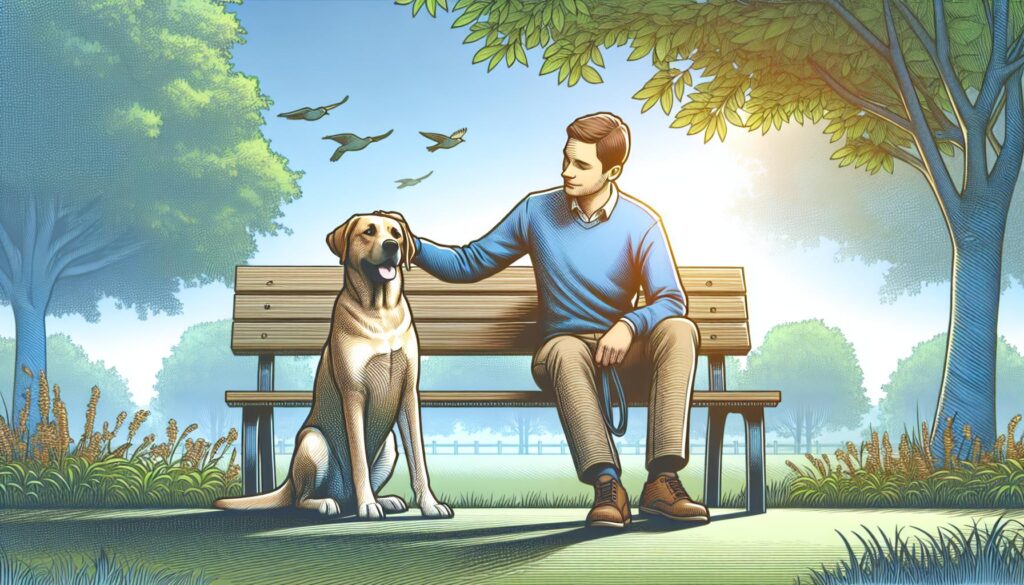
Just like humans, dogs need more than just physical nourishment to thrive; they require emotional fulfillment too. The role of play in a dog’s life goes far beyond mere exercise. It’s a crucial component of their emotional and mental well-being. Engaging in playtime not only keeps their bodies fit but also enriches their minds and strengthens the bond they share with their owners.
Understanding the impact of play on a dog’s emotional health can transform the way owners interact with their furry friends. It’s not just about throwing a ball or a frisbee; it’s about recognizing play as a vital tool for alleviating stress, preventing boredom, and encouraging positive behaviors. This exploration into the joyous world of play and its benefits promises to shed light on how to nurture a happier, healthier companion.
Understanding the Role of Play in Dogs
Playing is more than just a fun activity for dogs; it serves as a critical component of their emotional and mental health. Through play, dogs not only expend their physical energy but also satisfy their innate instincts such as chasing, hunting, and exploring. This section delves into the multifaceted benefits of play and how it impacts a dog’s emotional well-being.
Facilitating Learning and Mental Stimulation
Play is instrumental in a dog’s cognitive development. Puppies learn about their environment, develop social skills, and understand boundaries through playful interactions. Adult dogs, too, benefit from the mental stimulation that play provides, helping to keep their minds sharp and engaged. Activities such as solving puzzle toys, playing hide-and-seek, or learning new tricks can reduce the risk of cognitive decline in older dogs.
Fostering Social Bonds
The role of play extends to building and strengthening the social bonds between dogs and their owners, as well as with other dogs. Interactive games like fetch, tug-of-war, or agility training enhance trust and communication, deepening the relationship. Dogs playing together learn important social cues and how to navigate interactions, which is crucial for their social development.
Reducing Behavioral Issues
Engaging in regular play can significantly impact a dog’s behavior by reducing common issues such as anxiety, aggression, and excessive barking. Play acts as an outlet for dogs to release pent-up energy and stress, leading to a more relaxed and content state. Structured playtime can also channel a dog’s energy into positive behaviors, decreasing the likelihood of destructive actions.
Promoting Emotional Health
At its core, play is vital for a dog’s emotional health. It induces joy, provides comfort, and can even alleviate symptoms of depression and anxiety. The release of endorphins during play boosts a dog’s mood, making them happier and more balanced emotionally. For dogs that experience nervousness or fear, play can serve as a therapeutic tool, building confidence and improving overall emotional resilience.
Supporting Physical Health
While the focus of this section is on emotional and mental well-being, it’s worth mentioning the interconnectedness of physical health with emotional state. Regular play contributes to maintaining a healthy weight, improving cardiovascular health, and increasing agility and strength, which, in turn, supports a dog’s emotional well-being by making them feel physically better.
The Psychological Impact of Play on Dogs
Following the recognition of play’s vital role in a dog’s overall well-being, it’s crucial to delve into the psychological ramifications that play activities have on dogs. Play goes beyond just physical activity; it’s a pivotal element in shaping a dog’s mental and emotional health.
Enhancement of Cognitive Functions
Engaging in play stimulates a dog’s brain, promoting cognitive development through problem-solving and decision-making processes inherent in play. For instance, interactive toys that require a dog to think or puzzles that challenge them to find hidden treats can significantly enhance their cognitive abilities. These activities encourage dogs to use logic and strategy, thereby improving their mental faculties over time.
Strengthening Emotional Bonds
Play fosters a stronger bond between dogs and their owners, which is fundamental for a dog’s emotional security. Activities like fetch, tug-of-war, or even simple games of hide and seek allow dogs to engage in cooperative behavior, building trust and a sense of companionship. Dogs that regularly play with their owners exhibit higher levels of attachment and can better understand social cues, leading to a more harmonious relationship.
Reduction of Stress and Anxiety
The act of playing serves as a natural stress reliever for dogs. It triggers the release of endorphins, the body’s natural feel-good chemicals, which promote relaxation and contentment. Additionally, engaging in play can act as a form of behavioral therapy, helping to mitigate symptoms of anxiety and depression by providing a healthy outlet for energy and frustration. Dogs that have regular play sessions tend to be less anxious and show fewer signs of stress-related behaviors such as excessive licking or chewing.
Socialization Skills
Play is a critical component in the socialization process of dogs. Through play with other dogs, they learn vital communication skills, including how to read and respond to body language and signals. This interaction plays a crucial role in developing a well-adjusted dog that is comfortable around other dogs and humans. It teaches them about boundaries, hones their instincts about when to engage or withdraw, and facilitates the development of a socially competent animal.
Play and Its Role in Preventing Behavioral Issues
Play is a pivotal tool in preventing a variety of behavioral issues in dogs, offering a natural and enjoyable way to teach discipline, encourage good behavior, and mitigate problems such as aggression, boredom, and anxiety.
Reducing Aggression
Incorporating play into a dog’s routine allows them to channel their energy positively. Structured games like tug-of-war, when supervised and played with clear rules, teach dogs to control their bite force and understand boundaries. This prevents the development of aggressive behaviors directed towards both dogs and humans. Moreover, play sessions that involve human interaction foster trust and respect, conditioning the dog to respond positively to human guidance.
Alleviating Boredom and Destructive Behaviors
Boredom can lead to destructive behaviors in dogs, such as chewing on furniture or digging holes in the backyard. Regular play sessions, especially those that challenge a dog’s mind, like puzzle toys or interactive games, keep them engaged and mentally stimulated. This not only prevents boredom but also discourages destructive behavior by directing their focus and energy toward constructive activities.
Combating Anxiety and Stress
Play is an effective stress reliever for dogs. Activities that stimulate physical and mental engagement release endorphins, reducing stress and anxiety levels. Dogs suffering from separation anxiety benefit significantly from play before the owner’s departure, as it leaves them in a relaxed state. Additionally, play gives dogs a sense of routine and normalcy, which is particularly beneficial in reducing anxiety in dogs exposed to changes in their environment or daily schedule.
Enhancing Social Skills
Social play with other dogs teaches vital communication skills and helps dogs learn how to interact appropriately. Activities such as group walks or dog park visits encourage dogs to engage in play with their peers, teaching them the nuances of canine communication and reducing incidences of social aggression. This is critical for preventing behaviors rooted in fear or misunderstanding of another dog’s intentions.
Encouraging Positive Behavior
Rewards-based play, which uses toys or treats as incentives for displaying desired behaviors, reinforces good conduct. This form of play, integrated into training sessions, encourages dogs to listen and respond to commands as they associate obedience with positive outcomes. By making training sessions fun and rewarding, dogs are more likely to participate willingly, fostering a cooperative spirit and reducing resistance to learning new behaviors.
Integrating Play Into Your Dog’s Daily Routine
Integrating play into a dog’s daily routine isn’t just beneficial; it’s essential for their emotional and mental well-being. Consistency and variety play key roles in ensuring that playtime is as enriching as possible. The following strategies can help owners seamlessly incorporate play into their dogs’ daily lives, ensuring they reap all the emotional, mental, and physical health benefits.
Establish a Consistent Play Schedule
Creating a consistent schedule for playtime helps dogs anticipate and look forward to these sessions. This anticipation can alleviate boredom and anxiety, knowing that there’s a fun part of their day just around the corner.
- Morning Activity: Starting the day with a short play session can help stimulate a dog’s mind, preparing them for a more relaxed day, especially for owners who have to leave their dogs alone for periods.
- Afternoon Engagement: An afternoon play session is perfect for expending any built-up energy from the day, especially for dogs that have been resting while their owner was at work.
- Evening Wind-down: Evening play sessions can help dogs relax and settle down for the night, ensuring they’re tired but content.
Variety is the Spice of Life
Incorporating a variety of play activities prevents boredom and keeps playtime exciting and challenging.
- Interactive Toys: Puzzle toys and interactive games that dispense treats not only entertain dogs but also stimulate their cognitive functions.
- Physical Activities: Fetch, tug-of-war, and hide-and-seek engage a dog’s physical and mental abilities, helping them use their instincts in a positive way.
- Training as Play: Integrating training into playtime can make learning new commands and tricks fun, enhancing a dog’s discipline and mental agility.
Play With Others
Social play is crucial for a dog’s emotional development. It teaches them how to interact with other dogs and humans, promoting healthy social skills.
- Dog Parks: Visiting dog parks regularly can provide dogs with a safe space to interact with their peers, refining their social etiquette.
- Playdates: Setting up playdates with familiar dogs can enhance social skills and build confidence in controlled environments.
Monitor and Adapt
Observing a dog’s reaction to different types of play and adjusting accordingly ensures that playtime meets their individual needs.
- Tailor Play to Personality: Some dogs may prefer calm, intellectual challenges, while others might thrive on vigorous physical activity. Owners should tailor
The Human-Canine Bond: Strengthened Through Play
The interplay between humans and their canine companions during playtime is more than just amusement; it’s a pivotal activity that significantly strengthens the human-canine bond. This bonding through play has profound effects on a dog’s emotional health, fostering trust and understanding between the dog and its owner.
Interactive play sessions, like tug-of-war or fetch, serve as communication bridges, enabling dogs and their humans to understand each other better. They learn to read each other’s body language and signals, which enhances mutual respect and affection. Such games also empower owners to establish themselves as part of the pack, securing their role as the leader in a way that’s both enjoyable and non-threatening.
Incorporating training into playtime consolidates this bond further. When dogs learn commands through games, they associate obedience with positive experiences and rewards. This association not only makes training more effective but also deepens the emotional connection, as dogs start to associate their owner’s happiness with their own.
The element of touch plays a crucial role in strengthening the human-canine bond during play as well. Gentle petting or brushing while engaging in calm play activities promotes relaxation and trust. Studies suggest that physical contact like petting can increase levels of oxytocin, sometimes known as the “love hormone,” in both dogs and humans. This biochemical reaction highlights how physical closeness during play enhances the emotional bond.
Shared play activities promote empathy and understanding, enabling owners to perceive their dogs’ emotional states more accurately. They notice when their dog is happy, stressed, or needs a break, facilitating a more empathetic response to their canine’s needs. This awareness helps prevent misunderstandings and fosters a harmonious living environment.
Furthermore, play provides an outlet for dogs to express their affection and loyalty towards their owners. When dogs initiate play, they’re not only seeking entertainment but also an opportunity to interact and show their attachment to their human family. This reciprocal display of affection reinforces the emotional bond from both sides.
Lastly, the consistency that comes from regular playtime establishes a routine that dogs find reassuring. Knowing they can expect quality time with their owner helps reduce anxiety and stress in dogs, making them feel more secure and loved. This routine is essential for building a strong, loving relationship that supports the emotional well-being of both the dog and its owner.
Conclusion
Recognizing the power of play isn’t just about keeping your dog entertained. It’s about tapping into a deeper level of care that nurtures their emotional well-being. Through consistent and varied play, owners can unlock a world of benefits that go beyond physical health, touching the very essence of a joyful, balanced relationship with their furry friends. It’s clear that playtime isn’t just fun and games; it’s a cornerstone of a happy, healthy life for dogs, cementing an unbreakable bond between them and their human companions. So next time you pick up that toy or head to the park, remember you’re doing more than just playing—you’re enhancing your dog’s emotional health in ways that words can’t always express.

Elizabeth Redd has been in Washington, D. C. since 1970. Welcome to "Pooch Wellness Path," your trusted guide to enhancing the well-being of your cherished furry friends. At the heart of our community lies a commitment to holistic wellness, combining comprehensive care with unconditional love.
We're here to offer you the latest nutrition, fitness, mental health, and preventive measures, lighting the way to peak health for your pet. Dive into our thriving network of dog lovers, where the happiness of our companions takes center stage.
We're all about sharing groundbreaking wellness tips and nurturing an environment where every dog thrives. Step into Pooch Wellness Path, where each joyful bark and wag is a testament to thriving health.