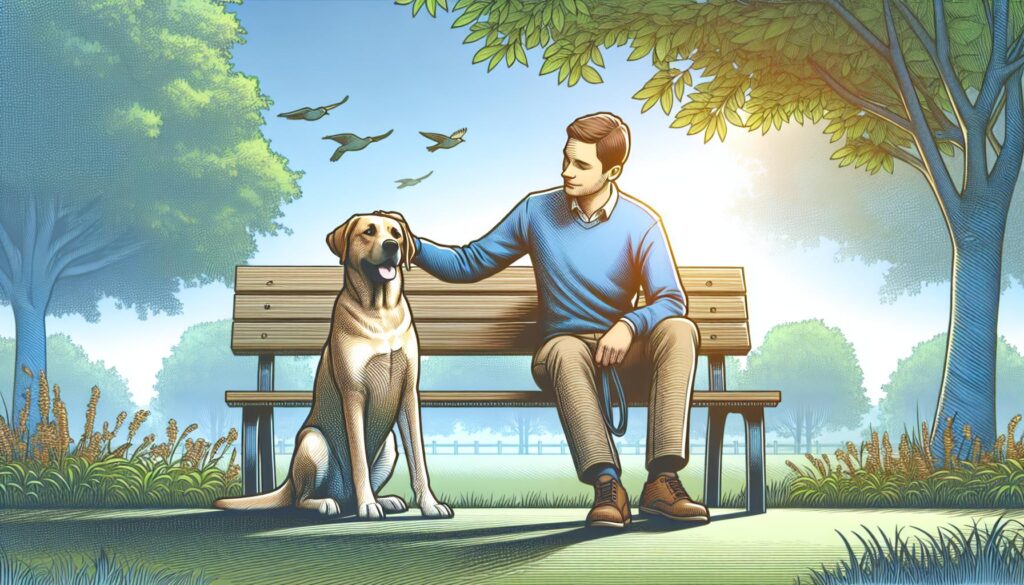
Dogs are more than just pets; they’re part of the family. But even after years of companionship, some of their behaviors can leave us scratching our heads. Have you ever wondered why your furry friend spins in circles before lying down, or why they bring their favorite toy to greet you? Understanding the meaning behind these actions can deepen the bond between you and your dog, turning confusing moments into opportunities for connection.
This article dives into the fascinating world of dog behaviors, shedding light on what drives these actions and how they communicate their needs, feelings, and desires. From the tail-wagging greetings to the less charming habit of digging up your garden, we’ll explore the reasons behind common dog behaviors, offering insights that will help you understand your four-legged friend on a whole new level.
Understanding the Basics of Dog Behaviors
Gaining insight into dog behaviors is crucial for developing a stronger, more harmonious relationship between dogs and their owners. Dogs communicate through a variety of actions, each with its own meaning. Recognizing these behaviors helps owners respond appropriately, ensuring their furry companions feel understood and valued.
Recognizing Signs of Comfort and Discomfort
- Tail Wagging: Often perceived as a sign of happiness, a dog’s tail wagging can denote various emotions depending on the pattern and speed. A relaxed, slow wag typically signals contentment, whereas a stiff, rapid wag might indicate excitement or agitation.
- Whining or Barking: Vocalizations serve multiple purposes. Whining can express anxieties, excitement, or even an appeal for attention. Barking varies in urgency and tone, signaling everything from greeting to a perceived threat.
Understanding Social Behaviors
- Bringing Toys: When a dog presents a toy, it’s not merely about wanting to play. This behavior can signify trust and the desire to share a valuable item, showing affection and bonding intent.
- Sniffing: Dogs gather information through scent. Sniffing other dogs or humans allows them to understand the mood, health, and compatibility, facilitating social interactions.
Identifying Playful vs. Aggressive Gestures
- Play Bow: The classic play bow, with the front end down and hindquarters up, is a universal signal among dogs to initiate play, demonstrating that any forthcoming actions are in good spirits.
- Growling and Snapping: These behaviors can be signs of fear, possession, or discomfort. Not all growls are aggressive; some may occur during play. However, understanding the context is key to distinguishing between playfulness and aggression.
- Digging: While often considered problematic, digging is a natural instinct for many dogs. It can be motivated by the desire to cool off, hide valuables, or an inherited trait from hunting ancestors.
- Spinning or Circling Before Lying Down: This behavior harks back to ancestral instincts to flatten tall grass or scare off any pests in their resting spot. It’s a comfort-seeking action rather than a sign of compulsive behavior.
Key Behaviors Explained
Continuing from the importance of recognizing dog behaviors, delving into the specifics of what these behaviors mean can provide owners with insight into their dog’s needs, emotions, and overall well-being. By understanding these key behaviors, owners can respond appropriately, ensuring a deeper and more respectful bond.
Tail Wagging
Dogs wag their tails for various reasons, not always indicative of happiness. A slow wag might mean uncertainty, while a fast wag generally shows excitement. Observing the direction of the wag can also offer clues; for example, studies suggest that a wag to the right signifies positive feelings, whereas a wag to the left might indicate negative emotions.
Whining
Whining can be a dog’s way of communicating multiple needs or feelings, including excitement, anxiety, or the desire for attention. It’s crucial to pay attention to the context in which the whining occurs to understand its cause. If a dog whines while at their food bowl, they might be hungry, but if it happens when they’re alone, it could signal separation anxiety.
Bringing Toys
When a dog brings a toy to their owner, it can signify several things. Primarily, it’s considered an invitation to play, showing trust and a desire for interaction. Alternatively, it could also be a display of their prey drive or even a gift, showcasing their affection for their owner.
Sniffing
Sniffing is a natural and essential behavior for dogs, allowing them to understand their environment and communicate. Through sniffing, dogs can gather information about other animals, people, and their surroundings, aiding them in navigation and identification. Owners should allow their dogs ample time to sniff during walks as it’s a critical component of their mental stimulation.
Play Bow
The play bow—a stance where a dog lowers its front legs while keeping its back end up—is a clear invitation to play, indicating the dog is in a playful and non-aggressive mood. Recognizing this gesture can help owners and other pets know that the dog’s actions following the play bow are meant in good fun, not aggression.
Decoding Aggressive Behaviors
Following the exploration of common and social dog behaviors that foster bonding and mutual understanding, it’s crucial for dog owners to recognize and interpret signs of aggression. While aggression can be alarming, understanding its underlying causes can help mitigate potentially dangerous situations and address a dog’s discomfort. Here, we delve into various aggressive behaviors, examining their triggers and meanings to help owners respond effectively.
Growling
Growling serves as a warning signal indicating a dog’s fear, discomfort, or territorial instincts. Instead of punishing a dog for growling, owners should assess the situation to identify and remove the stressor, if possible. Growling can occur in situations where the dog feels threatened or when someone approaches their food or toys.
Baring Teeth
This behavior often accompanies growling and signals a heightened level of threat from the dog’s perspective. When a dog bares its teeth, it’s communicating its readiness to defend itself if necessary. Observing the context in which teeth-baring occurs allows owners to understand specific triggers, such as guarding resources or feeling cornered.
Snapping and Biting
Snapping or biting are more severe forms of aggressive communication and can indicate fear, pain, or a strong desire to be left alone. These actions require immediate attention to prevent injuries and to address the root cause of the aggression. Identifying the immediate triggers, such as physical discomfort or fear of strangers, is critical for preventing future incidents.
Stiffening and Staring
A dog might stiffen its body and stare intently when feeling aggressive. This body language is a precursor to possible aggression, signaling that the dog is evaluating a threat. Owners noticing this behavior should calmly remove their dog from the stressful environment or situation to prevent escalation.
Raised Hackles
The raising of hackles, or the hair along a dog’s spine, happens due to arousal and can signal aggression or fear. While not an aggressive action by itself, it’s a clear indication of a dog’s emotional state and can precede aggressive behaviors.
The Significance of Body Language
The importance of body language in understanding dog behaviors cannot be overstated. Dogs communicate a plethora of emotions and intentions through their physical posture, facial expressions, and the positioning of their ears and tails. Recognizing these non-verbal cues is pivotal for owners to interpret their dog’s feelings and respond appropriately, enhancing mutual respect and bonding.
Tail Position and Movement
- Raised: A dog with a high tail often feels confident or alert. However, if the tail stiffens, this might signal aggression.
- Wagging: Tail wagging can express happiness or excitement, but the direction matters. A wag to the right suggests positive feelings, while to the left might indicate negative emotions.
- Tucked: A tucked tail usually shows fear or submission, indicating the dog is not comfortable or feels threatened.
Ear Positions
- Forward: Ears pricked forward suggest curiosity or attention, showing interest in the surroundings or a sound.
- Back: Flattened ears against the head can denote fear, aggression, or submission, depending on other body language cues.
Eye Contact
- Direct: While direct eye contact can mean confidence or a challenge in the dog world, prolonged staring often precedes aggression.
- Avoidance: Avoiding eye contact can be a sign of submission or discomfort, highlighting a desire to avoid confrontation.
- Relaxed: A relaxed stance, with a loose body and open mouth, usually means the dog is calm and content.
- Stiff: A stiff body signals tension or preparedness for action, which could lean towards aggression or fear, depending on the context.
Understanding these cues allows owners to better gauge their dog’s needs and emotions. For example, a dog approaching with a relaxed body and wagging tail likely seeks affection or play, while a dog with a stiff body, flat ears, and averted gaze may need space and time to relax. Recognizing signs of fear or aggression early enables owners to remove their dog from stressful situations before they escalate, ensuring the safety of the dog, the owner, and others around them.
This knowledge of canine body language bridges the communication gap between dogs and humans, facilitating a more harmonious and understanding relationship. By responding to their dog’s body language, owners demonstrate respect for their pet’s feelings and boundaries, forging a deeper connection based on empathy and mutual trust.
Creating a Positive Environment
Creating a positive environment for dogs significantly contributes to their emotional and physical well-being, encouraging them to express positive behaviors more frequently. Considering the importance of understanding dog behaviors, as discussed earlier, tailoring an environment that nurtures comfort and security is essential for their development and happiness.
Offering Physical Comfort
- Provide Adequate Bedding: Comfortable bedding helps dogs feel secure and rested. Beds placed in quiet, draft-free areas cater to their need for undisturbed sleep.
- Maintain a Stable Temperature: Ensuring the living space is not too hot or cold supports their comfort. Dogs appreciate an environment where the temperature is kept consistent.
- Keep Water Accessible: Hydration plays a crucial role in a dog’s health. Access to fresh, clean water at all times is fundamental.
Structuring Routine and Predictability
- Establish a Consistent Schedule: Dogs thrive on routine. Feeding, walks, and playtimes scheduled at regular intervals help reduce anxiety.
- Training and Socialization: Engaging in regular training sessions and encouraging social interactions with other dogs and people enhance their confidence and adaptability.
- Positive Reinforcement: Reward-based training techniques reinforce good behavior. Treats, praise, and toys serve as excellent rewards.
Designing Engaging Spaces
- Toys and Puzzle Feeders: Toys, especially those that can be filled with treats, and puzzle feeders stimulate their minds, keeping boredom at bay.
- Safe Outdoor Access: A secure backyard or patio area gives dogs the freedom to explore and play safely. Supervised visits to dog parks also offer space for exercise and socialization.
- Quiet Zones: Providing an area where dogs can retreat when they need solitude or are feeling overwhelmed ensures they have space to decompress.
- Regular Veterinary Care: Routine check-ups with a veterinarian help maintain their health, catching potential issues early.
- Balanced Diet: Offering a diet that meets their nutritional needs according to their size, age, and activity level supports overall well-being.
- Exercise Regimen: Tailoring exercise to their energy levels and health status keeps dogs physically fit and mentally stimulated.
Conclusion
Unlocking the secrets behind dog behaviors opens up a world of deeper connection and understanding between pets and their owners. By recognizing what our furry friends are trying to communicate through their actions and responding with compassion and care we’re not just pet owners—we’re their lifelong companions. It’s about creating a loving environment where they feel secure and valued. So let’s take these insights and apply them in our daily interactions with our dogs. After all, a happy dog means a happy home.

Elizabeth Redd has been in Washington, D. C. since 1970. Welcome to "Pooch Wellness Path," your trusted guide to enhancing the well-being of your cherished furry friends. At the heart of our community lies a commitment to holistic wellness, combining comprehensive care with unconditional love.
We're here to offer you the latest nutrition, fitness, mental health, and preventive measures, lighting the way to peak health for your pet. Dive into our thriving network of dog lovers, where the happiness of our companions takes center stage.
We're all about sharing groundbreaking wellness tips and nurturing an environment where every dog thrives. Step into Pooch Wellness Path, where each joyful bark and wag is a testament to thriving health.