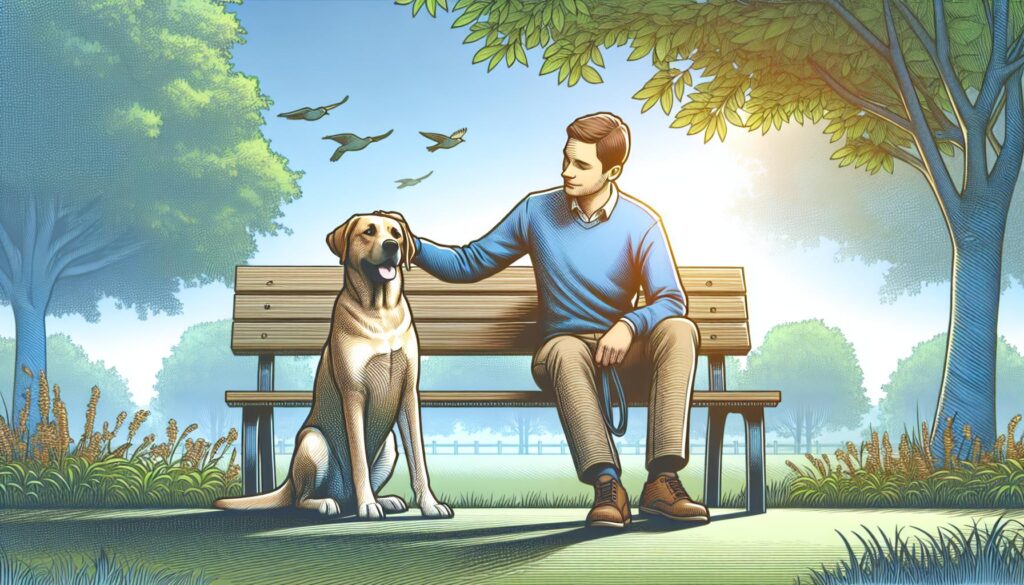
Dogs, often hailed as humans’ best friends, have a remarkable ability to sense and respond to our emotions. This unique bond between dogs and humans goes beyond simple companionship, touching the realms of emotional support and understanding. As dog owners, it’s fascinating to delve into how our furry friends perceive our feelings, shedding light on the depth of our interspecies connection.
Understanding how dogs interpret human emotions can significantly enhance the relationship between a pet and its owner. It’s not just about the tail wags or the excited barks; it’s about recognizing the subtle cues dogs use to communicate empathy and concern. This insight opens up a new dimension in pet care, where owners can more effectively respond to their dog’s emotional needs, strengthening the bond that makes these animals such indispensable parts of our lives.
Understanding the Emotional Bond Between Dogs and Owners
Dogs and humans share a profound emotional bond, honed over thousands of years of co-evolution. This bond is not just about companionship; it’s deeply rooted in how dogs perceive and react to human emotions. Recognizing and fostering this bond can lead to a more harmonious relationship, where both the dog and the owner understand and respond to each other’s emotional cues more effectively.
Recognizing Dogs’ Emotional Intelligence
Dogs possess a remarkable ability to read human emotions. They can detect subtle changes in our tone of voice, body language, and even our scent when we are feeling stressed or joyful. Studies have shown that dogs can differentiate between happy and angry facial expressions in humans, indicating their capacity to interpret our emotional states. By tuning into these signals, owners can become more aware of their own emotional states and how these affect their pets.
Responding to Dogs’ Emotional Signals
Just as dogs respond to human emotions, they also communicate their feelings through various behaviors. A wagging tail, a tilted head, or even a specific bark can signify a dog’s emotional state. Owners can strengthen their bond with their pets by learning to interpret these subtle cues and responding appropriately. Providing comfort when a dog is scared or sharing in their excitement can reinforce the emotional connection between dog and owner.
The Role of Positive Reinforcement
Positive reinforcement plays a vital role in enhancing the emotional bond. Dogs are more likely to repeat behaviors that result in positive outcomes, such as treats, praise, or affection. When owners use positive reinforcement, it not only trains the dog but also communicates love and approval, strengthening the emotional bond. This approach encourages a healthy, happy relationship based on mutual understanding and respect.
Building Trust through Consistency
Trust is fundamental in the relationship between dogs and their owners. Consistency in training, routines, and responses helps build this trust. Dogs feel more secure when they know what to expect from their owners, which, in turn, reinforces their loyalty and affection. Owners can build trust by maintaining a consistent routine, being predictable in their reactions, and showing unconditional love and support.
The Role of a Dog’s Sense of Smell in Perceiving Human Emotions
Dogs have an incredible sense of smell that plays a pivotal role in how they perceive human emotions. This sensory attribute allows them to detect subtle changes in human scent triggered by different emotions, such as happiness, fear, or stress.
Chemical signals, known as pheromones, are released by humans when they experience various emotional states. Dogs, with their olfactory prowess, can identify these pheromones. For instance, the scent of cortisol, a hormone released during stress, can be picked up by a dog, alerting it to its owner’s anxious state. Conversely, when humans are happy, their body chemistry changes in a way that dogs can sense, often leading them to react positively to mirror their owner’s emotions.
Research has shown that dogs have a region in their brains that’s specifically dedicated to analyzing smells. This part of the brain is significantly larger in dogs than in humans, making their sense of smell vastly superior. It’s estimated that dogs can smell anywhere from 10,000 to 100,000 times better than humans. This extraordinary ability enables them to process and interpret the myriad of scents that emanate from humans during emotional shifts.
Dogs also use this sense to communicate with each other, but they extend this communication tool to their interactions with humans. By detecting and responding to their owner’s emotions through scent, dogs can offer comfort during difficult times or join in their happiness during joyful moments. This detection and response system reinforces the bond between dogs and their owners, as it is rooted in an instinctual understanding and empathy.
Training and socialization play roles in honing a dog’s capacity to understand and react to human emotions through scent. Encouraging positive interactions with a variety of people can enhance a dog’s ability to recognize and adapt to different emotional states. This learning process not only benefits the dog by broadening its social skills but also strengthens the emotional connection between dogs and owners.
In nurturing the bond with their pets, owners can consciously leverage this sense by recognizing the impact of their own emotional state on their dogs. Maintaining a calm and positive demeanor can help in creating a peaceful and happy environment for pets. This mutual understanding and shared emotional experience pave the way for a deep, empathetic relationship that enriches the lives of both dogs and their human companions.
Visual Cues: Interpreting Looks and Gestures
After understanding the role of scent in how dogs perceive human emotions, it’s equally important to consider the visual cues that dogs interpret. Dogs are incredibly observant and can glean a lot of information about their owners’ emotional states through looks and gestures. This ability complements their sense of smell, offering a more comprehensive understanding of human emotions.
Identifying Emotional States
Dogs pay close attention to human facial expressions. They can distinguish between happy, sad, angry, or frightened faces, often reacting appropriately to each. For instance, a dog might approach with a wagging tail and a playful demeanor if an owner smiles or laughs, signaling happiness. Likewise, seeing a frown or tears might prompt a dog to offer comfort by cuddling closer or gently placing its head on the owner’s lap.
Body Language and Movement
Just as critical as facial expressions are body language and movement. Dogs are adept at reading subtle changes in posture or the way people move. Quick, erratic movements might signal excitement or stress, causing a dog to become anxious or overly excited. In contrast, slow, deliberate movements can have a calming effect, signaling safety and security to the pet.
Hand Gestures and Commands
Dogs not only watch faces but also pay attention to hand gestures and body movements that accompany commands during training. Consistent use of specific gestures for commands like “sit,” “stay,” or “come” reinforces dogs’ understanding of what is expected, bridging communication gaps. Owners’ gestures during everyday interactions also matter; for instance, pointing to an object or location often prompts a dog’s interest in that direction, demonstrating their keen observation skills.
Interpretation and Reaction
Dogs interpret these visual cues and react in ways that reflect their understanding of the owner’s emotional state. A dog might respond to an owner’s distress by becoming protective or alert, while a relaxed demeanor from the owner might communicate that it’s a good time for play. This visual communication builds on the olfactory connection, creating a deeper, more nuanced understanding between dogs and their owners.
The Auditory Aspect: How Dogs Understand Our Tone
Transitioning from the vital role of visual and olfactory cues, dogs’ understanding of human emotions extends to auditory signals, specifically, how they interpret the tones and inflections in our voices. Dogs possess a remarkable ability to discern subtle changes in their owner’s voice, associating specific tones with emotions or commands. This auditory perception complements their understanding of human emotions, further solidifying the bond between dogs and their owners.
Recognizing Emotions Through Sound
Research indicates that dogs have a unique capability to recognize the emotional content in human voices. Whether it’s a cheerful, high-pitched tone indicating happiness or a lower, stern voice used during reprimands, dogs adjust their behavior based on what they hear. This skill is not just limited to responding to their names or commands but extends to understanding the emotional states behind the words. A study published in the journal “Animal Cognition” demonstrates that dogs can differentiate between happy and sad sound clips of human voices, suggesting they can sense emotions through auditory cues alone.
The Role of Pitch and Volume
Pitch and volume play critical roles in how dogs interpret human voices. High-pitched tones, often used to praise or show affection, can excite dogs, making them more likely to engage in playful behavior. Conversely, a low-pitched, firm tone might signal disapproval or command attention, causing dogs to become subdued or more attentive. Similarly, a sudden increase in volume can startle or scare dogs, while a soft tone can soothe and calm them. Understanding these nuances enables owners to communicate more effectively with their pets, enhancing their relationship.
Training and Consistency
The importance of consistency in voice commands during training cannot be overstated. Dogs not only learn specific commands but also pick up on the emotional context and intentions behind them. By using a consistent tone when issuing commands, owners make it easier for dogs to understand and follow their requests. This consistency also helps in reinforcing desired behaviors, as dogs become better at associating certain tones with specific actions or outcomes.
Enhancing the Emotional Bond Through Training
Building on the understanding of how dogs perceive human emotions through scent, visual cues, and auditory signals, owners can further enhance the emotional bond with their pets through targeted training strategies. Training offers more than just behavioral compliance; it serves as a communication bridge. Here, specific methods to strengthen this emotional connection are outlined, focusing on consistency, empathy, and positive reinforcement.
First, establishing a training routine fosters a sense of security and trust. Dogs thrive on predictability, which, when paired with consistent voice commands and body language, reassures them of their owner’s intentions and feelings. This consistency in training ensures dogs not only follow commands but also feel the stability and safety of a structured environment, deepening the emotional bond.
Second, using empathy during training sessions bolsters the communicative bond between dogs and their owners. Understanding and considering the dog’s perspective and emotional state during training encourage a more patient, nurturing approach. Tailoring training methods to suit the dog’s individual needs and emotional responses, rather than adopting a one-size-fits-all strategy, shows the dog they are heard and understood.
Third, positive reinforcement remains a cornerstone of effective training and bonding. Rewarding desired behaviors with treats, praise, or play reinforces these behaviors and associates them with positive emotions. Dogs, sensing their owners’ happiness and approval, are likely to repeat these positively reinforced actions, creating a cycle of positive feedback. This method not only teaches the desired behaviors but also strengthens the emotional connection through shared joy and satisfaction.
Moreover, engaging in activities that both the dog and owner enjoy, such as interactive games or agility training, can enhance the emotional bond. These activities provide opportunities for teamwork, mutual trust, and understanding, further enriching the relationship.
Finally, sensitivity to a dog’s limitations during training sessions is crucial. Recognizing signs of stress or discomfort and adjusting the training approach accordingly prevents negative associations and fosters a nurturing environment. This consideration ensures the dog feels safe and supported, reinforcing the emotional bond.
Enhancing the emotional bond through training involves a thoughtful blend of consistency, empathy, positive reinforcement, mutual enjoyment, and sensitivity to the dog’s needs. Each of these elements contributes to a deeper, more meaningful connection between dogs and their owners, rooted in mutual respect, understanding, and love.
Conclusion
Understanding how dogs perceive our emotions is a fascinating journey that brings us closer to our furry companions. By tuning into their needs and emotions through the strategies discussed, owners can foster a deeper bond that benefits both the dog and themselves. Remember, it’s not just about training but about building a relationship based on mutual respect, empathy, and love. So next time you’re with your dog, take a moment to consider the world from their perspective. It might just make all the difference in your relationship.

Elizabeth Redd has been in Washington, D. C. since 1970. Welcome to "Pooch Wellness Path," your trusted guide to enhancing the well-being of your cherished furry friends. At the heart of our community lies a commitment to holistic wellness, combining comprehensive care with unconditional love.
We're here to offer you the latest nutrition, fitness, mental health, and preventive measures, lighting the way to peak health for your pet. Dive into our thriving network of dog lovers, where the happiness of our companions takes center stage.
We're all about sharing groundbreaking wellness tips and nurturing an environment where every dog thrives. Step into Pooch Wellness Path, where each joyful bark and wag is a testament to thriving health.