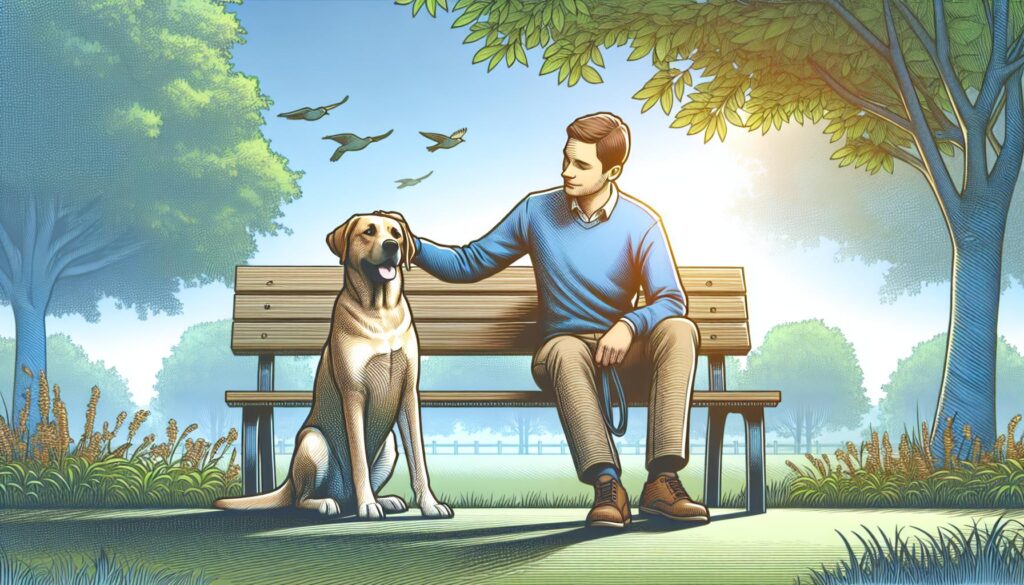
Dogs communicate in ways that are often misunderstood by their human companions. Among these, tail wagging stands out as a widely recognized yet frequently misinterpreted signal. It’s easy to assume a wagging tail means a dog is happy, but the reality is much more complex. This article delves into the nuanced world of canine body language, shedding light on what our furry friends are really trying to tell us.
Understanding dog emotions goes beyond observing their tails. From the tilt of their head to the positioning of their ears, dogs convey a wide range of feelings that can be puzzling to interpret. By exploring these subtle cues, dog owners can gain insights into their pets’ emotional states, enhancing the bond between them. This journey into the misunderstood aspects of dog communication promises to be both enlightening and enriching for dog lovers everywhere.
Understanding Dog Emotions
Dogs, known for their loyalty and affection, communicate their emotions through a variety of body languages that often go beyond the typical tail wag. Recognizing and interpreting these signals accurately can deepen the bond between dogs and their owners. This exploration into canine behavior examines several key indicators of dog emotions, offering insights into how to better understand and respond to a dog’s needs.
Tail Wagging
Tail wagging is one of the most recognized forms of canine communication, but its meaning varies widely depending on the context. A tail wagging vigorously to the right often signifies positive feelings, such as happiness or excitement to see their owner. Conversely, a tail moving more to the left might indicate negative emotions, including anxiety or uncertainty. The speed and pattern of the wag also play crucial roles in decoding a dog’s emotional state.
Facial Expressions
Dogs convey a lot through their faces. For instance, relaxed eyes and a slightly open mouth can signal contentment, while ears pinned back against the head may suggest fear or aggression. Recognizing the subtleties in a dog’s facial expressions provides valuable clues to their emotional well-being.
Body Posture
A dog’s body posture offers further insight into their emotional state. A confident and relaxed dog often stands with a relaxed posture, without appearing tense or on edge. In contrast, a dog that feels threatened or scared might make itself appear smaller by crouching or even rolling over to expose its belly.
Vocalizations
Barking, growling, whining, and howling are among the vocalizations dogs use to express a range of emotions. A low growl could warn of discomfort or protectiveness over a territory or object, while whining might indicate anxiety, excitement, or the desire for attention. Learning to distinguish these sounds can help owners better understand their furry companions.
Interaction With Objects or Other Animals
Observing how dogs interact with objects or other animals provides additional context to their emotional state. Destructive behavior, such as chewing or digging, can sometimes signify boredom or anxiety. Similarly, a dog’s interaction with other dogs or animals can reveal much about their confidence, fear, or playfulness.
Understanding dog emotions demands patience and observation. By paying close attention to these various cues, owners can nurture a more empathetic and responsive relationship with their dogs. Recognizing and respecting a dog’s feelings not only ensures their well-being but also builds a stronger, more harmonious bond.
The Science Behind Tail Wagging
Deciphering the science behind tail wagging reveals a complex communication system dogs use to express a wide range of emotions. Research shows that the direction, speed, and type of tail wag can convey different messages.
Direction Matters
Studies have found that the direction of a tail wag holds specific meanings. When dogs wag their tails more to the right side of their body, it often indicates positive emotions, such as happiness or excitement. Conversely, a tail wagging more to the left signifies negative emotions, like fear or aggression. This asymmetry reflects the brain’s hemispheric activation: the left brain controls positive feelings and right tail wags, while the right brain handles negative emotions and left tail wags.
Speed and Type of Wag
The speed at which a dog wags its tail also provides insight into its emotional state. A fast wag is generally seen as a sign of excitement or eagerness. In contrast, a slow wag can indicate insecurity or a tentative approach to a situation. The height at which a dog holds its tail while wagging offers further clues: a high wag can mean confidence or aggression, whereas a low wag might suggest submission or fear.
Context is Key
Interpreting tail wags also depends heavily on context. Observing a dog’s tail in conjunction with other body language cues, such as posture, ear and eye positioning, and vocalizations, is crucial. For example, a tail wagging with a relaxed body and open facial expression likely indicates friendliness, while the same tail movement paired with bared teeth and a rigid posture might signal aggression.
Misinterpretations and Myths
Not all tail wags mean a dog is happy. Many people misinterpret tail wagging as a universal sign of happiness, overlooking the nuances in tail movement and other body language signals. Recognizing the complexity of tail wagging helps in understanding a dog’s true emotions and intentions, reducing the chances of miscommunication.
By exploring the science behind tail wagging, dog lovers can gain a deeper understanding of their pets’ emotional lives. Tail wagging is just one part of the intricate language of dogs, a language that, when understood, can significantly enhance the relationship between humans and their canine companions. This knowledge fosters a more empathetic and responsive interaction, ensuring a harmonious and mutually beneficial bond.
Beyond the Tail: Other Misunderstood Dog Emotions
Understanding a dog’s emotions extends far beyond interpreting the tail’s movement. Dogs communicate through a rich tapestry of signals that can often be misread or overlooked by their human companions. Recognizing these nuanced cues is essential for nurturing a deeper connection.
Facial Expressions
Dogs express a lot through their faces. Often mistaken for mere cuteness, a dog’s facial expression can reveal its feelings:
- Eyes: A dog’s eyes can convey a wide range of emotions. Soft, relaxed eyes typically indicate contentment, while wide eyes might signal fear or surprise.
- Ears: Ears that are held back could be a sign of fear or submission, whereas ears perked up may denote interest or alertness.
- Mouth: A relaxed, slightly open mouth often signifies a comfortable and relaxed state. In contrast, a closed mouth or pulled back lips can indicate stress or aggression.
Body Posture
A dog’s body posture can also give away how it feels in a given moment:
- Stiffening: A dog that suddenly stiffens its body might be feeling anxious or threatened.
- Rolling Over: While sometimes a sign of playfulness, rolling over to expose the belly can also express submission or fear.
- Leaning Forward: This posture, especially when accompanied by a focused stare, may indicate predatory behavior or aggression.
Vocalizations
Dogs use a range of sounds to communicate, each with its own meaning:
- Barking: Dogs bark for various reasons, including alerting, attention-seeking, responding to other dogs, or when feeling anxious.
- Growling: Often misunderstood as purely aggressive, growling can also be a warning sign that a dog is uncomfortable and wants distance.
- Whining or Whimpering: This is commonly a sign of distress, anxiety, excitement, or the desire for attention from their owners.
Understanding Context
The context in which these signals occur is crucial for accurate interpretation. A dog’s environment, the presence of other dogs, or the behavior of nearby humans can all influence how a dog’s emotions should be understood. For instance, a wagging tail at the dog park might signify excitement or happiness, whereas the same behavior in a veterinary clinic could be a sign of nervousness.
By paying attention to these various forms of communication, owners can avoid misinterpretation and respond more appropriately to their dog’s needs.
How to Accurately Interpret Dog Emotions
Interpreting dog emotions accurately requires observation, patience, and an understanding of their communication methods. Recognizing the context and combining different signals can lead to clear understandings of a dog’s feelings. Here are detailed ways to interpret a dog’s emotions effectively.
Observing Body Language
Body language provides essential clues about a dog’s emotional state. By paying attention to specific body parts, owners can discern their pet’s feelings.
- Tail Wagging: Tail movement can indicate happiness, but the motion’s speed and direction are crucial. A slow wag may mean a dog is uncertain, while rapid wagging involving the whole body usually signifies joy.
- Eyes: Soft, relaxed eyes suggest contentment, whereas wide, staring eyes might signal fear or aggression.
- Ears: When a dog’s ears are forward and alert, it often indicates interest or excitement. Ears pinned back might depict fear or submission.
- Mouth: A relaxed, slightly open mouth suggests a calm state, while a closed mouth could indicate tension. Yawning might signal stress, not just tiredness.
Recognizing Vocalizations
A dog’s vocalizations can convey different emotions, and recognizing these sounds is key to understanding its feelings.
- Barking: Barking can express numerous emotions, from warning or threat to excitement or attention-seeking. The tone, pitch, and duration can distinguish these contexts.
- Growling: Although often perceived negatively, growling can signal fear, discomfort, or a warning to stay away. It’s a communication tool, not a direct aggression.
- Whining: This sound usually indicates distress, anxiety, or desire for attention or objects.
Understanding Context
Context plays a crucial role in accurately interpreting dog emotions. The same behavior can mean different things in varying situations.
- Location: A dog’s behavior at home versus in an unknown place can differ, with comfort levels significantly influencing reactions.
- Surroundings: The presence of unfamiliar people or other animals can impact a dog’s emotional display, often heightening stress or excitement.
- Previous Experiences: A dog’s past experiences with certain situations, objects, or people can affect its emotional responses.
Combining these observational skills with understanding the context will help owners more accurately interpret their dog’s emotions. Instead of assuming, they’ll recognize the nuanced ways dogs communicate their feelings, enhancing the bond between them.
Enhancing the Human-Dog Bond
Interpreting a dog’s emotions accurately is paramount in strengthening the bond between dogs and their owners. Enhanced communication leads to a deeper understanding and a more harmonious relationship. This part of the article focuses on strategies to enhance the human-dog bond by applying the understanding of dog emotions discussed previously.
Regular Observation and Interaction
Observing a dog’s body language in various scenarios forms the basis for understanding their emotions. Owners should spend time watching their dogs during different activities, such as play, rest, and interactions with other animals or people. This regular observation helps owners recognize patterns and deviations in behavior, indicating changes in emotional states.
Interacting with dogs through play, training, and daily routines establishes a routine and builds a communication pathway that fosters a strong bond. Positive reinforcement training, in particular, not only teaches dogs desired behaviors but also creates a line of communication based on mutual respect and understanding.
Consistent and Positive Communication
Communication with dogs isn’t just verbal; it involves the tone of voice, body language, and consistency in cues and commands. A calm, positive approach to communication helps dogs feel secure and understood. Consistency in commands and reactions ensures dogs understand what is expected of them, reducing confusion and stress.
Incorporating hand signals with verbal commands can also enhance communication, especially for dogs who are hard of hearing or in loud environments. This multi-modal approach ensures that dogs can always understand their owners, regardless of the situation.
Understanding and Respecting Boundaries
Just as humans have personal boundaries, dogs do too. Recognizing and respecting these boundaries is crucial for a healthy relationship. If a dog shows signs of discomfort or anxiety, such as turning away, lip licking, or yawning, it’s important for owners to respect these signals and give their dog space.
Learning a dog’s likes and dislikes through observation and interaction allows owners to avoid situations that make their dog uncomfortable. Ensuring a dog feels safe and respected strengthens their trust in their owner, deepening the bond between them.
Shared Activities and Experiences
Engaging in activities both the dog and owner enjoy can significantly enhance their bond. This could range from simple walks in the park, where a dog can explore and sniff, to more structured activities like agility training, hiking, or even dog sports. Shared experiences not only improve physical health but also mental stimulation and emotional connection.
Conclusion
Understanding our furry friends’ emotions through their body language, like tail wagging, opens up a new dimension in the human-dog relationship. It’s not just about decoding what they feel but also about how we respond to these emotions. By adopting strategies such as positive reinforcement and learning to read the subtle cues, owners can foster a deeper connection with their dogs. This journey of mutual understanding and respect not only enhances the bond but also ensures a happier, more fulfilled life together. So let’s keep observing, interacting, and growing with our dogs, for they have a lot to teach us about love, loyalty, and the joys of companionship.

Elizabeth Redd has been in Washington, D. C. since 1970. Welcome to "Pooch Wellness Path," your trusted guide to enhancing the well-being of your cherished furry friends. At the heart of our community lies a commitment to holistic wellness, combining comprehensive care with unconditional love.
We're here to offer you the latest nutrition, fitness, mental health, and preventive measures, lighting the way to peak health for your pet. Dive into our thriving network of dog lovers, where the happiness of our companions takes center stage.
We're all about sharing groundbreaking wellness tips and nurturing an environment where every dog thrives. Step into Pooch Wellness Path, where each joyful bark and wag is a testament to thriving health.