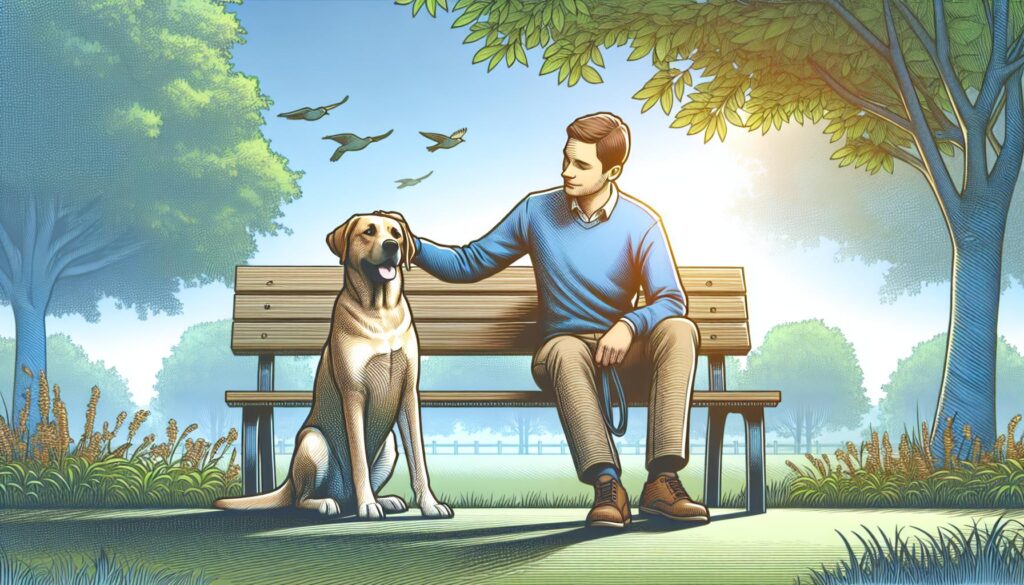
Building a deeper emotional connection with your dog isn’t just about extra treats and longer walks. It’s about understanding and responding to their unique needs, creating a bond that goes beyond the surface. This connection enhances not only your dog’s well-being but also enriches your own life, making every moment with your furry friend even more special.
From the gentle nudge of a wet nose to the wagging tail at your return, dogs have a way of communicating their affection and loyalty. But how do we reciprocate this love and strengthen the bond we share? The journey to a deeper emotional connection with your dog begins with simple, heartfelt actions that speak volumes about your care and commitment.
In the following guide, we’ll explore practical and meaningful ways to deepen your bond with your dog, ensuring a relationship filled with mutual love, respect, and understanding. Join us as we discover how to turn every day into an opportunity to grow closer to your loyal companion.
Understanding Your Dog’s Needs
Building a deeper emotional connection with your dog involves more than recognizing signs of affection; it requires a comprehensive understanding of their needs. Dogs, much like humans, have a variety of needs that, when met, significantly enhance their quality of life and strengthen the bond they share with their owners.
Physical Health
Maintaining your dog’s physical health is foundational. This includes:
- Regular Veterinary Visits: Ensuring your dog has annual check-ups to prevent or address health issues.
- Proper Nutrition: Feeding your dog a balanced diet suited to their age, size, and activity level.
- Adequate Exercise: Providing daily physical activity tailored to your dog’s breed and energy level.
Mental Stimulation
Keeping your dog’s mind active is as crucial as physical exercise. Ways to enhance mental stimulation include:
- Interactive Toys: Puzzle toys and games that challenge their problem-solving skills.
- Training Sessions: Short, enjoyable training sessions that teach new skills or tricks.
- Environmental Enrichment: Changes in their environment, such as new walking routes or play areas, to explore.
Emotional Well-being
Addressing your dog’s emotional needs fosters a deeper connection. Key areas include:
- Understanding Body Language: Learning to interpret your dog’s body language to gauge their emotions and respond appropriately.
- Quality Time Together: Spending uninterrupted time playing, cuddling, or simply being together.
- Consistent Routine: Providing a consistent daily routine that includes regular times for eating, playing, and sleeping.
Security and Comfort
Creating a sense of security and comfort for your dog ensures they feel safe and loved. This can be achieved by:
- Safe Spaces: Ensuring your dog has a quiet, comfortable place of their own.
- Familiarity and Predictability: Keeping major changes to a minimum and introducing new routines gradually.
- Socialization: Exposing your dog to various people, animals, and environments in a positive, controlled manner to build confidence and reduce anxiety.
Effective Communication Techniques
Building a deeper emotional connection with a dog hinges on successful communication. Achieving this involves more than just talking; it’s about creating a dialogue in which both parties, human and canine, understand and respect each other’s cues and needs.
Listening to Your Dog
Understanding a dog’s body language is fundamental. Dogs communicate volumes through their posture, tail position, ear placement, and eye contact. For instance, a relaxed posture with a wagging tail usually signifies happiness, whereas a tucked tail and lowered head may indicate fear or submission. Recognizing these signs allows owners to respond appropriately, enhancing the bond.
Positive Reinforcement
Positive reinforcement strengthens the connection between dogs and their owners. Using treats, praise, or affection as rewards for desired behavior not only teaches dogs what behaviors are expected but also shows them that communication with their human leads to positive outcomes. This method encourages dogs to repeat those behaviors, knowing they’ll receive love and approval.
Consistent Commands
Consistency is key in dog communication. Using the same words or signals for commands every time prevents confusion, making it easier for dogs to understand what’s expected of them. This clarity helps dogs feel more secure in their actions and interactions, deepening the trust in their relationship with their human.
Spending Quality Time Together
Quality time forms the cornerstone of any relationship, including that between a dog and its owner. Engaging in activities together, such as walking, playing, or training sessions, not only provides mental and physical stimulation for the dog but also fosters a deeper emotional connection. This shared time signals to dogs that they’re valued members of the family, increasing their sense of belonging and attachment.
Being Patient and Understanding
Finally, patience plays a crucial role in effective communication. Every dog is an individual, with its own personality and learning pace. Recognizing and respecting these differences, rather than expecting immediate understanding or compliance, shows dogs they’re loved and accepted for who they are. This unconditional support strengthens the emotional bond, creating a deeper connection rooted in mutual respect and understanding.
Adopting these communication techniques brings owners closer to their canine companions. By fostering an environment of clear, positive, and respectful dialogue, owners can ensure their dogs feel understood and valued, cementing a deep emotional bond that enriches both their lives.
The Power of Quality Time
Quality time plays a crucial role in fostering a deep emotional connection with your dog. It involves dedicated moments spent interacting positively with your canine friend, beyond the basics of care and maintenance. This dedicated time helps in understanding your dog’s unique personality and building a bond based on mutual love and respect.
Engaging in Playful Activities
Playful activities are vital for a dog’s physical and mental health. They stimulate the mind, release excess energy, and prevent boredom. Games like fetch, tug-of-war, or hide-and-seek not only entertain but also strengthen the bond between you and your dog. Observing how your dog plays and what games they enjoy most reveals their personality and preferences, allowing for a deeper connection.
Regular Walks and Outdoor Adventures
Walks provide more than just exercise; they’re opportunities for dogs to explore the world around them. By taking your dog on regular walks or engaging in outdoor adventures together, you’re providing them with mental stimulation and the chance to satisfy their innate curiosity and instincts. Whether it’s a leisurely stroll in the park or a challenging hike, these shared experiences bring joy and strengthen the bond with your dog.
Training Sessions as Bonding Time
Training sessions are not just for learning commands or improving behavior; they’re also a chance to spend quality time together. Using positive reinforcement techniques during training builds trust and mutual respect. Celebrating your dog’s successes, no matter how small, fosters a positive association with learning and obedience, deepening your emotional connection.
Quiet Time Together
Sometimes, quality time means simply being together without any distractions. Quiet moments spent petting, grooming, or even talking to your dog can be profoundly bonding. These calm interactions show your dog they’re valued and loved, reinforcing a sense of security and belonging. Paying attention to your dog’s reactions during these moments will guide you in providing comfort and reassurance when needed.
Quality time, therefore, is not merely about the quantity of moments spent together but about creating meaningful experiences that resonate with both you and your dog. It’s these shared experiences and understanding that contribute significantly to building a deeper emotional connection with your loyal companion.
Physical Touch and Affection
Building on the foundation of effective communication and quality time, physical touch and affection play a crucial role in deepening the emotional connection with your dog. Dogs, much like humans, thrive on physical contact, which can significantly enhance the bond between a pet and its owner.
Understanding Your Dog’s Comfort Levels
Before diving into the world of cuddles and pets, it’s essential to recognize and respect your dog’s comfort levels with physical touch. Not all dogs appreciate the same type of contact, and each has its own preferences and limits. Observing your dog’s reactions to different forms of touch allows you to understand what they enjoy and what they might not like as much.
Types of Physical Contact
- Petting: Starts with gentle strokes along your dog’s back or under their chin. It’s a simple yet effective way to show affection and can calm both the pet and the owner.
- Massage: Helps in relaxing tense muscles and can be a soothing experience for anxious or older dogs. It also offers a moment to check for any unusual lumps or signs of discomfort.
- Hugging: While not all dogs like being hugged, for those that do, it can be a powerful way to show your love and security, especially during moments of fear or uncertainty.
- Grooming: Acts as an extended form of petting that also maintains your dog’s physical health. Tasks like brushing or even a gentle bath can be bonding experiences.
Benefits of Physical Affection
The benefits of regular, consensual physical touch go beyond just feeling good. It helps in:
- Reducing stress and anxiety: Both for the dog and the owner, physical contact releases oxytocin, known as the “cuddle hormone,” which has a calming effect.
- Strengthening the bond: Physical affection reaffirms your love and trust, making your dog feel secure and valued.
- Improving health: Regular physical interaction can lower blood pressure and decrease feelings of loneliness.
- Start with short sessions of petting or massage, gradually increasing the duration based on your dog’s comfort and enjoyment.
- Incorporate affectionate touch daily, using it as positive reinforcement during training sessions or as a calm end to a playful day.
- Be mindful of your dog’s body language, stopping immediately if there are signs of discomfort or disinterest
Consistency in Care and Training
Building a deeper emotional connection with your dog extends beyond the realms of affection and touches the spheres of consistent care and effective training. Consistency in both areas not only nurtures trust but also sustains a stable environment for your dog, allowing them to feel secure and understood.
Establishing a Routine
Creating a daily schedule for feeding, walks, playtime, and rest is paramount. Dogs thrive on predictability, which reduces their anxiety and builds confidence in their relationship with their owners. When a dog knows what to expect and when, it reinforces their sense of security, laying a solid foundation for a deeper emotional bond.
Positive Reinforcement Training
Employing positive reinforcement techniques strengthens the bond between a dog and their owner significantly. Rewarding desired behaviors with treats, praise, or play encourages a dog to repeat those behaviors, fostering a positive learning environment. This method also enhances communication, enabling dogs to understand what is expected of them, thereby reinforcing the emotional connection.
Encouraging Mutual Respect through Boundaries
Setting clear boundaries is crucial for developing mutual respect. It involves teaching dogs acceptable behaviors in a firm, yet gentle, manner. When dogs understand their limits within the household, it eliminates confusion, reduces stress, and enhances the emotional bond through a respect-based relationship.
Consistent Communication
Consistent signals and commands during training and daily interactions play a critical role in strengthening the emotional connection. Avoiding mixed signals helps in creating a fluent language between an owner and their dog, which fosters an environment of understanding and trust.
Attentive Health and Wellness Care
Attending to a dog’s health and wellness needs consistently conveys care and empathy. Scheduling regular vet check-ups, ensuring a nutritious diet, and promptly addressing any signs of discomfort or illness show a dog they are valued and cared for. This attentive care strengthens the emotional bond as dogs feel safe and cherished in their owner’s care.
The intertwining of consistent care and effective training cultivates an environment where deep emotional bonds can flourish. By maintaining a routine, utilizing positive reinforcement, setting boundaries, communicating consistently, and prioritizing their health and wellness, owners cement a foundation of trust and affection that underpins a lasting emotional connection with their dogs.
Conclusion
Building a deeper emotional connection with your dog isn’t just beneficial—it’s a journey that enriches both your lives. Through understanding, communication, and a sprinkle of patience, you’ll find that the bond you share with your furry friend grows stronger each day. Remember, it’s the little moments that count, from a soothing pet to an engaging play session, each interaction is a step closer to a profound companionship. So, embrace these practices with open arms and an open heart, and watch as the relationship with your dog blossoms into something truly special.

Elizabeth Redd has been in Washington, D. C. since 1970. Welcome to "Pooch Wellness Path," your trusted guide to enhancing the well-being of your cherished furry friends. At the heart of our community lies a commitment to holistic wellness, combining comprehensive care with unconditional love.
We're here to offer you the latest nutrition, fitness, mental health, and preventive measures, lighting the way to peak health for your pet. Dive into our thriving network of dog lovers, where the happiness of our companions takes center stage.
We're all about sharing groundbreaking wellness tips and nurturing an environment where every dog thrives. Step into Pooch Wellness Path, where each joyful bark and wag is a testament to thriving health.