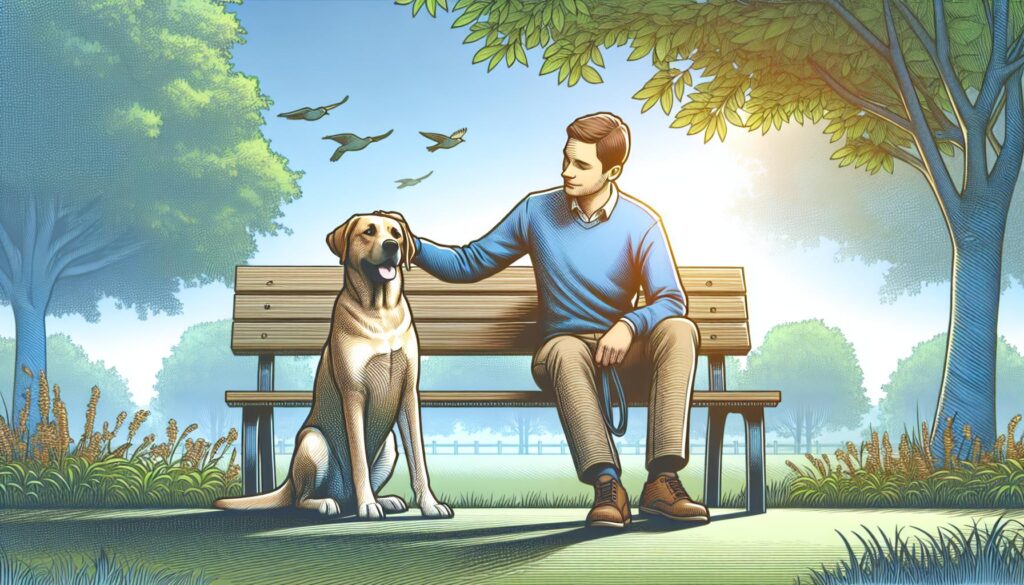
In multi-dog households, the harmony of a furry family can sometimes be disrupted by the green-eyed monster of jealousy. Just like humans, dogs can feel jealous, leading to behavioral issues that can disrupt the peace. Recognizing and managing these feelings in dogs is crucial for maintaining a happy and healthy home environment where all pets feel loved and valued.
Navigating the dynamics of a multi-dog household requires understanding the signs of jealousy and implementing strategies to mitigate it. With the right approach, pet owners can ensure that each dog receives the attention and care they need, fostering a sense of security and belonging for all. This article explores practical tips for identifying and addressing jealousy among dogs, ensuring that love, not rivalry, reigns supreme in your home.
Understanding Jealousy in Multi-Dog Households
Jealousy in multi-dog households often manifests through specific behaviors dogs exhibit when they feel their social status or the attention they receive from their owners is threatened by another dog. Recognizing these behaviors is the first step in managing jealousy effectively.
Identifying Jealous Actions
Several signs indicate jealousy among dogs, including aggression, such as growling, snapping, or biting, and attention-seeking behaviors like whining, nudging, or excessive barking. Dogs might also exhibit guarding behaviors, where they guard their owner, toys, or food from other dogs. Another sign is a sudden change in behavior; a dog that is normally relaxed and sociable may become withdrawn or aggressive.
Understanding the Causes
Jealousy stems from the desire for the exclusive attention of their owner or a specific resource. In a dog’s world, attention and resources like food, toys, and comfortable sleeping spots are valuable commodities. The introduction of a new dog into the household, a change in routine, or even the perception that one dog is favored over another can trigger jealousy.
Dogs are pack animals by nature, and their social structure dictates that resources, including attention from the pack leader (in this case, the owner), are critical to their wellbeing. When dogs feel that their position in the pack or access to resources is jeopardized, jealousy can occur.
Addressing the Root Causes
Understanding the root causes of jealousy in multi-dog households enables owners to address the issue effectively. It’s essential to ensure that each dog feels secure and confident in its position within the household. Owners can achieve this by spending quality time with each dog individually, maintaining a consistent routine, and ensuring that each dog has its own toys, bed, and feeding area.
Additionally, training plays a crucial role in managing jealousy. Teaching dogs commands such as “sit,” “stay,” and “leave it” promotes self-control and respect for boundaries, which are critical in preventing and managing jealous behaviors. Positive reinforcement techniques, such as treats and praise, should be used to reward good behavior, thereby reinforcing desired behaviors over jealous ones.
By recognizing the signs of jealousy and understanding its causes, owners can take proactive steps to manage and prevent jealousy in multi-dog households. This ensures all dogs feel loved, valued, and secure, promoting harmony and reducing conflict in the home.
Managing Jealousy Effectively
Managing jealousy in multi-dog households requires a blend of observation, understanding, and proactive steps to ensure each dog feels secure, loved, and equally important. Successful strategies include employing keen observation to recognize the first signs of jealousy, implementing fairness in showing affection, and establishing a routine that accommodates each dog’s needs.
Observing for Early Signs
Owners must stay vigilant, looking out for subtle changes in behavior that might indicate jealousy. Signs include but are not limited to, sudden aggression, attention-seeking behaviors, and resource guarding. Early detection allows for swift intervention, preventing escalation.
Ensuring Equal Affection and Attention
Distributing affection and attention evenly might seem straightforward but requires conscious effort. Owners should provide equal amounts of petting, cuddles, and playtime to each dog. It’s crucial to avoid favoritism, as dogs are quick to perceive inequality in affection, leading to jealousy.
Consistent and Fair Routine
Creating a consistent routine helps dogs understand what to expect, reducing anxiety and jealous behaviors. This routine should cover feeding, playtime, walks, and one-on-one sessions with each dog. Consistency in daily activities assures dogs of their place and routine in the household, minimizing conflicts.
Personalized Resources
Ensuring each dog has its own set of resources—such as bowls, beds, toys, and treats—reduces competition and jealousy. Personalized resources signify to each dog that they have their own secure space and belongings, emphasizing their unique place in the family.
Training and Positive Reinforcement
Training plays a pivotal role in managing and preventing jealousy. Commands that encourage patience and sharing, coupled with positive reinforcement, strengthen good behavior. Rewarding dogs for calm, non-jealous behaviors encourages them to repeat these actions. Techniques like clicker training or verbal praise, accompanied by treats, reinforce positive social interactions among dogs.
Encourage Individual Time
Spending individual time with each dog allows for strengthening bonds and addressing any hidden issues of insecurity or neglect that may fuel jealousy. These exclusive interactions can range from walks to training sessions or simply quiet cuddle times, enabling each dog to feel special and valued.
Professional Guidance
When jealousy problems persist or escalate, seeking professional help from animal behaviorists or trainers becomes essential. They offer specialized insight and strategies tailored to the specific dynamics of the multi-dog household, ensuring a peaceful and balanced environment.
Introducing New Dogs to the Household
Introducing a new dog into a household with existing canines requires careful planning and patience to ensure a smooth transition and minimize jealousy. The process involves several key steps designed to help new and resident dogs adjust to each other gradually, fostering a peaceful and harmonious environment.
Initial Preparation
Before the new dog arrives, it’s essential to prepare the household. Ensuring all dogs have their own personal space, including beds, toys, and feeding areas, helps reduce competition and territorial feelings.
First Introduction
The initial meeting between dogs should occur in a neutral area, away from the home, to prevent territorial aggression. A park or quiet walking path allows them to interact casually, reducing tension.
Controlled Environment
After the first introduction, further interactions should take place in controlled environments. These should be short and supervised sessions within the home, gradually increasing in length and frequency as the dogs become more comfortable with each other.
Observing Body Language
Owners must pay close attention to each dog’s body language during interactions. Signs of stress or aggression, such as stiffening, growling, or avoiding eye contact, require immediate intervention and possibly professional assistance.
Establishing a Routine
Maintaining a consistent routine for feeds, walks, and playtimes can significantly reduce jealousy and tension. Each dog should receive equal attention and opportunities to socialize and bond with the owner and other dogs in the household.
Reinforcement and Correction
Positive reinforcement, like treats and praise for calm and friendly behavior, encourages good interactions among the dogs. Conversely, negative behaviors need calm but firm correction, always avoiding physical punishment, which can exacerbate aggression and jealousy.
Professional Help
If jealousy or aggression issues persist despite careful introduction and management efforts, seeking advice from a behavioral expert or professional trainer is advisable. They can offer tailored strategies for addressing and resolving conflicts in multi-dog households.
By following these guidelines for introducing new dogs, owners can mitigate jealousy issues, ensuring all dogs feel secure, valued, and integrated into the family. This approach encourages a stable, happy coexistence in a multi-dog household, aligning with the primary goal of managing jealousy effectively.
Preventing Jealousy in the Future
After establishing the foundational measures for addressing jealousy among dogs in a multi-dog household, it’s crucial to turn attention toward preventing such feelings from arising in the future. Maintaining a serene environment where all dogs feel equally loved and valued involves continuous effort and adherence to specific practices.
Establish Clear Boundaries and Routines
Creating a consistent daily routine helps dogs understand what to expect, reducing anxiety and jealousy. This includes scheduled feeding times, walks, and play sessions. It’s equally important to enforce clear boundaries. Designating specific areas for each dog to eat, sleep, and play can prevent territorial disputes and foster a sense of security.
Provide Individual Attention
Despite a busy schedule, ensuring each dog receives individual attention is imperative. This can range from one-on-one walks to separate training sessions. Such practices underscore the unique bond between owner and each dog, affirming their individual importance within the family.
Promote Positive Associations
Introducing practices that encourage dogs to associate the presence of their canine siblings with positive outcomes can significantly reduce jealousy. This might involve giving treats to all dogs simultaneously or engaging them in group play sessions that end with rewards. Over time, they’ll begin to view each other’s company as leading to pleasant experiences.
Monitor Play and Interaction
Overseeing dog interactions, especially during play, helps in promptly identifying and correcting unwanted behaviors. If a dog begins to show signs of jealousy or aggression, intervening immediately with a distraction or correction dissuades such actions, reinforcing peaceful coexistence.
Reinforce Positive Behavior
Consistently rewarding dogs for displaying non-jealous, friendly behavior towards each other encourages repetition of those behaviors. Use treats, praise, or additional playtime as rewards for peaceful, cooperative interactions. This reinforcement helps in solidifying a peaceful dynamic among all household dogs.
Periodic Evaluation and Adjustment
Continuously assess the effectiveness of the implemented strategies for preventing jealousy. Observing changes in behavior or dynamics within the household provides insights that may necessitate adjustments to routines, boundaries, or the way attention and resources are distributed.
Seek Ongoing Professional Advice
Lastly, maintaining a relationship with a canine behaviorist for ongoing advice can be beneficial. They offer insights tailored to the unique personalities and dynamics of the dogs in the household, ensuring strategies remain effective and adaptable to changing circumstances.
Conclusion
Navigating jealousy in a multi-dog household can seem daunting at first. Yet with patience and consistency, it’s entirely possible to foster a peaceful environment where all dogs feel valued and secure. By setting clear boundaries and dedicating time to understand and cater to each dog’s needs, owners can significantly reduce the chances of jealousy taking root. Remember, it’s not just about preventing negative behaviors but about promoting a positive and loving atmosphere where every dog knows they’re an important part of the family. As each day brings new challenges, it’s also an opportunity to strengthen the bond between your dogs, ensuring they grow happier and more content in each other’s company.

Elizabeth Redd has been in Washington, D. C. since 1970. Welcome to "Pooch Wellness Path," your trusted guide to enhancing the well-being of your cherished furry friends. At the heart of our community lies a commitment to holistic wellness, combining comprehensive care with unconditional love.
We're here to offer you the latest nutrition, fitness, mental health, and preventive measures, lighting the way to peak health for your pet. Dive into our thriving network of dog lovers, where the happiness of our companions takes center stage.
We're all about sharing groundbreaking wellness tips and nurturing an environment where every dog thrives. Step into Pooch Wellness Path, where each joyful bark and wag is a testament to thriving health.