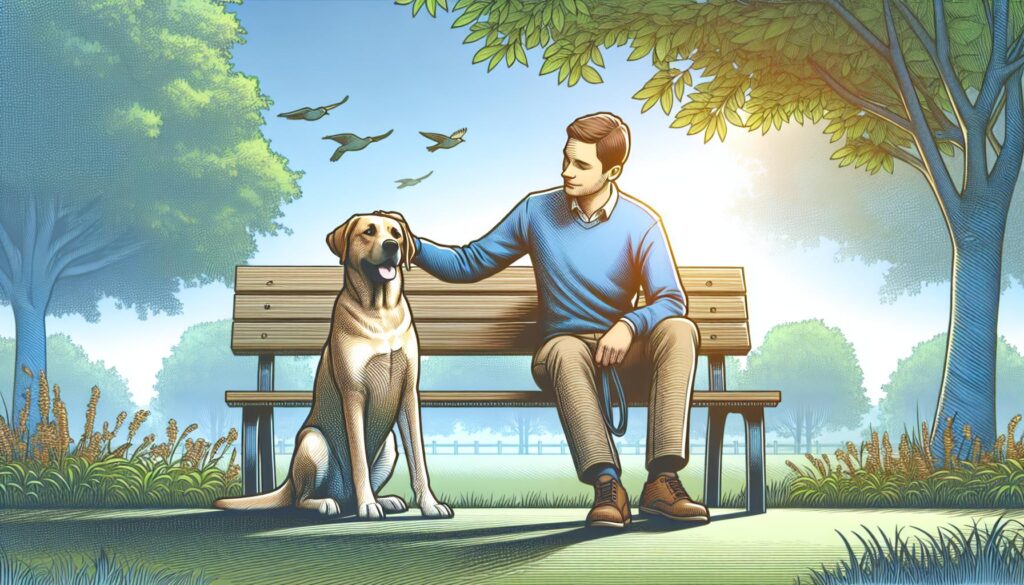
Watching a puppy grow and navigate the world is one of the most heartwarming experiences. From their first wobbly steps to their playful antics, every moment is filled with joy and curiosity. But beyond the adorable exterior, there’s a profound emotional journey that puppies undergo as they learn to socialize.
I’ve always been fascinated by how these little furballs develop their personalities and form bonds with humans and other animals. It’s a journey filled with excitement, challenges, and countless learning opportunities. In this article, I’ll share insights into the emotional milestones that shape a socialized puppy’s life and how these experiences lay the foundation for a well-adjusted, happy dog.
Understanding Puppy Socialization
The Basics of Socializing a Puppy
Puppy socialization involves exposing your puppy to various people, places, noises, and experiences. By doing this, they become confident and well-adjusted. Start socializing as early as possible, ideally between 3 and 14 weeks. During this period, puppies are most receptive to new experiences. Introduce them to different environments, such as parks and busy streets, and ensure they meet people of all ages, including infants and seniors.
Positive reinforcement is crucial. Use treats and praise to reward calm and positive behaviors when encountering new stimuli. Gradually increase the complexity of social experiences. Begin with quiet places before moving to busier areas. Be patient and consistent, as some puppies might need more time to adapt.
Key Developmental Stages for Puppies
Puppies go through several developmental stages that influence their socialization. The Neonatal Stage (0-2 weeks) is when they are blind and deaf and rely solely on their mother. The Transitional Stage (2-4 weeks) marks the opening of their eyes and ears, making them more aware of their surroundings.
The Socialization Stage (4-14 weeks) is critical. During this period, puppies learn to interact with humans, other animals, and their environment. The Juvenile Stage (3-6 months) is when they start to test boundaries, making it essential to continue socialization efforts. The Adolescent Stage (6-12 months) brings about increasing independence and energy; reinforce socialization to prevent behavioral issues.
Each stage presents unique challenges and opportunities for emotional growth. Tailor socialization activities to match your puppy’s developmental stage to foster a balanced and confident adult dog.
Emotional Impacts of Early Socialization
Building Confidence Through Exposure
Early exposure plays a pivotal role in building a puppy’s confidence. Puppies thrive when introduced to new environments, sights, sounds, and smells during their critical socialization period, typically between 3 and 14 weeks. Taking them on walks in bustling areas, exposing them to different surfaces like grass and concrete, and introducing them to household noises such as vacuum cleaners and dishwashers helps them become well-rounded. Engaging with various people and other animals also fosters social adaptability. Confident puppies become resilient adults able to handle life’s challenges with ease.
The Effects of Positive vs Negative Experiences
Positive experiences during early socialization are crucial for emotional development. Praising and rewarding puppies with treats when they respond well to new stimuli instills a sense of safety and trust. On the contrary, negative experiences can have lasting impacts. Harsh punishments or traumatic encounters may cause anxiety and fearfulness. Creating positive associations through gentle touch, kind words, and comforting interactions ensures puppies develop a secure, optimistic outlook. Balanced exposure, combined with positive reinforcement, cultivates emotionally stable and happy adult dogs.
Techniques for Socializing Puppies
Safe and Effective Socialization Methods
Introducing puppies to new environments helps them adapt to different situations. Controlled exposure ensures they have positive experiences without feeling overwhelmed. Introducing them to various sounds makes them less likely to develop noise phobias. For example, playing recordings of thunderstorms at low volumes can help puppies react calmly during actual storms.
Positive reinforcement encourages confident behavior. When puppies encounter new people or pets, rewarding calm demeanor with treats builds positive associations. Veterinarians and trainers often recommend using high-value treats to make these encounters significantly enjoyable for puppies.
Gradual exposure to different surfaces is important. Walking puppies on grass, pavement, and gravel helps them get used to different textures under their paws. To begin, limit each session to a few minutes and gradually increase the time as the puppy becomes more comfortable.
Incorporating Play and Discipline
Structured play sessions provide opportunities for learning and exercise. Playing games like fetch or tug-of-war not only keeps puppies physically active but teaches them important commands. Engage in play that encourages retrieving behaviors to enhance their obedience skills.
Balanced discipline establishes boundaries and ensures that puppies learn acceptable behavior. For instance, using a firm “no” or a gentle redirection when they nip or chew inappropriate objects teaches them what is off-limits. Immediate redirection with a suitable toy can reinforce what’s allowed.
Enrolling puppies in puppy kindergarten classes offers additional benefits. These classes provide structured socialization with other puppies and people in a controlled setting. Certified trainers guide both owners and puppies through exercises that promote good behavior and social skills.
By using these techniques, owners can help their puppies navigate their emotional journey, leading to well-rounded adult dogs.
Behavioral Outcomes of Proper Socialization
Long-term Benefits for Dog Behavior
Well-socialized puppies often become well-adjusted adult dogs. They display confidence in new environments. They’re less likely to develop aggressive behaviors. Exposure to various stimuli helps them handle stress better. Dogs accustomed to different sounds, surfaces, and situations tend to adapt more easily to changes. They typically form positive relationships with humans and other animals. A well-socialized dog is often more obedient. They understand boundaries and commands better, reducing the likelihood of behavioral issues.
Potential Issues from Lack of Socialization
Lack of socialization can lead to numerous behavioral problems. Dogs may develop severe anxiety in unfamiliar settings. They might show fear aggression towards strangers or other animals. Unfamiliar sounds and environments can trigger overreactions. Poorly socialized dogs might struggle with basic obedience. They may become overly protective of their owners. This can lead to biting or barking excessively. Dogs not exposed to different surfaces and environments might be hesitant or fearful during walks. Their lack of confidence can make veterinary visits stressful for both the dog and their owner.
Conclusion
Watching a puppy grow into a confident and well-adjusted dog is one of the most rewarding experiences. By investing time in their early socialization, we’re setting them up for a lifetime of positive interactions and adaptability. It’s amazing to see how structured play sessions and controlled exposures can shape their behavior. Remember, every bit of effort we put into their early experiences pays off in the long run. So let’s cherish these moments and enjoy the journey of raising a happy, socialized puppy together!

Elizabeth Redd has been in Washington, D. C. since 1970. Welcome to "Pooch Wellness Path," your trusted guide to enhancing the well-being of your cherished furry friends. At the heart of our community lies a commitment to holistic wellness, combining comprehensive care with unconditional love.
We're here to offer you the latest nutrition, fitness, mental health, and preventive measures, lighting the way to peak health for your pet. Dive into our thriving network of dog lovers, where the happiness of our companions takes center stage.
We're all about sharing groundbreaking wellness tips and nurturing an environment where every dog thrives. Step into Pooch Wellness Path, where each joyful bark and wag is a testament to thriving health.