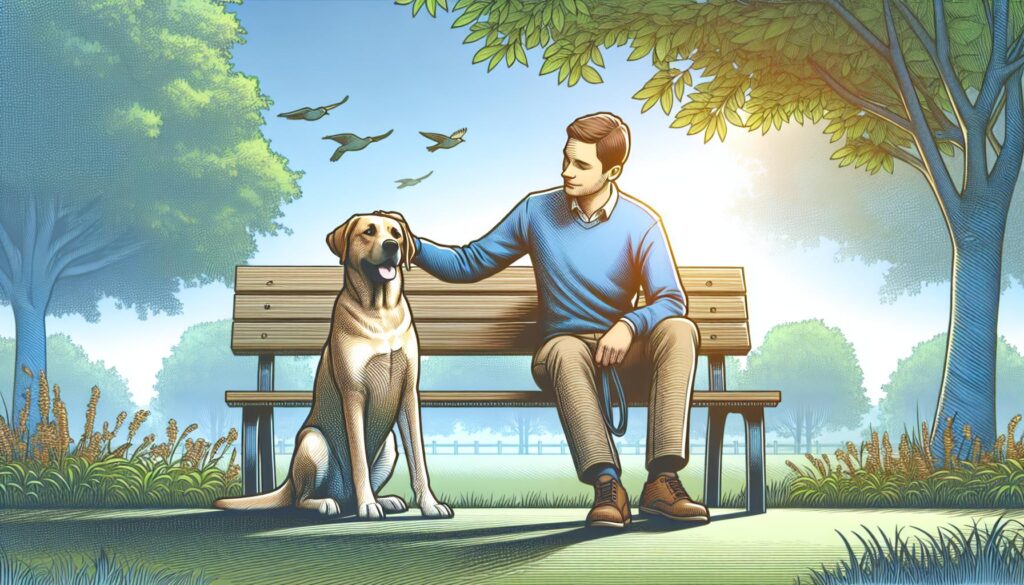
Bringing a puppy into your home is like welcoming a new member of the family, full of energy and curiosity. But did you know that how you socialize your puppy can make a huge difference in their emotional well-being? Socializing isn’t just about getting them to play nicely with other dogs; it’s about helping them feel safe and confident in a variety of situations.
When I first got my puppy, I quickly realized that a well-socialized dog is a happier one. By exposing them to different people, places, and experiences early on, you’re setting the foundation for a lifetime of emotional stability. It’s not just about avoiding behavioral problems—it’s about enriching their lives and yours.
Importance of Socializing Puppies
Benefits to Emotional Health
Socializing puppies benefits their emotional health in numerous ways. First, it reduces fear and anxiety. When puppies get familiar with different environments, sounds, and individuals, they’re less likely to become fearful or anxious as adults. Second, socialization fosters confidence. Confident puppies are more adventurous and happier because they feel secure in various situations. Lastly, it helps in creating positive associations. Puppies that consistently meet new people and animals in a positive manner develop a more optimistic outlook.
Long-term Behavioral Advantages
Long-term behavioral advantages are significant when puppies are properly socialized. First, it prevents aggression. Puppies that learn to interact with other dogs, people, and situations are less likely to develop aggressive behaviors. Second, socialization leads to better adaptability. Socialized puppies handle changes in their environment, such as moving to a new home or adjusting to a new family member, more smoothly. Lastly, it improves mental stimulation. Engaging with different settings and creatures keeps puppies’ minds active, reducing the likelihood of boredom-induced destructive behaviors.
Creating a Happier Living Environment
Creating a happier living environment is achievable through early socialization. First, it strengthens the bond between the puppy and the owner. Shared positive experiences during socialization build trust and affection. Second, a well-socialized puppy integrates more easily into family routines and activities. Whether it’s a trip to the park or a family gathering, a socialized puppy feels comfortable and excited to participate. Lastly, it reduces stress for the owner. Knowing the puppy can handle various scenarios calmly and happily brings peace of mind to any pet owner.
Key Stages in Puppy Socialization
Neonatal To 12 Weeks
Puppies experience critical growth during their first three months. At this stage, introduce them to various stimuli like new people, places, and objects. Early exposure helps reduce future fears and anxieties. Make sure they interact with different surfaces, sounds, and scents. Create positive interactions with various age groups and other pets. Early and diversified interaction promotes adaptability.
Three To Six Months
From three to six months, puppies begin to explore more actively. Schedule regular social activities to continue their learning. Enroll them in puppy classes for structured interactions with other dogs. Focus on basic training commands and reinforce positive behaviors consistently. Create safe playdates with well-behaved dogs to improve social skills. This stage is crucial for solidifying good habits and minimizing negative behaviors.
Methods of Socializing Puppies
Human Interaction
Engaging puppies with human interaction builds trust and confidence. Talking to them in a calm, friendly voice promotes a sense of security. Handling puppies frequently helps them get used to human touch. Gently holding their paws, stroking their fur, and checking their ears familiarizes them with common human movements. Introducing puppies to various people, including children, adults, and seniors, encourages adaptability.
Organizing short, pleasant encounters with visitors helps puppies become comfortable with new faces. Rewarding puppies with treats and praise during these interactions reinforces positive behaviors. Taking puppies to public places like parks and pet-friendly stores exposes them to different environments and social settings.
Exposure to Other Animals
Interacting with other puppies and animals enhances a puppy’s social skills. Safe playdates with other vaccinated puppies teach them appropriate play behavior and bite inhibition. Supervised interactions with well-behaved older dogs provide learning experiences about canine social cues.
Exposing puppies to different types of animals, such as cats, birds, and small pets, reduces future fears. Always monitor these encounters to ensure safety and prevent negative experiences. Including positive reinforcement, like treats and praise, during these interactions fosters good associations.
Regular visits to dog parks offer opportunities for puppies to meet and play with various dogs. Ensuring a positive experience in these settings is essential for developing a well-rounded, sociable puppy.
This section outlines essential methods to socialize puppies through human interaction and exposure to other animals, reinforcing positive behavior, reducing fears, and fostering adaptability.
Challenges and Solutions in Socializing Puppies
Common Obstacles
Identifying common obstacles helps streamline the socialization process. Fear-related behaviors often present the first challenge. Puppies may react timidly to new stimuli, leading to avoidance or distress. Another obstacle involves timing, as the optimal socialization window closes around 12 weeks. Missing this window can result in long-term behavior issues. Health restrictions also play a role; puppies without full vaccinations might have limited interaction opportunities.
Effective Strategies and Tips
Implementing effective strategies can address socialization challenges. Gradual exposure is key; introducing new stimuli slowly helps puppies build confidence. Using positive reinforcement, such as treats or praise, encourages desired behaviors. Structured playdates with vaccinated puppies and supervised interactions with well-mannered adult dogs introduce social dynamics safely.
Creating a routine fosters a sense of security. Regularly scheduled walks in diverse environments expose puppies to different sights, sounds, and smells. Enrolling in puppy socialization classes offers structured and supervised environments for interaction. These methods ensure a balanced approach to socialization, promoting happier emotional lives for puppies.
Conclusion
Socializing your puppy is one of the best investments you can make in their emotional well-being. It sets them up for a life filled with confidence and positive interactions. Remember it’s all about creating those positive experiences and gradually exposing them to the world around them.
Challenges will come but with patience and the right strategies you can help your puppy navigate them successfully. Structured playdates and socialization classes can be game-changers.
Let’s give our furry friends the happy emotional lives they deserve by making socialization a priority. Your puppy will thank you with wagging tails and joyful barks!

Elizabeth Redd has been in Washington, D. C. since 1970. Welcome to "Pooch Wellness Path," your trusted guide to enhancing the well-being of your cherished furry friends. At the heart of our community lies a commitment to holistic wellness, combining comprehensive care with unconditional love.
We're here to offer you the latest nutrition, fitness, mental health, and preventive measures, lighting the way to peak health for your pet. Dive into our thriving network of dog lovers, where the happiness of our companions takes center stage.
We're all about sharing groundbreaking wellness tips and nurturing an environment where every dog thrives. Step into Pooch Wellness Path, where each joyful bark and wag is a testament to thriving health.