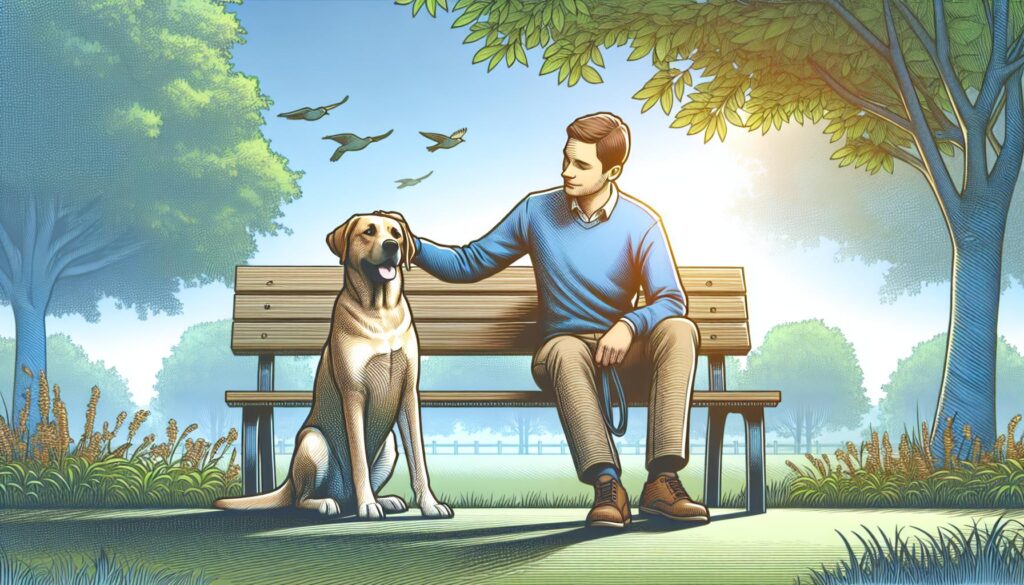
Dogs, just like humans, experience stress and anxiety, but they communicate it in ways that aren’t always immediately obvious to us. Recognizing the signs of stress in your furry friend is crucial for their well-being and can strengthen the bond between you. From the subtle to the more overt, dogs have their own language of discomfort that, once understood, can transform how you interact with them.
This article dives into the world of canine communication, shedding light on how to spot those stress signals your dog is sending out. Whether it’s through body language, vocalizations, or changes in behavior, understanding these cues is the first step toward offering the support and comfort they need. With a little insight and attentiveness, you’ll be better equipped to respond to your dog’s emotional state, ensuring a happier, healthier life together.
Understanding Stress in Dogs
Recognizing stress in dogs involves observing various behaviors and physical responses that may indicate discomfort or anxiety. Dogs express stress in several ways — from subtle changes in body language to more overt signs. Understanding these signals can help dog owners provide timely support and prevent further distress.
Body Language
Body language is a key indicator of stress in dogs. Signs to look out for include:
- Ears pinned back: This usually indicates fear or anxiety.
- Tail tucked: A tucked tail can show that a dog is scared or uncomfortable.
- Pacing or trembling: These behaviors often mean a dog is stressed or anxious.
- Avoiding eye contact: Dogs avoiding eye contact may be feeling overwhelmed or threatened.
- Lip licking and yawning: These are more subtle cues that a dog might be feeling stressed.
Vocalizations
Dogs also communicate stress through vocalizations. Understanding these sounds can provide insights into a dog’s emotional state.
- Whining or whimpering: These sounds often express unease or discomfort.
- Barking: While barking can have many meanings, repetitive or high-pitched barking can indicate stress.
- Growling: This is a clear sign of distress and a warning that a dog may feel threatened.
Changes in Behavior
Shifts in a dog’s usual behavior patterns can further indicate stress. Significant changes include:
- Decreased appetite: If a dog suddenly loses interest in food, it could be a sign of stress or anxiety.
- Changes in sleeping patterns: More sleep than usual or insomnia can both signal stress.
- Increased shedding: Some dogs may shed more when they are stressed.
- Destructive behavior: Chewing, digging, or destructive behavior may increase when a dog feels stressed.
Recognizing these signs is the first step in responding appropriately to a dog’s stress. Once identified, owners can take measures to alleviate their pet’s distress, such as providing a safe, quiet space for them to retreat to, increasing physical activities like walks and playtime to help them release pent-up energy, or consulting with a veterinarian or a dog behaviorist for professional guidance. Understanding stress in dogs not only helps in reducing their anxiety but also strengthens the bond between dogs and their owners, leading to a happier and healthier life for both. Recognizing and responding effectively to stress signals ensures dogs live a well-balanced and contented life.
Recognizing Your Dog’s Stress Signals
In understanding how dogs communicate distress, recognizing the signs of stress is crucial. Dogs can’t tell their owners when they’re feeling anxious or stressed, so they rely on a variety of stress signals that can sometimes go unnoticed. Paying attention to these indicators will enable one to act quickly, mitigating their pet’s stress and improving their overall well-being.
Body Language
Dogs express much of their emotional state through their body language. Key stress signals include:
- Tail Position: A tail tucked between the legs indicates fear or anxiety, whereas a stiff, wagging tail might suggest agitation.
- Ears: Depending on the breed, stressed dogs often pin their ears back against the head.
- Eyes: Dilated pupils or the whites of the eyes showing (whale eye) can be a sign of stress.
- Posture: A lowered body or cowering can indicate a dog is trying to make itself smaller due to stress.
Vocalizations
Dogs use various sounds to express their feelings, many of which can point to stress:
- Whining and Barking: An increase in whining or barking without an apparent cause can signal anxiety.
- Growling: This can indicate discomfort. It’s a dog’s way of saying it needs space.
- Sighing: Sometimes, a dog will sigh deeply, which, if not related to relaxation, can suggest disappointment or mild stress.
Behavioral Changes
Changes in behavior often accompany stress in dogs, including:
- Pacing or Restlessness: An inability to settle might show that a dog is under stress.
- Licking or Yawning: Excessive licking or yawning, especially when not tired or hungry, can be a sign of stress.
- Changes in Appetite: A sudden lack of interest in food may indicate a stressed dog.
- Destructive Behavior: Chewing on furniture or digging can be a dog’s attempt to relieve stress.
How to Respond to Your Dog’s Stress Signals
Responding effectively to a dog’s stress signals plays a critical role in alleviating their discomfort and ensuring their well-being. Following the identification of stress indicators such as ears pinned back, whining, and changes in behavior, dog owners can take several steps to help their pets.
Offer a Safe Space
Creating a quiet and comfortable area where the dog can retreat offers a sense of security. This space, ideally a familiar room or a crate that the dog views as safe, should be readily accessible whenever they feel overwhelmed or anxious.
Maintain Routine
Dogs thrive on routine, which provides them with stability and predictability. Keeping a consistent schedule for feeding, walks, and playtime can significantly reduce stress levels in dogs by removing uncertainties that may cause anxiety.
Use Calming Techniques
Several calming techniques can aid in reducing a dog’s stress. Gentle petting, speaking in a soft, soothing voice, and using products designed to calm dogs, like pheromone diffusers or calming chews, can help soothe a stressed pet.
Encourage Positive Associations
Introducing positive experiences in situations that typically cause stress can alter a dog’s emotional response. For example, if a dog experiences anxiety during vet visits, offering treats and praise during these outings can create positive associations, helping to ease future stress.
Exercise and Mental Stimulation
Regular physical exercise and mental stimulation play a crucial role in managing stress in dogs. Activities such as walks, play sessions, and puzzle toys not only help in expending pent-up energy but also keep the dog’s mind engaged, diverting it from stressors.
Seek Professional Help
When stress signals persist or if a dog’s response to stress seems extreme, consulting a veterinarian or a professional dog trainer is advisable. These experts can help identify the root of the stress and recommend specific strategies or treatments, including behavior modification programs or medication for severe cases.
Adopting these measures in response to a dog’s stress signals helps mitigate their anxiety and strengthens the bond between dogs and their owners. It’s a step towards fostering a healthier, happier life for pets, rooted in understanding and empathy. Recognizing and addressing these signs of stress promptly ensures that dogs receive the support they need, reinforcing a nurturing and secure environment for them.
Preventing Stress in Dogs
Preventing stress in dogs centers around creating a stable, secure environment and meeting their physical and emotional needs. Owners play a crucial role in recognizing potential stressors and taking proactive measures to mitigate them. Key strategies include establishing a predictable routine, socialization, proper nutrition, regular veterinary care, and fostering a supportive environment.
Establishing a Predictable Routine
Dogs thrive on routine as it gives them a sense of security. Consistent feeding times, walks, play sessions, and bedtime help prevent stress by removing uncertainty from their day-to-day lives. When dogs know what to expect, they exhibit fewer signs of anxiety.
Socialization and Training
Exposing dogs to various people, animals, environments, and experiences, especially during their formative puppy years, can significantly reduce stress in unfamiliar situations later in life. Socialization should be positive and gradual to prevent overwhelming the dog. Training dogs using positive reinforcement builds their confidence and strengthens the owner-dog bond, making them less prone to stress.
Proper Nutrition and Regular Veterinary Care
A balanced diet tailored to a dog’s age, breed, and health status contributes to their overall well-being and helps in preventing stress related to health issues. Regular check-ups with a veterinarian ensure that any health problems are detected and treated early, reducing stress on both the dog and the owner.
Fostering a Supportive Environment
Creating a safe space at home where dogs can retreat when they feel overwhelmed is essential. This could be a quiet room or a crate where they’re not disturbed. Toys and puzzles that stimulate their minds can also help relieve stress. Owners should pay attention to their dog’s body language and provide comfort and space as needed.
Exercise and Mental Stimulation
Physical activity is crucial for a dog’s mental and physical health. Regular walks, playtime, and exercise tailored to their breed and age can help prevent boredom and stress. Mental stimulation, such as training sessions, puzzle toys, and safe chew toys, keeps their mind engaged and satisfied, reducing anxiety and destructive behaviors.
By adopting these strategies, owners can prevent many common stressors for dogs, enhancing their quality of life and reinforcing a positive, healthy relationship with their pets. Recognizing the importance of routine, socialization, health care, a supportive environment, and adequate physical and mental stimulation plays a key role in preventing stress in dogs.
Conclusion
Recognizing and responding to your dog’s stress signals is a vital part of ensuring they lead a happy and healthy life. By understanding the subtle ways dogs communicate their discomfort, owners can take proactive steps to alleviate their stress. Whether it’s through maintaining a stable environment, engaging in positive training, or simply providing the right amount of exercise and mental stimulation, every action counts towards building a stronger bond with your furry friend. Remember, a stress-free dog is a happy dog, and a happy dog makes for a joyful home. Let’s put these strategies into practice and make our dogs’ lives as fulfilling as they make ours.

Elizabeth Redd has been in Washington, D. C. since 1970. Welcome to "Pooch Wellness Path," your trusted guide to enhancing the well-being of your cherished furry friends. At the heart of our community lies a commitment to holistic wellness, combining comprehensive care with unconditional love.
We're here to offer you the latest nutrition, fitness, mental health, and preventive measures, lighting the way to peak health for your pet. Dive into our thriving network of dog lovers, where the happiness of our companions takes center stage.
We're all about sharing groundbreaking wellness tips and nurturing an environment where every dog thrives. Step into Pooch Wellness Path, where each joyful bark and wag is a testament to thriving health.