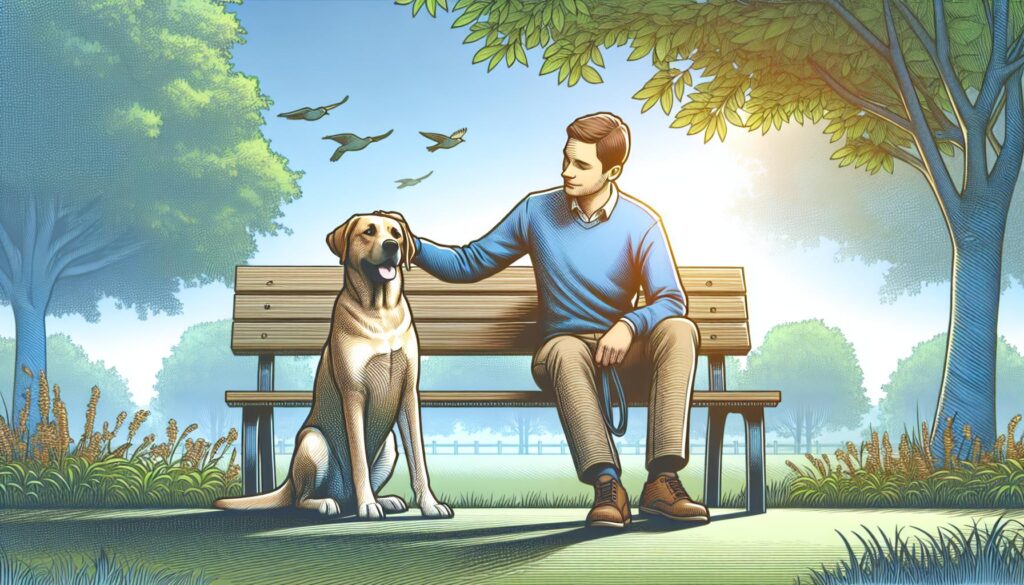
Dogs are more than just pets; they’re family members who communicate in their own unique way. Understanding your dog’s emotional signals is key to strengthening the bond between you and your furry friend. From the wag of a tail to a subtle shift in posture, every gesture and expression can reveal how they’re feeling. But interpreting these signals isn’t always straightforward.
This article dives into the fascinating world of canine communication, offering insights into what your dog might be trying to tell you. Whether they’re feeling joyful, scared, or something in between, learning to read these cues can enhance your relationship and ensure your dog’s well-being. It’s like learning a new language, one that deepens the connection between you and your four-legged companion.
Understanding Your Dog’s Body Language
Interpreting your dog’s body language involves noticing various signals and understanding what each might mean. Recognizing these signs enables owners to respond appropriately, ensuring their dog’s comfort and happiness. Here’s a closer look at the primary components of dog body language and their potential interpretations.
Tail Movement
- Wagging: Often signifies happiness or excitement if the wagging is broad and involves the whole body. However, a stiff, slow wag may indicate uncertainty or a heightened sense of alertness.
- Tucked Tail: Usually reflects fear or submission, indicating the dog feels threatened or uncomfortable.
Eyes
- Soft and Relaxed: Signify contentment or a relaxed state. Dogs often gaze lovingly at their owners when feeling happy or seeking attention.
- Hard Stare: Can indicate aggression or an impending threat from the dog’s perspective. It usually means, “Back off.”
Ears Position
- Forward: Indicates interest or, sometimes, aggression, depending on the context and other body signals.
- Pulled Back: May show fear, submission, or friendliness. It’s essential to consider the whole body posture to understand the message accurately.
Mouth and Facial Expressions
- Open Mouth and Relaxed: Generally means the dog is calm and happy. Panting might simply indicate heat or exertion.
- Pulled Back Lips or Showing Teeth: Could signal aggression or fear, depending on other body signals like growling or ears pinned back.
Body Posture
- Play Bow: With the front end down and the hindquarters up, this posture invites play and indicates a happy, excited dog.
- Stiff and Still: Often a sign of tension or preparedness for action, it could be defensive or aggressive, urging caution.
- Rolling Over: Can indicate submission or trust when a dog exposes its belly, but it might also be a request for belly rubs.
- Barking: Can convey various emotions, from warning or defense to excitement and playfulness, depending on the tone, pitch, and situation.
- Whining or Whimpering: Often shows anxiety, distress, or a desire for attention and comfort.
- Growling: Generally indicates aggression or fear, signaling that the dog is uncomfortable and needs space.
Vocalizations and What They Mean
Dogs use a variety of vocalizations to communicate their emotional states to their owners. Recognizing these sounds can provide deeper insights into a dog’s feelings and what they might need. Here’s a breakdown of common dog vocalizations and their associated meanings.
Barking
Barking is one of the most recognized dog vocalizations, with several meanings depending on tone, duration, and context.
- Alert/Warn: A dog barks in sharp, short bursts to alert their owner to something unusual or to warn off a perceived threat.
- Attention-seeking: Longer, more persistent barking often indicates a dog’s desire for attention, whether for food, play, or companionship.
- Anxiety: High-pitched barks, especially when accompanied by pacing or whining, can signal anxiety or distress.
Whining and Whimpering
These vocalizations are usually expressions of need or desire from a dog.
- Discomfort or Pain: A sustained, high-pitched whine may indicate that a dog is in pain or experiencing discomfort.
- Appeasement or Submission: Soft whining can also be a sign of submission or an attempt to appease a more dominant dog or human.
- Excitement: Dogs may also whimper or whine in high-pitched tones when excited or eager, often during greetings or when anticipating a walk or playtime.
Growling
Growling serves as a warning and is an important signal for owners to respect.
- Fear or Discomfort: A growl can indicate that a dog feels threatened or is uncomfortable with a situation or person’s presence.
- Protection: Dogs may also growl to protect their territory, food, or belongings from perceived threats.
Howling
Howling is another form of vocal communication that dogs use, often influenced by their environment or ancestry.
- Response to Sounds: Some dogs howl in response to certain sounds, such as sirens or musical instruments, mimicking the pitches they hear.
- Separation Anxiety: Howling can also be a sign of separation anxiety, indicating a dog’s distress when left alone.
Physical Gestures and Their Interpretations
Building on the understanding of vocal cues in dogs, it’s crucial to delve into the silent, yet expressive, world of physical gestures. These gestures, ranging from tail wags to nuanced ear movements, provide invaluable insights into a dog’s emotional state. Recognizing and interpreting these signals accurately can significantly enhance the bond between dogs and their owners.
Tail Movements
- Wagging Tail: Often signifies happiness or excitement. A tail wagging more vigorously on the right side can indicate positive emotions, whereas a left-sided wag might suggest negative feelings.
- Tucked Tail: Indicates fear, submission, or anxiety. Dogs tuck their tails between their legs when they feel threatened or uncomfortable.
- Stiff, High Tail: Shows alertness or arousal. It may signal aggression if coupled with other warning signs like a fixed gaze or bared teeth.
Ear Positions
- Erect Ears: Display alertness or interest. When a dog’s ears are forward, it’s paying close attention to its environment or sounds.
- Flattened Ears: Suggest fear, submission, or anxiety. Ears pinned back against the head often accompany a desire to avoid confrontation.
- Rotating Ears: Indicate curiosity and engagement, as the dog tries to pick up sounds from various directions.
Mouth and Facial Expressions
- Open, Relaxed Mouth: Usually means a dog is calm and happy. This expression is often seen during play or when the dog is relaxed in its environment.
- Pulled Back Lips: Can imply stress, fear, or submission. When a dog pulls back its lips to show the teeth in a non-aggressive manner, it’s demonstrating submissiveness or anxiety.
- Yawning or Licking Lips: These signals might indicate stress or nervousness, especially if there are no usual triggers for these behaviors like tiredness or food presence.
- Play Bow: Front legs stretched forward, hind end up. This universal sign of wanting to play is easy to recognize and reflects a happy, playful mood.
- Crouched, Low Body: Shows fear or submission. A dog making itself small tries to appear less threatening and may be feeling scared or nervous.
- Rigid Body: A sign of alertness or potential aggression. A stiff posture, especially when combined with a fixed stare or curled lips, warrants careful attention and space.
Context Matters in Interpretation
Interpreting a dog’s emotional signals accurately involves understanding the context in which these signals occur. Dogs use a combination of vocalizations, body language, and facial expressions to communicate, but these signals can mean different things in different situations. Recognizing the importance of context helps owners respond more appropriately to their dogs’ needs and strengthens the human-canine bond.
Assessing the Environment
The immediate environment plays a crucial role in interpreting a dog’s emotional signals. For instance, a dog’s bark can signify excitement if it happens during playtime or anxiety if it occurs in a new or loud environment. Similarly, tail wagging in familiar surroundings often indicates happiness, whereas the same behavior in an unfamiliar setting could signal nervousness or apprehension.
Considering Past Experiences
A dog’s past experiences can also influence the interpretation of their emotional signals. Dogs with traumatic backgrounds may display signs of fear or aggression in situations that would not affect other dogs. Recognizing these nuances is vital for providing the appropriate support and reassurance to dogs with such histories.
Observing Consistent Patterns
Consistency in behavior provides clues to a dog’s emotional state. For example, a dog that consistently whines when left alone may be experiencing separation anxiety. Observing patterns over time allows owners to distinguish between one-off behaviors and consistent signals that might indicate deeper emotional states or needs.
Looking at the Entire Picture
To accurately interpret a dog’s emotional signals, it’s essential to consider the whole picture, including body language, facial expressions, and vocalizations, in conjunction with the current context. A stiff body, flattened ears, and exposed teeth might signal aggression or fear, while a relaxed posture, soft eyes, and a gently wagging tail typically indicate contentment or happiness.
By paying attention to the context in which a dog’s emotional signals occur, owners can become more adept at understanding their canine companions. This understanding leads to better responses to dogs’ needs, enhancing their well-being and deepening the bond between dogs and their owners. Interpretation rooted in context ensures that the caregiver’s reactions are as accurate and supportive as possible, fostering a positive and enduring relationship with their furry friend.
Improving Your Response to Your Dog’s Emotions
Improving one’s response to a dog’s emotional signals involves recognizing these cues and responding appropriately to fulfill their needs or alleviate their distress. Building on the understanding of dog body language and vocalizations, owners can enhance their reactions in several ways to support their pet’s emotional well-being.
Pay Attention to Context
Paying attention to context is crucial for accurately interpreting a dog’s emotional state. A tail wag in one situation might indicate happiness, whereas, in another context, it could signify nervousness. Owners should consider the environment, timing, and what has recently occurred in the dog’s life. For instance, a dog that whines as a visitor arrives might be expressing excitement or anxiety, depending on whether they are familiar with the person.
Offer Comfort and Reassurance
Offering comfort and reassurance when a dog shows signs of fear or anxiety can help calm them. This includes speaking in a gentle, soothing tone and providing physical comfort through petting or cuddling, if the dog finds it reassuring. However, it’s essential to recognize when a dog prefers space to calm down on their own.
Reinforce Positive Signals
Reinforcing positive emotional signals with praise, treats, or play reinforces behaviors that indicate happiness and contentment. Rewarding a dog when they show signs of relaxation or joy encourages them to express these emotions more frequently, contributing to a positively reinforced cycle of communication and emotional expression.
Addressing Negative Emotions Constructively
Addressing negative emotions like fear, aggression, or anxiety involves identifying the cause and working towards a solution. If a dog growls or shows signs of discomfort in specific situations, avoiding or slowly desensitizing them to these triggers can prevent stress. Seeking the assistance of a professional dog trainer or behaviorist might be necessary for severe cases.
Be Consistent and Patient
Consistency and patience in responding to a dog’s emotional cues are vital. Dogs learn and adjust their behavior based on their owner’s responses. Being consistent in reactions helps dogs understand which behaviors are desirable. Patience is also crucial, as changes in behavior and emotional expression can take time.
By employing these strategies, owners can improve their response to their dog’s emotions, leading to a more harmonious and understanding relationship. Acknowledging and addressing a dog’s emotional needs fosters a deeper bond, ensuring a happy, well-adjusted companion.
Conclusion
Understanding your dog’s emotional signals is a journey that deepens the bond between you and your furry friend. By paying close attention to their body language and vocalizations, you’re not just responding to their immediate needs but also building a foundation of trust and mutual respect. Remember, every dog is unique, and learning to interpret these signals accurately takes time, observation, and patience. As you grow more in tune with your dog’s emotions, you’ll find your relationship with them becoming more enriching and joyful. So keep observing, keep learning, and enjoy the beautiful journey of companionship with your beloved canine.

Elizabeth Redd has been in Washington, D. C. since 1970. Welcome to "Pooch Wellness Path," your trusted guide to enhancing the well-being of your cherished furry friends. At the heart of our community lies a commitment to holistic wellness, combining comprehensive care with unconditional love.
We're here to offer you the latest nutrition, fitness, mental health, and preventive measures, lighting the way to peak health for your pet. Dive into our thriving network of dog lovers, where the happiness of our companions takes center stage.
We're all about sharing groundbreaking wellness tips and nurturing an environment where every dog thrives. Step into Pooch Wellness Path, where each joyful bark and wag is a testament to thriving health.