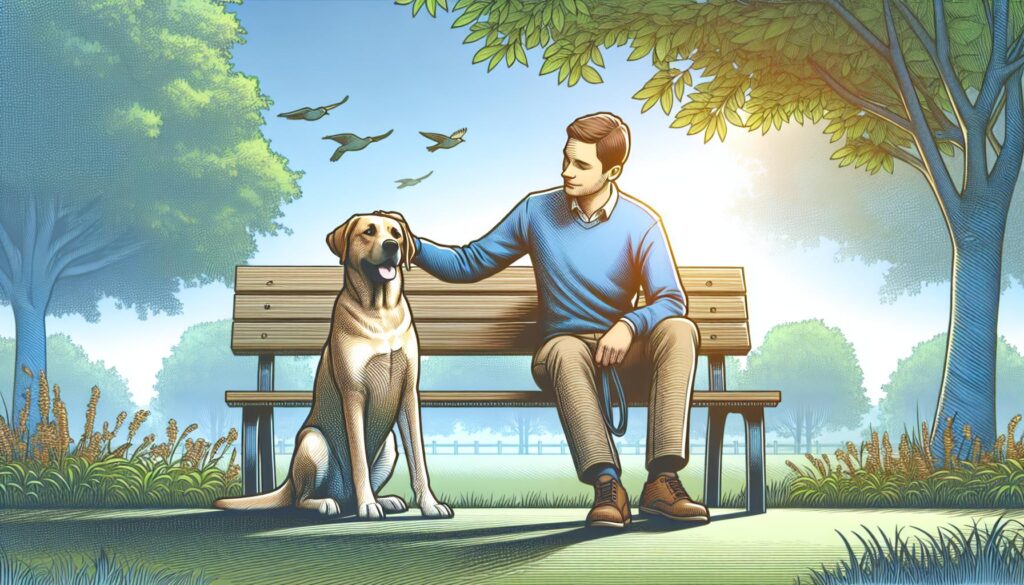
When a dog loses a companion, whether it’s a fellow pet or a beloved human, their world turns upside down. Just like humans, dogs grieve, displaying signs of sadness, loss of appetite, or changes in sleep patterns. Recognizing these signs of grief is the first step in helping a furry friend navigate through their sorrow.
Comforting a grieving dog requires patience, understanding, and a gentle approach. It’s not just about extra treats or longer walks; it’s about providing a supportive environment that acknowledges their loss and helps them adjust. With the right tips and strategies, owners can ease their dog’s pain and guide them back to their happy, wagging tails.
In the journey of healing, understanding the emotional needs of a grieving dog is key. Let’s explore how to offer comfort and support to a furry friend in need, ensuring they feel loved and secure even in the midst of their grief.
Understanding Grief in Dogs
Grieving dogs exhibit various behaviors that signal their distress. Recognizing these signs is the first step to providing the necessary support to help them navigate through their sorrow. Dogs do not express grief in the same way humans do, making it vital for pet owners to understand the nuances of their behavior during these challenging times.
Recognizing the Signs of Grief
Several indicators suggest a dog might be grieving. Key signs include:
- Decreased Appetite: A grieving dog often loses interest in food, which is a stark departure from their normal eating habits.
- Altered Sleep Patterns: Dogs in grief may sleep more than usual or have difficulty sleeping, indicating their struggle to cope with loss.
- Lack of Interest in Activities: Once enjoyable activities may no longer interest a grieving dog, showing a significant shift in their mood and energy levels.
- Clinginess or Seeking Solitude: Some dogs may become extra clingy, seeking constant companionship, while others may prefer solitude, distancing themselves from their owners and other pets.
- Vocalizations: Increased whining, howling, or other vocalizations can be a sign of distress in dogs mourning the loss of a companion.
Understanding their Emotional Needs
Acknowledging a dog’s emotional turmoil is crucial in providing comfort. Dogs experience emotions, and their grief is a genuine reflection of the bond they had with their lost companion. Supporting a grieving dog involves:
- Maintaining Routine: Consistency in daily routines can provide a sense of security and normalcy for a grieving dog.
- Providing Reassurance: Extra cuddles, gentle petting, and soft words of reassurance can help a dog feel loved and supported.
- Engaging in Interactive Activities: Simple games, walks, and other interactive activities can distract a grieving dog and help lift their spirits.
- Offering Favorite Treats: While a dog’s appetite may decrease, offering their favorite treats can stimulate eating and provide a momentary pleasure.
Initial Steps to Comfort a Grieving Dog
Recognizing the signs of grief in dogs is the first crucial step in providing the necessary support and comfort they need. Once these signs are identified, pet owners can take specific, initial steps to help their grieving dog begin the healing process. These strategies focus on creating a supportive environment that acknowledges the dog’s loss and helps them adjust to their new normal.
Maintain a Routine
Keeping a consistent daily routine is essential for a grieving dog. Dogs find comfort in predictability, which helps them feel more secure during times of stress and sadness.
- Feed them at the same times each day.
- Walk them along their usual routes.
- Play sessions should occur regularly.
Increase Reassurance and Affection
Extra reassurance and affection reassure the dog that they are not alone and that their feelings are acknowledged.
- Spend more time with the dog, showing physical affection.
- Talk to them in a soothing tone to provide comfort.
- Stay patient as they navigate their grief.
Introduce New Activities
Introducing new activities can help distract the dog from their grief and encourage them to engage with their surroundings.
- Explore new walking paths or parks.
- Try new games that stimulate both their mind and body.
- Enroll them in a training class to build confidence and distract them from their loss.
Provide Their Favorite Things
Surrounding the dog with their favorite things can offer a sense of familiarity and comfort.
- Give them their favorite toys or blankets.
- Treat them with their preferred treats, but in moderation.
- Create a comfortable resting area in their favorite spot.
Monitor Health and Behavior
Closely monitoring the dog’s health and behavior is crucial during this time. Changes in behavior or health might indicate that the dog is struggling more than it seems.
- Watch for any signs of depression or illness.
- Consult a veterinarian if there are concerns about the dog’s well-being.
- Consider professional help, like a dog behaviorist, if the dog shows no signs of improvement.
Therapeutic Strategies for Comfort
Building on the foundational steps to comfort a grieving dog, the article now delves into therapeutic strategies that can further aid in alleviating a dog’s sorrow. These methods supplement the initial approaches, ensuring a more comprehensive support system for the grieving animal.
Create a Calm Environment: Reducing stress in the dog’s surroundings plays a crucial role in their healing process. Owners can use soft music, which has been shown to have a soothing effect on dogs. Additionally, ensuring the home is a quiet, peaceful haven allows the dog to relax and find solace.
Physical Contact: Physical touch can be incredibly comforting to a grieving dog. Consistent, gentle petting, hugging, and cuddling reassure the dog of their owner’s presence and support. This physical closeness helps reduce feelings of loneliness and security.
Exercise and Play: Regular exercise and playtime not only maintain the dog’s physical health but also boost their mood. Activities should be engaging and varied to keep their interest and help shift their focus from their loss. Exercise releases endorphins, which are natural mood elevators, aiding in the dog’s emotional recovery.
New Relationships: Introducing the dog to new friends, both human and canine, can help fill the void left by their lost companion. Social interactions are essential for emotional health, encouraging the dog to form new bonds and friendships. However, it’s crucial to ensure these introductions are gradual and monitored to not overwhelm the grieving dog.
Professional Support: In some cases, a grieving dog may benefit from professional help. Certified animal behaviorists or veterinarians can offer specialized advice and therapy, including behavioral modifications and, if necessary, medication to help manage depression or anxiety.
Consistent Routine with Adaptations: While maintaining a routine is essential, slight adaptations can help a dog adjust to their new reality without their companion. Incorporating new activities or changing the timing of certain routines can help refresh the dog’s environment and mental state, offering new stimuli and challenges.
Dietary Considerations: Ensuring the grieving dog maintains a balanced diet is vital. Changes in appetite are common in grieving animals, so owners might need to encourage eating with highly palatable foods or even temporary dietary adjustments.
Observation and Patience: Owners need to closely observe their dog’s behavior and mood for signs of improvement or worsening grief. Patience is key during this period, as grief can be unpredictable and varies greatly from one dog to another.
The Role of Environment and Socialization
After outlining how dogs experience grief and detailing the comforting strategies that can help them through this challenging time, it’s critical to consider the role of their environment and socialization in the healing process. Dogs, much like humans, rely on their surroundings and interactions with others to navigate through their emotions and regain a sense of normalcy.
Optimizing the Home Environment
Creating a soothing atmosphere at home plays a significant role in comforting a grieving dog. Key steps include:
- Maintaining a Quiet Space: Ensuring the dog has access to a quiet and safe space, free from loud noises or disturbances, helps them feel secure.
- Familiar Scents: Incorporating items with familiar scents, such as blankets or toys from their lost companion, can provide comfort and a sense of continuity.
- Comforting Sounds: Soft music or white noise machines can help mask startling noises and create a calming environment.
Enhancing Social Interactions
While respecting the dog’s need for solitude, gradually reintroducing social interactions is vital for their emotional recovery. Effective methods involve:
- Regular Playdates: Arranging playdates with familiar dogs can help restore a social routine, offering distraction and engagement.
- New Companions: Introducing new animals slowly and carefully can stimulate companionship, addressing the loneliness a grieving dog might feel.
- Increased Human Interaction: Spending more quality time together, with gentle petting and spoken reassurances, strengthens the bond and provides emotional support.
Professional Support and Training
Sometimes, a dog’s grief may manifest in behavioral changes that challenge their socialization and comfort in their environment. Seeking professional help may be beneficial:
- Consult a Veterinarian: A health check-up can rule out any underlying physical condition influencing the dog’s behavior and mood.
- Behavioral Training: Enlisting the aid of a professional trainer or behaviorist can address any new fears or anxieties, guiding the dog back to feeling secure and confident.
In orchestrating a nurturing environment and carefully curating positive social experiences, owners can significantly alleviate the distress felt by a grieving dog. This approach not only addresses the immediate emotional needs of the pet but also lays the foundation for their long-term recovery and adjustment post-loss. Thus, the interplay of environment and socialization emerges as a pivotal element in the holistic care of a grieving dog, encouraging a gradual return to their joyful, energetic selves.
Long-Term Support and Care
After addressing immediate needs, focusing on long-term support and care becomes paramount in helping a grieving dog adjust permanently post-loss. Recognizing that grief doesn’t have a fixed timeline, the approach should be flexible, adjusting to the dog’s pace of recovery. Here are several strategies to ensure continued support and enhance the dog’s quality of life over time.
Maintaining Consistency in Routine and Environment
Keeping the dog’s daily routine consistent aids in providing a sense of stability and security. Regular feeding times, walks, and bedtime can help anchor the dog during periods of adjustment. The environment should remain a safe, comfortable space, incorporating familiar objects and minimizing unnecessary changes that could add stress.
Continued Observation and Emotional Support
Even as time passes, it’s crucial to keep observing the dog for signs of lingering grief or depression. Continual emotional support through extra affection, time spent together, and verbal reassurance helps reinforce the dog’s sense of belonging and love.
Gradual Introduction of New Experiences
Introducing new experiences should be done gradually to stimulate the dog’s interest in life and help them form new positive associations. This could include exploring new walking paths, meeting new friends, or even adopting another pet when the time feels right.
Encouraging Social Interactions
Encouraging interactions with other dogs and humans can provide necessary social support, offering distraction and reducing feelings of isolation. Organizing play dates, visiting dog parks, or simply allowing friendly interactions during walks can be beneficial.
Health and Wellness
Sustaining a focus on the dog’s physical health through regular veterinary check-ups, a balanced diet, and sufficient exercise is essential for overall well-being. Mental health shouldn’t be overlooked; engaging in mentally stimulating activities can help keep the dog’s mind active and engaged.
Learning New Skills and Behaviors
Teaching the dog new skills or behaviors through positive reinforcement training can improve their confidence and provide a sense of accomplishment for both the dog and owner. This also strengthens the bond between them.
Seeking Professional Assistance When Necessary
If signs of severe grief persist, seeking professional assistance from a veterinarian or an animal behaviorist is advisable. They can offer tailored advice and treatments, including therapy or medication, to support the dog’s recovery journey.
Conclusion
Recognizing and supporting a grieving dog requires patience, understanding, and a heart full of love. By maintaining routines, offering extra reassurance, and introducing new activities and companions, pet owners can significantly ease their furry friend’s sorrow. Creating a comforting environment and prioritizing their health and wellness lays a strong foundation for their recovery. Remember, every dog’s grief journey is unique, and what works for one may not work for another. It’s about trying different strategies, observing what helps, and providing unwavering support. Through consistent care and patience, your grieving dog can gradually find joy and comfort once again.

Elizabeth Redd has been in Washington, D. C. since 1970. Welcome to "Pooch Wellness Path," your trusted guide to enhancing the well-being of your cherished furry friends. At the heart of our community lies a commitment to holistic wellness, combining comprehensive care with unconditional love.
We're here to offer you the latest nutrition, fitness, mental health, and preventive measures, lighting the way to peak health for your pet. Dive into our thriving network of dog lovers, where the happiness of our companions takes center stage.
We're all about sharing groundbreaking wellness tips and nurturing an environment where every dog thrives. Step into Pooch Wellness Path, where each joyful bark and wag is a testament to thriving health.