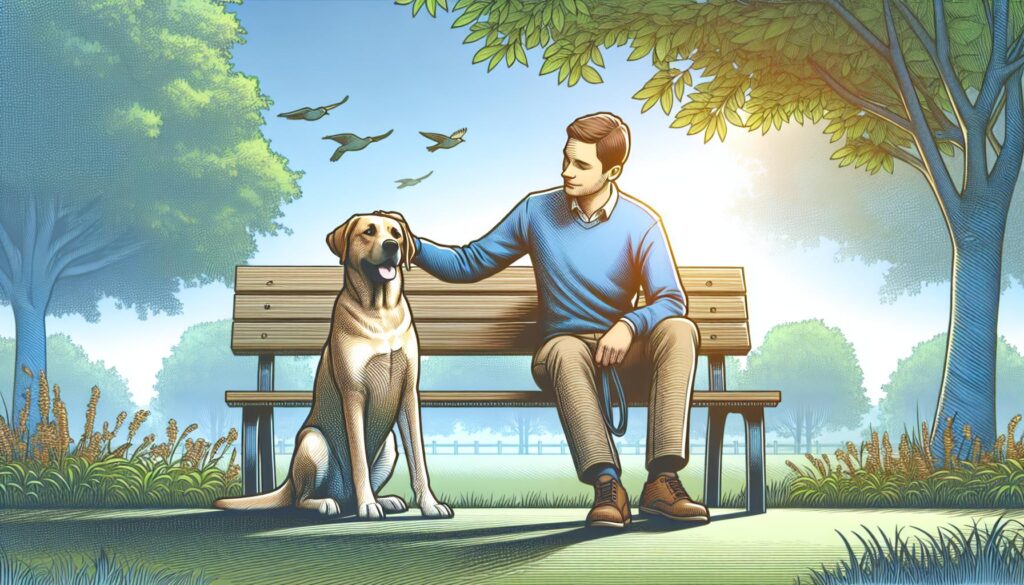
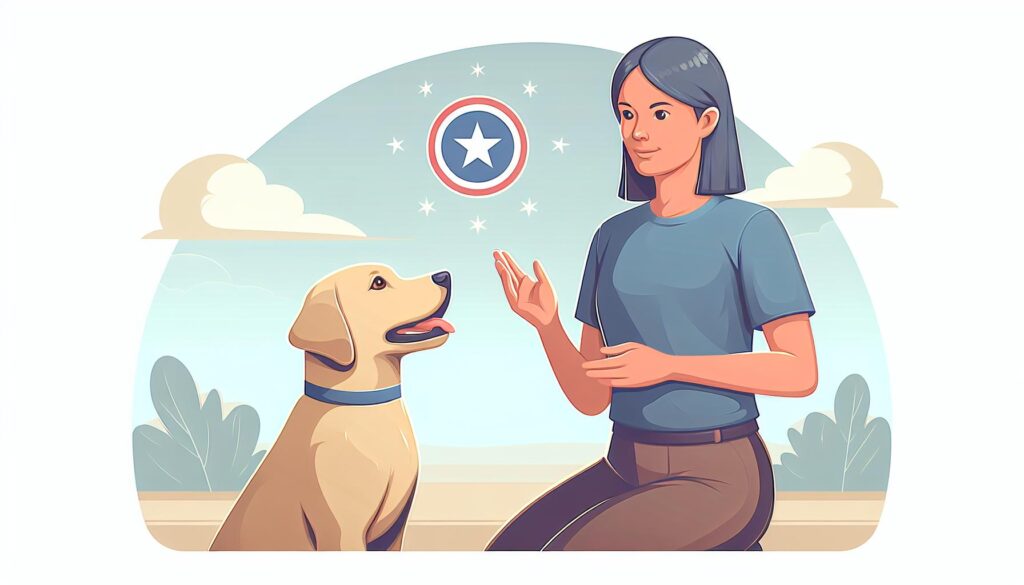
Dogs have a unique way of showing their love and affection, often leaving their owners in awe of the depth of their loyalty and emotional intelligence. From the wag of a tail to an enthusiastic lick, these furry friends communicate their feelings in ways that speak volumes. They don’t need words to express their devotion; their actions and behaviors say it all.
Understanding how dogs show love can deepen the bond between a pet and its owner, turning everyday moments into opportunities for connection. Whether it’s a gentle nuzzle when you’re feeling down or an excited bark when you walk through the door, every interaction is a testament to the unspoken bond shared. Let’s dive into the heartwarming world of how dogs express their love and affection, and perhaps, learn to appreciate these gestures even more.
Understanding Canine Affection
Dogs, widely regarded as man’s best friend, express their infinite love and affection towards their owners in an array of actions and behaviors that are quintessentially canine. Recognizing and responding to these expressions of love can significantly enhance the bond between a pet and its owner. To fully appreciate the depth of their affection, it’s crucial to understand the typical ways dogs show their love.
Physical Expressions of Love
- Tail Wagging: Beyond mere happiness, a dog’s tail wagging, especially when their entire body wags along, signals deep affection towards their owner. This behavior points to the dog’s excitement and pleasure in their owner’s company.
- Licking: Often considered doggy kisses, licking is a dog’s way of showing affection and seeking attention. It stems from their puppyhood as a sign of respect and love towards their pack leader.
- Leaning: When a dog leans against their owner, it’s not just seeking physical support but also demonstrating trust and affection. This gesture indicates the dog’s comfort and reliance on their owner.
Behavioral Expressions of Love
- Following: Dogs show their love by staying close to their owners, following them around the house. This behavior reflects their pack instincts and their desire to be with their loved ones at all times.
- Bringing Toys: A dog bringing toys to its owner signifies trust and the desire to share their most prized possessions. It’s their way of inviting their owner into their playtime, showing love and trust.
- Eye Contact: Sustained eye contact from a dog to its owner is a powerful expression of love. In the canine world, eye contact is reserved for those they deeply trust and feel comfortable with. It’s a sign of pure love and affection.
- Excited Barks: When a dog barks excitedly upon their owner’s arrival, it’s an unmistakable sign of their love and happiness at seeing their favorite person.
- Sighs and Moans: Dogs often sigh or moan when they’re content and relaxed around their owner. These sounds indicate a deep level of comfort and satisfaction in their presence.
How Dogs Show Affection
Dogs demonstrate their love and attachment to their owners through various actions and behaviors that are both visible and subtle. Recognizing these gestures helps owners connect more profoundly with their furry friends.
Physical Gestures
- Tail Wagging: When a dog wags its tail in a relaxed, circular motion, it often signifies happiness and affection towards their owner.
- Licking: Dogs use licking as a way to show love, mimicking the grooming behavior they experienced as puppies from their mother.
- Leaning: A dog leaning against their owner signifies trust and comfort, often seeking attention or reassurance.
Behavioral Signs
- Following: A dog that follows its owner from room to room is displaying loyalty and a desire to be near their loved one.
- Bringing Toys: Dogs often bring their favorite toys to their owners as a sign of trust, sharing what they value most.
- Eye Contact: Gentle eye contact can be a dog’s way of showing affection, often referred to as “dog kisses.”
Vocal Expressions
- Excited Barks: When a dog barks excitedly upon their owner’s return, it’s a vocal expression of love and excitement.
- Sighs and Moans: These sounds, especially when accompanied by a head on their owner’s lap, can signal contentment and trust.
- Cuddling: Seeking out cuddles or sleeping close to their owner shows a dog’s need for closeness and affection.
- Following Commands: A dog’s eagerness to please by following commands can also be a way of expressing love and respect.
- Teeth Display: A gentle mouthing without biting, especially in puppies, can be a sign of love and a desire to play.
Understanding these gestures of love and affection is key to building a stronger bond with dogs. Each dog has its unique way of showing love, and paying attention to these signs ensures that the affection is recognized and reciprocated. As dogs use these physical and behavioral cues to communicate, owners can respond with positive reinforcement, such as petting, kind words, and playtime, to strengthen their relationship further. This mutual expression of love enhances the bond between dogs and their owners, making every interaction a meaningful moment of connection.
The Role of Eye Contact
In the realm of canine affection, eye contact stands as a significant indicator of a dog’s love and trust towards their owner. Unlike in the wild, where direct eye contact might be perceived as a threat or challenge, in a domestic setting, when a dog gazes into their human’s eyes, it’s a clear sign of affection and connection. This behavior stems from the deep bond dogs share with humans, evolved from thousands of years of companionship.
Scientists have discovered that when dogs and their owners share a loving gaze, both parties experience a rise in oxytocin levels. Oxytocin, often dubbed the ‘love hormone’, plays a crucial role in bonding and increases feelings of love and trust. This hormonal exchange, remarkably similar to that which occurs between human mothers and their infants, highlights the profound inter-species connection dogs and humans share.
Dogs use eye contact not only to express love but also to communicate. A dog may look at its owner to seek guidance, gauge their mood, or understand if they have done something pleasing. Responsive owners, who acknowledge and return their dog’s gaze, reinforce this bond, creating a positive feedback loop of mutual love and understanding.
However, it’s essential to note that prolonged eye contact with a dog you’re not familiar with can be seen as a challenge or threat. The context of eye contact and the relationship between the dog and the person play vital roles in its interpretation. With their own kind, dogs often consider staring to be rude or aggressive, so it’s critical to let a dog initiate this form of affection. Observing a dog’s other body language signs can help owners distinguish between a gaze meant as affection and one that could signal discomfort or anxiety.
Training sessions offer perfect opportunities to strengthen the eye contact bond. Through positive reinforcement techniques, owners can encourage their dogs to look into their eyes, rewarding them with treats or verbal praise for doing so. This practice not only improves the dog’s focus and responsiveness but also enhances the emotional connection between dog and owner.
Eye contact in dogs, therefore, transcends mere observation. It is a complex form of communication that, when understood and reciprocated by the owner, fosters an unparalleled bond of mutual affection and respect. For dog owners, recognizing and responding to their pet’s gazes can significantly enhance the owner-pet relationship, making the most of the love and trust that their canine companions are so eager to offer.
How to Reciprocate Your Dog’s Affection
After understanding how dogs show love and affection, reciprocating these feelings can deepen the bond between an owner and their furry companion. Responding to a dog’s affection requires recognizing their needs and emotions and responding in ways they comprehend and appreciate.
Spend Quality Time Together
Engaging in activities both enjoy, such as walking, playing fetch, or simply sitting together, allows for meaningful interactions. Dogs thrive on attention and companionship, and dedicating time to these shared activities communicates love and appreciation back to them.
Physical Affection
Just as dogs use physical touch to express their love, owners can, too. Gentle petting, belly rubs, or even a soothing massage can make a dog feel loved and secure. It’s crucial, however, to watch for cues on what type of touch they enjoy or dislike to ensure comfort.
Verbal Praise
Dogs understand tone and emotion in voices, making verbal praise a powerful tool for expressing affection. Positive reinforcement with a cheerful, encouraging voice can boost their happiness and reinforce their good behavior.
Treats and Toys
Providing treats or favorite toys not only makes dogs happy but also shows that their owners are attentive to their preferences and well-being. Offering treats during training sessions further strengthens their association of obedience and positive behavior with their owner’s approval and affection.
Training and Education
Training sessions are more than just a means to teach obedience; they’re opportunities for bonding. Positive reinforcement techniques, like reward-based training, increase mutual trust and demonstrate to the dog that they’re a valued and understood part of the family.
Consistency and Routine
Dogs feel secure with predictability, so maintaining a consistent routine of walks, feeding, and playtime signifies reliability and care from their owners. It assures the dog of their importance in their owner’s life.
Eye Contact
Reciprocating the loving gaze, as mentioned earlier, with a soft, affectionate eye contact can reinforce the special bond between a dog and its owner. It’s a mutual acknowledgment of trust and affection, reflecting the deep, non-verbal communication that strengthens their relationship.
Reciprocating a dog’s affection involves a blend of understanding, mutual respect, and attentive care. Through these actions, owners can effectively communicate their love, ensuring a happy, healthy, and enduring relationship with their four-legged friends.
Recognizing Subtle Signs of Love
After exploring how dogs generally express love and the importance of reciprocating affection for a strong bond, it’s crucial to understand the subtle signs of love dogs showcase. These indicators may be less obvious but are equally profound in conveying a dog’s affection towards its owner.
Leaning Against You
One of the quieter gestures of affection from a dog is when they lean against their owner’s legs or body. It might seem like a small act, but it signifies trust and comfort. A dog leans on someone they feel secure with, viewing them as a protector or a pillar of safety.
Bringing You Their Toys
When a dog brings its toys and lays them at your feet, it’s not just an invitation to play. This behavior is a sign of trust and love, treating you as part of their pack and sharing their prized possessions. Dogs only do this with humans they have a strong bond with.
Following You Around
Dogs that follow their owners from room to room aren’t just seeking attention; they’re expressing their loyalty and companionship. This behavior shows they enjoy being in your presence and see you as their leader, offering silent support and affection by staying close.
Softening of the Eyes
A subtle but significant sign of a dog’s love is the softening of their eyes when looking at their owner. Often referred to as “puppy eyes,” this look is similar to the adoring gazes exchanged between humans in love. It’s a dog’s way of showing affection and seeking a close connection.
Sighing or Groaning Contentedly
When a dog sighs or groans while laying next to you or in your lap, it’s expressing a deep level of contentment and love. This sound indicates they feel relaxed and happy in your presence, associating you with feelings of safety and comfort.
Sleeping in Your Room
A dog choosing to sleep in your room, especially near or on your bed, shows a deep bond and trust. This behavior stems from their pack instincts, where sleeping together is a means of protection and unity. It’s a sign they consider you part of their pack and want to be close to you.
By recognizing these subtle signs of affection, owners can better appreciate the depth of their dog’s love and strengthen the unique bond they share. Each gesture, no matter how small, is a dog’s way of saying they love and trust their human companions deeply.
Conclusion
Understanding the ways dogs show love and affection is key to building a stronger bond with our furry friends. From the wag of a tail to the gentle lean against your leg, every gesture is a testament to their loyalty and companionship. As dog owners, it’s our privilege to recognize and reciprocate these signs of affection. By doing so, we not only deepen our connection but also ensure our dogs feel as loved and valued as they make us feel. Here’s to cherishing and nurturing the unique bond we share with our canine companions, one tail wag and soft gaze at a time.

Elizabeth Redd has been in Washington, D. C. since 1970. Welcome to "Pooch Wellness Path," your trusted guide to enhancing the well-being of your cherished furry friends. At the heart of our community lies a commitment to holistic wellness, combining comprehensive care with unconditional love.
We're here to offer you the latest nutrition, fitness, mental health, and preventive measures, lighting the way to peak health for your pet. Dive into our thriving network of dog lovers, where the happiness of our companions takes center stage.
We're all about sharing groundbreaking wellness tips and nurturing an environment where every dog thrives. Step into Pooch Wellness Path, where each joyful bark and wag is a testament to thriving health.