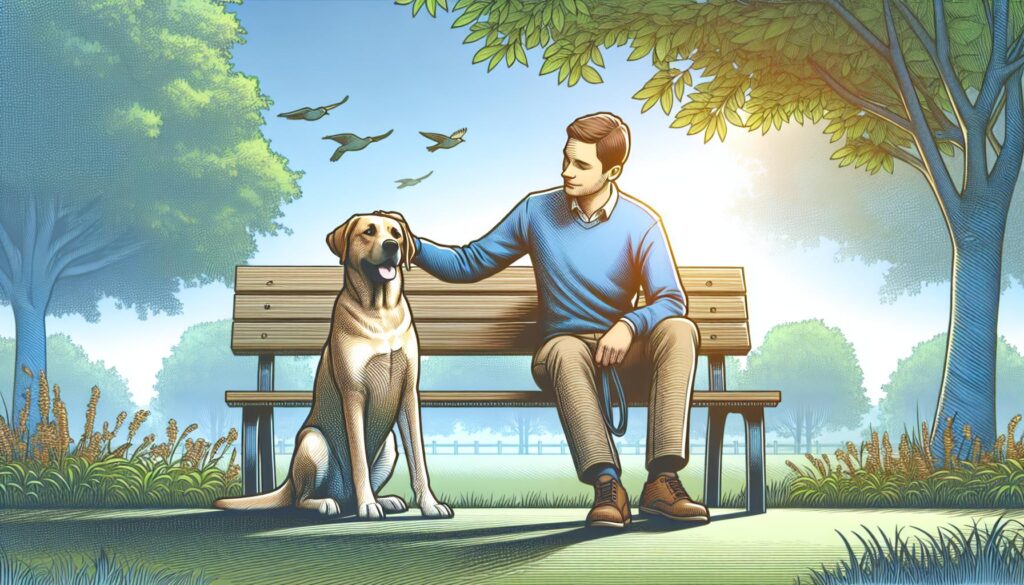
Just like humans, dogs go through various emotional development stages as they grow from playful puppies into mature adults. Understanding these stages can deepen the bond between a pet and their owner, paving the way for a harmonious living situation. From the moment they open their eyes to the world, puppies embark on a journey of emotional growth, learning about their environment, their human families, and how to communicate effectively.
As they progress through different phases, dog owners might notice shifts in behavior, mood, and needs. Recognizing what’s normal during each stage can help pet parents provide the right support, training, and care. This article explores the fascinating journey of canine emotional development, shedding light on what to expect as your furry friend grows. Whether you’re a new dog owner or looking to understand your long-time companion better, this guide will offer valuable insights into the emotional life of dogs.
Understanding Canine Emotional Development
Recognizing the progression of a dog’s emotional development is essential for any dog owner aiming to foster a deep, understanding relationship with their pet. This journey from puppyhood through to adulthood encompasses several stages, each with its unique challenges and milestones.
Neonatal Phase (0-2 Weeks)
During the neonatal phase, puppies are highly dependent on their mother for warmth, food, and protection. Their primary interactions are with their mother and littermates, focusing on basic survival instincts rather than emotional bonding with humans.
Socialization Period (3-14 Weeks)
The socialization period is crucial for emotional and sensory development. Puppies start to explore their surroundings, learn social cues from their mother, siblings, and humans, and develop attachment and fear responses. Exposure to various stimuli during this phase, including gentle handling by humans, different environments, and other animals, helps in shaping a well-adjusted adult dog.
Juvenile Stage (3-6 Months)
As puppies enter the juvenile stage, they become more independent and energetic. Their playful interactions help in learning boundaries and appropriate social behavior. However, they may also test limits during this phase, which requires consistent training and positive reinforcement from their owners to guide emotional development positively.
Adolescent Phase (6-18 Months)
The adolescent phase marks a period of rapid physical and emotional changes, paralleling the human teenage years. Dogs may exhibit increased independence, fluctuating obedience levels, and a strong desire to explore their environment. It is a critical time for reinforcing training and maintaining patience, as dogs navigate through this tumultuous period of development.
Adulthood (18 Months Onward)
Upon reaching adulthood, dogs generally show a stabilization in emotional behavior, reflecting the culmination of their earlier experiences and training. Adult dogs demonstrate mature emotional responses, including fear, joy, anger, and affection, based on their accumulated life experiences and the strength of their bond with their owners.
For owners, understanding these stages and what to expect in each can guide training, socialization, and care efforts to meet their dog’s needs effectively. Recognizing signs of emotional distress or development challenges early allows for timely intervention, ensuring a well-balanced and happy dog. Proper socialization, training, and positive reinforcement throughout a dog’s emotional development stages can lead to a harmonious and fulfilling relationship between dog and owner.
Neonatal Period (0-2 Weeks)
During the neonatal period, puppies undergo rapid physical and sensory development despite being highly dependent on their mother for survival. This stage, covering the first two weeks of a puppy’s life, is critical for their initial growth and development. Throughout this period, puppies are born with their eyes and ears closed, rendering them unable to see or hear. The sense of touch and taste, however, are present at birth, guiding them to their mother’s warmth and milk.
Puppies spend the majority of their time sleeping and nursing. Sleep is crucial as it influences their physical and neurological development. The nutrition they receive from their mother’s milk not only fuels their growth but also provides antibodies necessary to build a strong immune system. The absence of sight and hearing makes puppies rely heavily on their sense of smell to recognize their mother and siblings, establishing critical early bonds.
Though their emotional capabilities are limited, the neonatal stage sets the foundation for their future emotional development. Gentle handling by humans during this phase can begin to build a positive association with people, contributing to their socialization process. At this early stage, puppies learn rudimentary emotional responses through warmth, nourishment, and the comfort of their mother and littermates.
Temperature regulation is another vital aspect during the neonatal period. Puppies are unable to regulate their body temperature efficiently, making them rely on their mother and siblings for warmth. Breeders or caregivers should ensure a warm, safe environment to mimic this aspect of natural care.
The neonatal period, while short, plays a significant role in the puppies’ journey towards becoming well-adjusted dogs. It prepares them for the next stage of their development, where their senses begin to open up, and they become more aware of their surroundings. Recognizing the importance of this stage helps owners and caregivers provide the care and environment necessary for healthy growth and development.
Transitional Period (2-4 Weeks)
The Transitional Period marks a pivotal stage in canine emotional development, emerging as puppies progress from complete dependency during the neonatal period to more independent beings. Lasting from approximately 2 to 4 weeks of age, this phase witnesses significant milestones that lay the groundwork for future socialization, learning, and behavioral patterns.
During these weeks, puppies experience rapid physical and sensory development. Their eyes and ears open, granting them their first visual and auditory experiences of the world around them. This sensory awakening heralds a crucial phase in their emotional development as it introduces puppies to new stimuli, which they must learn to process and respond to.
Motor skills also see a remarkable improvement. Puppies begin to stand, walk, and explore their surroundings, albeit clumsily at first. This newfound mobility allows them to interact more with their littermates, mother, and even human caregivers, fostering the first social bonds outside of mere survival dependency.
The Transitional Period also sees the beginning of “play behavior” among puppies. Simple play, such as biting and pawing at each other, is not merely a physical activity but plays a crucial role in their emotional development. Through play, puppies learn important social cues, such as bite inhibition, and begin to understand the dynamics of canine communication and hierarchy, setting the stage for more complex interactions in the future.
Another significant aspect of this stage is the start of the socialization process. Although true socialization begins after the Transitional Period, the experiences puppies have now lay the foundation. Exposure to gentle handling by humans, along with positive interactions with their mother and littermates, helps puppies develop confidence and comfort with beings other than themselves.
By the end of the Transitional Period, puppies are generally weaned from their mother’s milk and begin to show interest in solid food. This dietary transition is another step towards independence, further emphasizing their development from completely dependent neonates to slightly more independent beings capable of interacting with their environment in new and meaningful ways.
Understanding and supporting puppies through the Transitional Period is crucial for owners and caregivers. Providing a safe, stimulating environment that introduces puppies to a variety of gentle experiences can greatly enhance their emotional and physical development. Realizing the importance of this stage helps ensure that puppies grow into well-adjusted and confident dogs, ready to face the subsequent stages of their growth journey with resilience and curiosity.
Socialization Period (4-12 Weeks)
The Socialization Period marks a critical phase in canine emotional development, characterized by significant interactions with other dogs, animals, and humans. During these formative weeks, puppies exhibit a rapid increase in curiosity and exploratory behavior, making it an ideal time for positive exposure to varied environments, sounds, and experiences. This period lays the groundwork for a well-adjusted adult dog, emphasizing the importance of generating positive interactions.
Key Aspects of the Socialization Period
- Fear Response Development: Beginning around 5 weeks, puppies start showing fear responses to unfamiliar stimuli. Managing their exposure to different sights, sounds, and surfaces in a controlled, positive manner teaches them to approach new experiences without fear.
- Social Skills with Dogs and Humans: Puppies learn to interpret and exhibit dog-to-dog social cues, playing with their littermates and any friendly, vaccinated dogs encountered. Human interaction, aside from the breeder or caretaker, becomes crucial, as varied human contacts help puppies become well-adjusted.
- Bite Inhibition: Through play, puppies learn bite inhibition from their siblings and mother, understanding how to control the strength of their bites. This learning is essential for safe interactions with people and other animals.
- Introduction to Training: Basic training using positive reinforcement techniques can start during this period. Simple commands like “sit,” “stay,” and “come” not only begin the obedience training process but also strengthen the bond between puppies and their caretakers.
What to Expect and How to Support
Owners and caretakers play a pivotal role in navigating puppies through the Socialization Period by:
- Providing a Variety of Experiences: Introduce puppies to different people, animals, environments, and noises to foster adaptability and confidence.
- Ensuring Positive Experiences: Positive associations with new experiences and gentle handling reinforce puppies’ trust and reduce anxiety.
- Starting Training Part: Engage in gentle training exercises, emphasizing positive reinforcement to encourage learning and establish basic commands.
- Monitoring for Overstimulation: Puppies can become overwhelmed by too many new experiences at once. It’s vital to watch for signs of stress and give them time to rest.
Juvenile Period (3-6 Months)
Transitioning from the foundational Socialization Period, puppies enter the Juvenile Period, spanning from 3 to 6 months. This stage marks significant emotional and physical maturation as they start showing more independence and exploring the limits of their environment. During this period, canine emotional development takes a more complex turn, and understanding what to expect can help owners guide their pets through it smoothly.
Firstly, as puppies’ confidence grows, they become more adventurous, often testing boundaries and authority. This behavior is not defiance but a natural part of their emotional development. Owners will notice an increase in exploratory behavior, with puppies wanting to investigate every nook and cranny of their environment. This curiosity, while essential for cognitive development, necessitates vigilant supervision to prevent accidents and ensure safety.
Secondly, the juvenile period is crucial for reinforcing learned behaviors and establishing routine. The foundation laid during the Socialization Period is built upon now, with continued training and socialization. Puppies at this age can start formal training classes, enhancing their social skills and learning obedience commands. It’s paramount to maintain consistency in training and discipline to foster good behavior, as inconsistency can lead to confusion and anxiety in puppies.
Thirdly, fear periods are common during the Juvenile Period. Puppies may suddenly seem afraid of familiar objects or environments. It’s vital for owners to acknowledge these fears and provide reassurance without reinforcing the fearful behavior. Gentle exposure to feared stimuli, ensuring positive outcomes, can help puppies overcome these fears.
In addition, social relationships with humans and other animals become more defined. Puppies learn the nuances of social hierarchy, both in the human and canine worlds. Play becomes more structured, with puppies understanding and respecting boundaries more effectively. Owners should continue to provide diverse social experiences, promoting positive interactions that will shape their puppy’s social competencies.
Lastly, physical growth during this period is rapid, necessitating nutritional support to fuel their development. Proper nutrition plays a vital role in emotional well-being, as malnutrition can lead to behavioral issues. Owners should consult their veterinarian for guidance on feeding schedules and appropriate diets for their growing puppy.
The Juvenile Period is a time of significant growth and learning for puppies. Owners play a critical role in guiding their pets through this stage, ensuring continued socialization, training, and proper nutrition. Awareness and understanding of the challenges and milestones of this phase can aid in raising a well-adjusted, happy adult dog.
Adolescent Period (6-18 Months)
Entering the Adolescent Period, dogs undergo significant emotional and physical changes, mirroring the complexities of human teenage years. This stage, spanning from 6 to 18 months, marks a period of testing boundaries, discovering independence, and developing a deeper personality. Owners might notice a shift in their dog’s behavior, reflecting the tumultuous nature of this development phase.
Emotional Development
During adolescence, dogs often exhibit increased defiance, not unlike human teenagers. They might start ignoring commands they previously followed, testing their owner’s patience and the boundaries set for them. This behavior isn’t a sign of permanent disobedience but a phase of exploration and pushing limits. Maintaining consistent training and reinforcement is crucial as dogs navigate through this stage.
Physical Maturation
Physically, dogs continue to grow and reach their adult size during the adolescent period. Depending on the breed, growth may be rapid or gradual but usually completes by the end of this timeframe. Energy levels remain high, necessitating plenty of exercises and mental stimulation to keep them healthy and prevent behavioral issues.
Social Behaviors
Social interaction becomes more nuanced in adolescence. Dogs may become more selective with their canine friends and may challenge other dogs more frequently. This period requires careful monitoring of dog-to-dog interactions to ensure positive social experiences and prevent the development of aggression or fearfulness.
Training and Behavior Modification
Reinforcing training becomes vital in maintaining and advancing a dog’s education and good behavior during adolescence. They might challenge previously learned commands, making it essential to continue training sessions and enforce rules consistently. It’s also a prime time to introduce more complex commands and tricks, keeping their minds engaged and strengthening the bond between dog and owner.
Coping with Fear Periods
The adolescent period can also bring about a second fear phase, wherein dogs suddenly exhibit fear towards familiar people or situations. Owners must handle these situations with patience, offering comfort and avoiding forced confrontations that may reinforce fearful behaviors.
Nutrition and Health Care
As dogs approach adulthood, their nutritional needs may shift. Owners should adjust their diet to suit their size, breed, and energy levels, ensuring they receive balanced meals that support their growth and activity. Regular veterinary check-ups are important to monitor their health, track vaccinations, and discuss neutering or spaying, which can affect behavior and health risks.
Adult Period (18 Months Onwards)
Entering the Adult Period at 18 months, dogs exhibit a noticeable shift in emotional and behavioral patterns, marking their final stage of emotional development. This period highlights the culmination of earlier stages, reflecting a mature canine ready to demonstrate the full spectrum of learned behaviors and emotional responses within a stable environment.
Emotional Stability and Calmness Increase
Dogs typically display increased emotional stability and calmness. The erratic energy levels and impulsive behaviors common in adolescence give way to a more measured and predictable demeanor. This change underscores a dog’s adaptability and its capacity for deeper, more consistent emotional connections with owners and other animals.
Solidified Personality Traits
Owners will observe the crystallization of their dog’s personality traits. Characteristics such as being outgoing, shy, aggressive, or passive become more pronounced, having been molded by earlier socialization, training, and genetic factors. This embodiment of personality allows owners to tailor interactions and activities to suit their dog’s unique preferences, enhancing quality of life and mutual understanding.
Enhanced Bonding and Loyalty
The adult period is pivotal for the strengthening of bonds between dogs and their owners. Years of mutual experiences, training, and affection deepen trust and loyalty, fostering a strong, inseparable bond. This connection is foundational for achieving a harmonious living arrangement and ensuring a dog feels secure and valued within its family unit.
Refinement of Training and Commands
Having developed a comprehensive understanding of basic commands and expectations during their youth, adult dogs often exhibit refined obedience and skills. Continued training sharpens these abilities, promoting intellectual stimulation and preventing behavioral stagnation. Advanced training or engaging in dog sports can also enrich a dog’s life, offering mental and physical challenges that harness their capabilities and energy constructively.
Maintenance of Health and Well-being
Maintaining optimal health becomes a central focus during adulthood. Regular exercise tailored to the dog’s breed, size, and energy level is crucial for sustaining physical health, while consistent mental stimulation helps in preventing cognitive decline. Adjustments to diet and health care are necessary to address the changing needs of an aging dog, ensuring a balanced lifestyle that supports longevity and vitality.
Senior Dogs and Emotional Changes
As dogs enter their senior years, typically around 7 to 11 years old depending on the breed, noticeable emotional and cognitive changes occur. This transition mirrors the culmination of their lifelong emotional development, reflecting the shift in their needs and behaviors. Senior dogs often display a greater need for comfort and may seek more affection and security from their owners. They tend to have less tolerance for stress and can become anxious or upset more easily than in their younger years.
Sensitivity to Change
Senior dogs become more sensitive to changes in their environment and routine. Relocation, alterations in the household, or even minor adjustments can lead to increased anxiety and distress. They rely on the predictability of their daily schedule for comfort and security.
Social Interactions
There’s a noticeable shift in how senior dogs interact socially. They may exhibit decreased interest in playing with other dogs or become more selective about their canine friends. It’s crucial for owners to respect these changing social preferences, ensuring interactions remain positive and stress-free.
Cognitive Functioning
Cognitive decline, similar to dementia in humans, can affect senior dogs, impacting their memory, learning, perception, and awareness. Symptoms might include confusion, decreased attention to commands, and altered sleeping patterns. Stimulation through gentle training exercises and interactive toys can help maintain cognitive health.
Emotional Depth
Senior dogs often develop an even deeper emotional bond with their owners. Years of shared experiences contribute to a profound connection, with dogs displaying increased affection and sensitivity to their owner’s moods and emotions. This heightened emotional depth underscores the importance of providing compassionate care and attention during these golden years.
Adjusting Care
Adapting care to meet the evolving emotional and physical needs of senior dogs is essential. Comfortable resting areas, manageable exercise routines, and regular veterinary check-ups to monitor health conditions are key. Tailoring interactions and activities to their changing preferences helps maintain their quality of life.
Owners play a pivotal role in supporting their senior dogs through these emotional changes, offering patience, love, and understanding. Recognizing and accommodating the emotional shifts in senior dogs ensures a supportive and nurturing environment, helping them navigate their later years with dignity and contentment.
Conclusion
Understanding the emotional journey of our canine friends from puppyhood to their golden years is key to fostering a loving and supportive relationship. As dogs enter their senior phase, they’ll need even more of our patience and affection. Adjusting their care to accommodate their changing needs isn’t just beneficial—it’s a way to thank them for their unwavering companionship. Let’s ensure their later years are filled with as much joy and comfort as they’ve brought into our lives. After all, a little extra love goes a long way in keeping our furry friends happy and healthy in their seniority.

Elizabeth Redd has been in Washington, D. C. since 1970. Welcome to "Pooch Wellness Path," your trusted guide to enhancing the well-being of your cherished furry friends. At the heart of our community lies a commitment to holistic wellness, combining comprehensive care with unconditional love.
We're here to offer you the latest nutrition, fitness, mental health, and preventive measures, lighting the way to peak health for your pet. Dive into our thriving network of dog lovers, where the happiness of our companions takes center stage.
We're all about sharing groundbreaking wellness tips and nurturing an environment where every dog thrives. Step into Pooch Wellness Path, where each joyful bark and wag is a testament to thriving health.