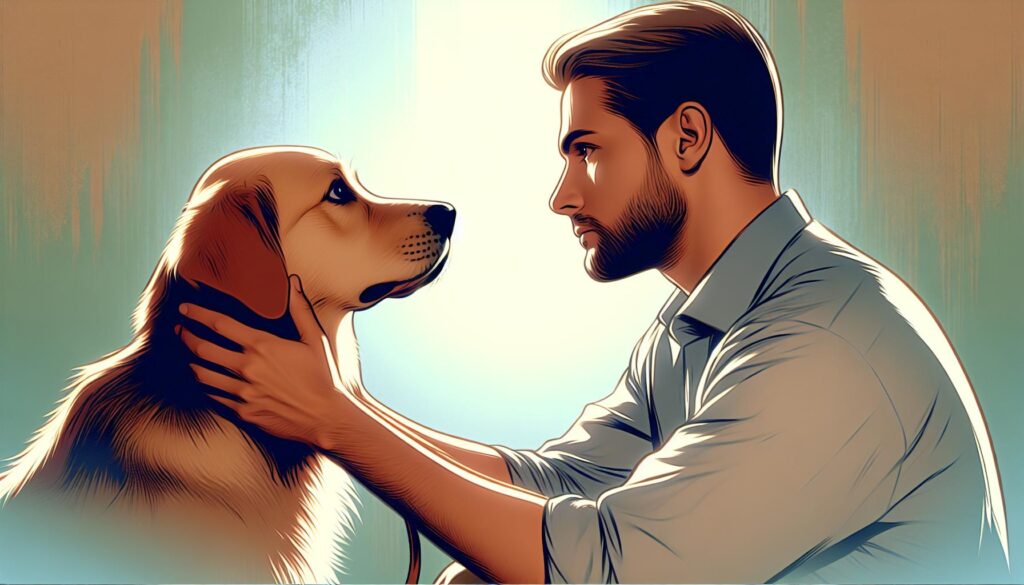
Dogs have been loyal companions to humans for thousands of years, earning the well-deserved title of “man’s best friend.” Your furry friend’s unwavering loyalty, companionship, and ability to bring joy to your life are a few reasons why dogs hold this special place in our hearts. Unlike any other domesticated animal, the bond between humans and dogs is uniquely deep, as they become like members of our families.

The relationship between you and your dog isn’t just emotional; science supports it. Studies show that mutual gazing between you and your dog can strengthen your bond, similar to how human parents bond with their children. Dogs’ abilities to understand and respond to your emotions further solidify this extraordinary connection.
This firm, enduring friendship dates back to ancient times, illustrating that the special bond you share with your dog is one of the oldest and most cherished human-animal relationships. To learn more about why dogs are truly your best friend, explore their fascinating history and the unique ways they connect with us on a deeper level.
Historical Alliance Between Canines and Humans

For thousands of years, dogs have been loyal companions and helpers to humans. This alliance began with early domestication, extended into ancient civilizations, and evolved through various roles dogs played throughout history.
Early Domestication of Dogs
Dogs were among the first animals to be domesticated. The bond started when wolves began to follow human hunting groups, scavenging for leftovers. Over time, humans and wolves developed a closer relationship. These early dogs provided warmth, protection, and help in hunting. Genetic evidence suggests that this domestication began around 15,000 years ago, as seen with the Bonn-Oberkassel dog, buried alongside humans.
Dogs in Ancient Civilizations
In ancient Egypt, dogs were highly valued and often depicted in art. They served as hunting partners and guards. The ancient Greeks and Romans also revered dogs. They were used in warfare, as seen with the Molossian dogs, and as pets. The Persian Empire utilized dogs in battle, while the Chinese regarded them as good luck symbols. Dogs played critical roles in daily life and cultural practices in each civilization.
Roles Played by Dogs Throughout History
Dogs have taken on many roles throughout history. They have served as work animals, aiding in herding and farming tasks. They provided crucial support during wars, acting as messengers and guards. In modern times, dogs are trained as service animals, helping people with disabilities. In law enforcement, they assist in detecting drugs and explosives. The history of dogs shows their versatility and strong bond with humans.
Psychological and Emotional Links
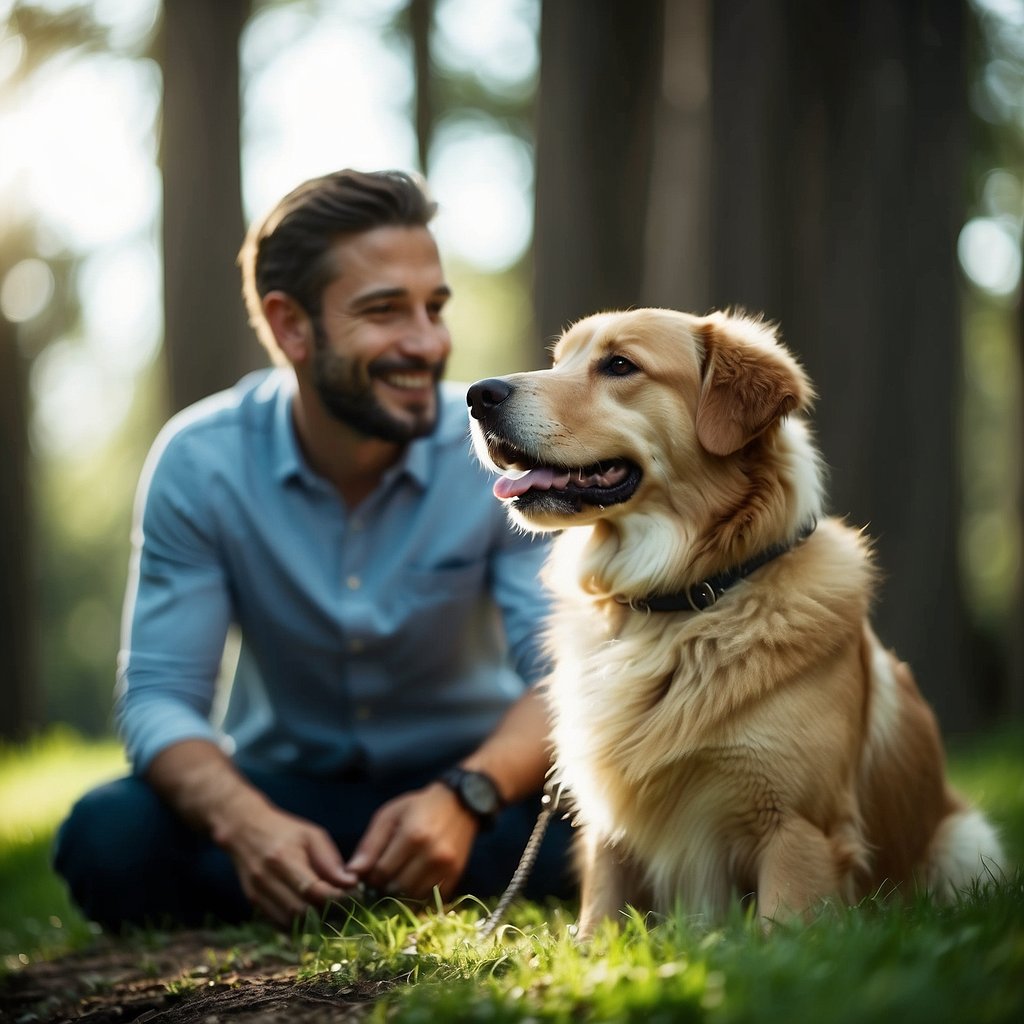
Dogs have a remarkable ability to bond with humans, perceiving their emotions and providing invaluable support. Understanding this connection can explain why dogs are man’s best friend.
Understanding the Human-Dog Bond
The bond between humans and dogs dates back thousands of years. Early humans formed partnerships with dogs for hunting and protection. Over time, this relationship deepened due to dogs’ loyalty and ability to understand human emotions.
Dogs can read your facial expressions and body language, often reacting empathetically. This ability to sense your emotional state helps create a strong, mutual bond. Your dog can respond to your moods, offering companionship and a sense of trust. This connection is why dogs are crucial in many people’s lives.
How Dogs Perceive Their Human Companions
Dogs have a unique perception of their humans. They are wired to recognize and respond to your voice, gestures, and emotions. Research shows that dogs can pick up on subtle cues in your behavior, strengthening their loyalty and connection to you.
Dogs experience a release of oxytocin, also known as the “cuddle hormone,” when interacting with you. This hormone is also released in humans, promoting feelings of love and bonding. This biological response underlines the deep, emotional connection between you and your dog.
Emotional Support and Service Dogs
Emotional support dogs provide comfort and companionship to those dealing with anxiety, depression, or other mental health issues. Their calming presence can reduce stress and improve overall well-being.
Service dogs are specially trained to assist individuals with disabilities. They can perform tasks like guiding the visually impaired, alerting deaf individuals to sounds, or detecting seizures. These dogs are more than pets; they are vital partners who help their handlers lead independent lives. Their unwavering support and specialized skills highlight the incredible emotional and psychological bond you can share with a dog.
Scientific Insights Into the Canine-Human Relationship

Scientists have found exciting reasons behind the special bond between dogs and humans. Studies reveal how communication, oxytocin, and interactive behaviors strengthen this relationship.
Communicative Behaviors Between Dogs and People
Dogs use eye contact to bond with humans, just like humans do with each other. When a dog looks into your eyes, it shows trust and connection.
Another way dogs communicate is through their expressions and body language. They can understand human gestures and emotions. For example, dogs can recognize when you’re happy or sad and often respond accordingly.
Dogs also use vocalizations to communicate. Barking, whining, and even growling can convey different emotions and messages to you. This two-way communication helps build a trusting bond between you and your dog.
The Role of Oxytocin
Oxytocin, often called the “cuddle hormone,” plays a significant role in bonding between dogs and humans. This hormone increases during positive interactions like petting and playing.
When you interact with your dog, both of your oxytocin levels rise. This creates feelings of happiness and reduces stress. It’s similar to the bond between a parent and a child.
Studies have shown that mutual gazing between dogs and humans increases oxytocin levels. This hormone promotes emotional bonding and supports physical health by lowering blood pressure and heart rate.
Studies on Dog-Human Interactions
Scientific research highlights many benefits of the dog-human relationship. One study found that having a dog reduces stress and boosts overall well-being. Dogs provide companionship, which can lessen feelings of loneliness.
Other studies show that dogs help increase your physical activity. Walking your dog daily helps you stay fit and healthy.
Moreover, the presence of a dog can improve your mental health. Dogs offer unconditional love and support, which can help people cope with anxiety and depression.
Through these studies, it’s clear that the relationship between dogs and humans benefits both sides. You offer them food, shelter, and care, and they give you loyalty and companionship in return.
Cultural Impact of Dogs on Society
Dogs have significantly influenced various aspects of human culture. Their impact is undeniable, from captivating stories in literature and film to shaping public perception as loyal companions and being celebrated in events worldwide.
Dogs in Literature and Film
Dogs have played remarkable roles in books and movies. In literature, characters like Lassie and Old Yeller showcase their loyalty and bravery. These stories entertain and highlight the strong bond between humans and dogs.
Movies like “Marley & Me” and “101 Dalmatians” have further cemented dogs as beloved companions. These films often portray dogs as heroes and bring emotional experiences into our lives. Your favorite dog movie or book likely made you smile, cry, or feel deeply connected to the characters.
Public Perception of Dogs as Companions
Your view of dogs as many factors shape loyal friends. Dogs are often seen as symbols of trust and unconditional love. Their protective nature and ability to sense human emotions make them perfect companions.
In everyday life, dogs assist with various tasks. They serve in roles such as therapy and service dogs, helping those with disabilities. This adds to their image as reliable and caring partners. The close bond between dogs and humans is evident in how you interact with them, seeing them as family members.
Celebration of Dogs in Festivals and Events

Dogs are celebrated in many festivals and events around the world. Events like the Westminster Kennel Club Dog Show highlight their beauty and abilities. These shows bring together dog lovers to appreciate different breeds.
In some cultures, festivals are dedicated to honoring dogs. For instance, Nepal’s Kukur Tihar is a festival where dogs are worshipped, flowers are gifted, and treats are given. This celebration symbolizes the deep respect and admiration people have for dogs. Such events remind people of the joy and companionship dogs bring into their lives every day.
The Deep Bond in Daily Life
Dogs are not just pets; they become integral to your daily life. This bond goes beyond companionship and can be seen through stories of loyalty, life-changing impacts, and their therapeutic effects.
Stories of Loyalty and Bravery
Dogs are known for their unwavering loyalty. There are numerous stories of dogs staying by their owners’ side during tough times. For instance, Hachiko, an Akita dog from Japan, waited at a train station every day for over nine years after his owner passed away. Dogs often protect their families with bravery, sometimes risking their lives. Instances like these underline their commitment and the depth of their bond with humans.
The Life-Changing Impact of a Dog
Owning a dog can transform your life in many positive ways. They can help reduce stress by providing constant companionship. For children, growing up with a dog teaches responsibility and empathy. Dogs also encourage an active lifestyle; you might walk or play outdoors more often. Their presence can lift your mood, turning a bad day into a better one. They’re not just pets; they’re family.
Therapeutic Effects of Having a Dog
The therapeutic effects of having a dog are remarkable. Therapy dogs help people with anxiety, depression, and stress. Petting a dog can release oxytocin, which helps calm you down. Service dogs assist individuals with disabilities, offering both physical support and emotional comfort. Dog companionship has been shown to improve patients’ recovery times and overall well-being. They’re natural healers and companions.
Recognizing the Responsibilities of Dog Ownership
Taking care of a dog is about ethical treatment and ensuring their well-being. Learn what it means to be a responsible dog owner and how you can enhance your dog’s life.
The Ethics of Pet Care
Owning a dog means making a lifelong commitment to their care. This includes meeting their basic needs like food, shelter, and medical attention. It’s essential to provide a balanced diet and regular veterinary check-ups. Dogs need vaccinations, routine check-ups, and dental care to stay healthy.
It would be best to consider spaying or neutering your dog to prevent overpopulation. Responsible dog owners must also ensure their pets are correctly identified. A microchip and collar with ID tags can help reunite you with your dog if they get lost.
Training and socializing your dog is crucial for its mental health and safety. Positive reinforcement helps teach good behavior without being harsh. Socialization with other dogs and people can prevent behavior problems and make dogs well-behaved family members.
Enhancing the Well-being of Dogs
Ensuring your dog’s well-being means focusing on its physical and emotional health. Daily exercise is essential for preventing obesity and stimulating the dog’s mind. Depending on the breed, some dogs may need more activity than others, so tailor their exercise routine to their specific needs.
Mental stimulation is vital to a happy dog. Toys, games, and training sessions can keep them engaged, and puzzle toys and interactive playtime can prevent boredom and destructive behavior.
Creating a safe, comfortable living environment is essential. Ensure they have cozy sleeping areas, clean drinking water, and a secure backyard or walking area. Regular grooming, including brushing and nail trimming, keeps them clean and reduces the risk of infections.
By following these guidelines, you can ensure that your dog lives a fulfilled, healthy life and strengthen your bond with your furry friend.
Challenges and Considerations in the Human-Dog Relationship
When you adopt a dog, you must understand that challenges can arise, especially with behavior and training. Proper attention and effort ensure a happy and well-adjusted pet.
Addressing Behavioral Issues
Dogs can sometimes develop undesirable or problematic behaviors, such as excessive barking, chewing on furniture, or aggression. Identifying the cause is key.
Factors like boredom, lack of exercise, or environmental changes can influence behavior. Addressing these behaviors early is crucial to prevent them from becoming ingrained. Positive reinforcement is often more effective than punishment.
Sometimes, professional help may be needed. A certified dog behaviorist or veterinarian can offer guidance tailored to your situation. Regular checkups can rule out medical issues that might contribute to behavioral problems.
Importance of Training and Socialization
Training and socialization are essential for a well-behaved dog. Start training your dog as early as possible using consistent commands and routines.
Socialization involves exposing your dog to different people, animals, and environments. This helps reduce fear and anxiety, promoting a more relaxed and confident pet. Puppy classes can be a great way to start.
Use positive reinforcement methods like treats and praise to encourage good behavior. Consistency is essential—everyone in the household should follow the same rules and commands to avoid confusion.
Remember, training doesn’t end with puppyhood. Regular practice and reinforcement throughout your dog’s life help maintain good behavior and strengthen your bond.
Conclusion
Dogs have genuinely earned the title of “man’s best friend.” Their loyalty, companionship, and ability to bring joy make them unique.
You’ll find that dogs are always by your side, providing comfort and love even in tough times. They sense your emotions and respond with affection.
Loyalty is one of the most vital traits a dog possesses. They are always eager to please and protect you.
Dogs also aid in improving mental health. Spending time with them can reduce stress and increase happiness.
Historically, dogs and humans have shared a deep bond. This friendship has evolved over thousands of years, proving that dogs are more than just pets.
Through their daily antics, dogs bring laughter and joy. Their playful nature is infectious and brightens up your day.
Remember that dogs also help you stay active. They encourage you to take walks and enjoy the outdoors, which benefits your physical and mental health.
In essence, dogs embody the qualities of a cherished friend. Their unwavering loyalty, love, and companionship highlight why they are called man’s best friend.
A Call to Action
Do you have a dog? Think about the joy and companionship they bring you. Now, imagine giving back to them.
Ways to Appreciate Your Dog
- Daily Walks: A simple walk can boost your dog’s happiness and health.
- Healthy Treats: Switch to nutritious treats that support their well-being.
- Regular Vet Visits: Keep your dog healthy with routine check-ups.
Get Involved in Your Community
Why not join a local dog group? It’s a great way to meet other dog lovers and learn new tips. You could also volunteer at a shelter to help dogs in need.
Educate Others
Spread the word about the benefits of having a dog. Share your stories and experiences to inspire others. Use social media, blogs, or even local community boards.
Adopt, Don’t Shop
Consider adopting a dog from a shelter. Many loving dogs need homes. Spread this message to help reduce the number of homeless pets.
Remember: Your dog is your best friend. Show them love and care every day.

Elizabeth Redd has been in Washington, D. C. since 1970. Welcome to "Pooch Wellness Path," your trusted guide to enhancing the well-being of your cherished furry friends. At the heart of our community lies a commitment to holistic wellness, combining comprehensive care with unconditional love.
We're here to offer you the latest nutrition, fitness, mental health, and preventive measures, lighting the way to peak health for your pet. Dive into our thriving network of dog lovers, where the happiness of our companions takes center stage.
We're all about sharing groundbreaking wellness tips and nurturing an environment where every dog thrives. Step into Pooch Wellness Path, where each joyful bark and wag is a testament to thriving health.