
Find Out If Your State is on the List of Dog-Friendly Laws
Leaving dogs in hot cars is a growing concern, especially during summer. In the United States, only 14 states allow citizens to rescue dogs from hot cars without facing legal consequences. This means that you could get into trouble in many places for trying to save an overheated pet.
Some states take this issue seriously by implementing laws to protect animals. For instance, Arizona and California have granted citizens the legal right to use any means necessary to rescue a distressed dog, including breaking a window. Meanwhile, most states regulate the conditions under which pets can be left in vehicles, such as extreme temperatures or lack of ventilation.
Understanding local laws can help you make informed decisions when encountering a distressed dog inside a car. By knowing which states provide legal protections for rescuing animals, you can better navigate these potentially urgent situations safely and responsibly.
The Dangers of Leaving Dogs in Hot Cars
Leaving dogs in hot cars poses significant risks, including severe health issues and even death. Understanding these dangers helps keep pets safe during warmer months.
Physiological Impacts on Dogs
Dogs left in hot cars face rapid heat accumulation in their bodies. Unlike humans, dogs can only cool themselves by panting and sweating through their paws.
When confined in a hot car, their cooling mechanisms are overwhelmed. This can lead to heat stroke, where the body temperature exceeds safe levels, damaging organs like the brain and liver.
Symptoms include excessive panting, drooling, unsteadiness, and vomiting. If untreated quickly, it can result in seizures, coma, or death. It’s crucial to recognize these signs and act immediately if your dog shows any symptoms of heat distress.
Understanding Vehicle Temperatures
Temperatures inside parked cars can rise quickly, posing a severe danger to dogs. Even on a mild day with temperatures around 70°F, the inside of a car can reach 104°F within half an hour. This makes leaving a window cracked ineffective in providing sufficient airflow or cooling. Many states acknowledge this danger and have laws against leaving pets in hot cars. It’s essential to familiarize yourself with your state’s specific regulations. Such laws protect the animals and concerned citizens who may intervene to rescue a distressed dog.
Legal Framework
Different states have varying laws about rescuing dogs from hot cars, and guidelines are provided at the federal level to help protect animals.
State-Specific Legislation
Laws concerning dogs left in hot cars are not uniform across all states. For example, 14 states allow citizens to rescue dogs from hot cars. Meanwhile, 31 states and the District of Columbia have some form of “hot car” laws.
Some states only allow law enforcement or certain officials to break into cars to rescue animals. These legal differences mean a passerby or only designated personnel can intervene, depending on your location.
Individual states like Oregon have laws that permit the public to break a car window if a pet is in imminent danger. This emphasizes the importance of knowing your local laws.
Federal Guidelines and Recommendations
While there is no federal law about leaving dogs in hot cars, there are recommendations and guidelines to protect animal welfare. Federal agencies often issue advice about how to handle such situations, urging immediate action to protect animals in danger.
National animal welfare organizations also provide guidelines on best practices for rescuing dogs from hot cars. These guidelines often include contacting law enforcement, remaining with the car, and documenting the situation.
Their goal is to avoid legal complications while ensuring the animal’s safety. While not legally binding, these recommendations are essential for proper emergency conduct.
Preventative Measures
Taking steps to prevent dogs from being left in hot cars is critical. Education through public awareness campaigns and community support initiatives can save lives.
Public Awareness Campaigns
Public awareness campaigns must educate pet owners about the dangers of leaving dogs in hot cars. These campaigns can include informational posters, social media posts, TV ads, and community events.
You can often find posters and flyers at vet clinics, pet stores, and community centers. Social media posts with eye-catching graphics and direct messages reach a broad audience quickly. TV ads can target local news channels to spread the message effectively during peak viewership hours. Community events and demonstrations can show the rapid temperature rise inside a parked car, emphasizing the need for vigilance.
Community Support Initiatives
Community support initiatives can provide resources and assistance to pet owners. Local shelters and humane societies often run programs that offer free or discounted pet-sitting services.
Some communities establish pet-friendly zones where pets can stay safely while their owners run errands. Volunteer networks can organize neighborhood watch systems to watch for pets left in cars and take immediate action if necessary. Involving local law enforcement and creating a hotline for quick reporting can further enhance community efforts to protect pets from heat-related dangers.
Rescue Protocols
Knowing how to rescue dogs from hot cars properly can save lives. The steps differ depending on whether you are a bystander or law enforcement.
Bystander Intervention
If you see a dog trapped in a hot car, assess the situation quickly. Look for signs of distress, such as heavy panting, drooling, or lethargy. Once you determine the dog is in danger, call 911 or local animal control immediately. State your location and explain the situation clearly. Only use force to break a window if it’s legal in your state and if the dog’s life is in imminent danger.
Steps to follow:
- Check for signs of distress.
- Call emergency services.
- Stay with the vehicle until help arrives.
- Only break the window if necessary and legal.
Never leave the scene until authorities arrive. Remaining calm and collected during the intervention is crucial to ensuring the dog’s and yourself’s safety.
Law Enforcement Procedures

Law enforcement officers follow strict protocols when rescuing dogs from hot cars. First, officers assess the dog’s condition and gather information from the car owner, if available. The main goal is to avoid property damage unless it’s essential for the animal’s safety. Officers typically use noninvasive methods, such as trying to unlock the car through open windows or contacting the vehicle owner.
Procedures include:
- Assess the dog’s condition.
- Attempt to contact the owner.
- Use non-invasive measures first.
- Break the window if necessary and ensure the animal’s immediate care.
Recent laws like Oregon’s HB 2732 permit officers to break a car window without fear of legal consequences in some states. Always ensure officers know specific state laws and protocols so they can act appropriately.
Penalties and Enforcement
Depending on the state, penalties for leaving dogs in hot cars can be severe. Enforcement varies widely, including fines, criminal charges, and potentially even more severe penalties. Case studies reveal how different states handle these situations.
Fines and Charges
In many states with hot car laws, you can face significant fines if you’re caught leaving a dog in a vehicle. For instance, states like California can impose fines of up to $500 for first-time offenders. In more extreme cases, criminal charges can be levied, especially if the animal suffers harm or dies.
Other states may have escalating penalties for repeat offenses, including higher fines or jail time. The severity of the fine or charge often depends on whether the animal was harmed and the outside temperature when the incident occurred.
Court Rulings and Case Studies
Court rulings and case studies illustrate how these laws are enforced. One notable example is a case in Ohio, where a person was charged with animal cruelty after a dog died from heatstroke. The court upheld the charges due to the severe conditions the animal endured.
In Arizona, another case study showed how quick action by law enforcement, bolstered by state laws, led to the rescue of a distressed pet and subsequent fines for the owner. These cases emphasize the importance of having clear, enforceable laws to protect animals.
Such rulings demonstrate that courts can and do take these offenses seriously. The outcomes often depend on local statutes and the specifics of each case.
Owner Responsibility
Owners must know the laws about leaving dogs in cars and learn best practices to keep their pets safe. This can help prevent avoidable tragedies and ensure the well-being of your furry friends.
Educational Requirements
Understanding your state’s regulations is crucial. Thirty-one states have laws that address leaving pets in hot cars. Some laws allow only certain people, like law enforcement, to rescue trapped dogs, while others permit any concerned citizen to act.
You should regularly check for updates to these laws. Signing up for newsletters from animal welfare organizations can keep you informed. You can avoid legal trouble and protect your pet’s health by staying educated.
Best Practices for Dog Care

Never leave your dog alone in a parked car, even briefly, to prevent danger. Even with the windows cracked open, a car’s temperature can rise quickly and turn deadly.
If you must take your dog on errands, plan to visit pet-friendly places or bring a friend who can stay with your dog. Ensure your dog has access to plenty of water. Practicing these habits will keep your pet safe and healthy.
This overview of state laws provides more detailed information about the specifics of these laws.
Supporting Statistics
Laws about leaving dogs in hot cars differ widely across states, impacting how incidents are reported and managed.
Incidence Rates Across States
Different States, Different Laws: Only 14 states allow citizens to rescue dogs from hot cars, while 29 states provide legal protection for those who do. In some places, good Samaritans can face legal consequences for trying to help trapped animals.
Heat-Related Deaths: Hundreds of pets suffer from heat stroke each year. These incidents are often lethal, highlighting the need for widespread legal protection.
Examples Across the U.S.:
- Arizona and California: Citizens can legally break windows to save a distressed dog.
- Oregon: Law enforcement must be contacted before breaking a window, but citizens and police are protected from legal repercussions.
Understanding these differences can help you better prepare to act within the law to help needy animals.
Conclusion and A Call to Action
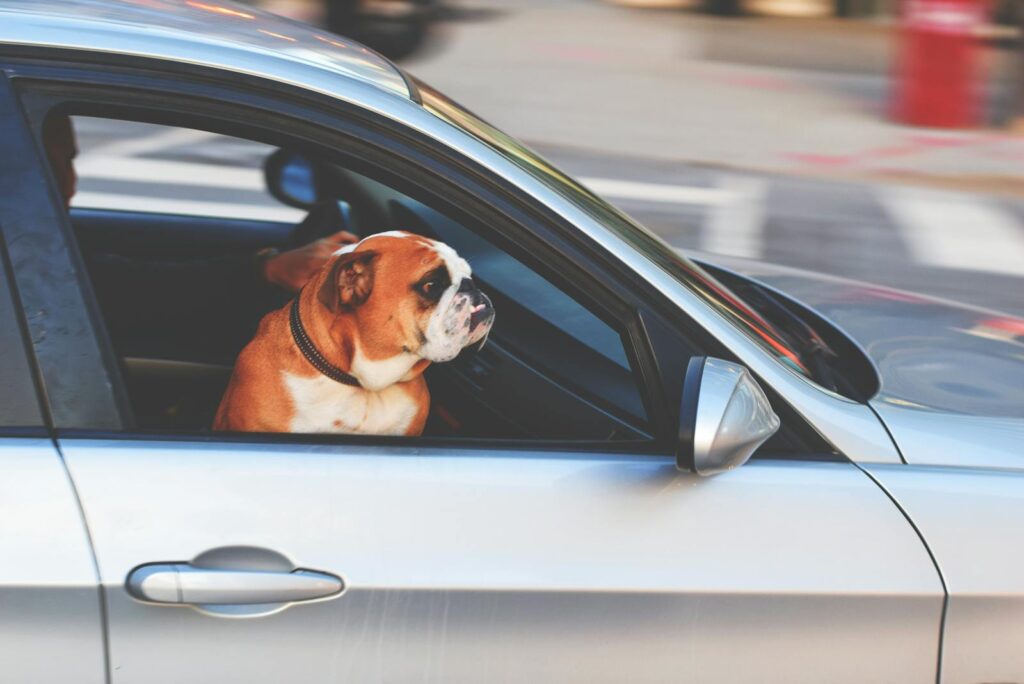
Currently, laws about leaving dogs in hot cars vary by state. Some states have specific laws that allow citizens to rescue dogs from hot cars. For example, Arizona and California are the few states that permit citizens to act directly.
Your actions can make a difference. If you see a dog in distress inside a hot car, understand the laws in your area before intervening. In some states, you might be protected from legal repercussions, while in others, you may face charges.
To create more change and protect more pets, you can:
- Speak up: Contact your local representatives and advocate for stronger laws.
- Use social media to educate others about the dangers of leaving pets in hot cars.
- Participate in community meetings: Attend town hall meetings to discuss the importance of these laws.
Remember always to prioritize safety. If you’re unsure of what to do, call the authorities immediately. Your quick action can save a life. Together, you can help ensure that laws across all states protect pets from the dangers of hot cars.

Elizabeth Redd has been in Washington, D. C. since 1970. Welcome to "Pooch Wellness Path," your trusted guide to enhancing the well-being of your cherished furry friends. At the heart of our community lies a commitment to holistic wellness, combining comprehensive care with unconditional love.
We're here to offer you the latest nutrition, fitness, mental health, and preventive measures, lighting the way to peak health for your pet. Dive into our thriving network of dog lovers, where the happiness of our companions takes center stage.
We're all about sharing groundbreaking wellness tips and nurturing an environment where every dog thrives. Step into Pooch Wellness Path, where each joyful bark and wag is a testament to thriving health.

