
The Unexpected Effects of

Sun Exposure on Dogs!
Is Summer Putting Your Dog at Risk?: Summer can be a time of fun and relaxation, but it can also present several dangers to your furry friend. Hot pavement, toxic plants, and overheating are just a few of the hazards that put your dog at risk during the summer months. Ensuring your dog stays cool and hydrated is crucial to their health and happiness.
When temperatures rise, the risk of burnt paw pads on hot asphalt and increased chance of heatstroke become real concerns. Limiting their time on hot surfaces and providing plenty of fresh water is essential. Consider applying pet-safe sunscreen if they will be outside for extended periods.
Swimming is an excellent way for dogs to cool down, but always rinse them off after a dip to remove chlorine or salt that can irritate their skin. Also, never leave them unattended in the water to prevent accidents. These precautions will help keep your dog safe and comfortable all summer.
The Basics of Summer Dog Safety
During the summer, dogs face several risks due to higher temperatures and environmental factors. Awareness of heatstroke, dehydration, and hot pavements can help keep your dog safe and healthy.
Understanding Heatstroke in Dogs
Heatstroke occurs when your dog’s body temperature rises to dangerous levels. Signs include excessive panting, drooling, bright red gums, and lethargy. In severe cases, your dog may experience vomiting, diarrhea, or loss of consciousness.
Never leave your dog in a hot car—even for a few minutes—to prevent heatstroke. Make sure they have access to shade and fresh water. On hot days, limit exercise to early mornings or late evenings when temperatures are more relaxed. Use cooling products like vests or pads to help regulate your dog’s body temperature.
Recognizing Dehydration Signs
Is Summer Putting Your Dog at Risk?: Dehydration in dogs can happen quickly during the summer. Key signs include dry gums, loss of skin elasticity, sunken eyes, and lethargy. Checking your dog’s gums and performing a skin tent test can help you monitor their hydration levels.
Provide plenty of fresh water throughout the day, especially after exercise or play. Portable water bowls and dog-friendly fountains can be helpful during walks or outings. If your dog enjoys swimming, make sure it is rinsed with fresh water afterward to remove any chlorine or salt that may irritate its skin.
The Dangers of Hot Pavements
Hot pavements can burn and blister your dog’s paw pads. When the outside air temperature is 77°F, the asphalt can reach up to 125°F. Always check the pavement with your hand before allowing your dog to walk on it.
If it’s too hot for your hand, it’s too hot for your dog’s paws. Walk your dog in grassy areas or shaded paths, and consider using dog booties for protection. Keeping walks shorter during peak heat can also help prevent paw injuries.
Understanding these summer safety basics allows you to create a safer and more enjoyable season for your dog.
Protecting Your Pooch from Parasites
Summer can bring an increased threat of parasites that can harm your dog. Protecting your pet involves understanding tick bites, managing flea infestations, and preventing heartworm diseases.
Preventing Tick Bites and Diseases
Is Summer Putting Your Dog at Risk? Ticks are common parasites that can transmit serious illnesses to your dog, such as Lyme disease and anaplasmosis. To protect your pet, inspect it daily for ticks, especially after walks in grassy or wooded areas.
Use a tick-preventive product recommended by your veterinarian. Avoiding tall grasses, using tick collars, and applying spot-on treatments can help.
If you find a tick, remove it immediately with tweezers. Grasp the tick close to the skin and pull steadily. Don’t twist or squeeze, as this might leave parts embedded.
Flea Infestations and Control
Fleas can quickly become a significant issue during the summer. They cause itching and discomfort and can lead to skin infections or allergic reactions. Control fleas by treating your dog with veterinarian-recommended flea prevention products like topical treatments, oral tablets, or flea collars.
Vacuum your home frequently, including your dog’s bedding, to remove flea eggs and larvae. If an infestation occurs, consider using flea sprays or foggers. Bathing your dog regularly with a mild flea shampoo can also be effective.
Cleaning your dog’s living environment helps break the flea lifecycle and keeps your dog happy and healthy.
Heartworm: A Silent Summer Threat
Heartworms, transmitted by mosquito bites, pose a severe risk during warmer months. They can live in the heart, lungs, and blood vessels and cause severe damage. Protect your dog by giving monthly heartworm preventives available as oral medications or injections.
Regular testing for heartworms is crucial. Annual heartworm tests can detect an infection early and ensure prompt treatment.
You must consult your vet for the best preventive strategy for your pet’s needs. Reducing your dog’s exposure to mosquitoes by using repellents and keeping them indoors during peak mosquito activity times also helps.
You can safeguard your dog against these common summer parasites by staying vigilant and proactive.
Water Safety for Canine Companions
Ensuring your dog’s safety around water is crucial during summer. Focus on pool guidelines and preventive measures to keep your dog safe while having fun.
Pool Guidelines for Dogs
Is Summer Putting Your Dog at Risk?: Swimming pools can be an excellent spot for your dog to cool off, but there are some safety tips you need to follow. Always supervise your dog whenever they are near or in the pool. No matter how good a swimmer your dog is, supervision is essential.
Invest in a dog-specific life jacket. This is especially important if your dog is new to the water or not a strong swimmer. Life jackets provide buoyancy and make swimming less strenuous for your dog.
Consider teaching your dog how to exit the pool safely. Show them the pool’s steps or use a dog ramp. This can prevent your dog from getting tired or panicked if they can’t find a way out.
Check the water temperature before letting your dog swim. Too cold water can lead to hypothermia, while overly warm water might not effectively cool them off.
Finally, make sure your pool chemicals are balanced. High chlorine levels or other chemicals can irritate your dog’s skin and eyes. After swimming, rinse your dog off to remove any residual chemicals.
Seasonal Dog Care Tips
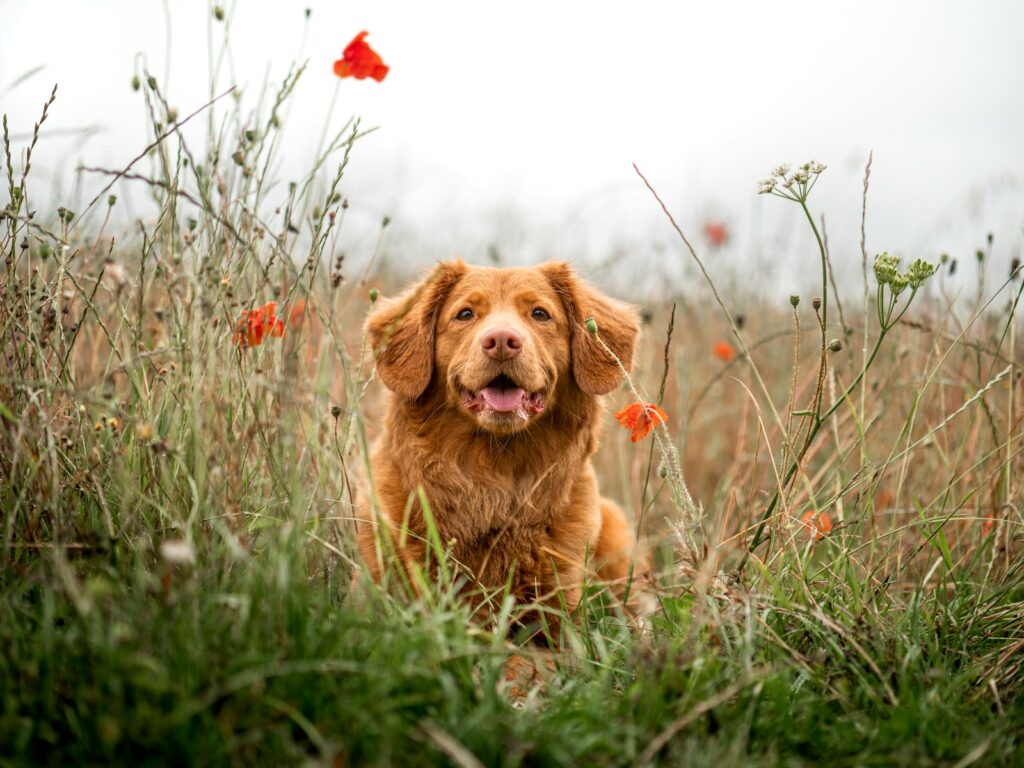
Ensuring your dog is well taken care of during the hot summer months requires attention to grooming, diet adjustments, and exercise routines. These strategies help keep your furry friend comfortable and safe from seasonal hazards.
Summer Grooming Essentials
Proper grooming is vital to keep your dog cool and healthy. Regularly brush your dog to remove excess fur, which can trap heat and cause discomfort. A trim might benefit some breeds, but avoid shaving as their coat protects against sunburn.
Bathing: Use a gentle, dog-specific shampoo to clean away oils and dirt. Be sure to rinse thoroughly to avoid skin irritation.
Paw Care: Hot pavement can cause burns. Check and moisturize their paw pads using pet-safe balms.
Ear Care: Keep ears clean and dry to prevent infections, which are more common in summer.
Managing Your Dog’s Diet in Heat
Adjust your dog’s diet to help them cope with higher temperatures. Always provide fresh water and add ice cubes to keep it cool.
Hydration: Increase water intake to prevent dehydration. Wet food can also help maintain hydration levels.
Feeding Schedule: Feed at more fantastic times, such as early morning or late evening, to avoid heat-related stress.
Food Choices: Avoid heavy and rich foods that can be harder to digest. Instead, opt for lighter meals and consider fruits like watermelon and blueberries, which are safe and hydrating.
Appropriate Exercise and Rest
Exercise is essential, but it should be managed carefully. Limit activities to early morning or late evening, when people are more relaxed, and continuously monitor for signs of overheating.
Shorter Walks: Reduce the duration and intensity of walks. Choose shaded routes and avoid asphalt or concrete to protect their paws.
Rest Areas: Ensure your dog has access to cool, shaded areas for rest. Indoors, use fans or air conditioning to keep the environment comfortable.
Water Play: Swimming can be a great exercise. Always supervise near water and rinse any chlorine or salt from their coat.
Being Prepared for Emergencies
Ensuring your dog is safe during an emergency requires having a properly stocked first aid kit and knowing which vet to contact in case of an urgent situation.
Creating a Doggy First Aid Kit
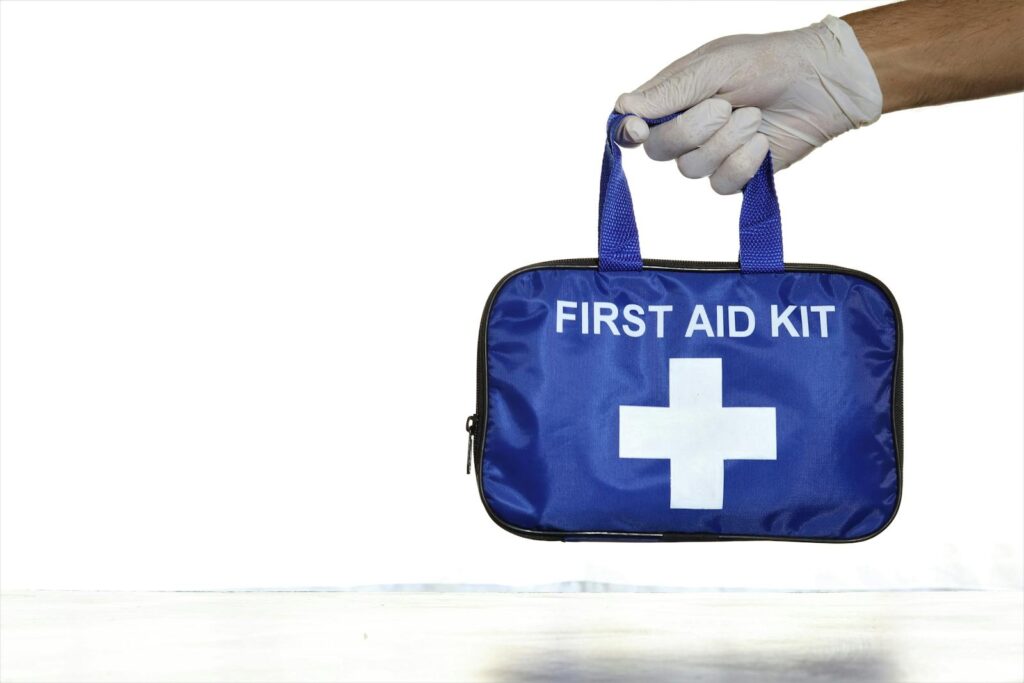
A well-prepared first aid kit for your dog can be a lifesaver. Start with essential items such as bandages, gauze pads, and adhesive tape for wound care. Pack a digital thermometer to monitor your dog’s temperature, ensuring it remains between 101°F and 102.5°F. Include an assortment of antiseptic wipes and sprays to clean minor cuts and abrasions.
Remember essential medications like hydrocortisone cream for itching and antihistamines for allergic reactions. A pair of tweezers and scissors is handy for tick removal and cutting bandages to size. Pack a muzzle as well; even the friendliest dogs can bite when in pain. Hydrogen peroxide can serve as an emetic if your vet advises it.
Lastly, include a copy of your dog’s medical records, including vaccination history, in case you need emergency vet care.
Emergency Vet Contacts and Procedures
Knowing who to call and what to do can save precious minutes. Compile a list of 24/7 emergency veterinary clinics in your area. Ensure this list includes the clinic’s name, address, and phone number, and keep it in a readily accessible place within your home and on your phone.
Regular vets might have specific after-hours contacts they recommend, so consult them for suggestions. In an emergency, calmly but swiftly assess the situation. If your dog is severely injured, call the vet to ensure your pet is secure. For broken bones or severe wounds, use a soft stretcher to transport them without causing further harm.
Familiarize yourself with basic procedures such as dog CPR and the Heimlich maneuver. Understanding these techniques can be crucial in life-threatening circumstances.
Conclusion and a Call to Action
Is Summer Putting Your Dog at Risk?: Your dog’s safety during the summer is a priority. By taking simple precautions, you can ensure they stay relaxed and comfortable.
Key Tips:
- Provide plenty of water and shade.
- Avoid walking your dog during peak sun hours.
- Use canine-safe sun protection and cooling gear.
- Monitor for signs of heatstroke, like excessive panting or lethargy.
It’s important to remember that different environments pose different risks. Always stay vigilant, Whether at the beach, park, or home. Be aware of hazards like hot pavement, toxic foods, and water safety.
Quick Checklist:
- Hydration: Fresh, cool water is available at all times.
- Shade: Access to shady spots.
- Exercise: Avoid intense activity at midday.
- Swimming: Supervised and in safe, clean waters.
- Grooming: Regular brushing and trimming.
These tips will help your furry friend enjoy a fun, safe summer. Please share this information with fellow dog owners to spread the word.
Remember, your actions make a huge difference. Stay proactive and keep your dog’s health a top priority.
Check out these summer safety tips for dogs for more valuable tips on keeping your dog safe this summer.
Take action now to ensure your beloved pet a happy, healthy summer!

Elizabeth Redd has been in Washington, D. C. since 1970. Welcome to "Pooch Wellness Path," your trusted guide to enhancing the well-being of your cherished furry friends. At the heart of our community lies a commitment to holistic wellness, combining comprehensive care with unconditional love.
We're here to offer you the latest nutrition, fitness, mental health, and preventive measures, lighting the way to peak health for your pet. Dive into our thriving network of dog lovers, where the happiness of our companions takes center stage.
We're all about sharing groundbreaking wellness tips and nurturing an environment where every dog thrives. Step into Pooch Wellness Path, where each joyful bark and wag is a testament to thriving health.

