Watching a puppy grow and explore the world is one of life’s simple joys. Those wiggly tails and curious noses aren’t just adorable—they’re also crucial parts of their emotional development. Early socialization plays a key role in shaping how puppies interact with people, other animals, and their environment.
I’ve always been fascinated by how these early experiences can impact a dog’s behavior for the rest of its life. From meeting new friends at the park to playing with different toys, each moment helps build a foundation for a well-adjusted, confident adult dog. Let’s dive into why early socialization is so important and how it can make all the difference in your puppy’s emotional growth.
Understanding Emotional Development in Puppies
The Importance of Early Socialization
Early socialization shapes a puppy’s emotional growth. Experiences like meeting new friends and playing with various toys build trust and confidence. Puppies exposed to different environments tend to adapt better. When a puppy isn’t socialized early, it may develop fear and anxiety issues later in life. Engaging with a variety of stimuli helps puppies understand their world.
- Neonatal Stage (0-2 Weeks)
Newborn puppies rely on touch and scent. During this period, they cannot see or hear. Handled gently by humans, puppies show early development signs of trust. - Transitional Stage (2-4 Weeks)
Puppies start to open their eyes and ears. They become aware of their surroundings. Introducing mild stimuli, such as different textures, aids sensory development. - Socialization Stage (4-12 Weeks)
This is a crucial period. Puppies learn social cues from their littermates and mother. Engaging with humans, other animals, and new environments during this stage promotes balanced emotional growth. Positive experiences now prevent fear issues later. - Juvenile Stage (3-6 Months)
Puppies become more independent. They start exploring more and learning complex behaviors. Continued socialization ensures their development remains on track. - Adolescent Stage (6-18 Months)
Emotional development slows but doesn’t stop. Puppies begin to test boundaries. Reinforcing training and maintaining socialization keeps their emotional balance.
Ensuring puppies pass through these stages with proper socialization helps in raising a confident, well-adjusted dog.
Methods of Socializing Puppies
Interaction With Humans
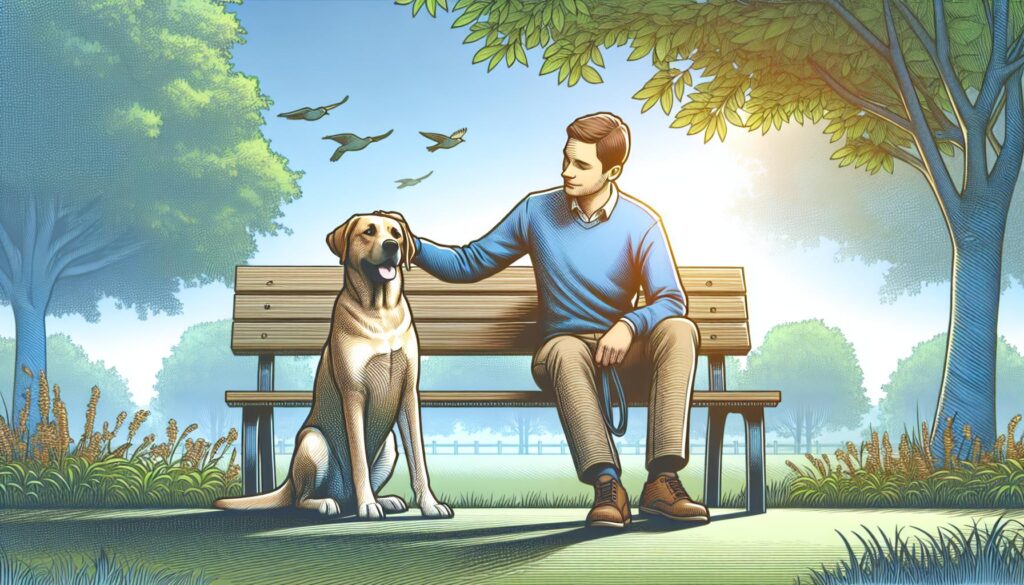
Regular interaction with humans is crucial for a puppy’s emotional development. Daily sessions of gentle handling, petting, and playing can build a puppy’s trust and comfort around people. By exposing puppies to different age groups, like children and seniors, they learn to adapt to various human behaviors and appearances. For instance, having friends and family members visit often can help puppies become more accustomed to new faces and voices.
Exposure to Other Animals
Puppies should regularly meet other animals to develop positive associations. Facilitating controlled meetings with other dogs, like in a safe backyard or a pet-friendly park, is essential. Introducing puppies to different species, such as cats or rabbits, can also prevent future aggression or fear. Supervised playdates can ensure interactions remain positive and prevent any negative experiences that could hinder social development.
Introducing New Environments
Taking puppies to diverse environments helps them become well-adjusted adults. Visits to different settings, like urban areas, parks, and even indoor spaces such as shops, can familiarize them with various sights and sounds. Each new environment introduces unique stimuli, promoting adaptability and reducing anxiety. Car rides, for example, prepare puppies for future travel, making them more comfortable and less stressed in changing conditions.
Benefits of Early Socialization for Puppies
Enhanced Learning Abilities
Early socialization leads to enhanced learning abilities in puppies. During this stage, puppies are more open to new experiences, making it easier for them to absorb information. Engaging with various stimuli like different people, animals, and environments helps puppies develop cognitive flexibility. For instance, puppies exposed to diverse settings learn to navigate new situations better than those who lack these experiences. This early exposure fosters problem-solving skills and adaptability, which are crucial for emotional development.
Improved Behavioral Responses
Improved behavioral responses are a significant benefit of early socialization. Puppies that interact with different stimuli tend to exhibit fewer behavioral issues like aggression or fearfulness. Socialized puppies learn to adapt to new environments, reducing anxiety in unfamiliar situations. For example, puppies accustomed to meeting different people are less likely to react aggressively towards strangers. Better social skills lead to more predictable reactions, making interactions with pets and humans more harmonious. Early socialization thus promotes a well-adjusted adult dog, capable of coping with diverse circumstances.
Challenges in Puppy Socialization
Common Socialization Mistakes
I often see common mistakes in puppy socialization that hinder emotional development. One frequent error is rushing the process, exposing puppies to too many stimuli in a short time. Overloading a puppy can lead to stress and anxiety. Another mistake is inconsistency. Puppies benefit from regular and varied interactions, not occasional ones. Additionally, isolating puppies during critical periods can prevent them from learning essential social cues. It’s crucial to balance between protective instincts and necessary exposure.
Inconsistent training methods also contribute to confusion. Using different approaches or messages can create uncertainty in puppies, affecting their ability to learn proper behaviors. Finally, assuming socialization ends after a few weeks is a misconception. Continuous socialization throughout the puppy’s life is essential for reinforcing positive behaviors and emotional stability.
Overcoming Fear and Anxiety in Puppies
Overcoming fear and anxiety in puppies is integral to their emotional development. Gradual exposure to new environments and situations can reduce apprehension. When introducing a puppy to new stimuli, small, controlled doses are effective.
Training sessions should include positive reinforcement. Rewarding calm behavior with treats or praise can help a puppy associate new experiences with positive outcomes. Socialization with humans and other animals can also reduce fear and anxiety. Structured playdates with other well-socialized dogs can teach a puppy confidence.
It’s essential to recognize signs of stress. If a puppy shows excessive fear, scaling back the intensity or duration of the exposure is necessary. Consulting a professional trainer may be helpful if anxiety persists, as they can offer specialized techniques tailored to the puppy’s needs.
Overall, addressing fear and anxiety promptly and effectively supports the puppy’s emotional health and promotes confident behavior into adulthood.
Conclusion
Early socialization is a game-changer for a puppy’s emotional development. By exposing puppies to a variety of stimuli and ensuring they have positive interactions, we’re setting them up for a lifetime of confidence and well-being. It’s important to be patient and consistent, recognizing that socialization is an ongoing process.
By overcoming challenges and understanding our puppies’ needs, we can help them grow into well-adjusted adult dogs. Let’s commit to providing them with the best start possible, fostering their emotional health and building trusting relationships that will last a lifetime.

Elizabeth Redd has been in Washington, D. C. since 1970. Welcome to "Pooch Wellness Path," your trusted guide to enhancing the well-being of your cherished furry friends. At the heart of our community lies a commitment to holistic wellness, combining comprehensive care with unconditional love.
We're here to offer you the latest nutrition, fitness, mental health, and preventive measures, lighting the way to peak health for your pet. Dive into our thriving network of dog lovers, where the happiness of our companions takes center stage.
We're all about sharing groundbreaking wellness tips and nurturing an environment where every dog thrives. Step into Pooch Wellness Path, where each joyful bark and wag is a testament to thriving health.