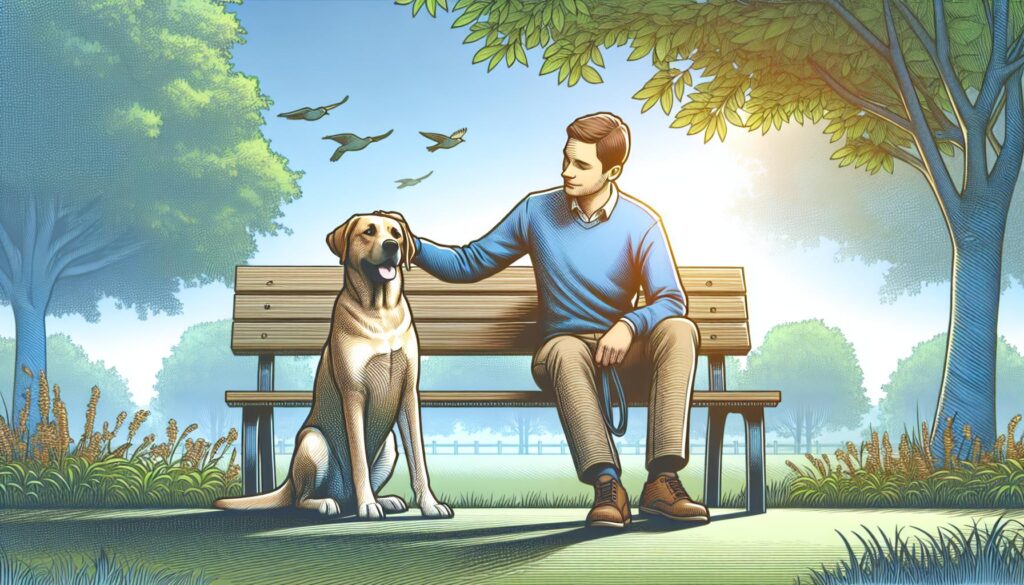
Bringing home a new puppy is always an exciting adventure, but what happens when your furry friend is more fearful than frisky? I’ve been there, and it can be heart-wrenching to see those timid eyes and hesitant steps. The good news is that with the right approach, you can help your pup transform from fearful to fabulous through the magic of socialization.
Understanding Fear in Puppies
Signs of Fear and Anxiety in Puppies
Recognizing fear in puppies is crucial for effective socialization. Puppies often display specific signs when they’re anxious. These signs include:
- Trembling or shaking: Puppies shiver when they’re scared.
- Cowering or hiding: Anxious puppies retreat to corners or hidden spots.
- Excessive barking or whining: Fearful puppies make loud noises.
- Pacing or restlessness: Nervous puppies can’t stay still.
- Yawning or lip licking: Stress causes these subtle signs.
Noticing these behaviors early helps address their anxiety effectively.
Common Triggers for Puppy Fear
Identifying fear triggers helps in managing a puppy’s anxiety. Typical triggers include:
- Loud noises: Thunderstorms and fireworks scare puppies.
- Strange people: Unexpected guests or unfamiliar faces cause fear.
- New environments: Unfamiliar places make puppies anxious.
- Other animals: Pets they haven’t met before can intimidate them.
- Separation from owners: Being alone stresses many puppies.
Addressing each trigger individually aids in better socialization and adaptation.
The Importance of Socialization
Benefits of Early Socialization
Early socialization plays a critical role in a puppy’s development. Puppies exposed to various environments, people, animals, and sounds before they’re 12 weeks old are more likely to grow into well-adjusted adults. For instance, socialized puppies exhibit fewer behavioral issues such as aggression, excessive barking, and fearfulness.
Socialized puppies also tend to adapt better to new situations. They are generally more confident and less likely to react negatively to unfamiliar stimuli. This adaptability can lead to a more harmonious relationship between the dog and its owner. It’s easier to train a well-socialized puppy, as they are open to learning and engaging with their surroundings.
Socialization Windows in Puppies
Puppies have specific periods where socialization is most effective, commonly referred to as “socialization windows.” The primary window occurs between 3 and 14 weeks of age. During this time, puppies are highly receptive to new experiences and learn to accept them as normal. If puppies encounter diverse experiences during this period, they can better manage stress and anxiety later in life.
Another critical window exists between 8 and 12 weeks. This is when puppies are particularly sensitive to fear. Exposure to positive experiences during this time helps mitigate long-term fear responses. Conversely, negative experiences can have a lasting impact, making it crucial to ensure all interactions are positive and reassuring.
Understanding these socialization windows enables owners to strategically introduce new stimuli in a controlled, positive manner, setting a strong foundation for a well-adjusted adult dog.
Key Techniques for Socializing Fearful Puppies
Gradual Exposure
Introducing fearful puppies to new experiences slowly can help them build confidence. Gradual exposure involves presenting the puppy to different stimuli, such as noises and people, in a controlled manner. If the puppy reacts negatively, waiting and trying the next day can prevent overwhelming the puppy. Consistently exposing the puppy to new experiences, using short sessions, can make the process more manageable.
Positive Reinforcement
Using positive reinforcement encourages desired behaviors. When the puppy encounters new stimuli calmly, rewarding them with treats or praise strengthens the behavior. Positive reinforcement helps the puppy associate new experiences with positive outcomes. Carrying treats during walks or playtime ensures immediate rewards for good behavior. Consistency in rewarding the puppy fosters an environment where they feel safe and encouraged to explore.
Controlled Environment Interaction
Arranging controlled environment interactions helps manage the puppy’s fear response. Setting up playdates with calm dogs or inviting friends over in a familiar setting can reduce anxiety. If the environment is predictable and safe, the puppy feels more secure. Monitoring the puppy’s reactions and adjusting the exposure level based on their comfort can ensure progress. Organizing these interactions regularly can help transform a fearful puppy into a confident and social adult dog. Additionally, providing a safe space like a crate offers the puppy an option to retreat if they feel overwhelmed.
Challenges and Setbacks in Socializing Fearful Puppies
Puppies often face hurdles during socialization, making patience and consistency vital. Recognizing and addressing these challenges ensures their transformation into confident adult dogs.
Handling Setbacks Positively
Setbacks can occur when a puppy regresses or shows increased fear. During these times, staying calm is essential. Puppies sense emotions, so maintaining a calm demeanor helps them feel secure. Using positive reinforcement, like treats or praise, can encourage fearful puppies to continue trying new experiences without fear of punishment or reprimand.
For example, if a puppy reacts fearfully to a new noise, exposing them gradually, paired with treats, desensitizes them over time. Consistency in approach ensures progress, even if it’s slow. Tracking progress helps identify patterns and adjust strategies as needed.
When to Seek Professional Help
Sometimes, despite best efforts, a puppy’s fear remains unchanged. If progress stalls, seeking professional help becomes necessary. A certified dog trainer or a veterinary behaviorist can assess and provide specialized strategies. Professionals bring expertise in handling severe cases, using individualized plans to tackle persistent fears.
Early intervention prevents long-term behavioral issues. If regular methods fail, a professional’s guidance can spell the difference, ensuring a fearful puppy becomes a well-socialized dog.
Conclusion
Transforming a fearful puppy into a confident and well-socialized dog takes time and effort but it’s incredibly rewarding. By recognizing signs of fear early and using gradual exposure and positive reinforcement you can help your puppy navigate the world with ease. Remember patience and consistency are key.
Don’t hesitate to seek professional help if needed. A well-socialized puppy grows into a happy and well-adjusted adult dog and that’s the ultimate goal. So take it one step at a time and enjoy the journey with your furry friend.

Elizabeth Redd has been in Washington, D. C. since 1970. Welcome to "Pooch Wellness Path," your trusted guide to enhancing the well-being of your cherished furry friends. At the heart of our community lies a commitment to holistic wellness, combining comprehensive care with unconditional love.
We're here to offer you the latest nutrition, fitness, mental health, and preventive measures, lighting the way to peak health for your pet. Dive into our thriving network of dog lovers, where the happiness of our companions takes center stage.
We're all about sharing groundbreaking wellness tips and nurturing an environment where every dog thrives. Step into Pooch Wellness Path, where each joyful bark and wag is a testament to thriving health.