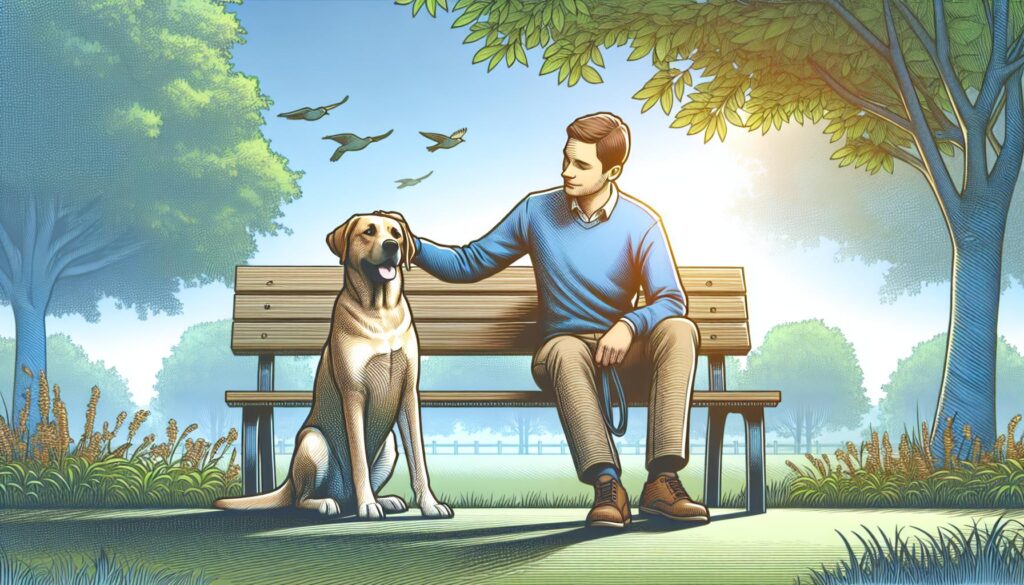
When I brought my puppy home for the first time, I quickly realized that socialization was more than just a fun activity—it was crucial for their emotional development. Puppies, like children, need to learn how to interact with the world around them to grow into well-adjusted adults.
Socializing your puppy isn’t just about introducing them to other dogs; it’s about exposing them to different people, environments, and experiences. This helps them build confidence, reduce anxiety, and develop a well-rounded personality. Trust me, the effort you put into socializing your puppy now will pay off with a happier, more emotionally resilient dog in the future.
Understanding Puppy Socialization
What Is Puppy Socialization?
Puppy socialization involves exposing puppies to various people, places, and experiences. This exposure helps them learn how to interact with their environment. From meeting new people to experiencing different surfaces, socialization teaches puppies to be comfortable and confident. Introducing puppies to different situations reduces their fear and anxiety later in life.
Different experiences during this developmental stage shape their behavior. Interactions with other dogs, meeting people of all ages, and exposure to various sounds and objects all contribute to well-rounded socialization. Experiences must be positive, ensuring puppies associate new things with good outcomes.
Importance of Early Social Interaction
Early social interaction is essential for puppies’ emotional development. Puppies exposed to different stimuli during their critical development period, typically between 3 to 14 weeks, develop better social skills. Socialization during this time helps prevent behavior issues like fear and aggression.
Interacting with others teaches puppies about appropriate behavior. They learn bite inhibition, body language, and communication skills through play and interaction. Puppies that are well-socialized are more adaptable and cope better with new situations, making them happier and more balanced adults.
Emotional Development Through Socialization
Building Confidence and Reducing Fear
Socializing puppies builds their confidence, exposing them to different environments, sounds, and experiences. Meeting new people and encountering various situations teaches puppies that the world is not a scary place. For example, walking on different surfaces (grass, concrete, sand) and hearing common noises (vacuum cleaners, traffic) reduces fear. When puppies face these challenges early, they are more likely to handle unexpected situations calmly as they mature. By consistently introducing them to diverse settings and stimuli, we cultivate a sense of security and curiosity in our puppies.
Impact on Behavior and Temperament
The experiences puppies go through during socialization impact their long-term behavior and temperament. Well-socialized puppies tend to be friendly and approachable. For example, a pup familiar with other dogs, children, and various social settings is less likely to develop anxiety or aggression. They learn crucial social skills, like proper play behavior and respectful interactions. This early exposure shapes a balanced temperament, leading to easier training and stronger companionship. As they grow, these puppies adapt to new environments and routine changes more effortlessly, contributing to their overall well-being.
Key Techniques in Puppy Socialization
Introducing New Environments
Exposing puppies to a variety of environments during their critical period is essential. Puppies should explore both indoor and outdoor settings (parks, beaches) to help them adapt to different surroundings. By taking them on short car rides, puppies can become comfortable with vehicle travel. Gradually increasing the duration and complexity of these trips can reduce anxiety and build confidence. Ensure the environments are safe and positive to foster a sense of security.
Positive Interactions with Humans and Other Dogs
Encouraging positive interactions with humans and other dogs helps puppies develop essential social skills. Introduce them to people of different ages, genders, and appearances to prevent fear of strangers. Arrange playdates with other vaccinated puppies to teach them proper canine etiquette. Positive reinforcement, like treats and praise, during these interactions reinforces good behavior and creates pleasant associations. Avoid overwhelming situations to ensure the puppy feels comfortable, not stressed.
Challenges and Solutions in Puppy Socialization
Common Socialization Mistakes
Misunderstanding Timing: Starting socialization too late can hinder a puppy’s emotional development. The critical period spans 3 to 14 weeks. During this phase, puppies are more receptive to new experiences.
Overexposure: Introducing too many new stimuli at once can overwhelm a puppy. Gradual exposure is key. If a puppy seems anxious, reduce the intensity and frequency of new interactions.
Inconsistent Reinforcement: Consistency is essential in training. Using inconsistent rewards can confuse puppies. Always reinforce good behavior immediately with treats or affection.
Neglecting Individual Needs: Each puppy has a unique temperament. Tailor socialization efforts to match the puppy’s comfort level and natural curiosity. Avoid forcing interactions if a puppy seems scared or stressed.
Overcoming Socialization Barriers
Limited Access to Diverse Environments: Urban living or restricted mobility can limit exposure. Use creative solutions like varied indoor activities or controlled outings to different settings.
Fear of Strangers: Some puppies may exhibit fear towards new people. Introduce strangers slowly and in a controlled environment. Use positive reinforcement to create positive associations with new faces.
Lack of Other Dogs: Not everyone has access to other dogs for socialization. Arrange playdates with known, well-behaved dogs through local pet groups or friends.
Health Concerns: Puppies may be vulnerable to illnesses before complete vaccinations. Ensure safe interactions by choosing clean environments and supervised meetings with healthy, vaccinated dogs.
Behavioral Issues: Puppies with prior negative experiences may exhibit behavioral issues. Patience and gradual desensitization can help. Consider consulting a professional trainer for persistent problems.
Conclusion
Socializing your puppy is a crucial step in ensuring they grow into well-adjusted and emotionally healthy dogs. By exposing them to a variety of experiences and people, we can help build their confidence and social skills. Remember to be patient and consistent, and don’t hesitate to tailor your approach to fit your puppy’s unique needs. If you ever feel stuck or overwhelmed, seeking professional advice can make a world of difference. With the right effort and love, your puppy will thrive and become a cherished member of your family.

Elizabeth Redd has been in Washington, D. C. since 1970. Welcome to "Pooch Wellness Path," your trusted guide to enhancing the well-being of your cherished furry friends. At the heart of our community lies a commitment to holistic wellness, combining comprehensive care with unconditional love.
We're here to offer you the latest nutrition, fitness, mental health, and preventive measures, lighting the way to peak health for your pet. Dive into our thriving network of dog lovers, where the happiness of our companions takes center stage.
We're all about sharing groundbreaking wellness tips and nurturing an environment where every dog thrives. Step into Pooch Wellness Path, where each joyful bark and wag is a testament to thriving health.