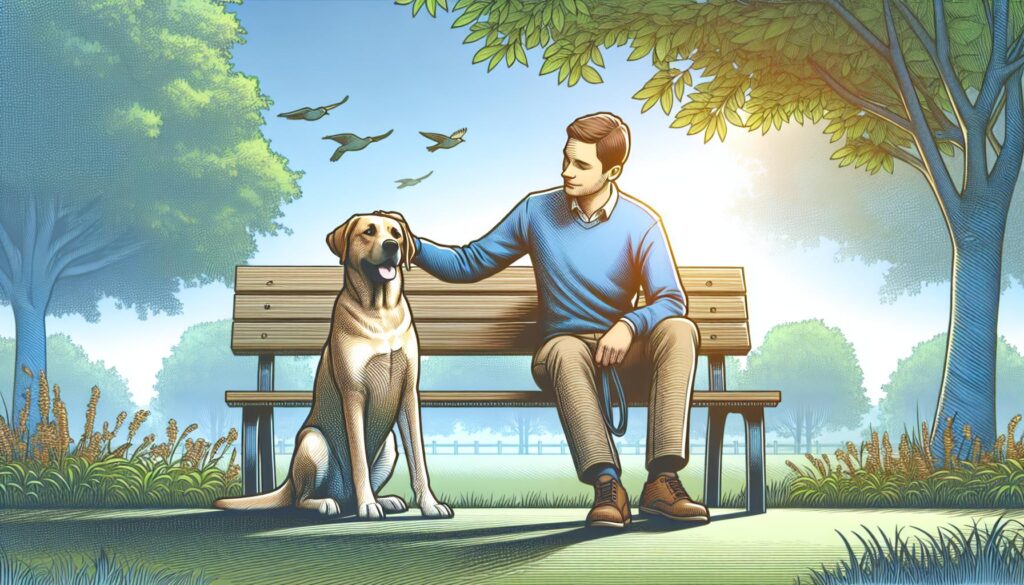
If you’re a dog owner, you know your furry friend constantly communicates with you. From how they wag their tail to the look in their eyes, your dog’s body language can tell you a lot about how they’re feeling. But do you know how to interpret these signals? Understanding your dog’s emotional signals is key to building a solid bond with them and ensuring their well-being.
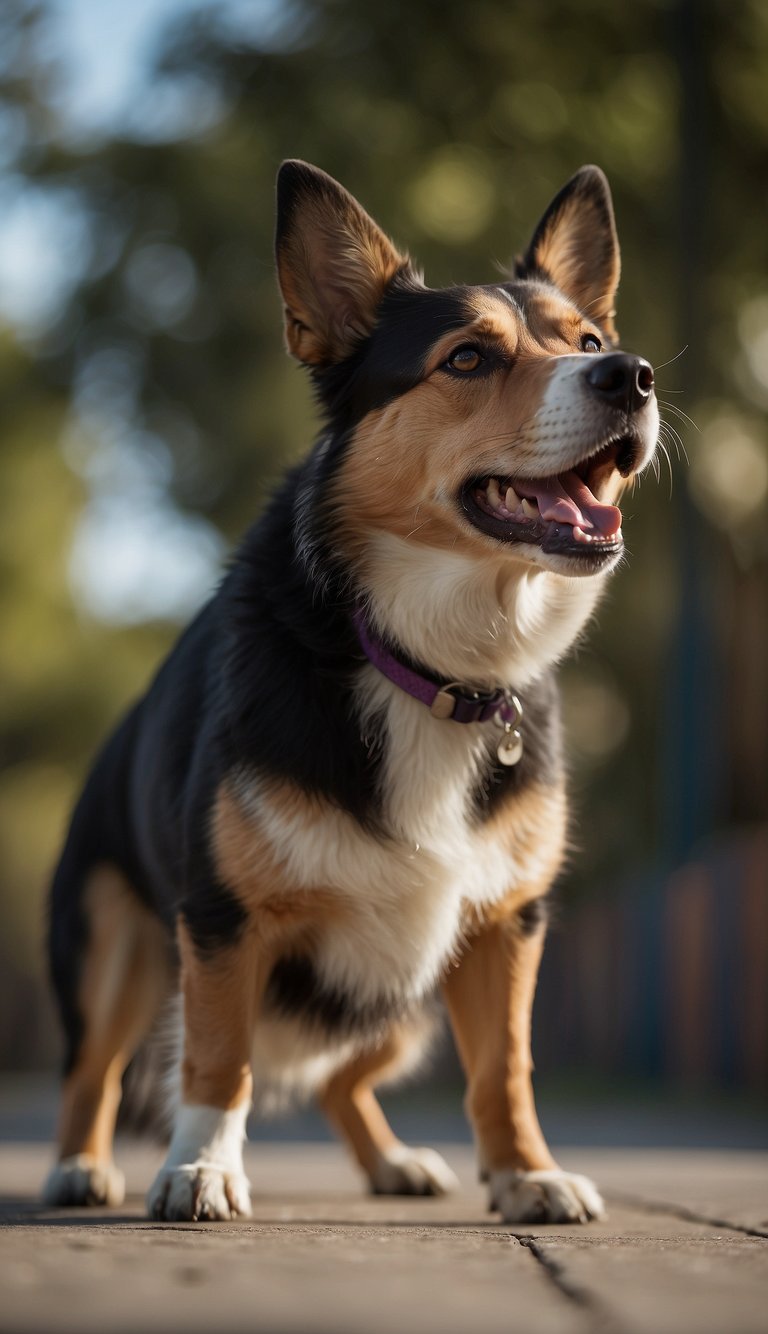
Dogs use a variety of signals to communicate their emotions, and paying attention to them is essential. For example, tail wagging doesn’t always mean your dog is happy. The position and speed of the wag can give you clues about your dog’s emotional state. Similarly, a relaxed body posture doesn’t always mean your dog is calm. Other signals, such as the position of their ears and the look in their eyes, can tell you whether your dog is feeling anxious, fearful, or aggressive. By learning to read your dog’s body language, you can respond appropriately to their needs and strengthen your bond.
This article will explore how to interpret your dog’s emotional signals. We’ll cover the most common signals that dogs use to communicate their emotions and give you tips on how to respond to these signals. Whether you’re a new dog owner or you’ve been living with dogs for years, this guide will help you deepen your understanding of your furry friends and improve your relationship with them. So, let’s get started!
Understanding Canine Body Language
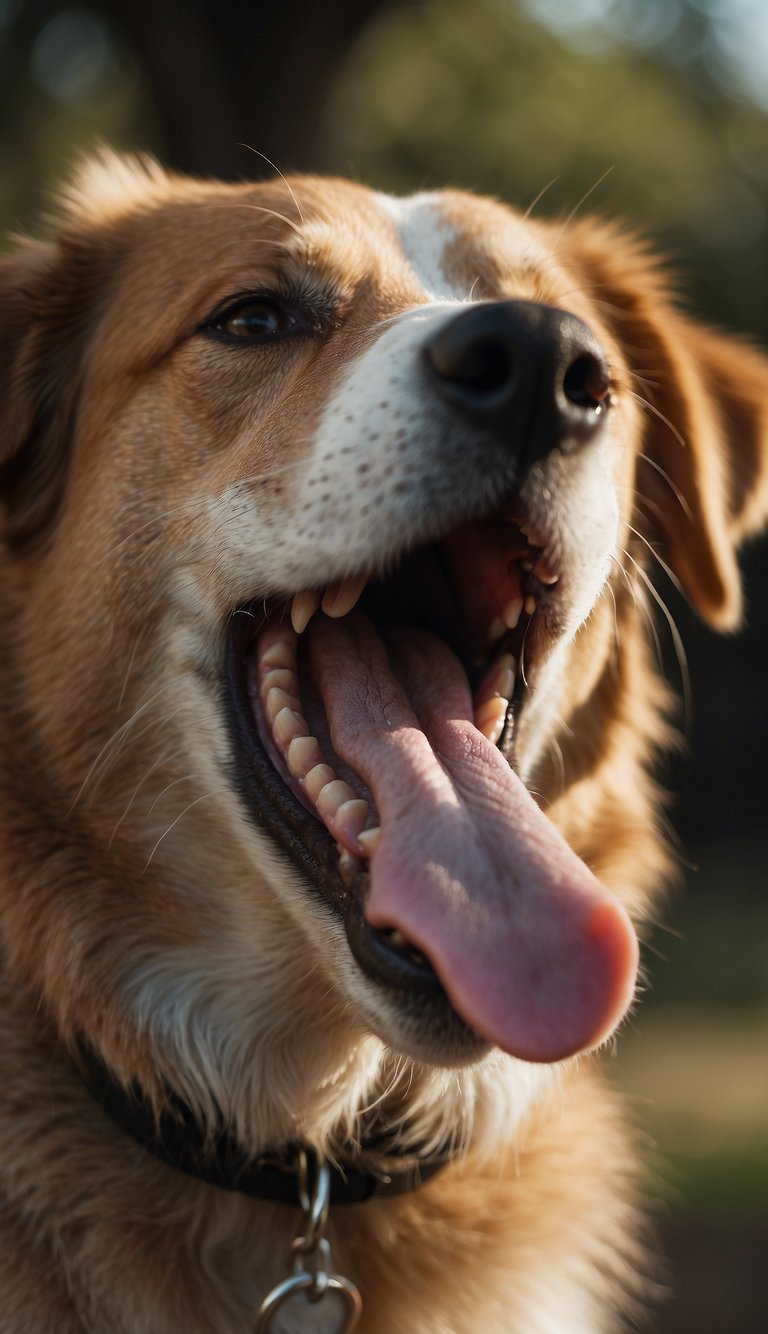
Dogs communicate with humans and other dogs through body language. Understanding your dog’s body language is essential to interpreting their emotional state. Here are some of the essential body language signals to look out for:
Tail Position and Movement
A dog’s tail can convey a lot of information about its emotional state. A high and stiff tail indicates alertness or aggression, while a low and tucked tail indicates fear or submission. A wagging tail can mean happiness, but it can also mean excitement or even aggression, depending on the speed and direction of the wag.
| Tail Position | Emotional State |
|---|---|
| High and stiff | Alertness or aggression |
| Low and tucked | Fear or submission |
| Wagging | Happiness, excitement or aggression |
Ear Orientation
A dog’s ears can also provide valuable information about their emotional state. Erect ears indicate alertness, while flattened ears indicate fear or submission. A dog with one ear up and one ear down may try to listen to something specific.
| Ear Orientation | Emotional State |
|---|---|
| Erect | Alertness |
| Flattened | Fear or submission |
| One ear up, one ear down | Trying to listen to something specific |
Eye Contact and Gaze
Eye contact is an essential part of canine body language. Direct eye contact can be seen as a challenge or a threat while avoiding eye contact can indicate fear or submission. A soft gaze with relaxed eyes indicates a relaxed and calm emotional state.
| Eye Contact and Gaze | Emotional State |
|---|---|
| Direct eye contact | Challenge or threat |
| Avoiding eye contact | Fear or submission |
| Soft gaze with relaxed eyes | Relaxed and calm |
By paying attention to your dog’s body language, you can better understand their emotional state and respond appropriately. Remember, no single body language signal acts alone, so it’s essential to consider all the signals your dog is giving you in context.
Deciphering Vocalizations
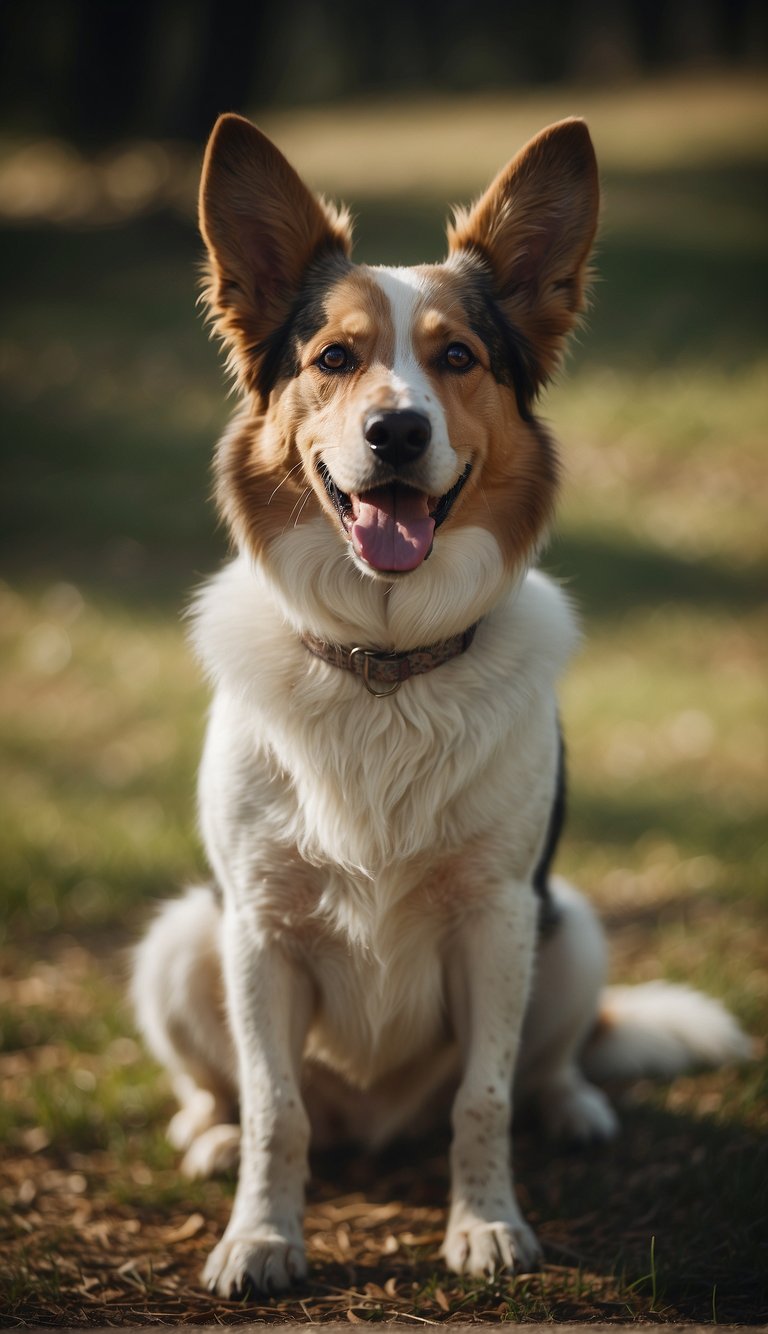
Dogs use vocalizations to communicate their emotional state. Here are some common vocalizations and what they may mean.
Barking and Its Variations
Barking is the most common vocalization in dogs. A sharp, short bark may mean your dog is trying to get your attention or excitement, while a long, drawn-out bark may indicate boredom or loneliness. A rapid, high-pitched bark may indicate fear or anxiety, while a deep, low-pitched bark may indicate aggression.
Whining and Howling
Whining is a high-pitched, drawn-out vocalization that can indicate a variety of emotions, including anxiety, fear, and excitement. If your dog is whining excessively, it may be a sign of distress. Howling is a long, drawn-out vocalization often associated with loneliness or separation anxiety.
Growling and Snarling
Growling and snarling are low-pitched vocalizations often associated with aggression. If your dog is growling or snarling, it may be a sign that it is feeling threatened or uncomfortable. It’s essential to take these vocalizations seriously and give your dog space and time to calm down.
Remember, vocalizations are just one way that dogs communicate their emotions. Pay attention to your dog’s body language and overall behavior to get a complete picture of their emotional state. By understanding your dog’s vocalizations, you can better communicate with them and provide their care and attention.
Recognizing Stress Signals
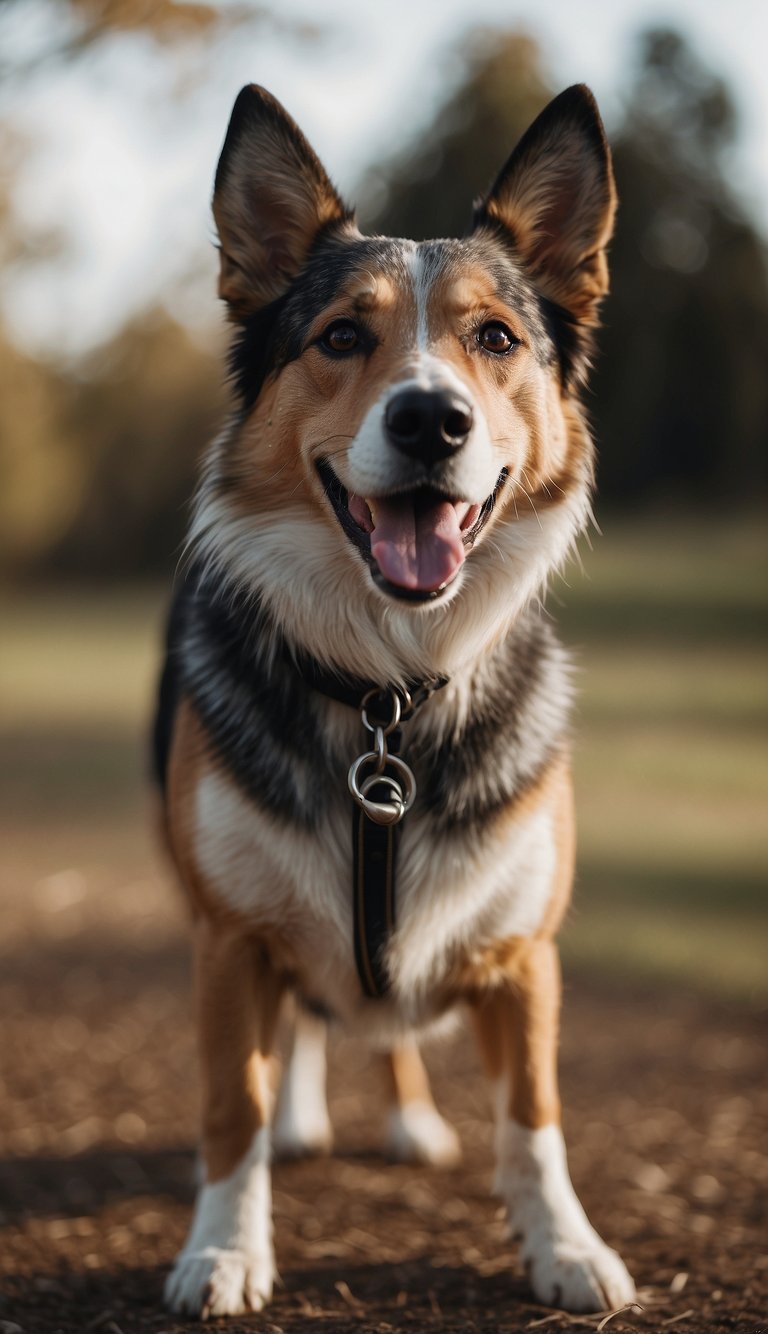
Dogs communicate their emotional state through body language and other behaviors. Recognizing stress signals is essential to prevent your dog from getting overwhelmed and to address any underlying issues. Here are some everyday stress signals to look out for:
Pacing and Yawning
If your dog is pacing back and forth, it could be a sign of stress. This behavior is often accompanied by panting and restlessness. Yawning is another sign of stress in dogs. It’s not always a sign of tiredness. Dogs yawn when they are anxious or stressed. If you notice your dog yawning excessively, it could be a sign that they are feeling overwhelmed.
Lip Licking and Nose Nudging
Lip licking is an everyday stress signal in dogs. It’s a way for dogs to calm themselves down when feeling anxious. If your dog licks their lips frequently, it could indicate they are stressed. Nose nudging is another sign of stress in dogs. Dogs nudge their nose against people or objects when feeling anxious or overwhelmed.
Shedding and Drooling
Shedding and drooling are two other everyday stress signals in dogs. If your dog is shedding excessively, it could be a sign that they are feeling stressed. Dogs also drool when they are anxious or stressed. If you notice your dog drooling excessively, it could be a sign that they are feeling overwhelmed.
By recognizing these stress signals, you can take steps to help your dog feel more comfortable and less anxious. If you notice any of these signs in your dog, try to remove them from the situation causing stress. Provide a comfortable and safe environment for your dog to relax and calm down. Consult with a veterinarian or a professional dog trainer if you have any concerns about your dog’s behavior.
Interpreting Playfulness and Excitement
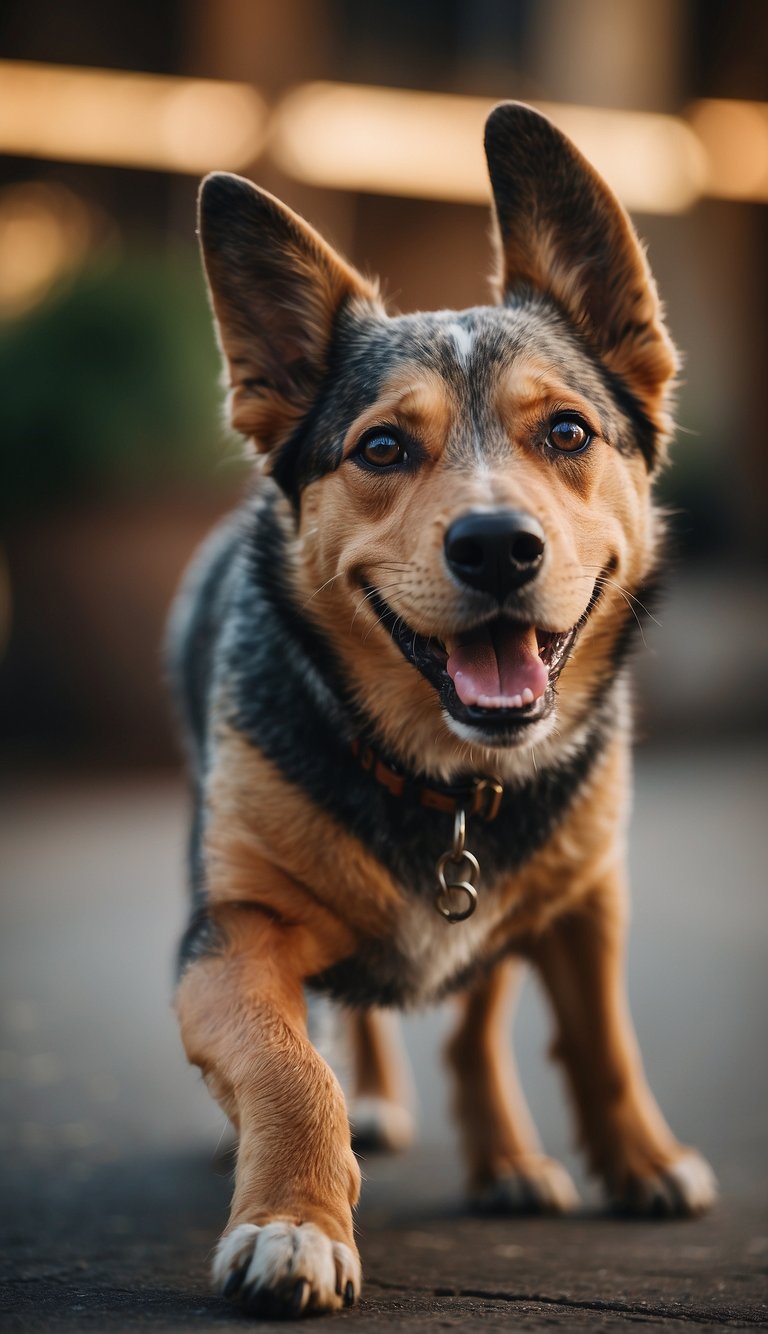
Dogs express their emotions through various signals, such as body language, vocalizations, and movements. As a dog owner, it’s essential to understand your dog’s emotional signals so that you can respond appropriately. This section will discuss how to interpret your dog’s playfulness and excitement.
Bouncy Movements and Play Bows
When a dog feels playful and excited, it may exhibit bouncy movements and play bows. Play bows are when a dog lowers its front end to the ground while keeping its hindquarters up in the air. This signifies that your dog is playful and wants to engage with you or other dogs.
Wagging and Spinning
Another sign of playfulness and excitement is wagging and spinning. When a dog is excited, they may wag their tail rapidly and spin in circles. This indicates that your dog is happy and wants to play. It’s important to note that not all tail wags are the same. To interpret your dog’s emotions and intentions, look at the speed and direction of the wag and the position of the tail.
Excited Vocalizations
Dogs also express their excitement through vocalizations. When a dog is feeling playful and excited, it may bark, whine, or growl in a playful manner. These vocalizations are higher pitched and more energetic than their normal ones. If your dog is making excited vocalizations, it’s a clear sign that it wants to play and engage with you.
Understanding your dog’s emotional signals is essential for building a strong bond with your furry friend. You can better understand your dog’s emotions and respond appropriately by paying attention to its body language, movements, and vocalizations. Remember, when your dog is feeling playful and excited, it just wants to have fun and engage with you, so don’t be afraid to join in on the fun!
Signs of Affection and Trust
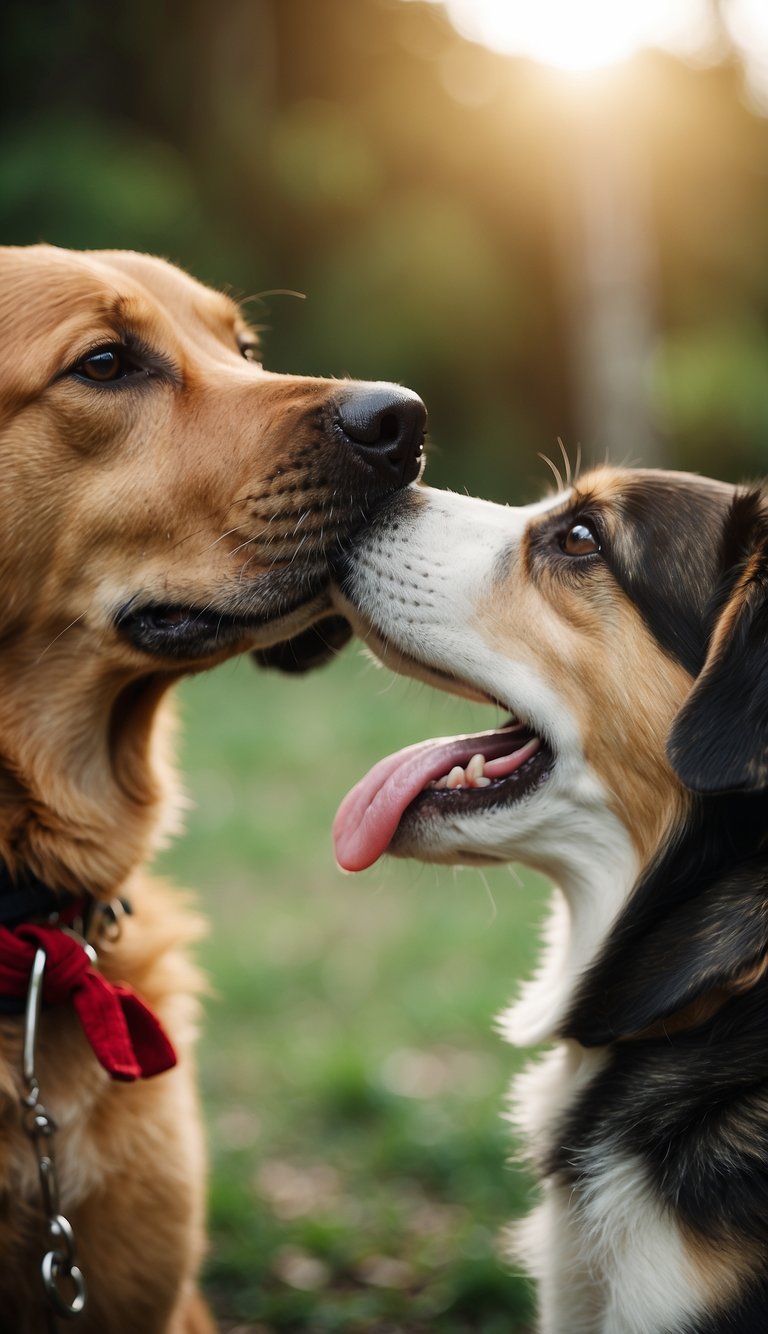
Dogs are known for their loyalty and affection towards their owners. They have a unique way of expressing their emotions, and it’s essential to understand these signals to strengthen the bond between you and your furry friend. Here are some signs of affection and trust to look out for:
Leaning and Nuzzling
Dogs often lean on their owners or nuzzle them to show their affection. This behavior shows that your dog trusts you and feels safe in your presence. When your dog leans on you, it’s their way of seeking comfort and security. You can reciprocate this behavior by gently petting your dog or hugging them.
Licking and Grooming
Dogs also show their affection by licking and grooming their owners. This behavior is a sign of trust and respect. When your dog licks you, it’s their way of showing their love and affection towards you. It’s also a way for dogs to communicate and bond with their owners. If your dog is grooming you, it’s a sign that they consider you part of their pack and want to take care of you.
Calm and Relaxed Posture
A dog’s body language can tell you a lot about its emotions. When your dog is calm and relaxed around you, it’s a sign that it trusts you and feels comfortable in your presence. A relaxed dog will have a loose body posture, with its ears and tail in a neutral position. It may also roll over and expose its belly, which is a sign of submission and trust.
Understanding these signs of affection and trust can strengthen your bond with your dog and create a deeper connection. Remember to reciprocate your dog’s affection and show them love and respect.
Identifying Fear and Anxiety
Dogs communicate their fear and anxiety through their body language. By interpreting these signals, you can better understand your dog is feelings and address any potential issues. Here are some common signs of fear and anxiety in dogs:
Cowering and Tucking Tail
When a dog is afraid or anxious, it may cringe and tuck its tail between its legs. This is a clear sign that it is feeling scared and uncomfortable. If you notice your dog doing this, it is important to approach it calmly and slowly to help it feel safe.
Avoidance and Hiding
Dogs that are afraid or anxious may also avoid eye contact and hide. They may try to find a safe place to hide, such as under a bed or in a closet. If your dog is hiding, it is important to give it space and not force it out of its hiding spot.
Shaking and Trembling
Shaking and trembling are other signs that your dog may feel fearful or anxious. Various things, such as loud noises or unfamiliar situations, can cause this. If your dog is shaking or trembling, try to provide a calm and quiet environment.
It is important to remember that dogs are different and may exhibit fear and anxiety differently. By paying attention to your dog’s body language, you can better understand their emotional state and provide them with the support and care they need.
Aggression Cues
Dogs can exhibit aggressive behavior for assorted reasons, such as fear, anxiety, territoriality, or pain. As a responsible pet owner, it is crucial to recognize the signs of aggression to avoid potential harm to yourself or others. Here are some familiar aggression cues to look out for:
Stiff Body and Staring
A dog with a stiff body and a fixed stare can indicate that it is feeling threatened or uncomfortable. This is often accompanied by raised hackles and a tense facial expression. If you notice these signs, it is best to give the dog space and avoid direct eye contact.
Bared Teeth and Snapping
When a dog bares its teeth and snaps, it is a clear sign of aggression and should be taken seriously. This behavior can occur when a dog feels cornered, scared, or protective of its territory. If you encounter a dog exhibiting this behavior, it is important to slowly back away and avoid making any sudden movements.
Raised Hackles
Raised hackles indicate that a dog is feeling threatened or agitated. A stiff body posture and a tense facial expression often accompany this. If you notice these signs, giving the dog space is crucial, as you avoid sudden movements or loud noises that could further agitate them.
Recognizing these aggression cues can help prevent potential harm to yourself, others, and the dog. Aggressive behavior in dogs can be triggered by various factors and should be addressed by a professional dog trainer or behaviorist.
Health-Related Behavioral Changes
Dogs can’t tell us how they feel, so observing their behavior and body language for clues about their emotional state is essential. Changes in behavior can indicate a health problem, so it’s crucial to monitor your dog’s behavior and note any changes.
Decreased Activity
If your dog is usually active but suddenly becomes lethargic, it may be a sign of a health problem. A decrease in activity can indicate pain, illness, or injury. Monitor your dog’s activity level and contact your veterinarian if you notice any significant changes.
Change in Appetite
Dogs love to eat, so a change in appetite can indicate a health problem. A decreased appetite can indicate nausea, pain, or illness. On the other hand, an increase in appetite can be a sign of a hormonal imbalance or other health problems. Monitor your dog’s eating habits and contact your veterinarian if you notice any significant changes.
Unusual Aggression or Submission
Dogs can become aggressive or submissive for many reasons, including fear, anxiety, or pain. If your dog suddenly becomes aggressive or submissive, it may indicate a health problem. Monitor your dog’s behavior and contact your veterinarian if you notice any significant changes.
Remember, dogs can’t tell us when they’re not feeling well, so paying attention to their behavior and body language is essential. If you notice any changes in your dog’s behavior, contact your veterinarian for advice.

Elizabeth Redd has been in Washington, D. C. since 1970. Welcome to "Pooch Wellness Path," your trusted guide to enhancing the well-being of your cherished furry friends. At the heart of our community lies a commitment to holistic wellness, combining comprehensive care with unconditional love.
We're here to offer you the latest nutrition, fitness, mental health, and preventive measures, lighting the way to peak health for your pet. Dive into our thriving network of dog lovers, where the happiness of our companions takes center stage.
We're all about sharing groundbreaking wellness tips and nurturing an environment where every dog thrives. Step into Pooch Wellness Path, where each joyful bark and wag is a testament to thriving health.