
Post-Surgery Dog Care – The Hidden Mistakes Every Pet Owner Should Avoid!
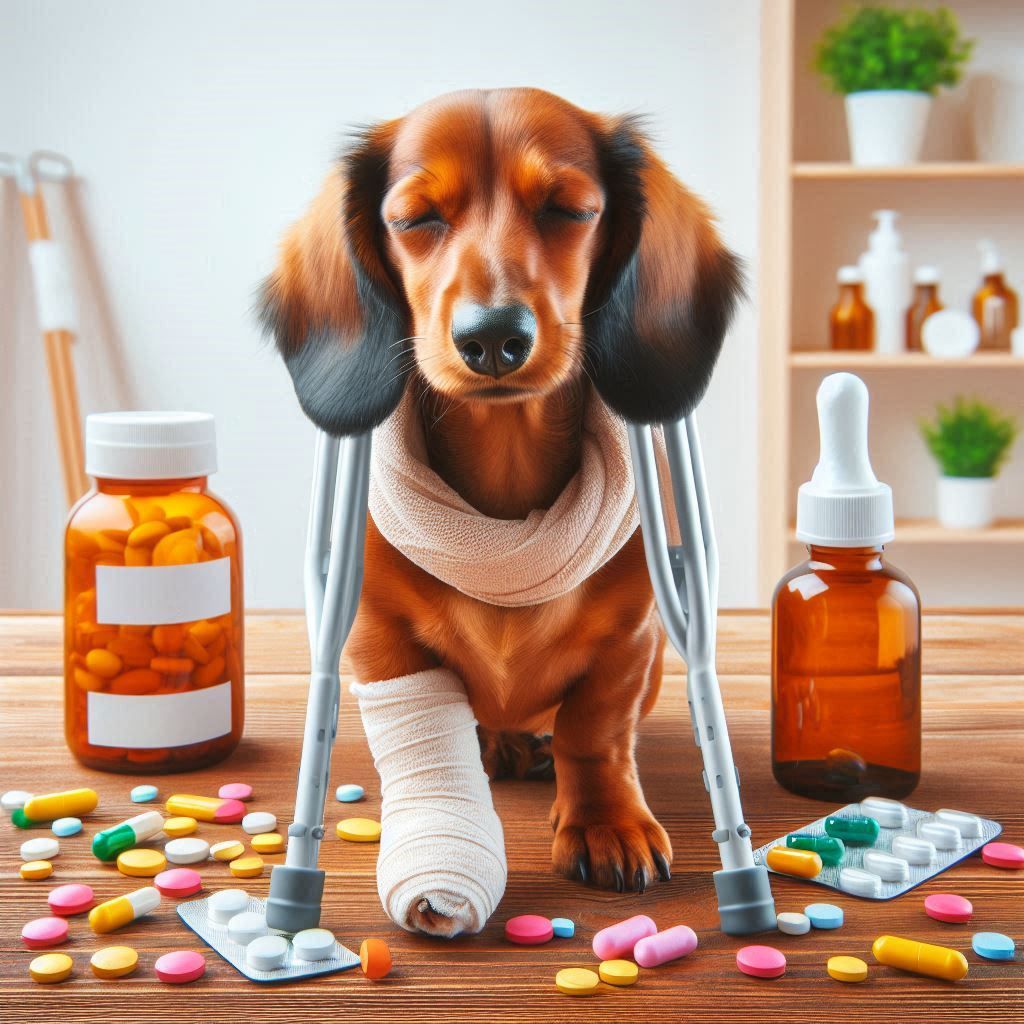
After your dog undergoes surgery, proper care is essential to ensure a smooth recovery. To help your dog heal properly, keep it calm, limit its activity, and monitor its incision site closely. This may be challenging, especially if your furry friend is usually energetic, but it’s crucial for the healing process.
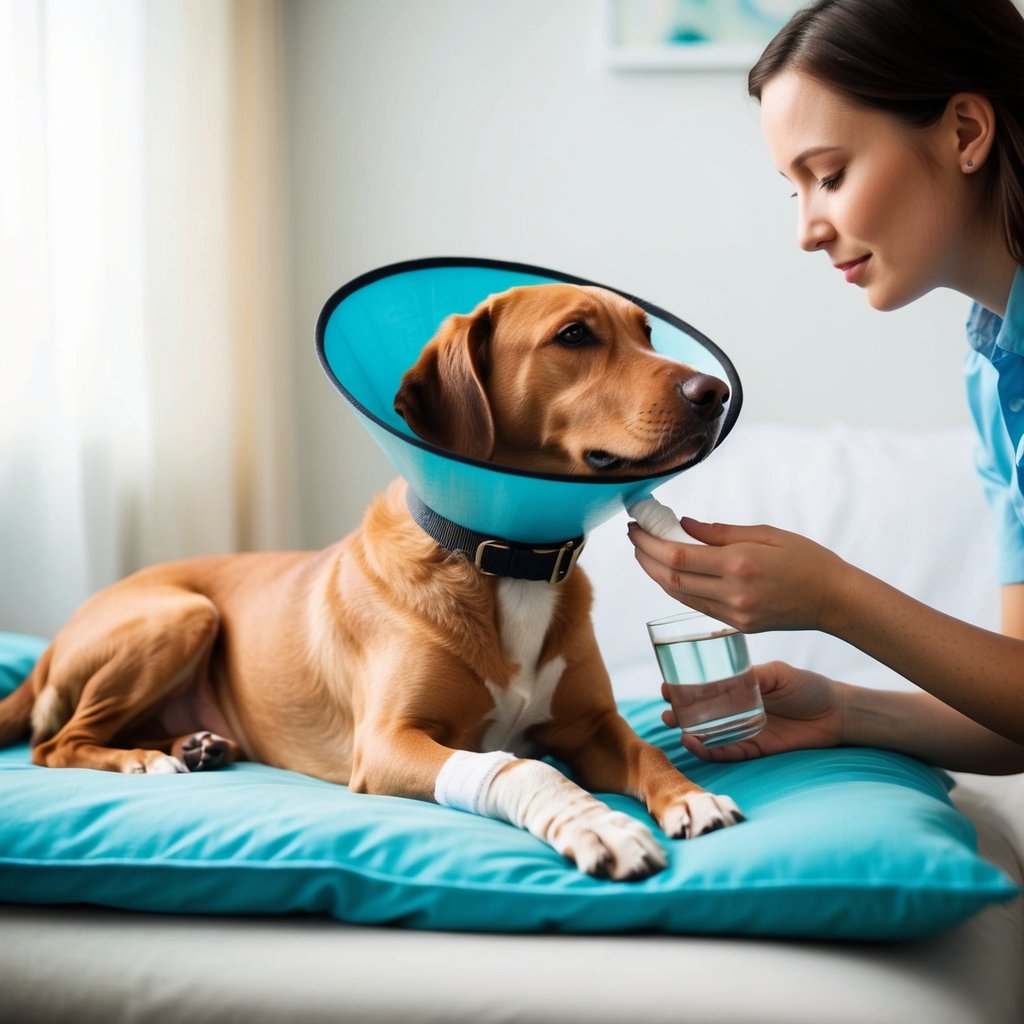
In the days following the procedure, your pup will need a quiet space to rest. Creating a comfortable, restricted area, such as a crate or a quiet room, can help prevent them from jumping or running around. Regular, short walks are essential for bathroom breaks, but avoid rigorous activity during the initial recovery phase.
Keeping an eye on your dog’s behavior is just as important. Contacting your vet is vital if you notice any discomfort or unusual changes. By following these care tips, you’ll be setting your dog up for a successful recovery.
Understanding Post-Surgery Care
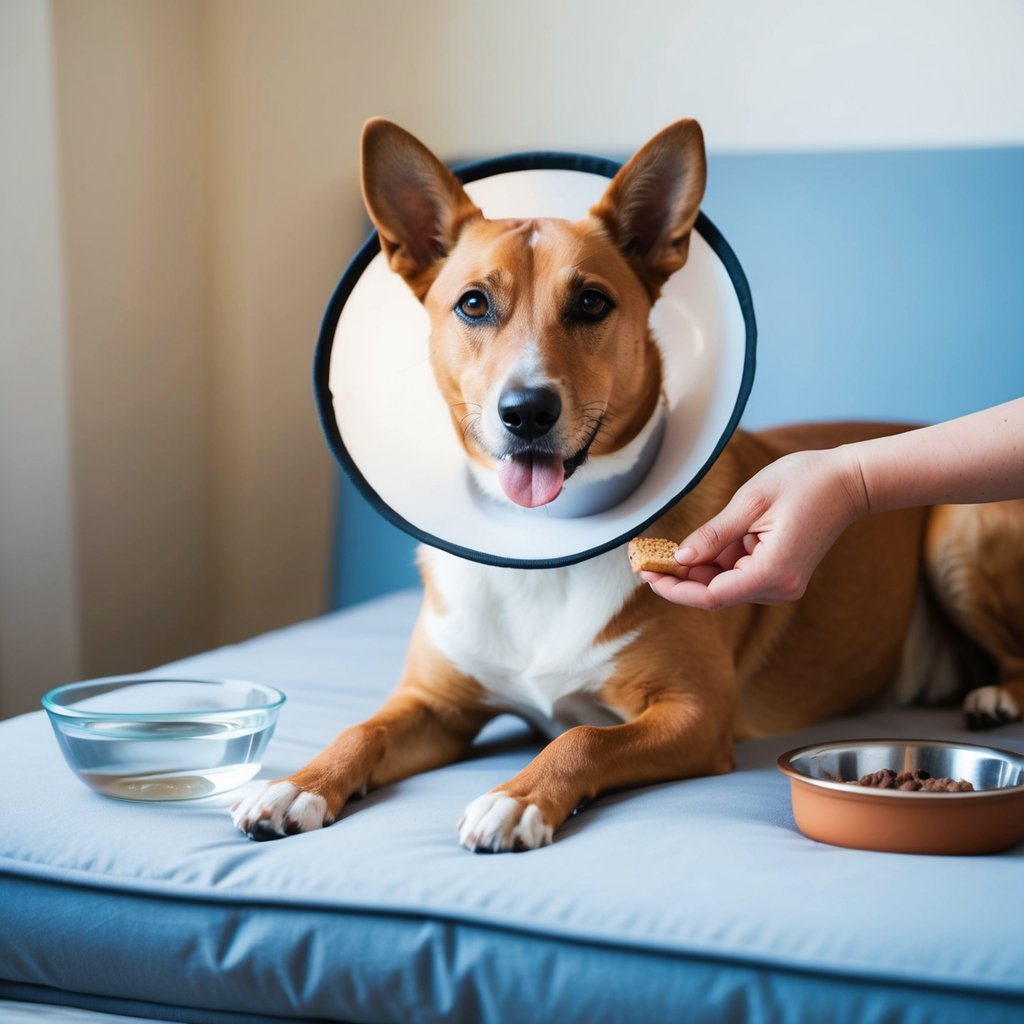
Caring for your dog after surgery is crucial for a smooth recovery. This phase requires attentive observation and proper preparation to ensure your pet heals well and stays comfortable.
Assessing Your Dog’s Needs
After surgery, it’s essential to monitor your dog closely. Check for signs of discomfort, such as whining, panting, or reluctance to move.
Key indicators to observe:
- Appetite: Your dog should start eating within 24 hours. If not, consult your vet.
- Incision Site: Look for swelling, redness, or discharge, which could indicate infection.
- Activity Level: Keep your dog calm. Excessive movement can impact healing.
Use a checklist to track these needs daily. If you notice anything unusual, don’t hesitate to contact your veterinarian.
Preparation for Home Recovery
Before bringing your dog home, ensure your space is safe and comfortable.
Consider these essentials:
- Quiet Area: Set up a designated recovery space away from noise and foot traffic.
- E-Collar: Use an Elizabethan collar to prevent your dog from licking the incision site, promoting healing and preventing infections.
- Medications: Have prescribed medications ready. Follow the vet’s instructions carefully to manage pain and calm your dog.
Keep your dog’s favorite blankets and toys close by to provide comfort. With careful attention, you can help your furry friend recover effectively.
Creating a Comfortable Recovery Space
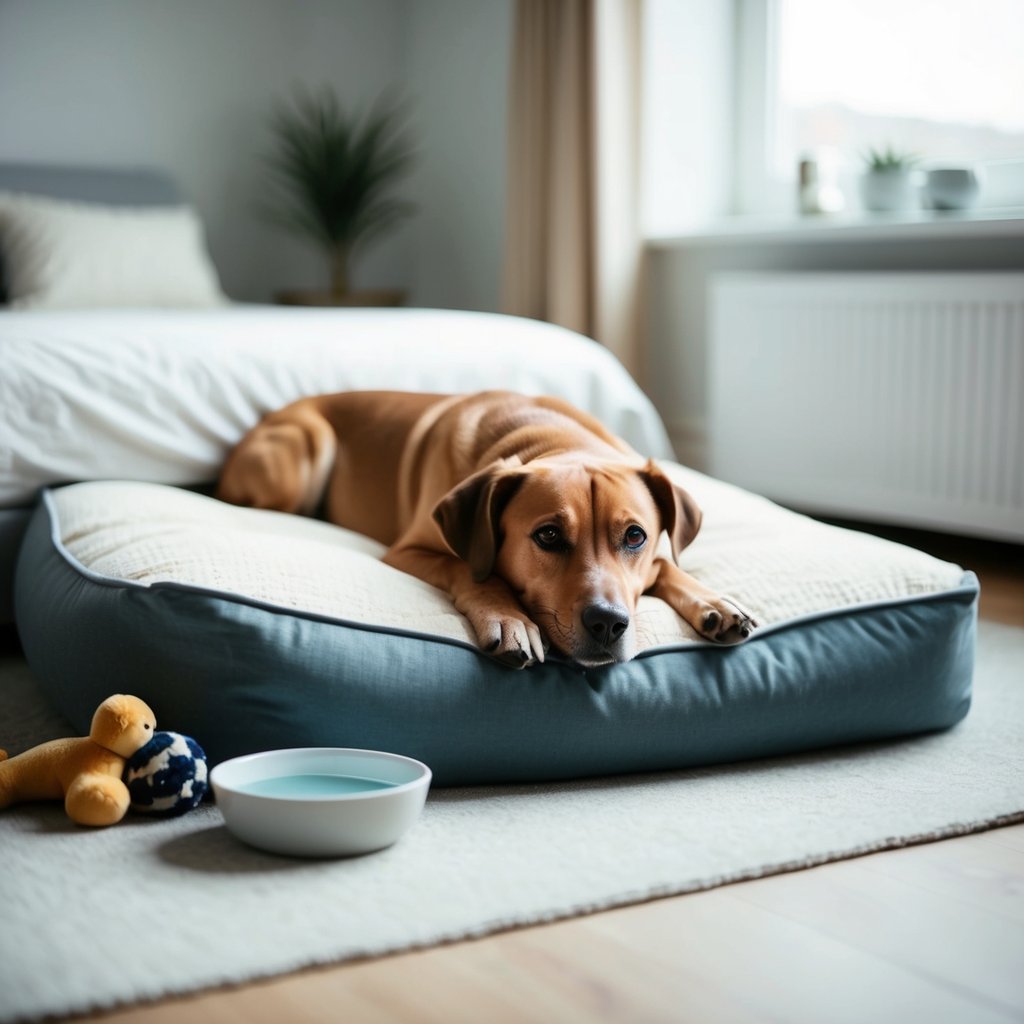
Providing your dog with a comfortable recovery space is essential for smooth healing. This area should be free from distractions and conducive to rest, allowing your dog to recover without unnecessary stress.
Choosing the Right Location
Select a quiet part of your home where your dog can feel safe and secure. Avoid busy areas where they might be disturbed by household activities or loud noises.
Consider using a spare room or a corner of your bedroom.
Make sure the area is well-ventilated and maintains a comfortable temperature.
The spot should also have limited access to stairs or areas that require jumping, as these actions can hinder recovery.
Include a cozy bed or crate to provide comfort. Soft bedding can help support their body and ease any soreness.
Ensuring Cleanliness and Safety
Keep the recovery area clean and free from hazards. Remove any items that could pose a risk, such as sharp objects or clutter your dog might trip over.
Regularly disinfect the space to prevent infections and ensure a sanitary environment for recovery.
You may want to use washable materials, like blankets, to keep the area accessible and clean.
If your dog has specific items, such as toys or blankets, ensure they are safe and accessible.
Consider using baby gates to restrict movement if necessary, preventing access to risky areas in the house.
Providing this space will help your dog stay calm and focused on healing.
Managing Pain and Medication
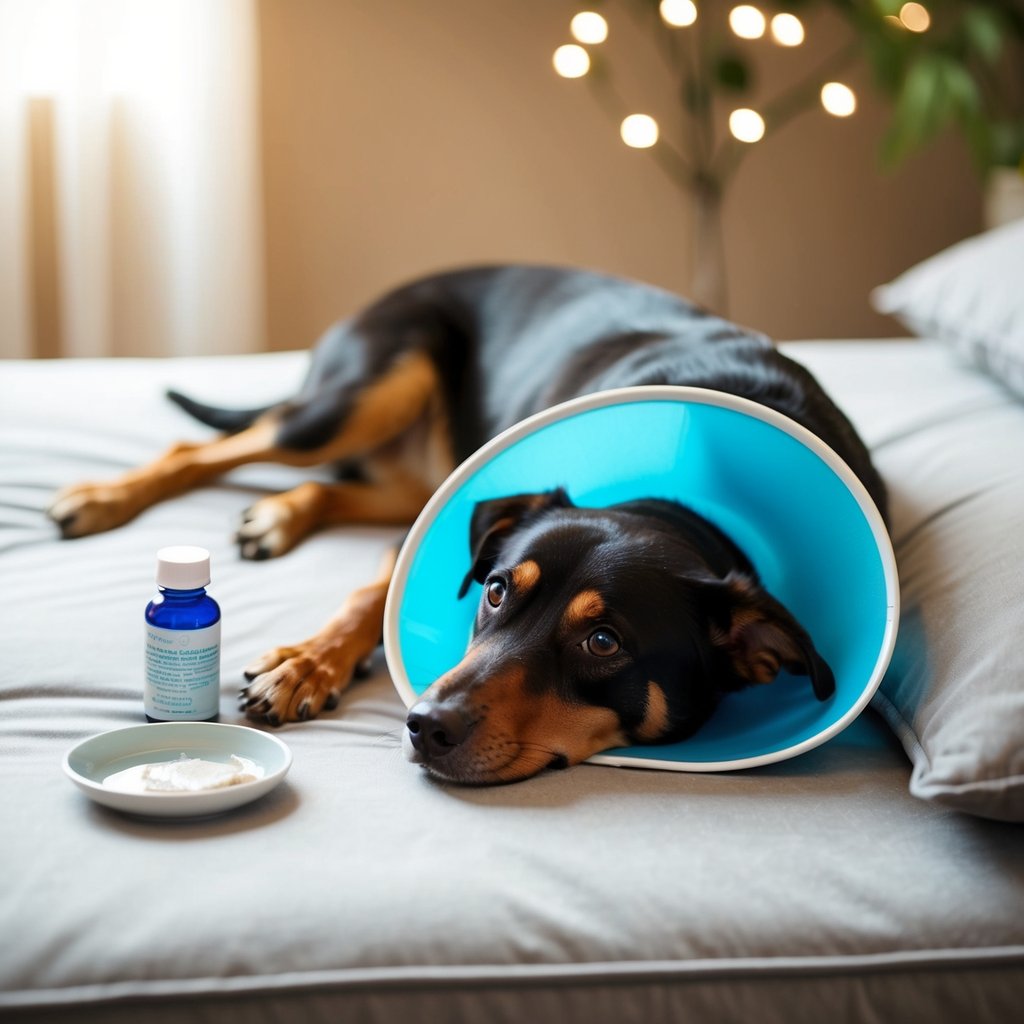
After surgery, your dog may experience discomfort that requires careful attention. Effectively managing their pain and administering medications properly is essential to ensure a smooth recovery. Here are some key aspects to consider.
Understanding Pain Management
Recognizing signs of pain in your dog is crucial. Look for behaviors such as whining, reluctance to move, or changes in appetite. Your veterinarian may employ various pain management strategies, including pain medications administered during and after surgery. Techniques like continuous rate infusion (CRI) can provide effective pain relief with minimal side effects.
It’s crucial to maintain a calm environment for your dog. Create a cozy space where they can rest without disturbances. Consistent monitoring allows you to observe their pain levels and adjust care accordingly. Always consult your vet if you notice any sudden changes in behavior or worsening pain.
Administering Medications Properly
Administering medication at home can be straightforward with some preparation. Always use medications prescribed specifically for your dog. Standard pain relief options may include NSAIDs or other pain management drugs your veterinarian recommends.
When giving medications, follow these tips:
- Ensure you understand the dosage and schedule.
- Use a pill pocket or mixed food to help your dog take the medication quickly.
- Monitor your dog after administering the medication for any adverse reactions.
A medication log can help you track what your dog takes and when. This consistency ensures that your dog receives the full benefit of its treatment, promoting a smoother and faster recovery.
Monitoring and Caring for Surgical Site
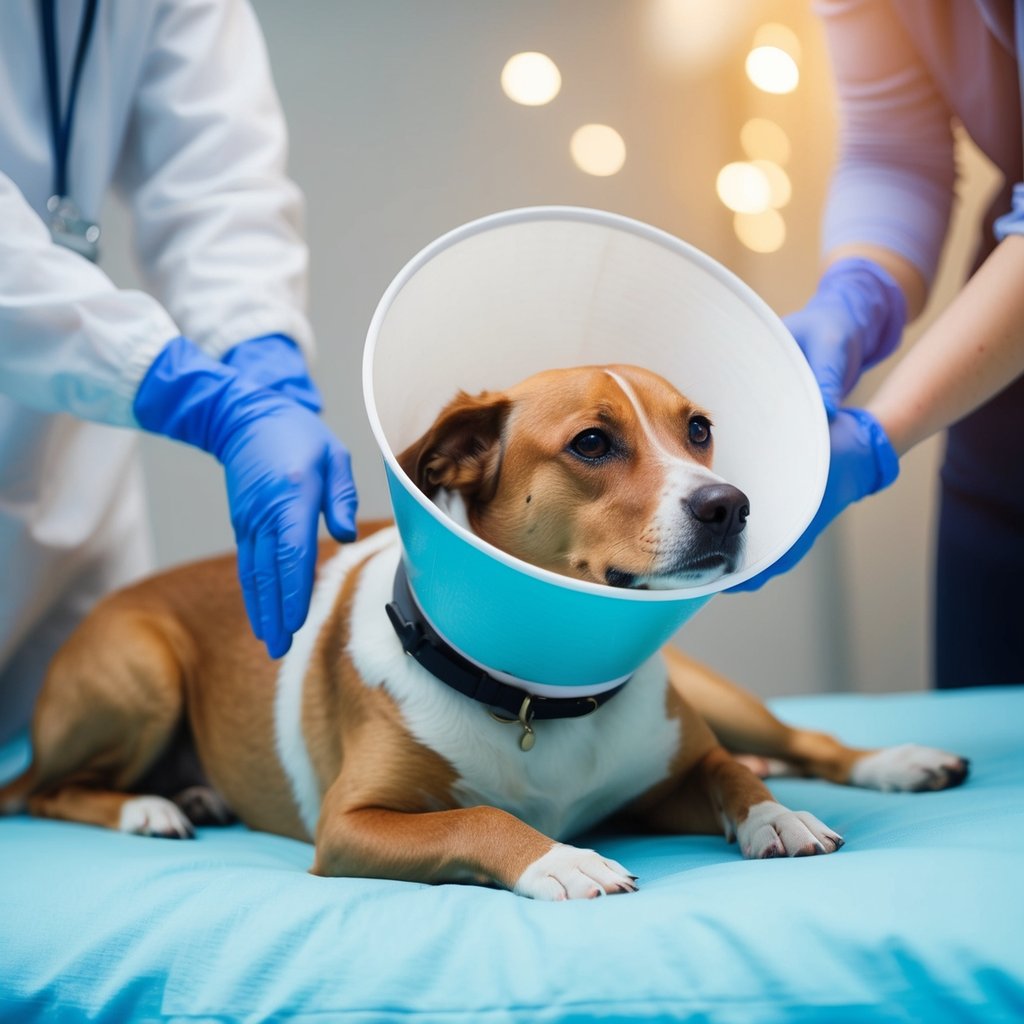
After your dog undergoes surgery, monitoring the surgical site is crucial for a smooth recovery. Proper care can help prevent complications and ensure your pet heals effectively. Here’s what you need to focus on.
Inspecting the Incision
Check the incision site daily. Look for any signs of redness, swelling, or discharge. Ideally, the incision should appear clean and start to close without complications.
What to look for:
- Redness: A slight redness is expected immediately after surgery. However, excessive redness may indicate infection.
- Swelling: Mild swelling is expected, but if it worsens, consult your veterinarian.
- Discharge: Clear fluid is normal, but yellow or green discharge can signal a problem.
If you notice any of these issues or if your dog is licking at the site excessively, contact your vet as soon as possible to discuss your observations.
Preventing Infection
Preventing infection is critical to your dog’s recovery. Make sure your dog doesn’t lick or bite at the surgery site. Consider using an Elizabethan collar if necessary.
Tips for infection prevention:
- Keep the area clean: Gently clean the incision with a damp cloth if instructed by your vet.
- Limit activity: Restrict vigorous play or exercise that might strain the incision.
- Follow medication instructions: Administer any prescribed antibiotics or pain relief precisely as directed.
Staying vigilant and following these care tips will help your dog heal properly and comfortably following their surgery.
Supporting Your Dog’s Healing Process
To ensure your dog recovers well after surgery, focus on providing proper nutrition and hydration, encouraging ample rest, and managing its activity levels. These factors play a crucial role in their healing journey.
Nutrition and Hydration
Proper nutrition is vital for your dog’s healing. After surgery, your dog may require a special diet that includes easily digestible food. Consult your veterinarian for recommendations tailored to your dog’s needs.
Consider the following tips:
- High-quality protein: Look for meals rich in protein to help repair tissues.
- Hydration: Ensure fresh water is available at all times. Hydration supports kidney function and digestion.
- Small, frequent meals: To prevent discomfort, offer smaller portions throughout the day instead of one large meal.
If your dog shows a lack of appetite, monitor it closely and seek advice from your vet.
Encouraging Rest and Limiting Activity
Rest is essential for recovery. Post-surgery, your dog will need a quiet space to minimize stress and encourage healing. Incorporate these strategies:
- Crate rest: Use a crate to limit movement, mainly when you can’t supervise.
- Comfortable bed: Provide a cozy area where your dog feels secure and relaxed.
- Short, monitored walks: Gradually reintroduce light walks only after getting clearance from your veterinarian.
Avoid strenuous activities such as running, jumping, or rough play, as these could hinder recovery. Patience and consistency will help your dog heal effectively.

Elizabeth Redd has been in Washington, D. C. since 1970. Welcome to "Pooch Wellness Path," your trusted guide to enhancing the well-being of your cherished furry friends. At the heart of our community lies a commitment to holistic wellness, combining comprehensive care with unconditional love.
We're here to offer you the latest nutrition, fitness, mental health, and preventive measures, lighting the way to peak health for your pet. Dive into our thriving network of dog lovers, where the happiness of our companions takes center stage.
We're all about sharing groundbreaking wellness tips and nurturing an environment where every dog thrives. Step into Pooch Wellness Path, where each joyful bark and wag is a testament to thriving health.

