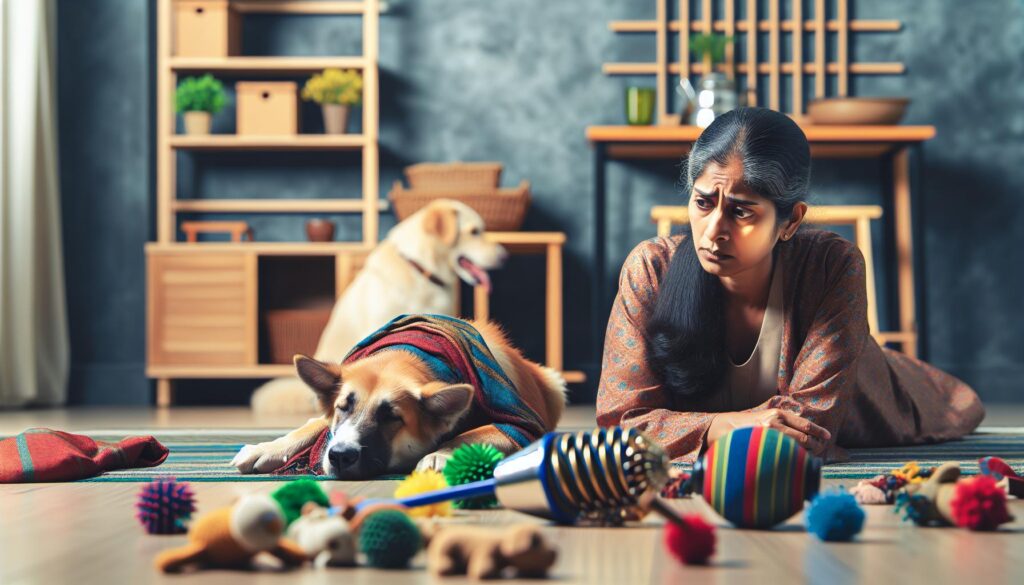
Is Your Puppy Ready? The Signs to Watch Before Starting
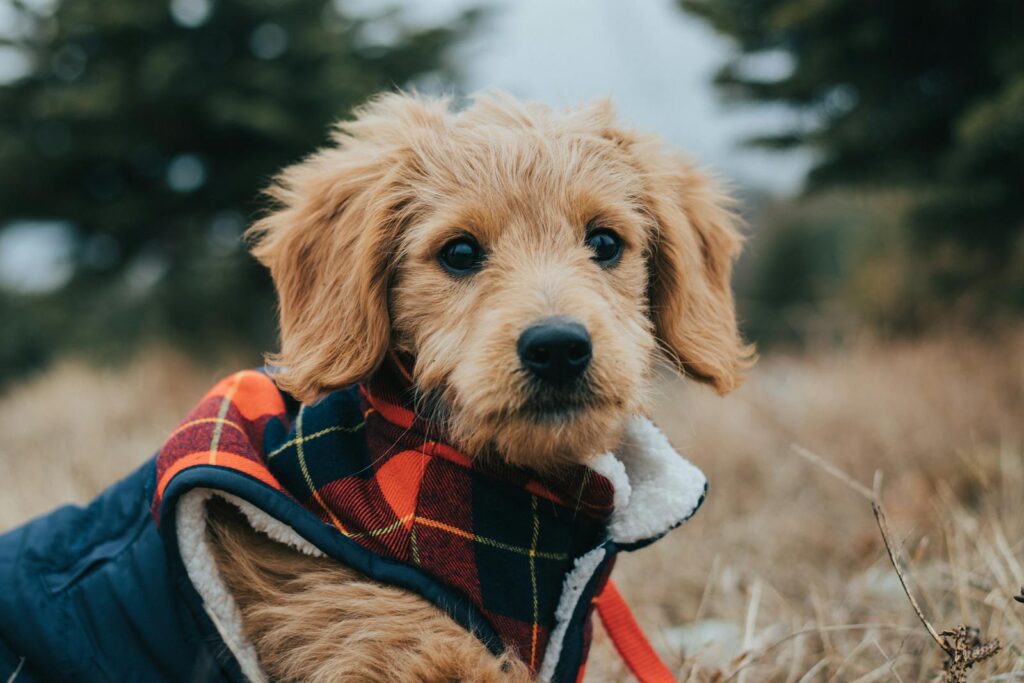
House-training a puppy can seem challenging, but it doesn’t have to be! The key to quickly house-training your puppy is consistency. Puppies thrive on routine, and setting a regular schedule will help them learn where and when to go potty. Take your puppy outside after meals, naps, and playtime.
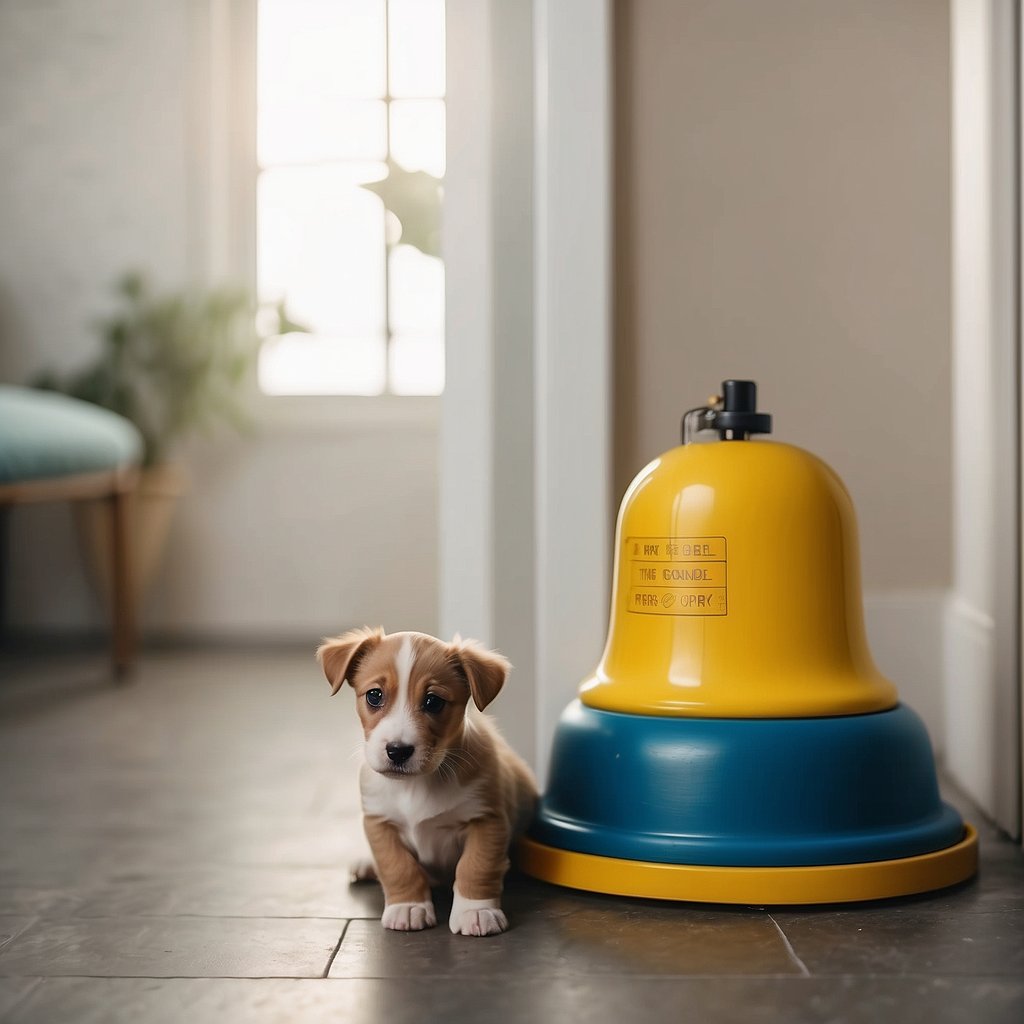
Watch for signs your puppy needs to go out, such as barking, scratching at the door, or sniffing around. Responding quickly to these signs helps reinforce good habits. Accidents will happen, so be patient and use an odor-eliminating cleaner to remove messes.
Properly using a crate can also be a big help. Crates create a safe space for your puppy and work with their instincts to clean their sleeping area. This can make house training faster and easier. For more detailed tips, check out this helpful guide on puppy potty training.
Understanding Puppy Behavior
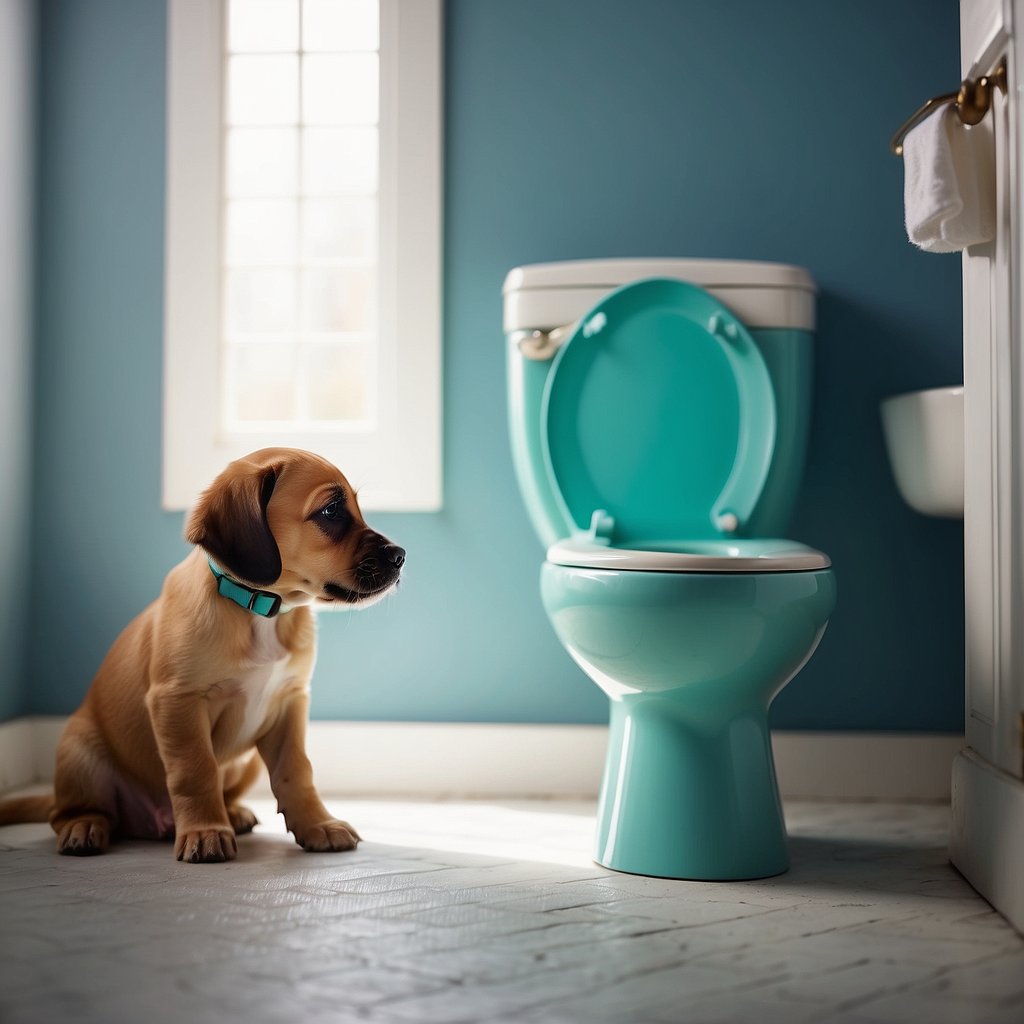
Knowing how puppies communicate and understanding their developmental stages helps you to house-train them effectively.
Communication and Signals
Puppies communicate using body language and sounds. They may whine, bark, or scratch at the door when they need to go outside. Watch for sniffing the ground, circling, or showing restlessness, as these often mean they must be eliminated.
Learning these signals helps you respond quickly, taking them outside before accidents happen. To reinforce the behavior, reward them immediately when they go outside.
Puppies also convey comfort or stress through their body. Relaxed ears and wagging tails show they feel secure, while pinned-back ears and crouching indicate anxiety.
Stages of Puppy Development
Puppies go through several development stages that affect their behavior. From birth to 3 weeks, they are in the neonatal stage, depending on their mother for everything. During this time, they learn basic social behaviors.
From 3 to 12 weeks, they are in the socialization stage and become more aware of their surroundings. This is an ideal time to introduce house training. During this period, they learn quickly and are more adaptable to new habits.
From 12 weeks to 6 months, they enter the juvenile stage. Here, they further develop bladder control and can hold it longer. Consistency in training during this stage solidifies good habits.
Understanding these stages helps tailor your training approach, ensuring a smoother house-training process.
Setting Up for Success
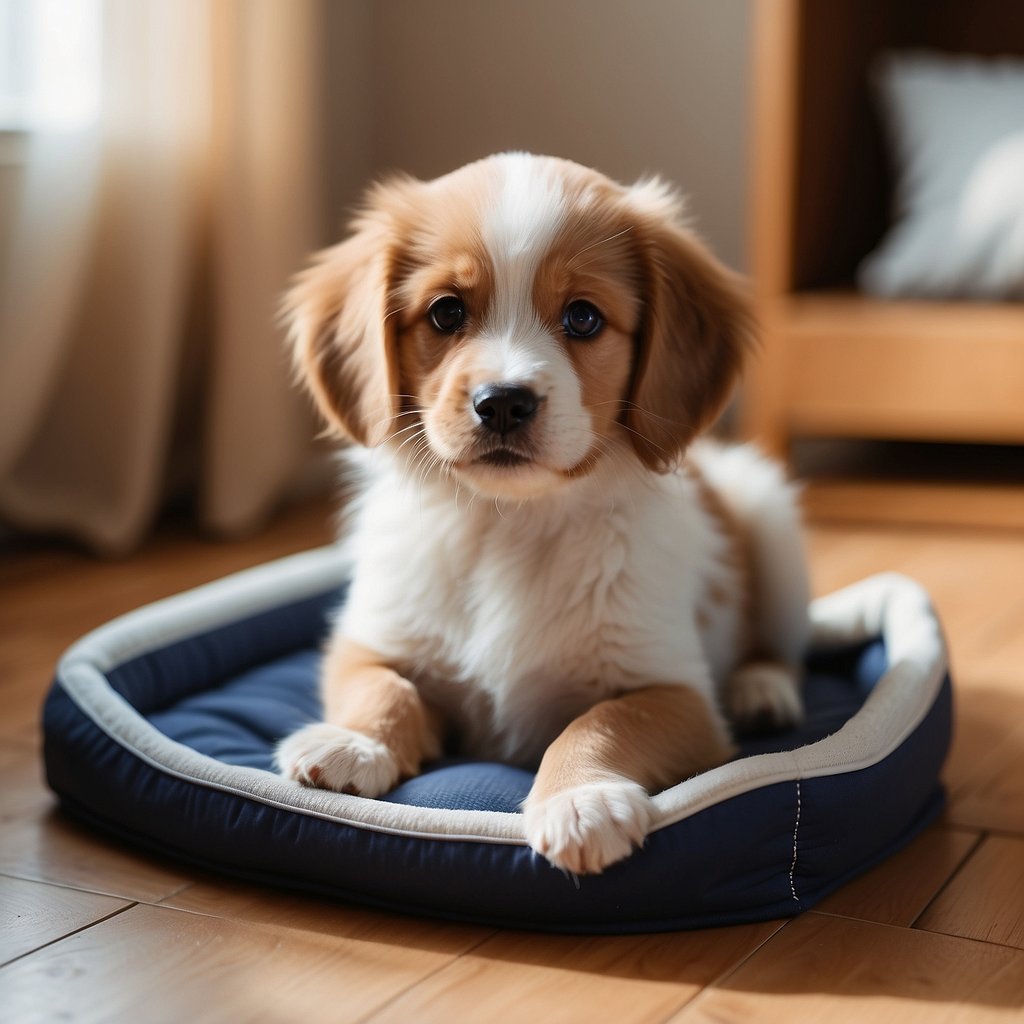
Before beginning the house-training process, you must create an ideal environment for your puppy. This involves selecting a suitable location and establishing a consistent routine.
Choosing the Right Location
The location you choose for house training should be quiet but accessible. A wire crate works well for this purpose. Ensure it’s large enough for your puppy to stand, lie down, and turn around comfortably. Check out this guide on wire crates for more tips.
Place the crate in a part of your home where the puppy won’t feel isolated. It’s vital that the puppy feels like part of the family and has a space to relax.
Avoid high-traffic areas where the puppy might get overwhelmed or distracted. Your backyard or a nearby park can also be good spots for bathroom breaks. Use commands like “Potty” or “Do It” to encourage your puppy to eliminate in the designated area. Afterward, praise your puppy and bring them back inside immediately.
Creating a Routine
Having a consistent routine will make house training more accessible. Puppies should be taken outside frequently, especially after meals, playtime, and naps. A good rule is to take your puppy out every two hours.
Start by feeding your puppy at the exact times each day. This helps create predictable bathroom breaks. When your puppy goes outside, use the same spot each time to make it familiar.
Follow up bathroom breaks with praise and a treat to reinforce positive behavior. Consistency in your actions and reactions will help your puppy learn faster. If your schedule doesn’t allow you to be home all day, consider arranging for help to ensure the puppy sticks to the routine. For more ideas, look at this house-training routine.
House-Training Basics
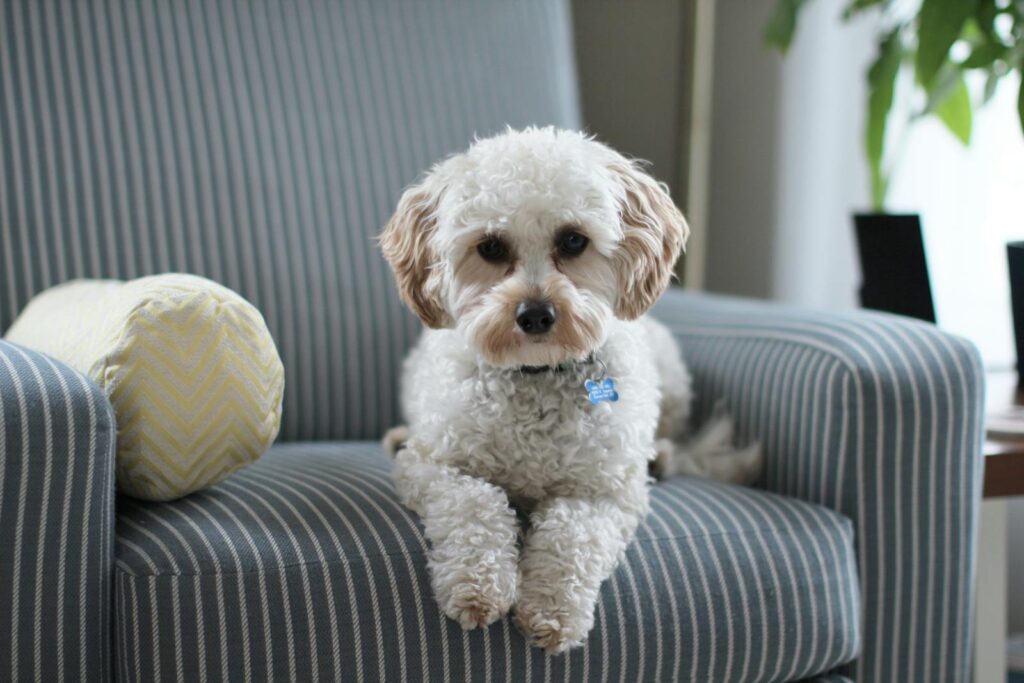
House-training your puppy involves close supervision and effective use of a crate. Both are vital to teaching your pup where and when to go potty.
Supervision and Confinement
Keeping an eye on your puppy is key to preventing accidents. When you can’t give full attention, use a six-foot leash to tether your pup to you or a nearby piece of furniture. This helps prevent them from wandering off and having an accident.
Watch for signs that your puppy needs to go out. Look out for behaviors like barking, scratching at the door, squatting, restlessness, or circling. When you notice these signs, take them outside immediately. Consistency is crucial in teaching them the appropriate time and place to do their business.
Crate Training Essentials
A crate can be a helpful tool in house training. It should be just big enough for your puppy to stand, turn around, and lie down. Use the crate as a safe space where they can rest without having accidents. Puppies naturally avoid soiling their sleeping area.
Introduce your puppy to the crate slowly, making it a positive space with treats and toys. Start with short periods and gradually increase the time they spend inside. When your puppy exits the crate, immediately take them to their designated potty area. This reinforces the idea that the outside is the right place to go. Maintain a consistent schedule, especially after meals and naps, to establish a reliable routine.
Positive Reinforcement Techniques
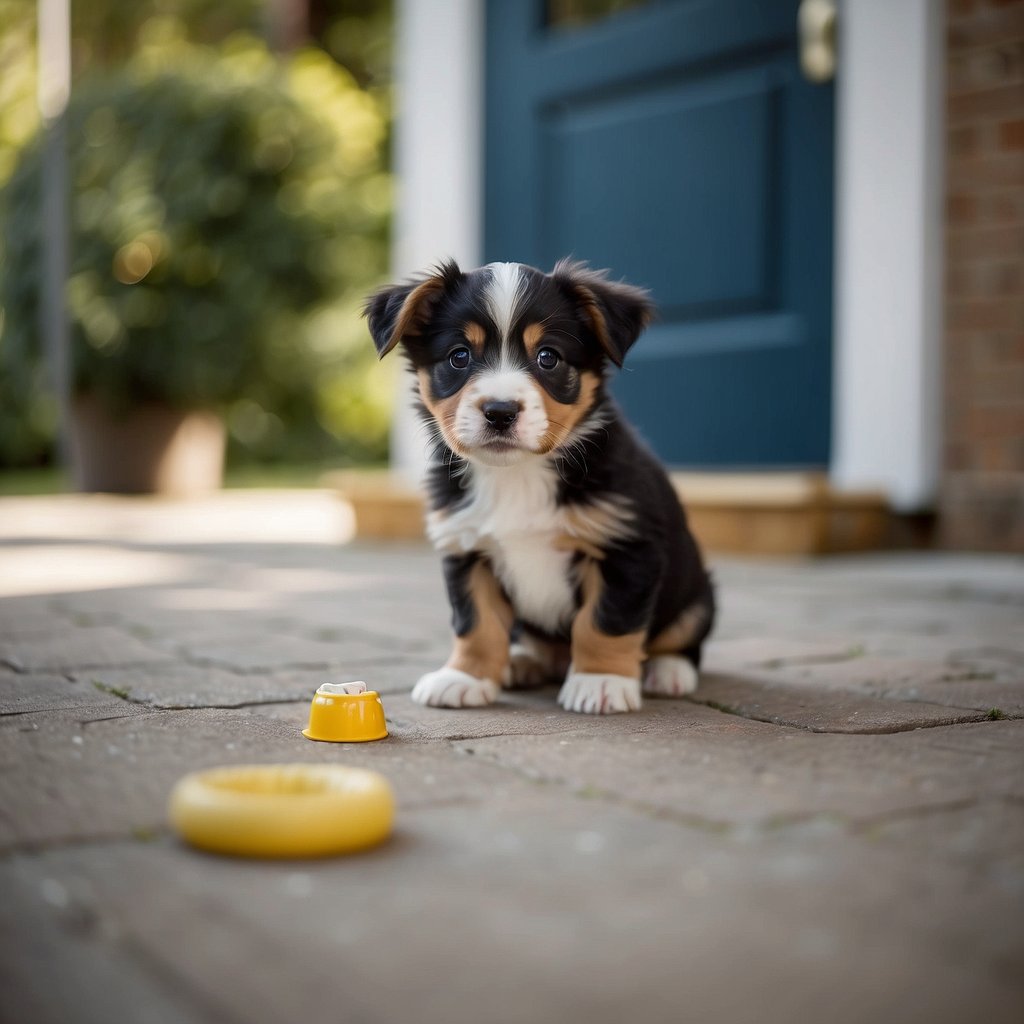
Positive reinforcement is critical to house-training a puppy. It helps them understand what behaviors you want to encourage.
Reward-Based Training
Use treats, praise, and toys to reward your puppy when it goes potty outside. This helps them associate going potty outside with something pleasant. Choose small, easily digestible treats. Puppies love the taste, making them eager to repeat the behavior.
Timing is crucial. Reward them immediately after they finish. This shows them exactly what they did right. Verbal praise, such as saying “good job” and petting, adds extra encouragement. Ensure everyone in your household uses the exact praise words to avoid confusing the puppy.
Keep rewards consistent. Use the same treats and praise each time. Gradually, you can lessen treat rewards but keep verbal praise and petting.
Dealing With Accidents
Accidents happen, especially with puppies. When they have an accident indoors, stay calm. Raising your voice or getting angry will only scare them, making house training harder.
Quickly clean up the mess with an enzyme cleaner. This removes odors that might tempt your puppy to return to the same spot. Remember, if you don’t eliminate the smell, it’s like leaving a sign that says “potty here.”
If you catch them in the act, interrupt with a gentle “no” and take them outside immediately. If they finish outside, reward them. This teaches them the proper place to go.
Don’t punish after the fact. Puppies won’t link the mess to punishment unless caught in the act. Consistent, calm, and positive responses are key to successful house training.
Addressing Common Challenges
Training a puppy can involve a few bumps along the way. Common issues include submissive or excited urination and marking or territorial behaviors.
Submissive/Excitement Urination
Puppies may urinate when they are excited or feeling submissive. This behavior is natural but can be managed. Focus on keeping greetings calm. To help your puppy relax, avoid direct eye contact when you first come home. Speak in a low, soothing voice and avoid loud noises or sudden movements.
Reward calm behavior with treats or gentle praise. When accidents happen, clean the area thoroughly to remove any scents that might encourage more accidents. It is important not to scold your puppy for these accidents, which can increase their anxiety.
Marking and Territorial Behavior
Puppies sometimes mark their territory by urinating in specific spots inside the house. This is more common in male puppies, but females can do it too. The first step to address this is to get your puppy on a regular potty schedule. Take them out frequently, especially after meals and naps.
Use a mix of positive reinforcement and consistent training. When your puppy urinates outside, please give them a treat and praise. Clean all marked spots thoroughly with an enzymatic cleaner, as regular cleaners won’t remove the scent. If marking continues, consider using belly bands for male dogs or consulting a vet for more advice.
Health Considerations and Diet
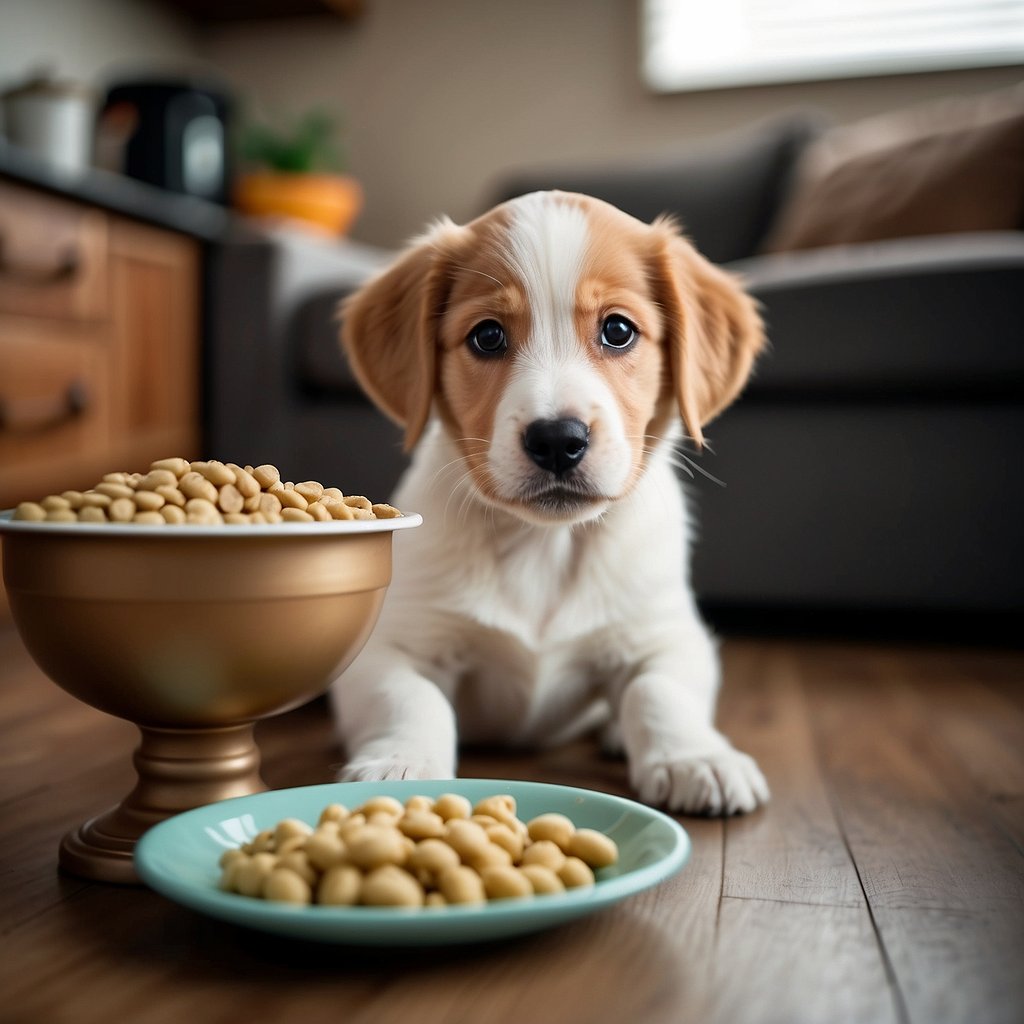
When house-training a puppy, their health and diet play crucial roles. Proper nutrition can enhance training success, while specific health issues may hinder progress.
Nutrition Impact on Training
The food your puppy eats can affect their energy levels and digestion. Feeding your puppy high-quality food helps maintain their health and can make training easier. Look for foods that match your puppy’s age, size, and breed needs.
A regular feeding schedule is also essential. Remove food between meals to help your puppy learn when to eat. Consistent meal times will also make bathroom breaks more predictable, aiding house training. Always provide fresh water.
Treats can be an effective training tool. They should be small and easy to digest. Overfeeding treats can lead to weight issues, so keep them minimal.
Recognizing Medical Issues
Sometimes, health problems can interfere with house training. Puppies might have bladder infections, digestive issues, or other medical conditions that make it hard to control their bladder or bowels.
Watch for signs of illness, such as frequent accidents, blood in urine, or diarrhea. If you notice these signs, consult your veterinarian to rule out any health issues.
Older dogs or dogs with certain medical conditions may struggle more with house training. For example, senior dogs could suffer from urinary incontinence. Your vet can offer treatment options or advice tailored to your dog’s needs.
Training Milestones and Expectations
Training a puppy involves setting age-related goals and knowing when to seek help from a professional. These steps will help you create a good training structure for your pup.
Age-Related Goals
8-10 weeks: Start with basic commands like “sit” and “stay.” Use treats as rewards to keep your puppy engaged. Puppies at this age respond well to positive reinforcement.
12-16 weeks: Introduce house training. Puppies can start to learn where to potty. Consistency is key. Regular schedules and trips outside help set good habits.
4-6 months: Focus on crate training. Crates become their safe space. Please make sure they’re comfy. Crate training helps with house training and reduces anxiety.
6 months and older: Work on leash training and advanced commands. Teaching “come,” “heel,” and “leave it” becomes essential. Socialization is also crucial. Meet other dogs and people for a well-rounded pup.
When to Consult a Professional
Sometimes, training gets challenging. If your puppy shows signs of aggression, fear, or anxiety, it might be time to seek help.
Aggression: If your puppy bites or snarls often, consult a trainer. They can assess triggers and offer solutions to manage behavior. Aggression shouldn’t be ignored.
Fear or Anxiety: Cowering, hiding, or excessive barking indicates fear. A professional can suggest desensitization techniques or other methods to build confidence.
Stubborn Behavior: If your puppy isn’t responding to commands or house training isn’t working, an expert’s advice could be invaluable. They can tailor methods to fit your puppy’s unique needs.
Conclusion
House-training a puppy can be a rewarding experience for you and your new furry friend.
Stay patient and consistent throughout the process. Celebrate small victories and be prepared for a few setbacks.
Use positive reinforcement like treats and praise when your puppy goes to the bathroom outside.
Crate training can be helpful. Ensure the crate is comfortable and the right size, allowing your puppy to stand, turn around, and lie down.
Follow a strict schedule. Take your puppy out first thing in the morning, after meals, and before bedtime.
Gradually increase your puppy’s freedom to roam the house as they become more reliable. Always supervise them to prevent any accidents.
Use a command like “Potty” when you take your puppy outside. Praise them immediately after they finish.
Accidents will happen. When they do, clean up with an odor-eliminating cleaner to prevent your puppy from going in that spot again.
House training takes time, so be patient and stay consistent. Your dedication will pay off, and soon, your puppy will be fully house-trained.
A Call to Action
House-training your puppy can be achieved faster if you stay committed and consistent. Now is the time to take charge and make it happen.
- Set a Schedule: Puppies thrive on routines. Ensure you take your pup out first thing in the morning, after meals, and before bedtime. Consistency helps them understand when it’s the right time to go.
- Positive Reinforcement: Celebrate small successes with treats and praise. When your puppy goes outside, offer a treat and lots of praise. This positive reinforcement will help them learn quickly.
- Use a Command: Use phrases like “Potty” or “Do It” to signal your pup that it’s time to go. Over time, they will associate the command with the action.
- Accident Handling: If an accident happens, don’t scold your pup. Instead, please clean it up quickly with an odor-eliminating cleaner. This removes the scent and helps discourage them from going to the same spot again.
- Appropriate Crate Size: Make sure your puppy’s crate is big enough for it to stand, turn around, and lie down. This will help it avoid soiling its sleeping area and tap into its natural instincts.
Take these steps seriously and bring them into your daily routine. Your consistency and patience will pay off. Be the guide your puppy needs; you will see progress sooner than you think. Your journey to a house-trained puppy starts now! Check us Out For More Information.

Elizabeth Redd has been in Washington, D. C. since 1970. Welcome to "Pooch Wellness Path," your trusted guide to enhancing the well-being of your cherished furry friends. At the heart of our community lies a commitment to holistic wellness, combining comprehensive care with unconditional love.
We're here to offer you the latest nutrition, fitness, mental health, and preventive measures, lighting the way to peak health for your pet. Dive into our thriving network of dog lovers, where the happiness of our companions takes center stage.
We're all about sharing groundbreaking wellness tips and nurturing an environment where every dog thrives. Step into Pooch Wellness Path, where each joyful bark and wag is a testament to thriving health.